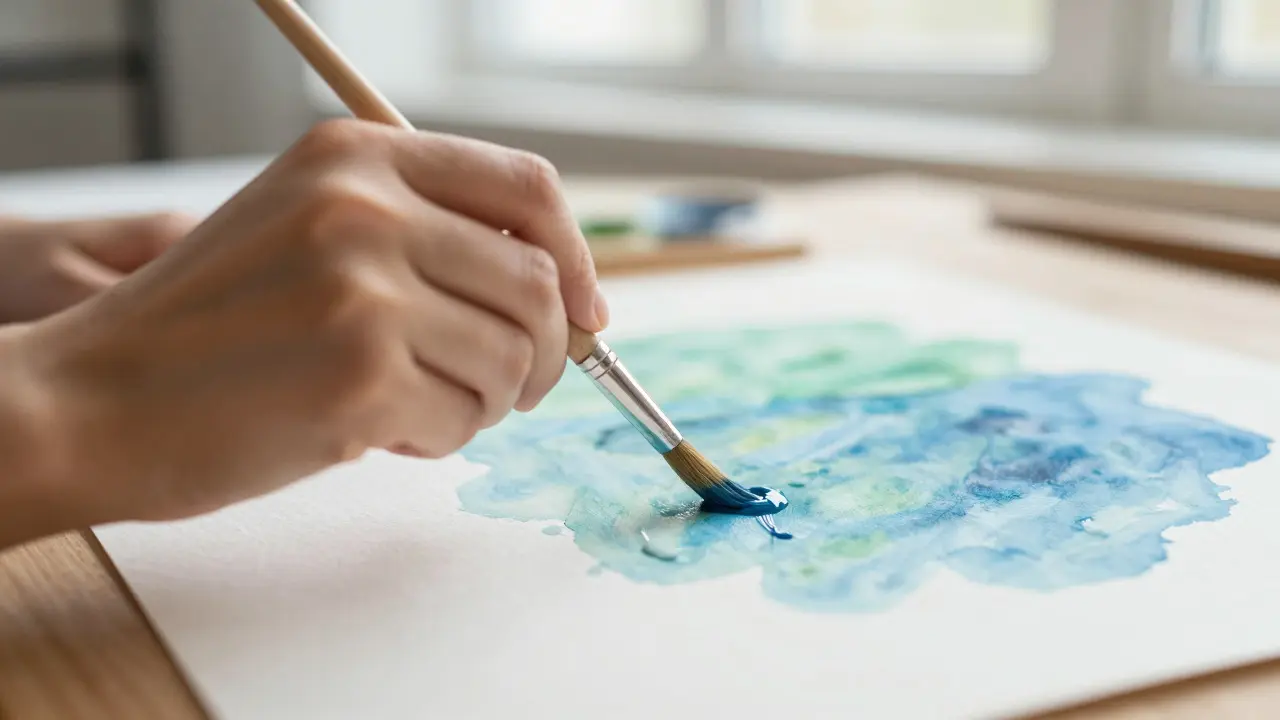
Imagine holding a paintbrush while your mind races through tomorrow's deadlines. Now imagine that same brush stroke slowing your heartbeat, quieting the noise, and grounding you in the present moment. That is the power of Creative Arts Therapies is a group of clinical disciplines that use creative processes like art, music, dance, and drama to improve physical, emotional, and cognitive well-being. Unlike traditional talk therapy, which relies heavily on verbal processing, these modalities engage the non-verbal parts of the brain, offering a direct path to regulating the nervous system when words feel insufficient.
Why Words Aren't Always Enough
Anxiety often lives in the body before it hits the conscious mind. You might feel tightness in your chest or restlessness in your legs without being able to articulate exactly why. Standard cognitive behavioral therapy (CBT) is excellent for restructuring thoughts, but it requires a level of verbal articulation that can be exhausting for someone already in a state of high arousal. Creative arts therapies bypass this bottleneck. They allow the brain to process emotions through sensory experience rather than just logical analysis. This makes them particularly effective for individuals who struggle to put feelings into words, such as children, trauma survivors, or those with high-functioning anxiety where the internal narrative feels disconnected from physical reality.
The Core Disciplines of Creative Arts Therapy
While the term covers several fields, four main disciplines dominate clinical practice. Each offers distinct benefits depending on the patient's needs and comfort level.
- Art Therapy: Uses visual media like painting, drawing, and sculpting. It is highly accessible and allows for slow, deliberate focus. Studies have shown that simple doodling can reduce cortisol levels by up to 25% within five minutes.
- Music Therapy: Involves listening, playing, or singing under the guidance of a certified therapist. Rhythm entrainment helps synchronize brain waves, moving the mind from a beta state (alert/anxious) to an alpha state (relaxed/focused).
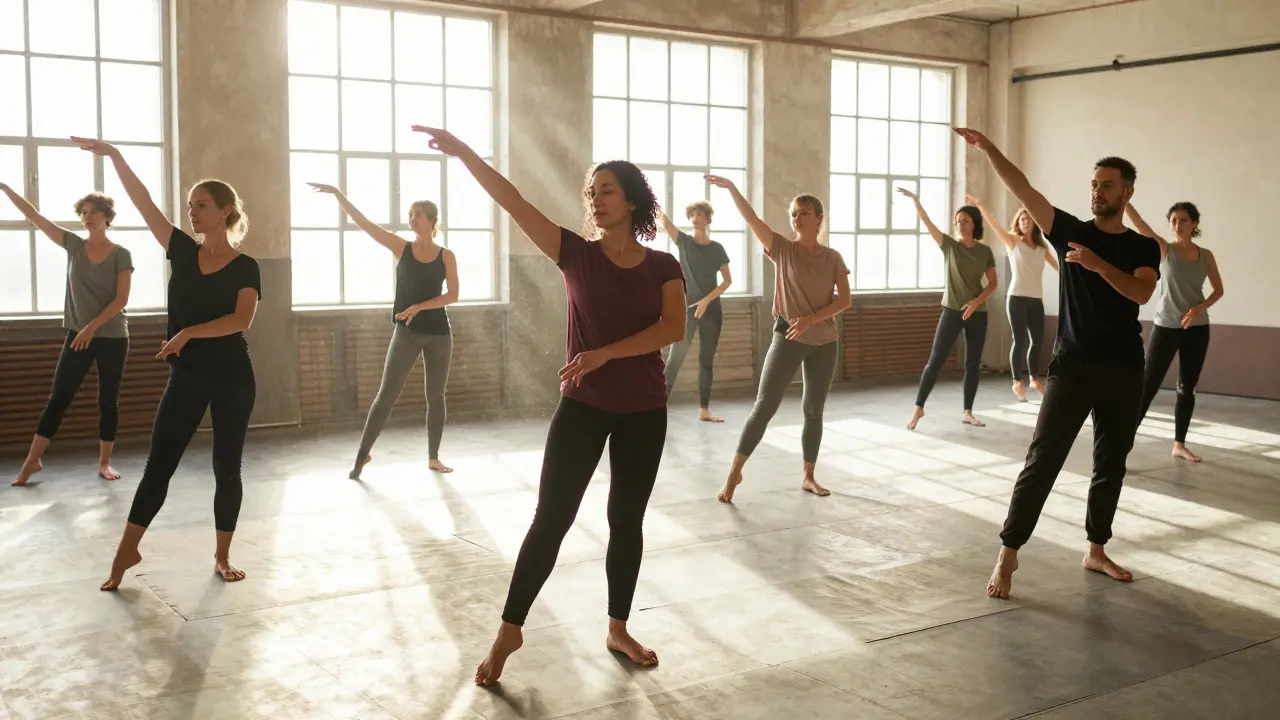
- Dance/Movement Therapy: Focuses on body awareness and movement. It is crucial for releasing stored tension and improving proprioception, helping patients reconnect with their physical selves.
- Drama Therapy: Uses role-playing and improvisation to explore social dynamics and emotional scenarios in a safe, fictional context.
How Creativity Rewires the Anxious Brain
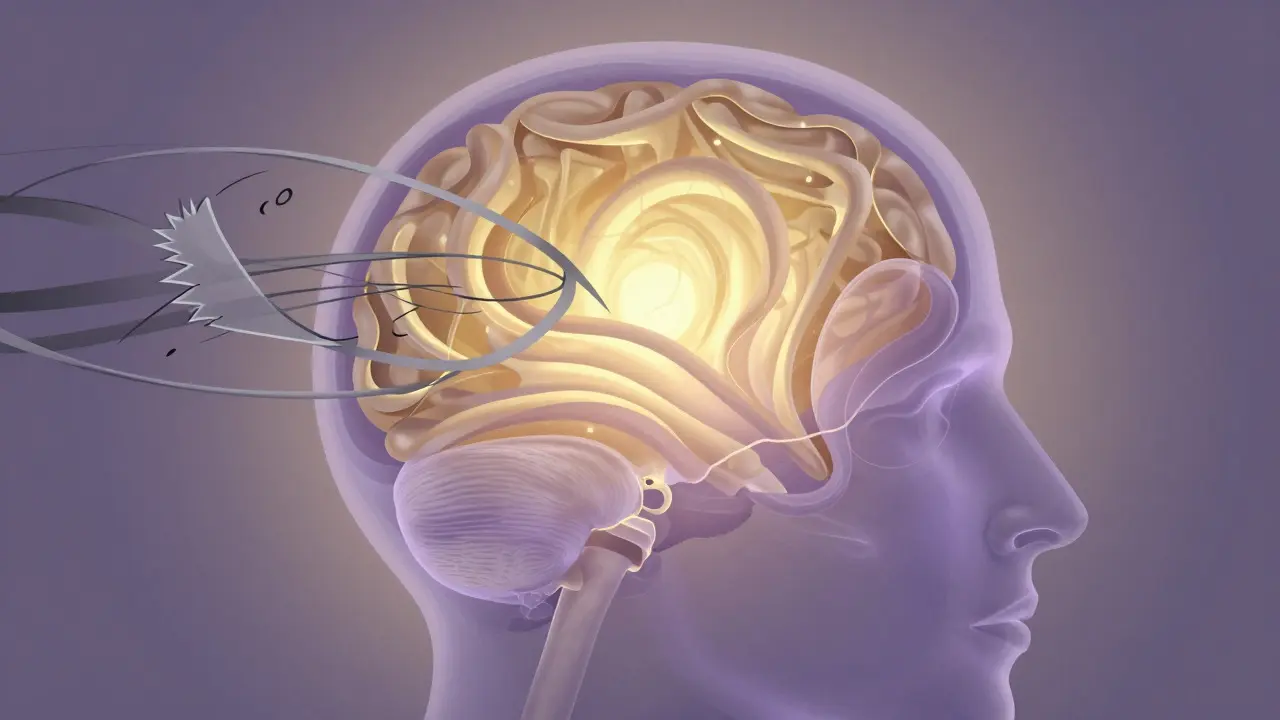
The mechanism behind these therapies lies in neuroplasticity. When you engage in a creative act, you enter a state often described as 'flow.' During flow, the prefrontal cortex-the part of the brain responsible for self-criticism and future planning-temporarily quiets down. This reduction in executive function activity lowers the perceived threat level of anxious thoughts. Simultaneously, the parasympathetic nervous system activates, triggering the 'rest and digest' response. For someone with generalized anxiety disorder, this physiological shift is not just temporary relief; it trains the brain to recognize safety cues more readily over time.
| Modality | Primary Benefit | Best For | Barrier to Entry |
|---|---|---|---|
| Art Therapy | Slowing pace, reducing cortisol | Overthinkers, visual learners | Low (no skill required) |
| Music Therapy | Rhythm regulation, mood elevation | Social anxiety, depression comorbidity | Moderate (instrument access) |
| Dance/Movement | Physical release, body reconnection | High somatic symptoms, low energy | High (physical capability) |
| Drama Therapy | Emotional expression, social confidence | Performance anxiety, isolation | Moderate (group setting) |
Getting Started Without Pressure
You do not need to be an artist to benefit from art therapy. In fact, the lack of artistic skill is often a feature, not a bug. The goal is not to create a masterpiece; it is to externalize internal chaos onto a canvas. If you are considering trying this at home before committing to professional sessions, start with low-stakes activities. Try 'mindful coloring' using complex patterns, or free-doodle for ten minutes without judging the outcome. Keep the materials simple: watercolors, clay, or even a pencil and paper. The key is to focus on the sensation of the tool against the surface rather than the final image. This shifts attention from the content of your worries to the quality of your current experience.
Finding Professional Support
While DIY creativity helps, working with a registered creative arts therapist provides structure and safety. These professionals hold specific certifications, such as the Registered Art Therapist (RAT) credential or equivalent national board certification. They understand how to interpret your creative output without imposing their own meaning, guiding you to discover your own insights. In Melbourne, many community health centers and private practices now integrate these therapies into standard mental health plans. Look for practitioners who list 'anxiety management' or 'trauma-informed care' as specialties. Initial consultations usually involve discussing your goals and choosing a modality that feels least intimidating. Remember, there is no wrong way to engage; if painting feels too exposed, try making collages. If movement feels awkward, start with gentle stretching to music.
Common Misconceptions and Pitfalls
A frequent misconception is that creative arts therapy is just 'fun activities.' While enjoyable, it is a clinical intervention. Another pitfall is perfectionism. If you approach a session with the goal of creating something 'good,' you may trigger the same critical inner voice that fuels anxiety. Therapists actively work to dismantle this expectation. Additionally, some people fear that the artwork will reveal deep secrets they aren't ready to face. However, the process is collaborative. You control what you share. The artwork serves as a bridge, not a confession booth. If a specific medium triggers discomfort, switch mediums. Flexibility is central to the therapeutic success.
Integrating Creativity into Daily Life
Therapy sessions typically occur once or twice a week, but the benefits extend further when you incorporate small creative acts into your routine. This doesn't mean you must paint every day. It could mean taking a ten-minute walk focusing solely on sounds (auditory mindfulness), humming a tune while cooking, or sketching in a notebook during breaks. These micro-practices reinforce the neural pathways established in therapy. Over time, you develop a personal toolkit for self-regulation. You learn that you have agency over your stress response, not just through thinking differently, but by doing something different with your hands, ears, and body.
Frequently Asked Questions
Do I need to be good at art to do art therapy?
No. Skill level is irrelevant. The focus is on the process of creation, not the aesthetic quality of the result. Many clients find that removing the pressure to make something 'pretty' actually reduces anxiety faster.
Is creative arts therapy a replacement for medication?
It is often used as a complementary treatment alongside medication or CBT. While it can significantly reduce symptom severity, whether it replaces medication depends on the individual's diagnosis and doctor's advice. It is rarely a standalone cure for severe biological conditions without other support.
Which type of creative therapy is best for panic attacks?
Grounding techniques involving tactile sensations, such as clay work or rhythmic drumming, are often most effective for acute panic because they interrupt the fight-or-flight response quickly. Dance/movement therapy is also highly recommended for releasing physical tension associated with panic.
How long does it take to see results?
Many people report feeling calmer after the first session due to immediate physiological relaxation. However, sustained changes in anxiety patterns typically emerge after 6 to 12 weeks of consistent practice, similar to other forms of psychotherapy.
Can I do creative arts therapy online?
Yes. Telehealth has made this modality very accessible. Therapists provide kits or guide you to use household items. While in-person touch and presence are valuable, video-based sessions are highly effective for art, music, and drama components.