Dance Therapy: How Movement Heals Mind and Body
When you move your body to music, you’re not just dancing—you’re doing dance therapy, a form of expressive arts therapy that uses movement to support emotional, cognitive, and physical wellbeing. Also known as dance/movement therapy, it’s not about perfect steps or performance. It’s about letting your body speak when words fail. This isn’t new. People have used rhythm and motion to heal for thousands of years. Today, clinics, schools, and even hospitals use it to help people with depression, PTSD, autism, and chronic stress.
Movement therapy, a broader term that includes dance therapy, focuses on how physical expression connects to inner emotional states. If you’ve ever paced when anxious, swayed when sad, or jumped for joy, you’ve already used this principle. Dance therapy turns those natural reactions into structured, guided practice. It doesn’t need a studio or a mirror. Just space, music, and the willingness to move. It works because your body holds tension, memories, and emotions you might not even know you’re carrying. Shaking, stretching, stomping, or even stillness can release what’s stuck.
It’s not magic—it’s science. Studies show dance therapy lowers cortisol, improves mood, and helps people with trauma reconnect with their bodies safely. It’s used with veterans, kids with autism, cancer patients, and people with Parkinson’s. And you don’t need to be a dancer. One woman in a recovery program told me she started by just rocking in her chair. That small movement became her first step back to feeling alive. That’s the power of it.
Related practices like art therapy, a creative approach that uses visual expression to process emotions, and relaxation techniques, methods like deep breathing and muscle relaxation that calm the nervous system, often show up in the same spaces. They all share one thing: they bypass the mind’s overthinking and speak directly to the body. That’s why they work when talk therapy doesn’t.
What you’ll find here aren’t fancy routines or celebrity dance videos. These are real stories, simple methods, and honest experiences from people who used movement to find peace. Some used it to cope with grief. Others used it to stop panic attacks. A few just needed to feel their own skin again. You’ll see how it fits into daily life—not as a chore, but as a quiet, powerful habit. No equipment. No pressure. Just you, your body, and the rhythm that’s already inside you.
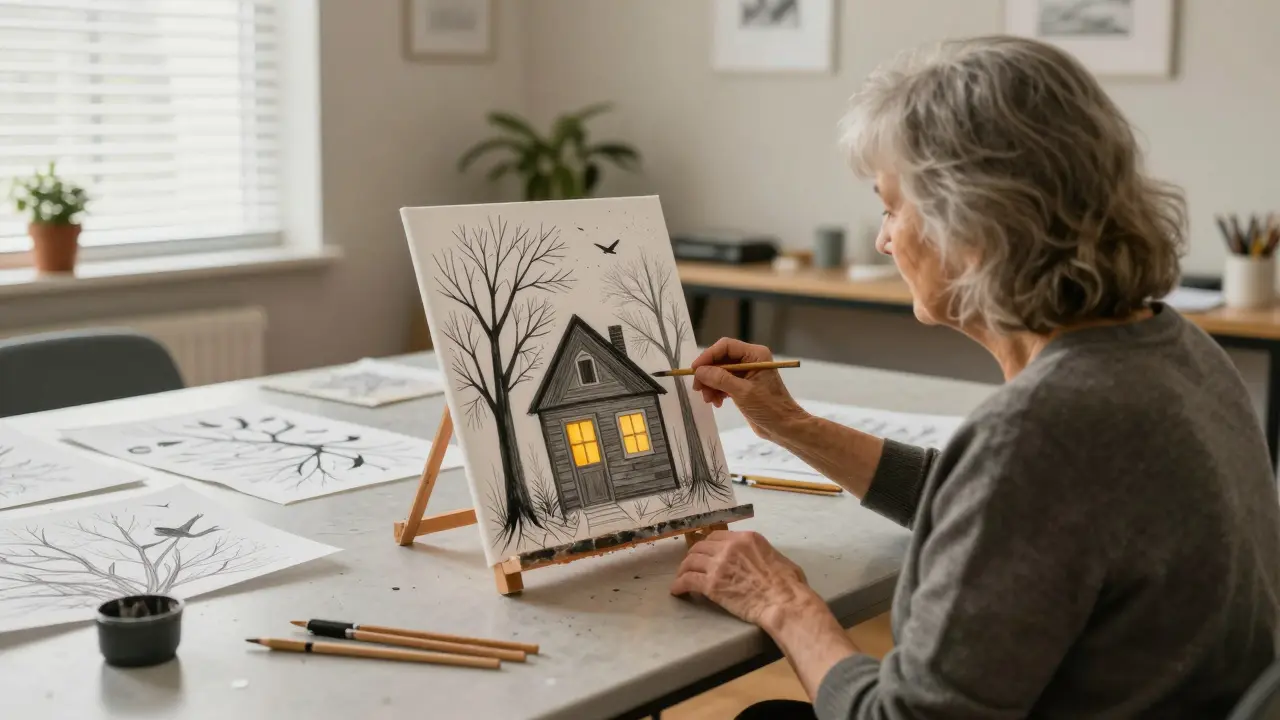
Creative Arts Therapies: A Fresh Perspective on Mental Health
- Marcus Fairchild
- Feb, 16 2026
Creative arts therapies use art, music, dance, and movement to help people heal from trauma, anxiety, and depression-without words. Backed by science and growing in use across Canada, these approaches offer a powerful alternative to traditional talk therapy.
Learn More
Creative Arts Therapies: How Art, Music, and Movement Heal the Mind
- Thomas Brighton
- Dec, 1 2025
Creative arts therapies use painting, music, dance, and writing to help people heal from trauma, anxiety, and depression when words aren't enough. Backed by science, these approaches help reconnect mind and body through expression.
Learn More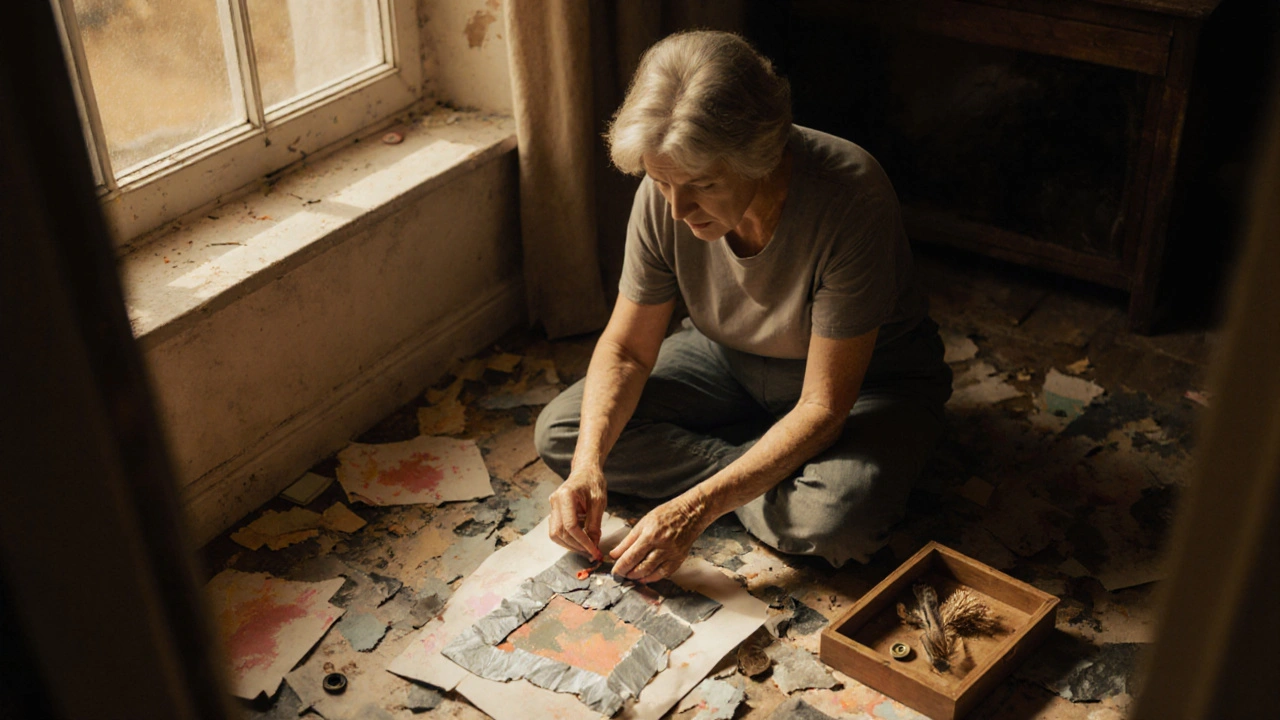
The Promising Realm of Creative Arts Therapies
- Isobel Dunbar
- Nov, 18 2025
Creative arts therapies use painting, music, dance, and drama to heal emotional pain when words fall short. Backed by science, they help people with trauma, depression, autism, and dementia find expression and relief without relying on medication.
Learn More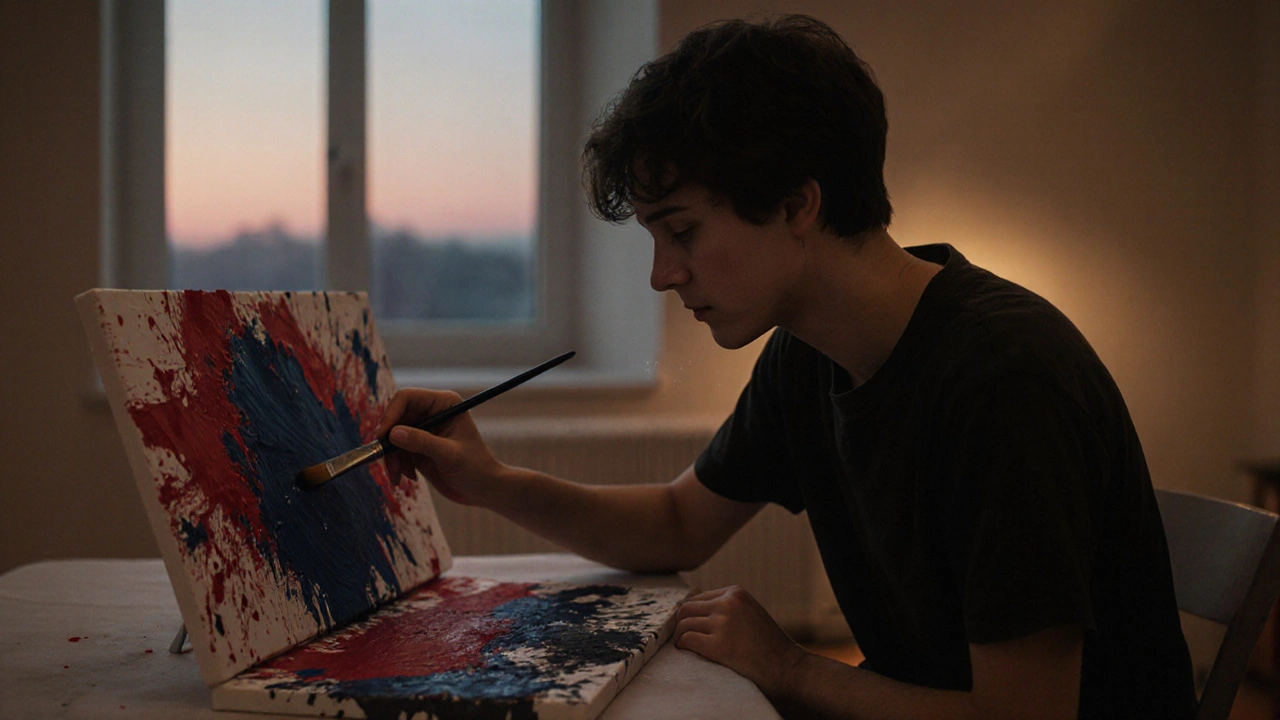
Why Creative Arts Therapies Are Essential for Holistic Health
- Arlo Sterling
- Nov, 11 2025
Creative arts therapies like art, music, and dance therapy help heal emotional and physical pain when words fall short. Backed by science, they’re essential for true holistic health.
Learn More