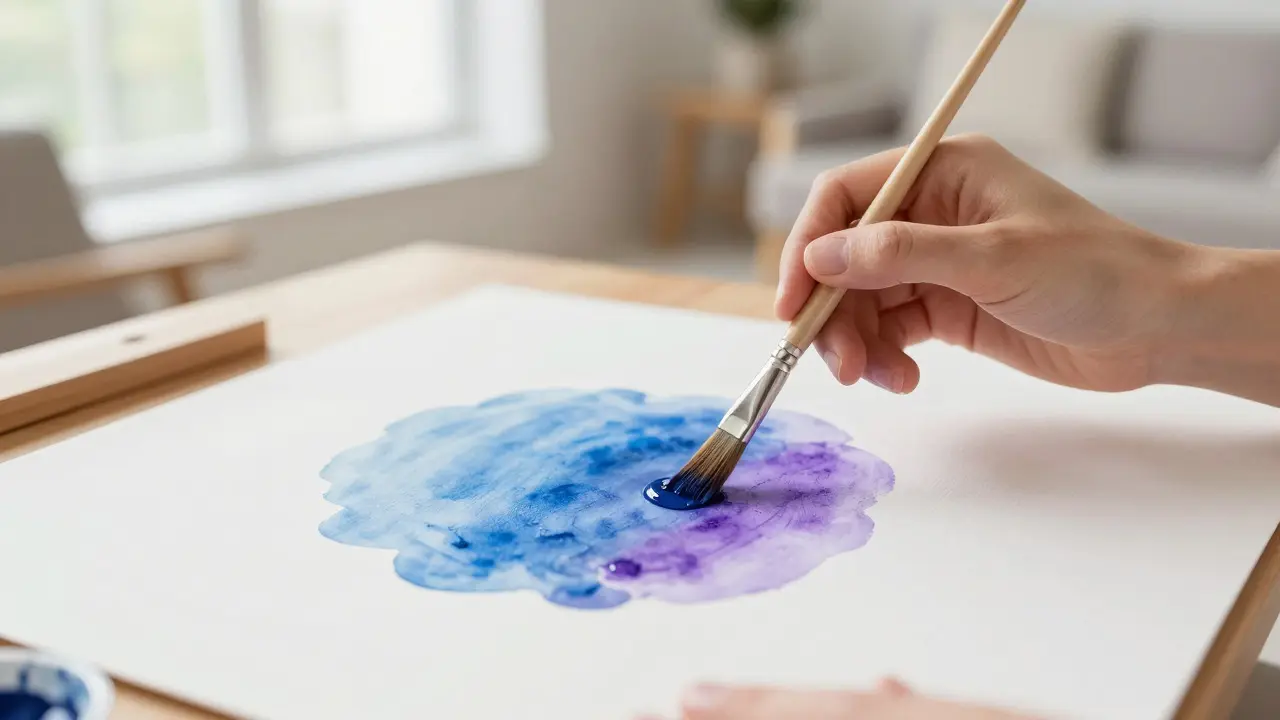
Imagine trying to explain the weight of grief using only words. For many people, language simply isn't enough. This is where Creative Arts Therapies is a collection of clinical disciplines that use artistic expression as a primary tool for healing, bypassing verbal barriers to access deep emotional truths. These modalities are no longer just niche alternatives; they are rapidly becoming standard components of comprehensive mental health care. From hospitals in Toronto to community centers in Ottawa, therapists are integrating painting, drumming, dance, and writing into treatment plans because the results speak for themselves.
The Science Behind Expression
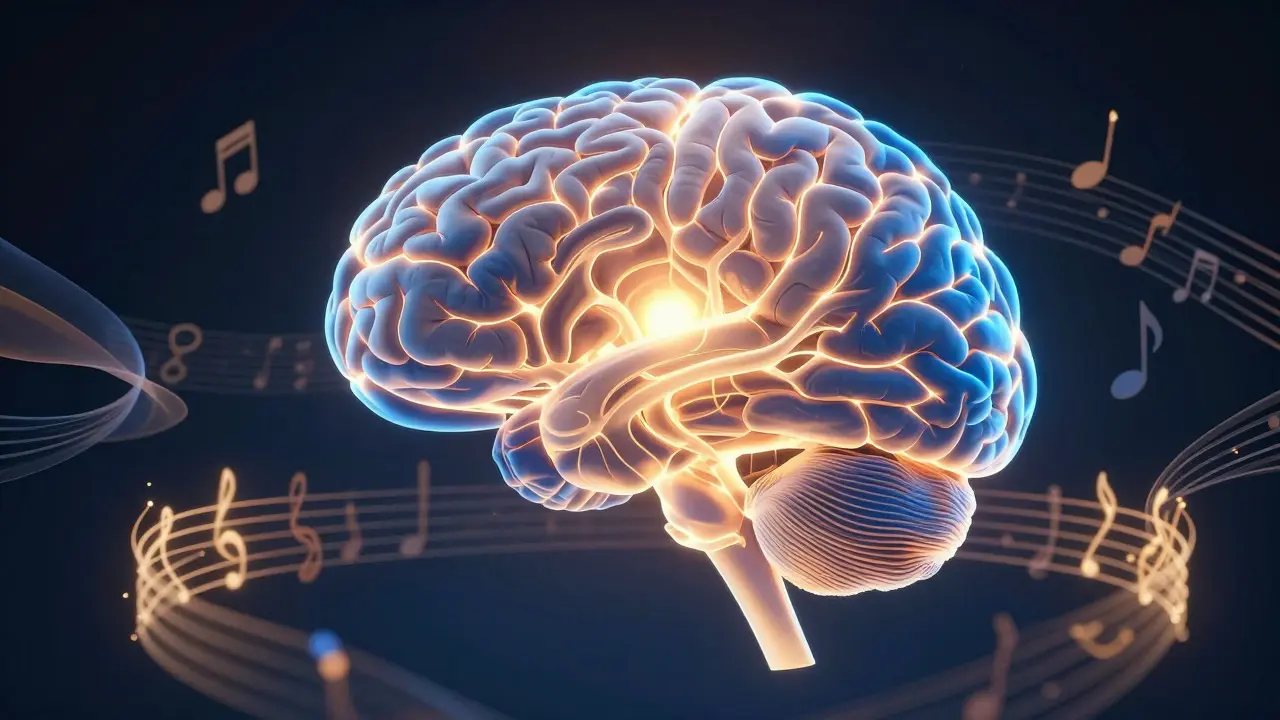
Why does making a messy watercolor painting or dancing to a rhythmic beat help with anxiety? It comes down to how the brain processes information. Traditional talk therapy relies heavily on the prefrontal cortex, the part of the brain responsible for logic and language. However, trauma and deep-seated emotions often reside in the limbic system, which operates more on feeling and sensation than on words.
Creative arts therapies bridge this gap. When you engage in an artistic process, you activate neural pathways that connect the emotional center of the brain with the cognitive center. This integration allows patients to externalize internal conflicts without needing to articulate them perfectly. Research from the American Art Therapy Association indicates that these non-verbal approaches can reduce cortisol levels by up to 30% in acute stress scenarios, providing a physiological reset that talk alone might not achieve.
Core Modalities and Their Specific Uses
"Creative arts therapies" is an umbrella term covering several distinct disciplines. Each has specific strengths depending on the patient's needs. Understanding these differences helps in choosing the right fit.
| Modality | Primary Tool | Best For | Key Benefit |
|---|---|---|---|
| Art Therapy | Painting, Sculpture, Collage | Trauma, PTSD, Anxiety | Externalizing abstract feelings into concrete images |
| Music Therapy | Singing, Instrument Play, Rhythm | Depression, Pain Management, Cognitive Decline | Regulating mood through rhythm and melody |
| Dance/Movement Therapy | Body Movement, Choreography | Body Image Issues, Social Anxiety | Reconnecting mind and body awareness |
| Drama Therapy | Role-playing, Improvisation | Communication Skills, Self-Esteem | Practicing new behaviors in a safe space |
For instance, a veteran dealing with PTSD might find it easier to express their experience through Drama Therapy role-plays than to sit and recount memories. Conversely, a child with speech delays may thrive in Art Therapy, where communication happens through color and shape rather than syntax.
Breaking Down Barriers to Access
One of the biggest hurdles in mental health care is the stigma associated with "talking about problems." Many adults feel vulnerable opening up to a stranger. Creative arts therapies lower this barrier because the focus shifts from the person to the artwork or the activity. You aren't "in trouble"; you're just making something. This shift in dynamic reduces defensiveness and encourages openness.
In Canada, particularly in cities like Ottawa and Vancouver, there has been a noticeable increase in public funding for these programs. The Canadian Association for Music Therapy reports that over 70% of its members now work in integrated healthcare settings, not just private practices. This integration means that creative therapies are increasingly covered by provincial health insurance plans when prescribed by a doctor, making them accessible to a broader demographic.
How It Differs from Hobbies
A common misconception is that creative arts therapy is just taking a pottery class or joining a choir. While both involve creativity, the intent differs significantly. In a hobby, the goal is often relaxation or skill acquisition. In therapy, the goal is clinical change.
Therapists trained in these fields guide the process. They ask questions like, "What does this color represent to you?" or "How did your body feel during that movement?" These prompts turn the creative act into a reflective practice. Without this professional guidance, the activity remains recreational. With it, it becomes therapeutic. This distinction is crucial for understanding why these sessions are billed as medical interventions rather than leisure activities.
Real-World Applications and Outcomes
Consider the case of elderly care facilities. Dementia patients often struggle with verbal communication in later stages. Music Therapy sessions have shown remarkable success in triggering long-term memory recall. A simple song from the 1950s can bring a confused patient back to a coherent state for minutes or even hours, allowing for meaningful interaction with family members. This isn't magic; it's neuroplasticity in action.
In corporate wellness programs, Expressive Writing workshops are being used to manage burnout. Employees write freely for 15 minutes about their stressors without editing. Studies show this practice improves immune function and reduces sick days. By giving permission to be messy and unstructured, these therapies give people control back over their chaotic internal states.
Choosing the Right Path for You
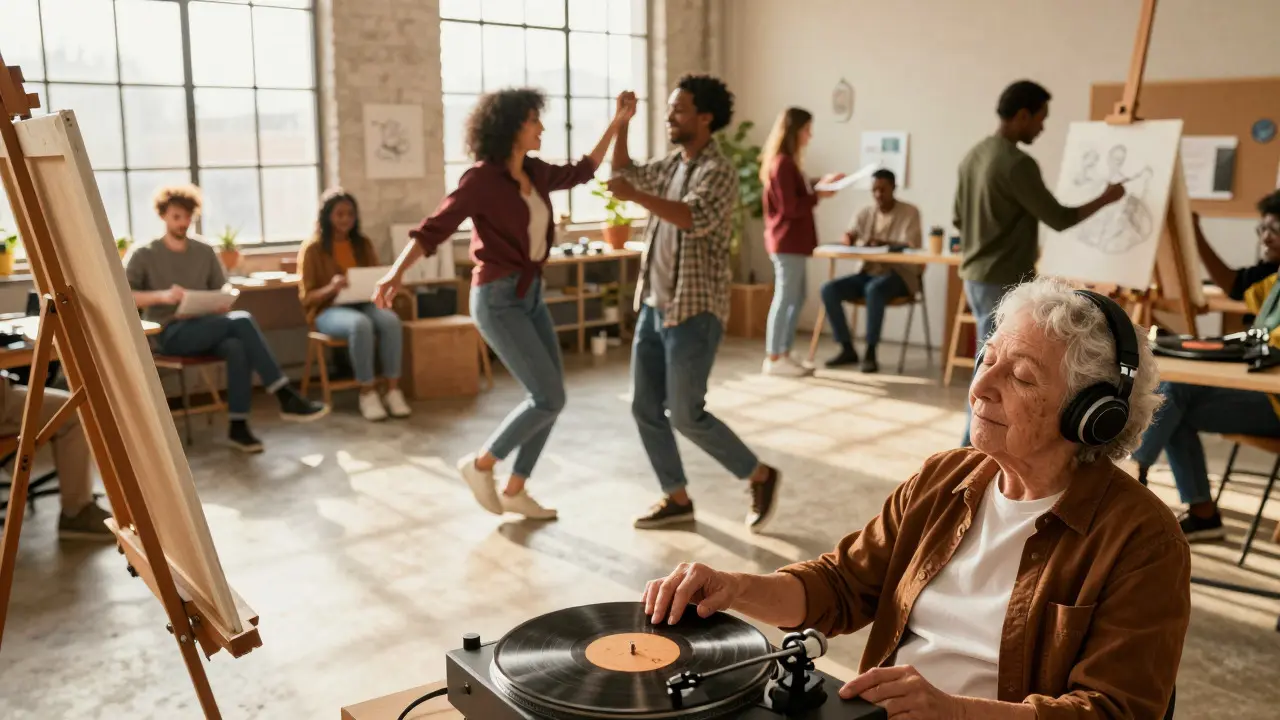
If you are considering adding creative elements to your mental health routine, start small. You don't need to commit to weekly therapy sessions immediately. Try keeping a journal where you draw instead of write. Listen to music actively, focusing on how each instrument makes you feel. Attend a local community dance class without worrying about form.
When seeking professional help, look for credentials. In Canada, ensure your therapist is registered with a national association such as the Canadian Art Therapy Association or the Canadian Association for Music Therapy. These bodies enforce strict standards of education and ethical practice. Ask potential therapists about their specific training in trauma-informed care if that is your primary concern.
Frequently Asked Questions
Do I need to be good at art to do art therapy?
No, artistic skill is irrelevant. Art therapy focuses on the process of creation and the meaning behind the choices made, not the aesthetic quality of the final product. The goal is self-expression, not creating a masterpiece.
Is creative arts therapy a replacement for medication?
Not necessarily. For many conditions, especially severe depression or bipolar disorder, medication provides a chemical baseline that allows therapy to work effectively. Creative arts therapies are often used alongside medication and traditional talk therapy to provide a holistic approach to healing.
How much does a session cost in Canada?
Costs vary by province and provider. Private sessions typically range from $80 to $150 CAD per hour. However, many hospitals, schools, and community centers offer sliding scale fees or free programs. Always check if your extended health benefits plan covers alternative therapies.
Can children benefit from these therapies?
Yes, children are often ideal candidates. Because young children may lack the vocabulary to describe complex emotions, non-verbal therapies allow them to communicate their inner world directly. Schools across Canada are increasingly hiring art and music therapists to support students with behavioral or social challenges.
What should I expect in my first session?
The first session usually involves a conversation about your goals and history, followed by a gentle introduction to the medium. You might be asked to choose colors or play a simple rhythm. There is no pressure to perform. The therapist will guide you through the process, helping you reflect on what you create or experience.