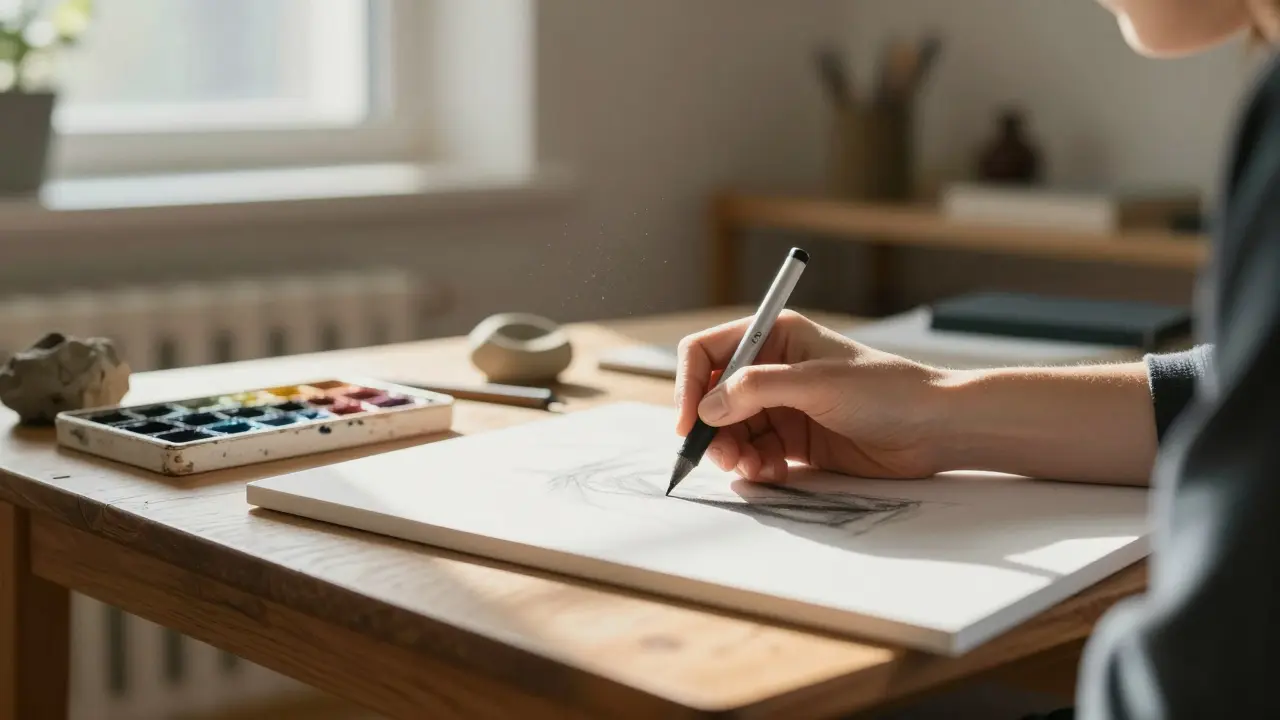
Imagine sitting in a quiet room, holding a charcoal stick, staring at a blank canvas. You don't have to be an artist. You just have to feel something. That feeling-anger, grief, confusion-is what you’re going to work with. This isn’t about making a masterpiece for a gallery. It’s about letting your inner world come out through color, sound, or movement.
This is Creative Arts Therapies, defined as a group of therapeutic approaches that use artistic media like painting, music, drama, and dance to help people process emotions, reduce stress, and improve mental health. Unlike traditional talk therapy, where words are the primary tool, these methods let you express what might be too hard to say aloud. For many, the brushstroke or the drumbeat speaks louder than any sentence ever could.
What Exactly Are Creative Arts Therapies?
People often confuse "art class" with "art therapy." The difference lies in the goal. In an art class, the focus is on technique, aesthetics, and the final product. In therapy, the focus is on the process, the emotion behind it, and how it connects to your life. A licensed therapist guides you through this process, helping you interpret what emerges without judgment.
Creative Arts Therapies generally fall into four main disciplines:
- Art Therapy: Uses visual media like drawing, painting, and sculpture.
- Music Therapy: Uses listening, singing, songwriting, and playing instruments.
- Dance/Movement Therapy (DMT): Uses body movement and dance to explore emotional states.
- Drama Therapy: Uses role-playing, improvisation, and storytelling.
These aren't just hobbies; they are evidence-based clinical practices recognized by major health organizations worldwide. They bridge the gap between the logical brain and the emotional brain, offering a holistic path to healing.
Why Words Sometimes Fail Us
Talk therapy is powerful, but it has limits. Trauma, for instance, often gets stored in non-verbal parts of the brain. When you try to describe a traumatic event, you might find yourself stumbling over words, or feeling numb. This is because the amygdala-the fear center-was activated, while the prefrontal cortex-the logic center-shut down.
Creative arts therapies bypass this blockage. When you paint a stormy sea, you aren't describing anxiety; you are externalizing it. You can look at it, touch it, and change it. This concept, known as externalization, helps create distance between you and your pain, making it easier to manage.
Consider Sarah, a veteran who struggled with PTSD. She couldn't speak about her experiences without becoming overwhelmed. In art therapy, she began creating chaotic, dark abstract pieces. Over months, her therapist helped her introduce small splashes of light into the darkness. She didn't need to explain why she chose yellow; the act itself signaled hope and safety to her subconscious mind.
The Four Pillars of Expressive Healing
Each modality within creative arts therapies offers unique benefits depending on your needs and preferences.
Art Therapy: Visualizing the Invisible
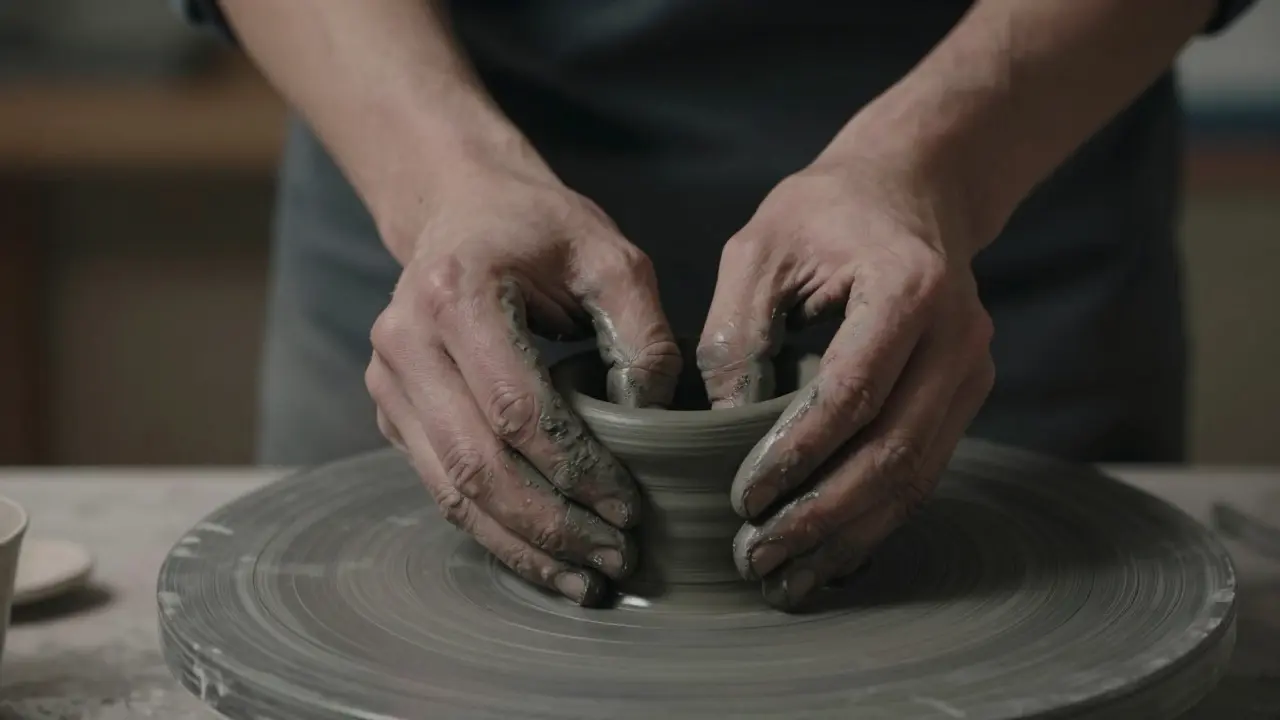
Art therapy is perhaps the most well-known form. It uses materials like clay, watercolors, and collage. Clay, for example, is excellent for anger management. The physical act of pounding and shaping clay releases tension in a safe way. Watercolors, which flow and blend unpredictably, can help people practice acceptance and control.
It’s not about whether you can draw. If you’ve held a crayon, you can do art therapy. The therapist looks for patterns, colors, and symbols that reveal underlying conflicts or strengths.
Music Therapy: Rhythm and Resonance
Music Therapy is the clinical use of music interventions to accomplish individualized goals within a therapeutic relationship. It works on two levels: receptive (listening) and active (making music).
For someone with depression, a therapist might start with slow, minor-key music to validate their sadness, then gradually shift to uplifting rhythms to encourage mood elevation. For Alzheimer’s patients, familiar songs from their youth can trigger memories that no longer exist in verbal recall. Music accesses the temporal lobe, which handles memory and emotion, often reaching places other therapies cannot.
Dance/Movement Therapy: Embodied Emotion
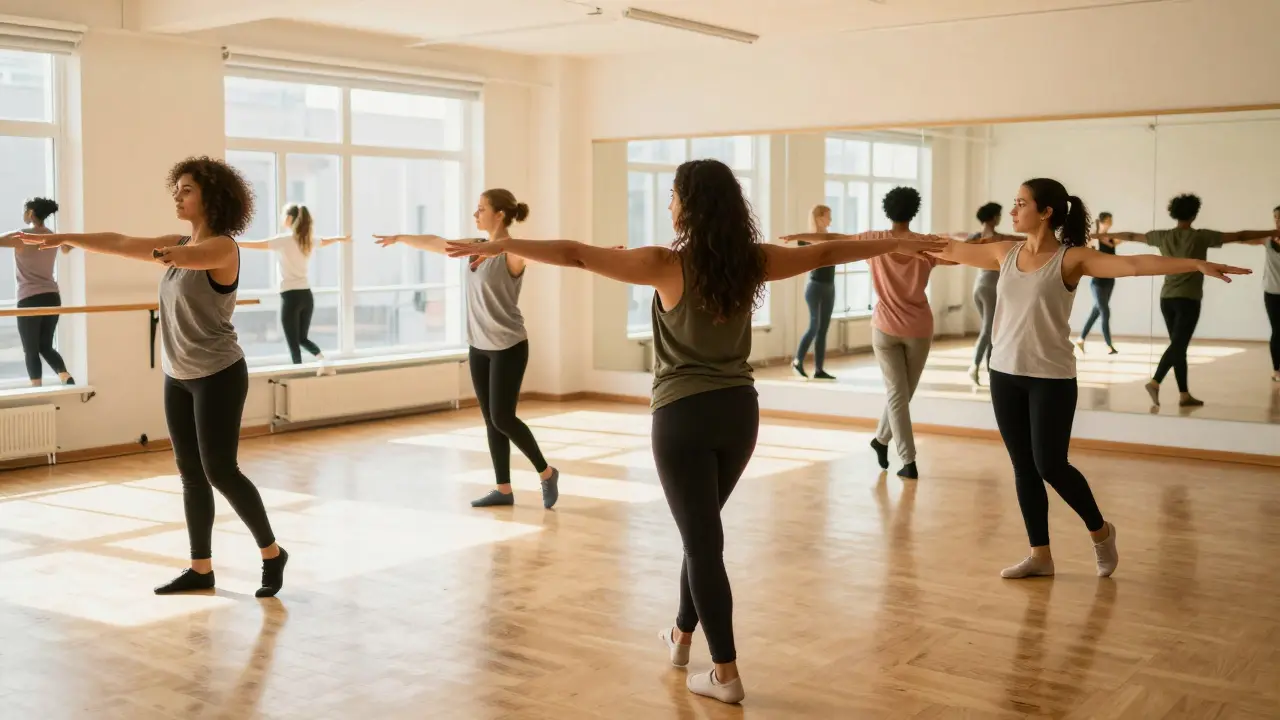
We hold our emotions in our bodies. Anger tightens the jaw; sadness slumps the shoulders. Dance Movement Therapy is a psychotherapeutic modality that uses movement and dance to further the emotional, cognitive, social, and physical integration of the individual.
In DMT sessions, you might mimic the therapist's movements or create your own dance based on how you feel. If you feel trapped, you might move in small, restricted circles. The therapist helps you expand those movements, physically experiencing freedom. This is particularly effective for trauma survivors who feel disconnected from their bodies.
Drama Therapy: Playing Out Roles
Drama therapy uses masks, puppets, and role-play. By stepping into another character’s shoes, you gain perspective on your own life. You might act out a difficult conversation with a parent using a puppet, allowing you to say things you never could in real life. This creates a safe space to rehearse new behaviors and outcomes.
| Modality | Primary Medium | Best For | Key Benefit |
|---|---|---|---|
| Art Therapy | Visuals (Paint, Clay) | Anxiety, Trauma, Self-Discovery | Externalizing internal conflicts |
| Music Therapy | Sound (Instruments, Voice) | Mood Disorders, Memory Loss, Autism | Mood regulation and memory access |
| Dance/Movement | Body Motion | Somatic Trauma, Body Image Issues | Reconnecting mind and body |
| Drama Therapy | Role-Play, Storytelling | Social Skills, Identity Confusion | Perspective-taking and rehearsal |
Who Benefits Most From These Therapies?
Creative arts therapies are versatile. They are used across all age groups and conditions. Here are some common scenarios where they shine:
- Children: Kids often lack the vocabulary to describe complex feelings. Art and play allow them to communicate naturally.
- Trauma Survivors: Non-verbal processing helps avoid re-traumatization that can happen when recounting details verbally.
- Elderly Care: Helps combat isolation and cognitive decline, especially in dementia cases.
- Corporate Burnout: Employees use short-term art sessions to decompress and regain creativity.
- Grief and Loss: Creating memorials or symbolic representations of loss aids in the mourning process.
Research supports these applications. Studies published in journals like The Arts in Psychotherapy show significant reductions in cortisol levels (stress hormone) after engaging in creative activities under therapeutic guidance.
Finding the Right Therapist
Not everyone who teaches art is a therapist. To ensure safety and efficacy, look for credentials. In many countries, including Australia and the US, you should look for board-certified professionals.
- Art Therapy: Look for ATR-BC (Art Therapy Registered-Board Certified) or equivalent national credentials.
- Music Therapy: Look for MT-BC (Music Therapist-Board Certified).
- Dance/Movement: Look for BC-DMT (Board Certified in Dance/Movement Therapy).
Ask potential therapists about their approach. Do they focus on the final artwork or the process? How do they integrate insights from the session into your daily life? A good therapist will meet you where you are, without forcing you to perform.
Getting Started: What to Expect
Your first session usually involves an intake interview. The therapist will ask about your history, goals, and comfort level with different mediums. Don’t worry if you feel awkward. Most clients feel nervous at first.
You might be given a simple prompt, such as "Draw your current state of mind" or "Move to this piece of music." There are no wrong answers. The therapist will observe and ask open-ended questions to help you reflect. Afterward, you’ll discuss what came up, linking the creative experience to real-life challenges.
Consistency matters. Like any therapy, benefits accumulate over time. You might not feel immediate relief, but you’ll likely notice subtle shifts in how you handle stress or perceive yourself after several weeks.
Common Misconceptions
One big myth is that you need talent. You don’t. In fact, worrying about being "good" at art can hinder the therapeutic process. The goal is expression, not exhibition.
Another misconception is that it’s only for children. While widely used with kids, adults benefit immensely. Many professionals use it to navigate career changes, relationship issues, or existential crises.
Finally, some think it replaces medication or traditional therapy. It doesn’t replace; it complements. Many people use creative arts therapies alongside CBT (Cognitive Behavioral Therapy) or medication for a comprehensive treatment plan.
Do I need to be artistic to benefit from art therapy?
No, artistic skill is not required. Art therapy focuses on the process of creation and self-expression, not the aesthetic quality of the final product. Anyone who can hold a brush or move their body can participate and benefit.
How long does a typical creative arts therapy session last?
Sessions typically last between 45 and 60 minutes. This allows enough time for the creative activity, processing, and discussion without causing fatigue. Frequency depends on individual needs, ranging from weekly to bi-weekly.
Is creative arts therapy covered by insurance?
Coverage varies by provider and region. In many places, licensed creative arts therapists are considered mental health providers, so insurance may cover sessions if diagnosed with a covered condition. Always check with your insurer and the therapist beforehand.
Can creative arts therapies help with anxiety?
Yes, significantly. Engaging in creative flow states lowers heart rate and cortisol levels. Techniques like rhythmic drumming or repetitive drawing patterns can induce calm and provide a healthy outlet for anxious energy.
What is the difference between recreational art and art therapy?
Recreational art focuses on skill-building and enjoyment. Art therapy is a clinical intervention guided by a trained professional to address specific psychological goals, such as trauma recovery or emotional regulation. The therapeutic relationship is key.