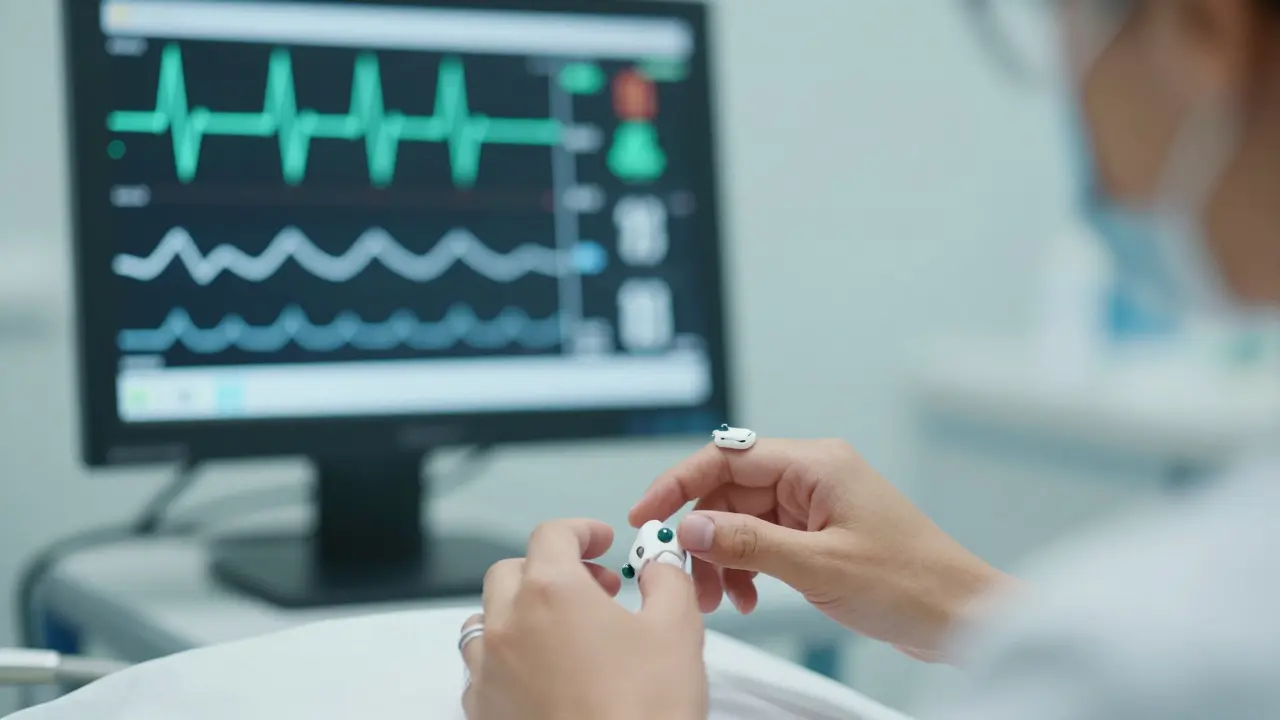
At its core, Biofeedback Therapy is a mind-body technique that uses electronic monitoring to teach you how to control your own physiological responses. By seeing a visual or auditory representation of your body's functions, you can learn to lower your blood pressure, slow your heart rate, or relax your muscles through mental effort. It's not magic; it's basically a high-tech way of training your brain to talk to your body more effectively.
The Essentials: How the Process Actually Works
You don't just sit in a chair and hope for the best. A biofeedback session involves sensors placed on your skin. These sensors don't send electricity into your body; they only listen. They pick up tiny electrical signals or physical changes and send them to a computer. When you see a line jump on a screen because you're thinking about a stressful email, you've just received "feedback." The goal is then to use breathing or mental imagery to make that line go back down.
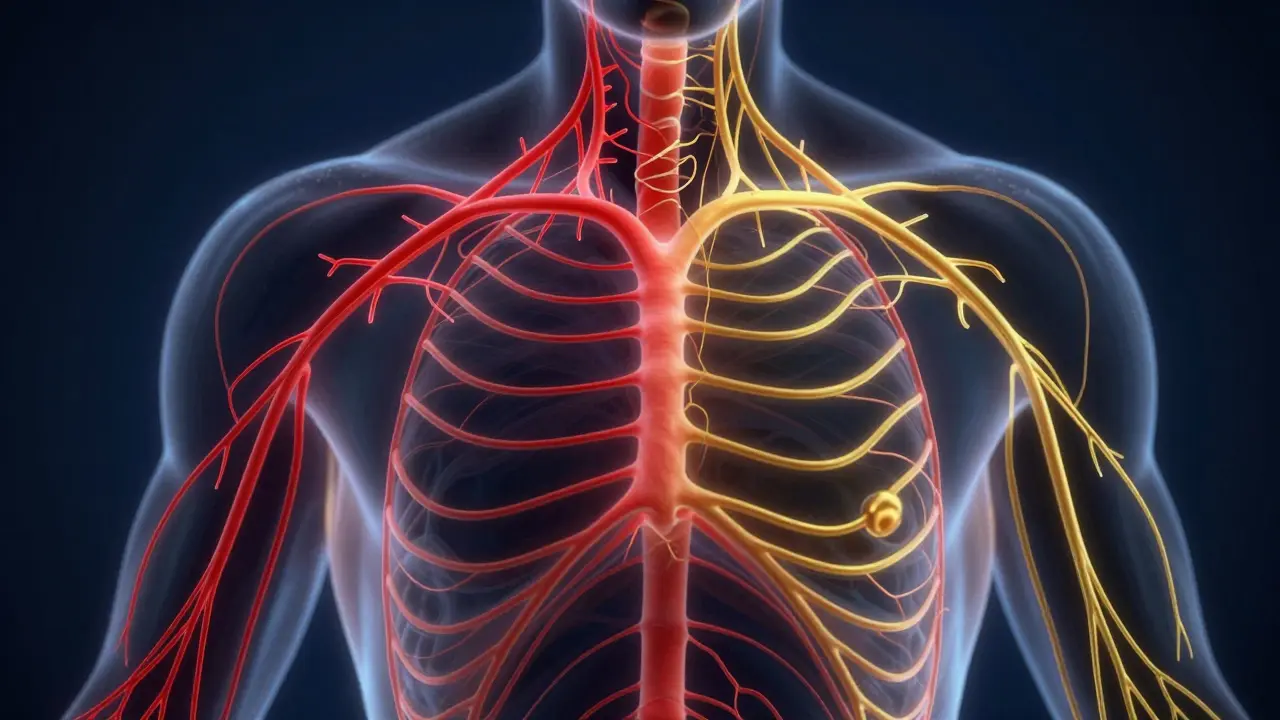
This process targets the Autonomic Nervous System is the part of the nervous system responsible for involuntary functions like heart rate, digestion, and the stress response. Specifically, biofeedback helps you move from a state of "fight or flight" (the sympathetic nervous system) into a state of "rest and digest" (the parasympathetic nervous system). If you've ever felt your heart race before a presentation, you've experienced the sympathetic system taking over. Biofeedback teaches you how to manually override that switch.
| Type of Biofeedback | What is Measured | Primary Use Case |
|---|---|---|
| Thermal Biofeedback | Skin Temperature | Raynaud's disease, migraine relief |
| EMG Biofeedback | Muscle Tension | Chronic pain, tension headaches |
| HRV Biofeedback | Heart Rate Variability | Anxiety, PTSD, emotional regulation |
| Neurofeedback | Brainwave Activity (EEG) | ADHD, insomnia, peak performance |
Taming Anxiety and Panic Attacks
For people dealing with chronic anxiety, the body often feels like it's betrayed them. Your palms sweat, your chest tightens, and your breath becomes shallow, often without an obvious trigger. This creates a loop: the physical symptoms cause more anxiety, which in turn worsens the symptoms. This is where biofeedback therapy breaks the cycle.
By focusing on Heart Rate Variability (HRV) is the variation in time between each heartbeat, which serves as a marker for the body's ability to handle stress, patients can learn to enter a state of coherence. When your heart rhythm becomes smooth and sine-wave-like, it sends a signal to the brain that you are safe. This doesn't just mask the anxiety; it physically resets the nervous system's threshold for stress, making you less likely to trigger a panic response in the future.
Ending the Cycle of Chronic Pain and Headaches
Chronic pain is rarely just about a physical injury; it's often compounded by how our muscles react to that pain. If you have a chronic back ache, you likely tense your shoulders without knowing it. This creates a secondary layer of pain. Electromyography (EMG) is a technique used to record the electrical activity of muscle fibers. When used in biofeedback, EMG allows you to "see" the tension in your trapezius or jaw muscles.
Think of it like a gym for your awareness. You might think you're relaxed, but the EMG sensor shows your muscle activity is actually at 40% of its maximum. Once you see that, you can consciously release the tension. Over time, your brain develops a new habit. Instead of defaulting to tension, you start noticing the tightness the moment it begins and release it before it turns into a full-blown tension headache or a debilitating migraine.
Improving Focus and Mental Clarity with Neurofeedback
While some biofeedback focuses on the body, Neurofeedback is a specialized form of biofeedback that monitors brainwave patterns using an EEG. It's frequently used for people with ADHD is a neurodevelopmental disorder characterized by persistent patterns of inattention and hyperactivity. In a typical session, a patient might play a simple computer game using only their brainwaves. If they focus, the game progresses; if their mind wanders, the game stops.
This provides an immediate reward system for the brain. It's effectively "operant conditioning" for your neurons. By rewarding the brain for producing the frequencies associated with focus (like Beta waves) and discouraging those associated with daydreaming or drowsiness (like Theta waves), patients can improve their concentration without relying solely on medication. It's a way of teaching the brain how to regulate itself for better cognitive performance.
Sleep Quality and the Power of Relaxation
Insomnia is often caused by a brain that refuses to "power down." You lie in bed, but your mind is racing, and your body remains in a state of high alert. Biofeedback helps by teaching the body the specific physiological markers of sleep readiness. Thermal biofeedback is particularly useful here. When you are stressed, blood flow moves away from your extremities (your hands and feet) and toward your core-a relic of our ancestral "fight or flight" response.
By learning to consciously warm your hands, you are effectively signaling to your brain that there is no danger. This shift in blood flow is a physical marker of relaxation. When you combine this with diaphragmatic breathing, you lower your cortisol levels and make it significantly easier to drift into a deep, restorative sleep. It turns the elusive "trying to relax" into a concrete skill you can practice.

Practical Tips for Starting Your Journey
If you're considering this therapy, don't expect an overnight cure. It's a skill, much like learning a language or an instrument. You'll need consistent practice to move from the clinic's machines to being able to regulate your body anywhere-whether it's in a boardroom or during a flight. Look for certified practitioners who use validated equipment and provide a clear plan for your progression.
- Start with a baseline: Get a professional assessment to see which physiological markers (HRV, EMG, etc.) are most reactive to your stress.
- Combine methods: Biofeedback works best when paired with Cognitive Behavioral Therapy (CBT) to address the thoughts triggering the physical responses.
- Use home tools: Many people now use wearable devices that track HRV to practice their breathing techniques between professional sessions.
- Focus on consistency: 15 minutes of daily practice is far more effective than one long session every two weeks.
Is biofeedback the same as a massage or meditation?
Not exactly. Massage is a passive treatment where someone else relaxes your muscles. Meditation is a mental practice. Biofeedback is active and data-driven. It uses technology to show you exactly what is happening in your body so you can learn to change it yourself. It's more like a training tool than a treatment.
Does biofeedback have side effects?
It is generally considered very safe because it is non-invasive. The most common "side effect" is a temporary feeling of fatigue after a session, as your body finally lets go of long-term tension. In rare cases, people with severe psychiatric disorders may find the focus on internal sensations overwhelming, so it's important to work with a licensed professional.
How many sessions does it typically take to see results?
Results vary, but most people start noticing a difference in their ability to relax after 5 to 10 sessions. The key is the transition from the clinic to real life. The real "win" happens when you can trigger a relaxation response during a stressful moment without needing a computer screen to guide you.
Can I use biofeedback for blood pressure?
Yes, it is often used for hypertension. By reducing the overall activity of the sympathetic nervous system and decreasing muscle tension, many patients can lower their systemic blood pressure. However, it should be used as a complementary therapy alongside medical advice and medication if prescribed by a doctor.
Is neurofeedback a form of brainwashing?
Absolutely not. Neurofeedback doesn't "program" your thoughts or change your personality. It simply rewards your brain for hitting a certain electrical frequency. It's like a mirror for your brainwaves; you see what's happening and your brain naturally adjusts to find a more efficient state of functioning.
Next Steps for Different Needs
If you are a high-stress professional, your priority should be HRV biofeedback. It's the fastest way to regain emotional control during a chaotic workday. Start by looking for a therapist who specializes in "autonomic regulation."
For athletes or performers, focus on Neurofeedback or EMG. Learning to enter the "flow state"-where your brainwaves are optimized for peak performance-can provide a competitive edge that physical training alone cannot offer.
If you're struggling with chronic pain, seek out a physical therapist who integrates EMG biofeedback into their practice. This ensures that you aren't just treating the symptom, but retraining the muscular habits that keep the pain alive.