Physiological Monitoring: Track Your Body’s Signals for Better Health
When you think about health, you probably think about how you feel—tired, stressed, energized. But what if you could see what’s happening inside your body in real time? That’s where physiological monitoring, the practice of measuring biological signals like heart rate, breathing, and skin response to track health. Also known as biometric tracking, it turns vague feelings into clear data you can act on. It’s not just for athletes or hospitals anymore. Everyday people are using simple tools to catch stress before it crashes their sleep, spot early signs of burnout, or see how their diet affects their energy.
One of the most powerful tools in physiological monitoring is heart rate variability, the natural change in time between heartbeats, which reflects how well your nervous system handles stress. High variability? Your body’s resilient. Low variability? Your system is overloaded. Then there’s biofeedback, a method that uses real-time data to teach you how to calm your body, like slowing your breathing when your heart rate spikes. You don’t need a lab. Apps and wearables now give you this info in minutes. People track their sleep patterns, notice their cortisol spikes after scrolling at night, or realize their afternoon crash isn’t just caffeine withdrawal—it’s their body screaming for movement.
What you’ll find in these posts isn’t theory. It’s real stories: how someone used breathing cues to stop panic attacks, how a parent tracked their child’s stress during exams, how a nurse used skin conductance to manage shift fatigue. These aren’t gadgets for geeks—they’re practical tools for anyone who’s ever wondered, Why do I feel this way? The posts cover how to start simple, what to ignore, and which data actually matters. You’ll learn how to read your body’s signals without getting lost in numbers, and how to turn that insight into real changes—better sleep, less anxiety, more steady energy.
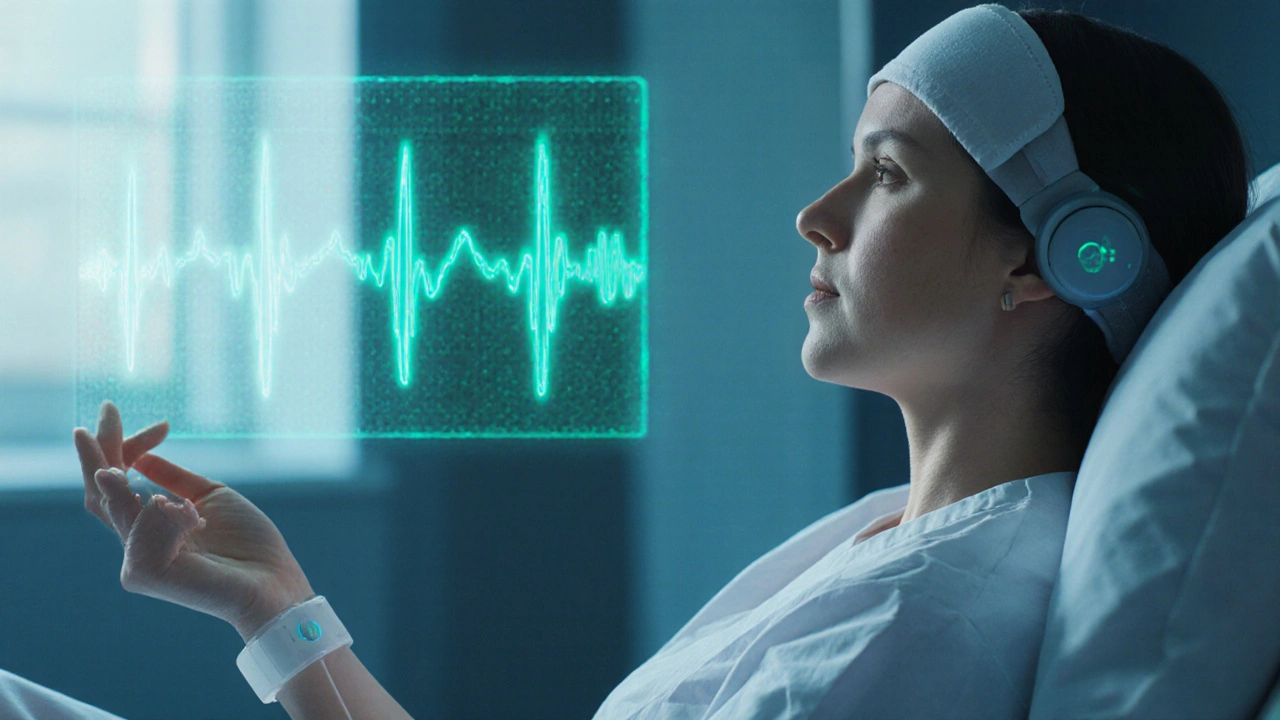
How Biofeedback is Making Waves in Healthcare
- Jason Blackwood
- Nov, 10 2025
Biofeedback is revolutionizing healthcare by helping people control their body's stress responses using real-time data. From reducing anxiety to managing chronic pain, it's a proven, drug-free tool gaining traction in clinics and homes alike.
Learn More