Brain Changes: How Lifestyle Shapes Your Mind and Mood
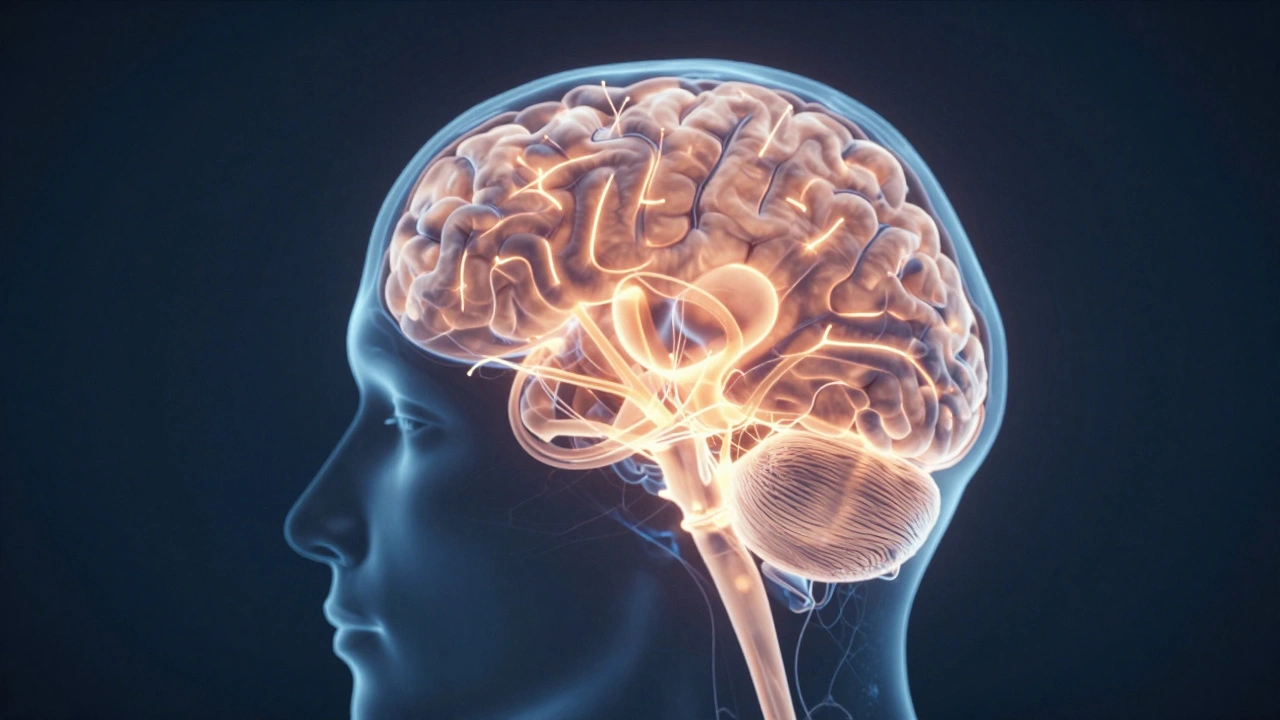
When you hear brain changes, the brain's ability to rewire itself through experience, learning, and behavior. Also known as neuroplasticity, it isn’t something that only happens after injury or in therapy—it’s happening right now, as you read this. Your brain isn’t a fixed machine. It’s a living, adapting system shaped by everything from your morning coffee to how you handle stress. And the good news? You have more control over those changes than you think.
Think about biofeedback, a technique that uses real-time data from your body to help you learn how to control stress responses. People use it to lower heart rate, ease chronic pain, or quiet anxiety by seeing their own body signals on a screen. It works because it teaches your brain to recognize and change patterns it didn’t even know it had. Same goes for creative arts therapies, using art, music, or movement to express emotions when words fail. Studies show these methods don’t just make people feel better—they physically alter activity in areas of the brain tied to emotion and memory. Even something as simple as five minutes of deep breathing can shift brainwave patterns, reducing the fight-or-flight response and strengthening calm centers.
It’s not magic. It’s biology. What you eat affects your gut, and your gut talks directly to your brain through the gut-brain axis, the two-way communication system linking digestion and mental health. A snack high in sugar might give you a quick boost, but it can spike inflammation and dull focus over time. On the flip side, foods rich in omega-3s, fiber, and antioxidants support brain structure and function. And if you’re feeling overwhelmed, meditation or aromatherapy with lavender isn’t just soothing—it’s literally quieting down overactive stress circuits in your brain.
You don’t need a PhD to influence your brain changes. You just need awareness. Whether it’s choosing a snack that steadies your energy, trying a 10-minute guided body scan before bed, or picking up a paintbrush to let out emotions you can’t name—these are all tools that reshape your brain over time. The posts below show you exactly how these practices work, who uses them, and why they stick. No hype. No guesswork. Just real ways your daily choices add up to a calmer, sharper, more resilient mind.
Health Benefits of Mindfulness: More Than Just Stress Relief
- Isobel Dunbar
- Dec, 2 2025
Mindfulness offers more than stress relief-it improves immune function, reduces chronic pain, enhances sleep, boosts focus, and lowers blood pressure. Learn how daily practice creates real, measurable health benefits.
Learn More