Healthy Snack Checker
Check Your Snack
Enter a snack name or product to see if it aligns with food pyramid principles. Avoid hidden sugars and processed ingredients.
Most people think of chips, candy bars, and sugary granola bars when they hear "snacks." But if you look closely at the food pyramid - the real one, not the outdated cartoon version - the best snacks aren’t found in the processed food aisle. They’re hiding in plain sight: in the fridge, the pantry, and even the produce section. These aren’t trendy superfoods or expensive organic labels. They’re simple, real foods that give you energy without the crash, satisfy hunger without the guilt, and actually support your health over time.
What the Food Pyramid Really Says About Snacks
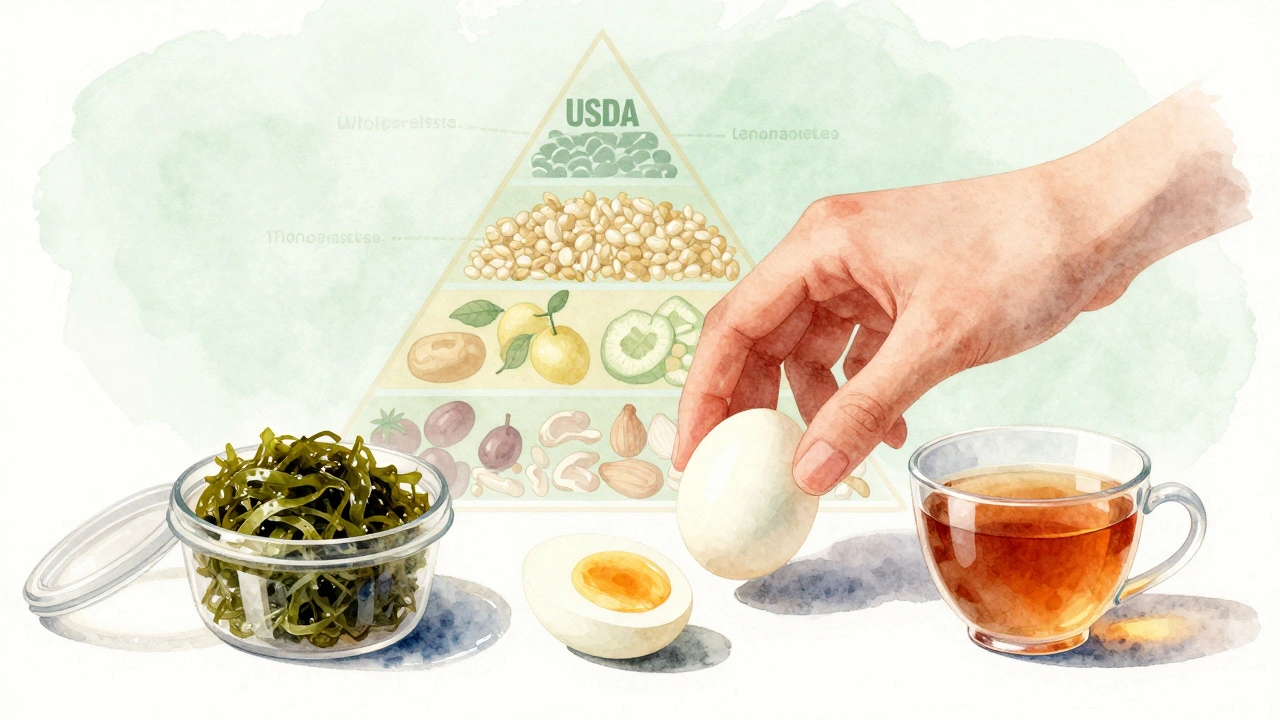
The modern food pyramid, updated by health agencies like the USDA and WHO, puts whole plant foods at the base. That means vegetables, fruits, whole grains, legumes, nuts, and seeds aren’t just "good for you" - they’re the foundation. Snacks that come from these groups aren’t add-ons. They’re the main event. The pyramid doesn’t list "snacks" as a category because it doesn’t need to. Healthy eating isn’t about meal times. It’s about what you eat, when you eat it.
Think of your body like a car. You wouldn’t fill a high-performance engine with low-grade fuel and expect it to run smoothly. Your body runs on the same principle. A handful of almonds doesn’t just fill your stomach - it gives you healthy fats, protein, and fiber that stabilize blood sugar. A sliced apple with a spoon of natural peanut butter? That’s a slow-release energy combo that keeps you focused for hours. These aren’t snacks you eat between meals. They’re fuel you choose because they work with your body, not against it.
The Hidden Gems You’re Probably Skipping
Let’s cut through the noise. You don’t need kale chips or protein balls made with dates and coconut oil. Here are five real, underused snacks that actually match the food pyramid’s design:
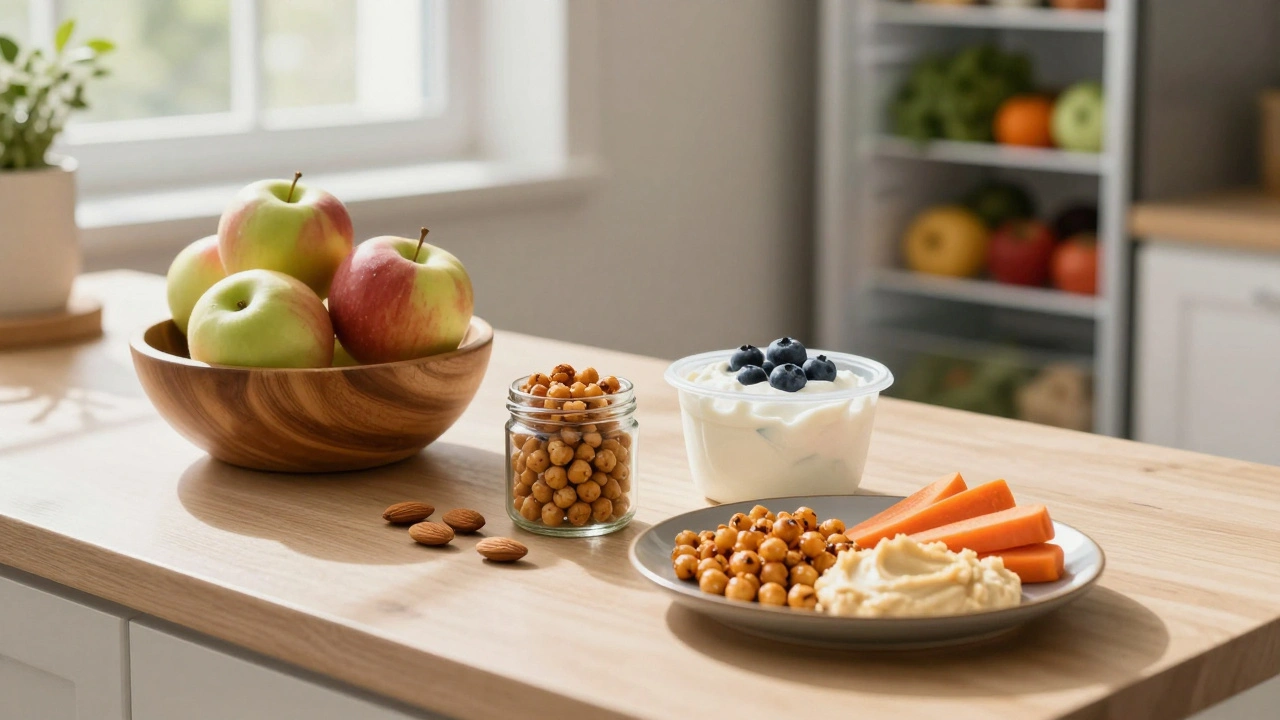
- Roasted chickpeas - Not the sweet, sugary kind. Just chickpeas tossed in olive oil, smoked paprika, and salt, then roasted until crispy. One cup gives you 15 grams of protein and 12 grams of fiber. They’re crunchy like popcorn, but they actually nourish you.
- Plain Greek yogurt with berries - Skip the flavored stuff. It’s full of added sugar. Buy plain, full-fat Greek yogurt and mix in a handful of frozen blueberries. The probiotics support gut health, the protein keeps you full, and the antioxidants fight inflammation.
- Hard-boiled eggs - Boil a batch on Sunday. Eat one with a sprinkle of sea salt and black pepper. Each egg has 6 grams of high-quality protein and choline, which helps your brain function. They’re portable, cheap, and take zero prep.
- Seaweed snacks - Thin, crispy sheets of roasted nori. Low in calories, rich in iodine, and full of minerals like magnesium and zinc. They satisfy the craving for salty crunch without the sodium overload of chips.
- Raw vegetables with hummus - Carrots, cucumber, bell peppers, and celery dipped in homemade hummus. No processed dips. Just blended chickpeas, tahini, lemon, and garlic. The fiber from the veggies and the healthy fats from the tahini work together to slow digestion and keep you satisfied.
These aren’t fancy. They’re not marketed with influencers or fancy packaging. But they’re the snacks that people who eat well for decades actually eat. They’re the ones you find in lunchboxes of teachers, in the fridges of nurses working 12-hour shifts, and in the pantries of people who’ve stayed healthy past 70.
Why Most "Healthy" Snacks Are a Scam
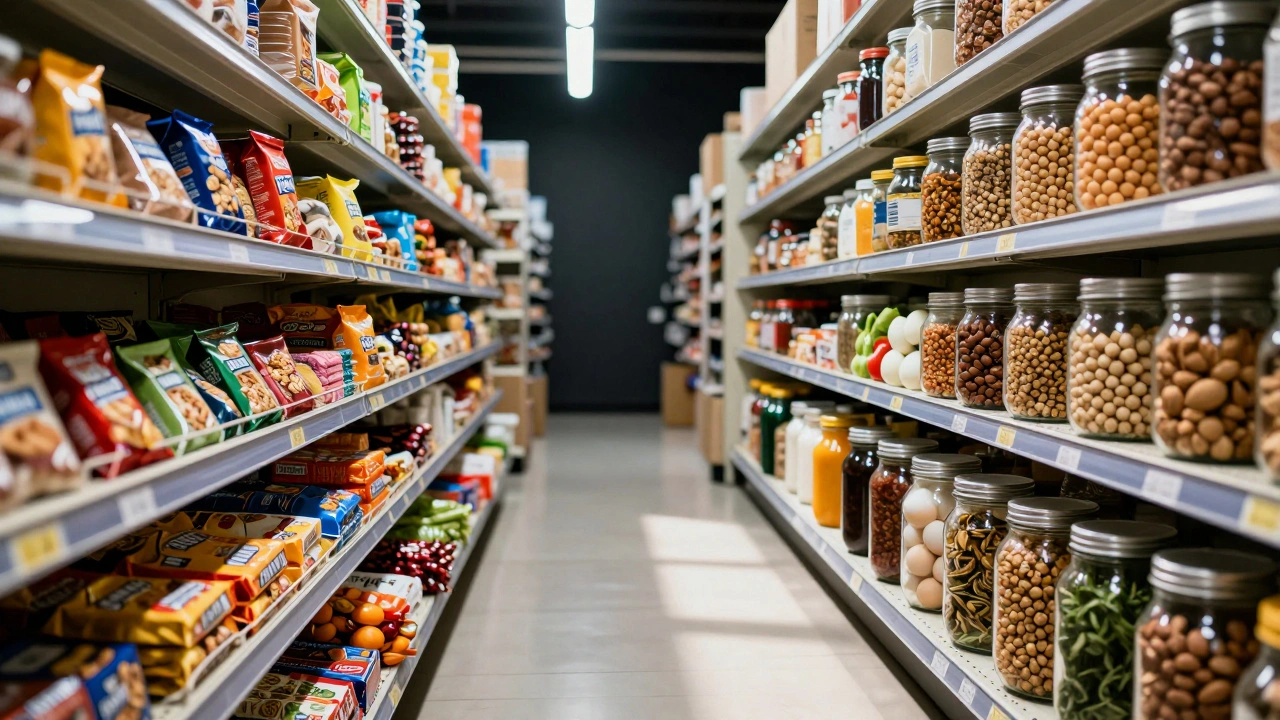
The snack aisle is full of products labeled "natural," "organic," or "gluten-free." But if the ingredient list has more than five things you can’t pronounce, it’s not a snack - it’s a processed food pretending to be healthy. Take granola bars, for example. A popular brand lists cane sugar, corn syrup, and soy protein isolate as top ingredients. That’s sugar, sugar, and industrial protein. Even if it says "no artificial flavors," it’s still sugar with a side of fiber.
Another trap: fruit snacks. They’re made from fruit juice concentrate, which is basically sugar with a hint of flavor. A single pouch can have as much sugar as a candy bar. And don’t fall for the "no added sugar" label on yogurt. That just means the sugar came from fruit, not from a sugar packet - but it’s still sugar. Your body doesn’t care where it came from. It still spikes your insulin.
The real test? Look at the ingredient list. If sugar (in any form) is listed before the main ingredient, walk away. If there’s a long list of additives, preservatives, or emulsifiers, it’s not food. It’s food-like material.
How to Build a Snack Routine That Works
Healthy snacking isn’t about willpower. It’s about setup. If your snacks are hard to reach, you won’t eat them. If your junk food is easy to grab, you will.
Here’s how to make healthy snacking automatic:
- Prep on weekends. Wash and chop veggies. Boil eggs. Portion out nuts and seeds into small containers. Make a big batch of hummus. Do this once a week, and you’ll have snacks ready to grab.
- Keep snacks visible. Put a bowl of apples on the counter. Store pre-portioned nuts in a jar on the kitchen shelf. Put yogurt in the front of the fridge. Out of sight = out of mind.
- Don’t buy junk. If it’s not in the house, you won’t eat it. That doesn’t mean you never have treats. It means you don’t keep them as default options.
- Listen to hunger. Are you actually hungry? Or just bored, stressed, or thirsty? Drink a glass of water first. Wait 10 minutes. If you’re still hungry, reach for a real food snack.
People who snack well don’t have perfect diets. They just have systems. They don’t rely on motivation. They rely on environment.
Real People, Real Results
In Melbourne, a study by the Baker Heart and Diabetes Institute tracked 200 adults who replaced their afternoon sugary snacks with whole-food alternatives for eight weeks. The results? Average weight loss of 2.3 kg, improved energy levels, and better blood sugar control. Not one person followed a diet. They just swapped one snack for another.
One participant, a 42-year-old office worker, switched from a chocolate bar and soda at 3 p.m. to a hard-boiled egg and a small apple. Within two weeks, her afternoon headaches disappeared. She stopped reaching for the vending machine. She didn’t feel deprived. She just felt better.
Another, a 68-year-old retiree, started snacking on seaweed and roasted chickpeas instead of crackers. Her blood pressure dropped by 8 points in six weeks. Her doctor asked if she’d started medication. She hadn’t. She just changed her snacks.
What to Avoid at All Costs
Some snacks are worse than others. Here’s the short list of ones to skip:
- Trail mix with candy pieces - It’s not a snack. It’s candy with nuts.
- Granola bars with chocolate chips - Sugar is the first ingredient.
- Flavored yogurt - Even "low-fat" versions are loaded with sugar.
- Popcorn with butter flavoring - Often contains artificial diacetyl and trans fats.
- Protein bars with more sugar than protein - Check the label. If sugar grams are higher than protein grams, it’s not a protein bar.
These aren’t "bad" because they’re unhealthy. They’re bad because they trick you into thinking you’re making a healthy choice. They’re designed to feel like snacks but act like desserts.
Final Thought: Snacks Are Part of Your Health
Healthy eating isn’t about perfection. It’s about consistency. And snacks are where most people stumble - or succeed. You don’t need to eat perfectly at breakfast, lunch, and dinner. But if your snacks are full of sugar, salt, and chemicals, they’ll undo the good work you do at your meals.
The food pyramid isn’t a suggestion. It’s a blueprint. And the best snacks? They’re the ones that look like real food. No labels. No marketing. Just what nature gives you - chopped, roasted, boiled, or dipped. That’s not a diet. That’s how people actually stay healthy.
What are the best healthy snacks for weight loss?
The best snacks for weight loss are high in protein and fiber, low in added sugar, and filling without being calorie-dense. Examples include hard-boiled eggs, plain Greek yogurt with berries, roasted chickpeas, and raw veggies with hummus. These snacks stabilize blood sugar, reduce cravings, and keep you full longer - all key to losing weight without feeling hungry.
Are nuts a good snack for people with diabetes?
Yes, unsalted raw or dry-roasted nuts are excellent for people with diabetes. Almonds, walnuts, and pistachios have a low glycemic index and contain healthy fats, protein, and fiber that help slow sugar absorption. A small handful (about 1 ounce) has minimal impact on blood glucose and can even improve insulin sensitivity over time.
Can I eat fruit as a snack if I’m trying to cut sugar?
Absolutely. Whole fruit is different from added sugar. It comes with fiber, water, and nutrients that slow down sugar absorption. An apple or a handful of berries won’t spike your blood sugar like a candy bar. Stick to whole fruit, not juice or dried fruit, which is concentrated sugar without the fiber.
How do I stop craving junk food snacks?
Cravings often come from blood sugar crashes or habit. Replace sugary snacks with protein and fat-rich options like nuts, yogurt, or hard-boiled eggs. Stay hydrated - thirst is often mistaken for hunger. And give your body time to adjust. Within 2-3 weeks of eating real food snacks, your cravings will naturally decrease as your body learns to expect real fuel.
Is it okay to snack at night?
Yes, if you’re genuinely hungry. A light, protein-rich snack like a small serving of cottage cheese or a few almonds won’t disrupt sleep. Avoid sugary or heavy foods close to bedtime, as they can cause digestion issues or energy spikes. The key is listening to your body, not the clock.