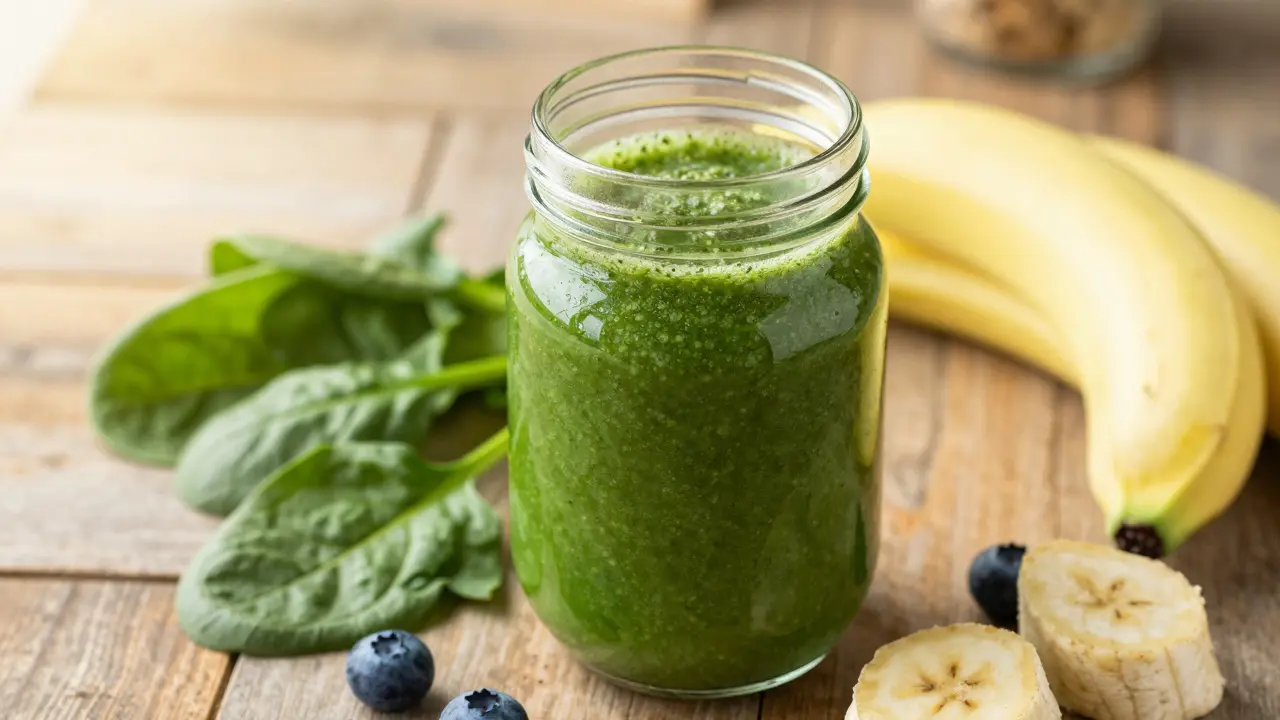
You wake up tired. Your skin looks dull. You reach for a coffee that barely kicks in by noon. Sound familiar? Many people turn to green smoothies as a quick fix-a vibrant green drink promised to cleanse the body, boost energy, and reset digestion. But does blending spinach into your morning oats actually work? Or is it just another wellness trend wrapped in hype?
The truth sits somewhere in the middle. Green smoothies aren’t magic potions. They won’t magically "detox" your liver or kidneys-your body already does that brilliantly on its own. But they are one of the easiest ways to pack a day’s worth of vegetables into a single glass. If you struggle to eat enough greens, these drinks can bridge the gap between where you are and where you want to be nutritionally.
Key Takeaways
- Green smoothies increase vegetable intake but do not replace whole foods entirely.
- The term "detox" is misleading; your liver and kidneys handle toxin removal naturally.
- Fiber content depends heavily on whether you blend whole fruits/veggies or use juices.
- Sugar spikes happen when recipes rely too much on bananas or mangoes without balancing with leafy greens.
- Consistency matters more than perfection-aim for daily inclusion rather than occasional indulgence.
What Exactly Is a Green Smoothie?
A green smoothie is a blended beverage made primarily from leafy greens, fruits, and liquid bases like water, almond milk, or coconut water. Unlike green juice, which extracts only the liquid and removes pulp, a smoothie retains all the fiber from the ingredients. This distinction matters because fiber slows down sugar absorption and keeps you fuller longer.
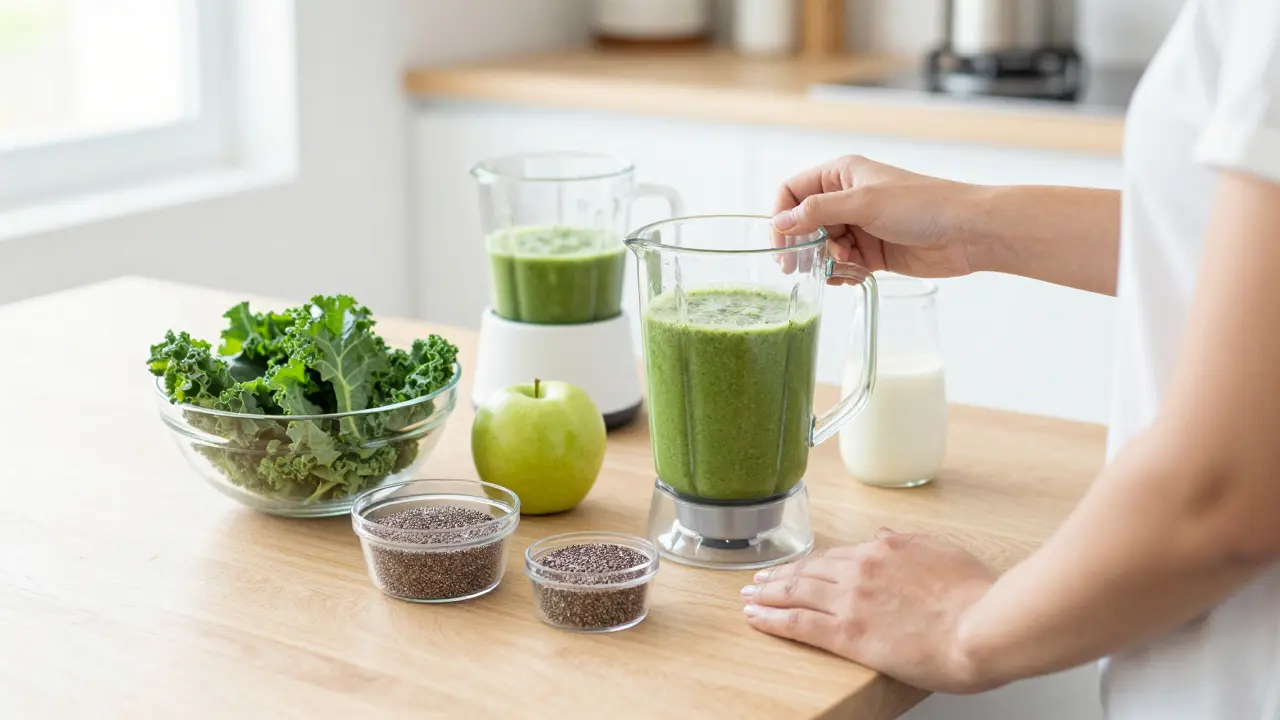
Typical ingredients include kale, spinach, or Swiss chard as the base, paired with apples, berries, or citrus for sweetness. Liquid components vary widely-from plain water to plant-based milks. Some add protein powder, chia seeds, or flaxseeds to enhance satiety and nutritional density.
Historically, the concept traces back to the mid-20th century when juicing became popular among health enthusiasts. However, modern blenders have transformed the practice. High-speed machines now break down tough cellulose walls in leaves, making nutrients more bioavailable while preserving texture and volume.
The Myth of "Detoxing" Through Smoothies
Let’s address the elephant in the room: detox. Marketing campaigns love this word. It sounds powerful, urgent, necessary. But biologically, your body doesn’t need help removing toxins unless you’re suffering from severe organ failure. The liver filters blood, breaks down alcohol and medications, and processes waste products. The kidneys filter out metabolic byproducts through urine. The skin excretes minor amounts via sweat. These systems operate continuously, regardless of what you sip each morning.
So why do people feel better after drinking green smoothies regularly? Likely due to improved hydration, increased micronutrient intake, and reduced consumption of processed snacks. When you swap sugary cereals or pastries for a nutrient-dense drink, your energy stabilizes. Your digestion improves. Your mood lifts-not because of some mystical cleansing process, but because your cells finally get the raw materials they’ve been missing.
If someone tells you their green smoothie cured their acne or eliminated bloating overnight, ask them how many servings of vegetables they ate before starting. Chances are, they weren’t eating nearly enough. The smoothie didn’t detoxify them-it nourished them.

Real Health Backed by Science
While the "detox" label falls apart under scrutiny, the actual health advantages of green smoothies hold up well. Here’s what research consistently shows:
- Vitamin K Boost: Spinach and kale provide over 100% of daily recommended vitamin K per cup, supporting bone density and blood clotting mechanisms.
- Folate Supply: Leafy greens contain folate (vitamin B9), crucial for DNA synthesis and cell division, especially important during pregnancy.
- Antioxidant Load: Chlorophyll-rich plants neutralize free radicals linked to chronic inflammation and cellular aging.
- Digestive Support: Insoluble fiber adds bulk to stool, promoting regular bowel movements and feeding beneficial gut bacteria.
- Blood Sugar Stability: Blending whole fruits instead of extracting juice prevents rapid glucose spikes, thanks to retained fiber networks.
A study published in the *Journal of the Academy of Nutrition and Dietetics* found that participants who consumed vegetable-based smoothies twice weekly reported higher satisfaction levels and greater adherence to dietary goals compared to those relying solely on solid food portions. Why? Convenience. A busy parent can shake together a spinach-banana-coconut water mix in under two minutes. No chopping required. No plates to wash. Just grab-and-go nutrition.
How to Build a Balanced Green Smoothie
Not all green smoothies are created equal. Some taste like grass water. Others taste like dessert disguised as medicine. Getting the ratio right makes all the difference.
| Component | Recommended Amount | Purpose |
|---|---|---|
| Leafy Greens | 1-2 cups packed | Primary source of vitamins, minerals, chlorophyll |
| Fruit | ½-1 medium piece | Natural sweetness, flavor balance |
| Liquid Base | 1-1.5 cups | Blending consistency, hydration |
| Healthy Fat | 1 tbsp optional | Absorption aid for fat-soluble vitamins (A, D, E, K) |
| Protein/Fiber Add-In | Optional 1 scoop or 1 tbsp | Satiety extension, muscle repair support |
Start with mild-flavored greens if you’re new to this. Baby spinach tastes almost neutral. Kale needs massaging or soaking briefly to soften bitterness. Avoid combining strong flavors like pineapple with arugula unless you enjoy unexpected contrasts.
Add fruit strategically. One banana provides creaminess and potassium. Half an apple brings tartness and crunch. Berries offer antioxidants without overwhelming sugar load. Remember: every additional fruit increases glycemic impact. Balance is key.
Choose liquids wisely. Water works fine but lacks richness. Almond milk adds subtle nuttiness. Coconut water contributes electrolytes ideal post-workout. Dairy alternatives like oat milk bring thickness similar to traditional shakes.
Include healthy fats sparingly. Avocado slices melt smoothly into blends, enhancing mouthfeel while aiding absorption of carotenoids found in orange-hued veggies like carrots or sweet potatoes. Flaxseed oil boosts omega-3 fatty acids, though heating may degrade benefits-stick to cold preparations.
Common Mistakes People Make
Even enthusiastic beginners stumble here. Watch out for these pitfalls:
- Overloading on Fruit: Turning your smoothie into a fruit bomb defeats the purpose. Aim for at least three parts greens to one part fruit.
- Ignoring Texture Preferences: Not everyone likes chunky bits. Strain if needed, but remember you lose valuable fiber doing so.
- Skipping Protein: Without adequate protein, hunger returns quickly within an hour. Add Greek yogurt, hemp hearts, or pea protein isolate.
- Using Stale Ingredients: Wilting lettuce or bruised bananas affect both taste and nutrient retention. Freshness counts.
- Expecting Instant Results: Changes take weeks, not days. Track progress over time, not moment-to-moment sensations.
Another frequent error involves assuming variety equals complexity. You don’t need exotic superfoods imported from halfway across the globe. Local seasonal produce often delivers superior freshness and lower environmental cost. Try swapping imported goji berries for locally grown raspberries. Same antioxidant punch, smaller carbon footprint.
Who Should Be Cautious?
Despite their general safety profile, certain groups should approach green smoothies carefully:
- Individuals on Blood Thinners: Vitamin K interferes with anticoagulant medication efficacy. Consult healthcare providers before increasing leafy green intake significantly.
- Kidney Disease Patients: High potassium levels in bananas and spinach pose risks for compromised renal function. Monitor electrolyte balances closely.
- Diabetics Managing Insulin Sensitivity: Even natural sugars raise blood glucose temporarily. Pair carbs with fats/proteins to mitigate spikes.
- Allergy Sufferers: Tree nuts used in milks or seeds added for texture trigger reactions in sensitive individuals. Read labels thoroughly.
Pregnant women benefit greatly from folate-rich greens but must ensure thorough washing to eliminate bacterial contamination risks. Organic options reduce pesticide exposure further.
Practical Tips for Daily Success
Making green smoothies sustainable requires planning. Here’s how to stay consistent:
- Pre-Chop & Freeze: Wash and chop kale/spinach ahead of time. Store in freezer bags. Thaw slightly before blending for easier processing.
- Batch Prep Liquids: Mix large quantities of almond/coconut water in advance. Keep refrigerated for quick access.
- Rotate Flavors Weekly: Prevent boredom by cycling through different combinations. Monday: spinach-apple-cinnamon. Wednesday: kale-mango-ginger. Friday: collard greens-strawberry-lemon.
- Invest in Quality Equipment: Cheap blenders struggle with fibrous stems. Look for models rated above 1000 watts for optimal performance.
- Track Progress Visually: Use apps or journals to log ingredient choices, portion sizes, and subjective feelings afterward. Patterns emerge faster than expected.
Don’t forget timing. Morning consumption aligns with circadian rhythms favoring metabolism activation. Post-exercise replenishment aids recovery efficiently. Evening versions might disrupt sleep cycles due to caffeine-like effects from some herbal additives-avoid late-night blends containing matcha or guarana.
Alternatives Worth Considering
If blending intimidates you, explore other formats delivering comparable nutrition:
- Salads with Dressings: Toss mixed greens with olive oil vinaigrette. Chew thoroughly to maximize digestion efficiency.
- Soups: Simmer zucchini, celery, and herbs until tender. Blend lightly for creamy texture without losing structure.
- Smoothie Bowls: Thicken mixtures with frozen bananas or ice cubes. Top with granola, nuts, fresh fruit slices. Eat slowly with spoon.
- Vegetable Chips: Dehydrate thin beetroot or carrot rounds. Snack mindfully between meals. Portion control essential.
Each alternative serves distinct preferences. Salads satisfy cravings for crisp textures. Soups comfort during colder months. Bowls engage multiple senses simultaneously. Chips appeal to savory lovers seeking portable snacking solutions.
Do green smoothies really clean your body?
No. Your liver and kidneys perform detoxification automatically. Green smoothies supply nutrients that support these organs’ natural functions but do not initiate any special cleansing action beyond normal physiology.
Can I drink green smoothies every day?
Yes, provided ingredients remain balanced and diverse. Rotate vegetable types, adjust fruit quantities based on activity level, and monitor personal tolerance responses. Consistency yields cumulative benefits over months, not days.
Is it better to juice or blend greens?
Blending preserves fiber, slowing sugar release and improving digestive health. Juicing removes insoluble components, concentrating flavors but reducing satiety duration. Choose blending unless specific medical conditions dictate otherwise.
Will green smoothies help me lose weight?
Indirectly yes, if replacing high-calorie meals/snacks. Direct calorie reduction occurs when substituting fried foods or baked goods with low-energy-density beverages. Always track total daily intake alongside exercise habits for accurate assessment.
What’s the best time to consume a green smoothie?
Morning offers maximum metabolic advantage. Mid-afternoon combats afternoon slumps effectively. Avoid evenings if containing stimulating compounds like caffeine or excessive simple carbohydrates affecting sleep quality negatively.