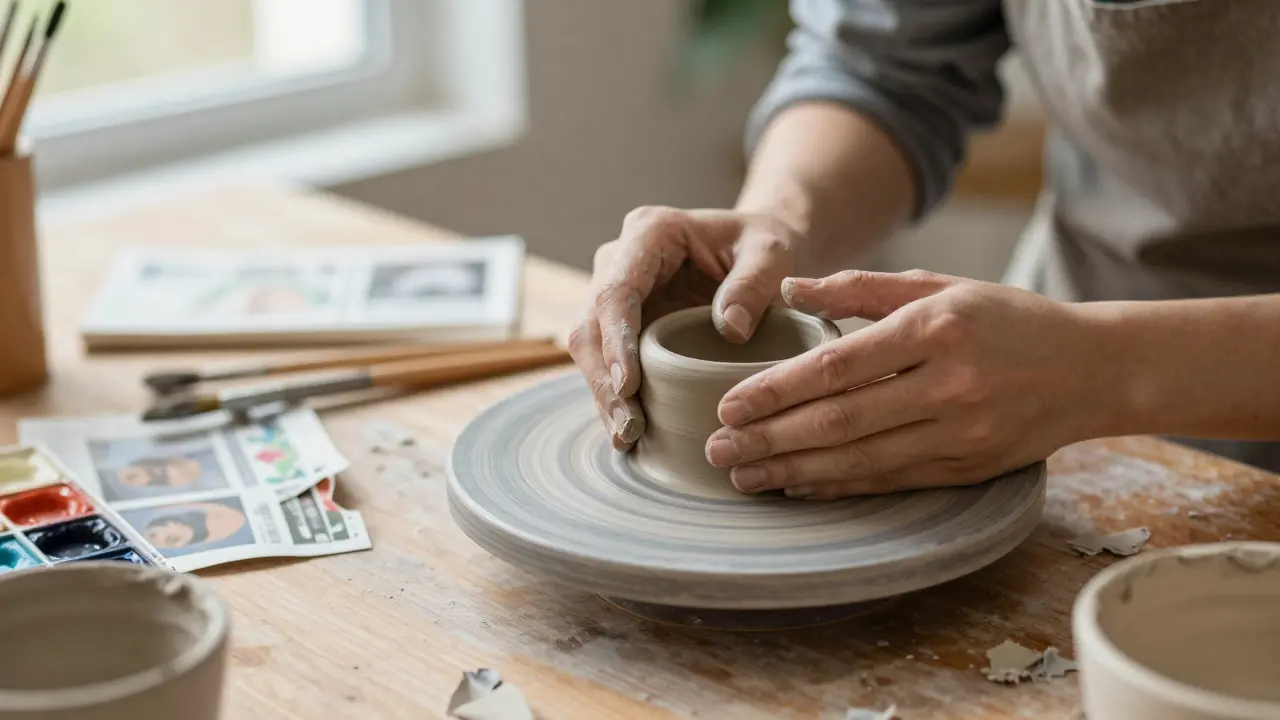
Have you ever felt stuck in your head? You know the feeling. The words just won't come out, or maybe they come out all wrong. Traditional talk therapy is great for many people, but for others, it feels like trying to describe a color to someone who has never seen light. That is where Creative Arts Therapies is a group of therapeutic approaches that use the creative process in visual art, music, drama, dance/movement, and poetry/writing to improve physical, mental, and emotional well-being. It bypasses the need for perfect vocabulary and lets your body and subconscious speak first.
In Melbourne, and across Australia, we are seeing a shift. People aren't just looking for medication or standard counseling anymore. They want tools that feel human, tangible, and deeply personal. Whether you are dealing with anxiety, trauma, grief, or just the general weight of modern life, these therapies offer a different path. This isn't about making a masterpiece. It is about making meaning.
What Exactly Is Creative Arts Therapy?
First off, let's clear up a common misconception. Creative Arts Therapy is not an art class. You do not need to be "talented." In fact, being too focused on how good your drawing looks can get in the way of the healing process. The goal here is expression, not aesthetics.
These therapies are grounded in psychology. They rely on the idea that creativity helps us resolve conflicts and problems, develop social skills, manage behaviors, reduce stress, increase self-esteem, and gain insight. When you create something, you externalize what is inside you. Once it is outside, you can look at it, change it, and understand it better.
The field is divided into several distinct modalities, each with its own history, training requirements, and specific benefits. Let's break down the big five so you know which one might fit your needs.
The Five Pillars of Expressive Arts
Each modality targets different parts of our experience. Some people connect through rhythm, others through movement, and some through narrative. Here is how they differ:
| Modality | Primary Medium | Best For | Key Benefit |
|---|---|---|---|
| Art Therapy | Painting, clay, collage | Non-verbal expression, trauma processing | Visualizing abstract emotions |
| Music Therapy | Listening, playing instruments, singing | Mood regulation, cognitive stimulation | Physiological calming and memory recall |
| Drama Therapy | Role-play, improvisation, storytelling | Social skills, perspective-taking | Rehearsing new behaviors safely |
| Dance/Movement Therapy | Body movement, gesture | Somatic awareness, grounding | Reconnecting mind and body |
| Poetry/Writing Therapy | Journals, prompts, verse | Narrative reconstruction, clarity | Organizing chaotic thoughts |
Why Does This Work? The Science Behind the Art
You might wonder if this is just a nice hobby or actual therapy. The science says it is real work. When you engage in creative activities, your brain lights up in ways that talking alone does not.
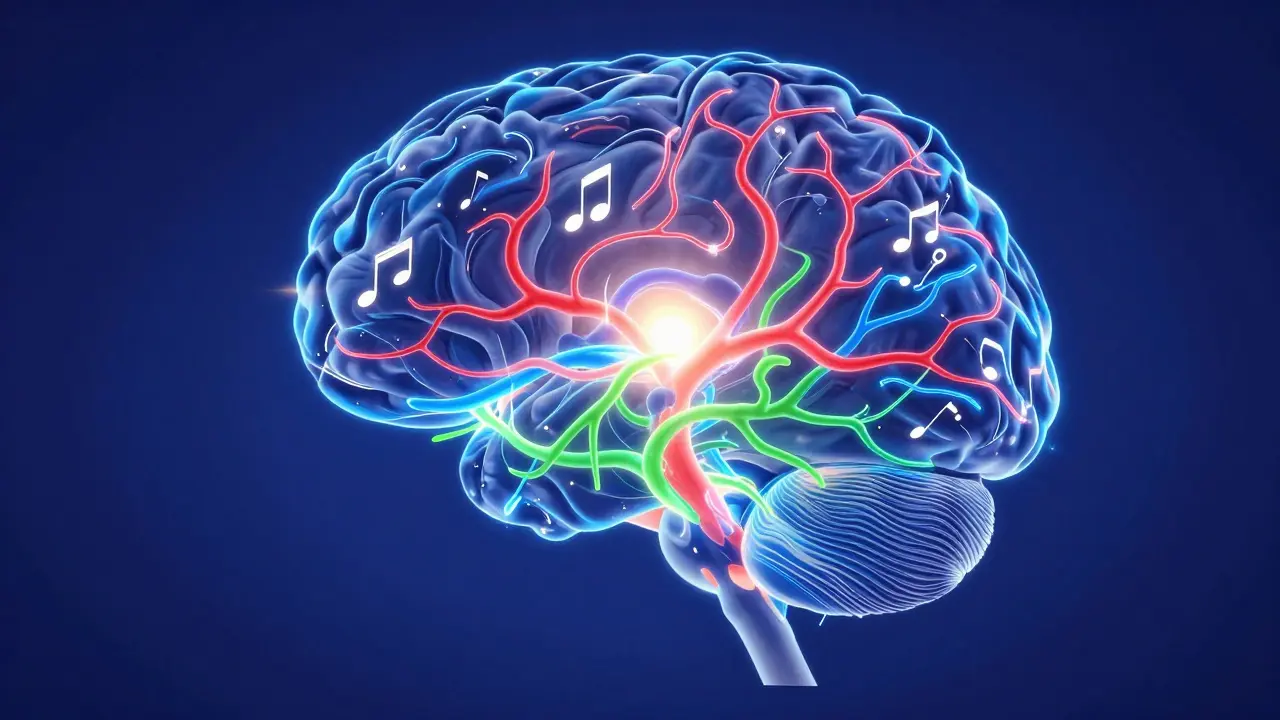
Consider Neuroplasticity, the brain's ability to reorganize itself by forming new neural connections. Creative engagement stimulates multiple areas of the brain simultaneously. For example, playing music involves motor control, auditory processing, and emotional centers. This multi-sensory input can help rebuild pathways damaged by trauma or stress.
Then there is the role of Cortisol, the primary stress hormone. Studies have shown that engaging in art-making can significantly lower cortisol levels. It’s not just relaxation; it’s physiological regulation. When you are focused on the texture of clay or the rhythm of a drum, your nervous system shifts from a "fight or flight" state to a "rest and digest" state. This is crucial for people with PTSD or chronic anxiety who live in a constant state of hyperarousal.
Who Can Benefit From Creative Arts Therapies?
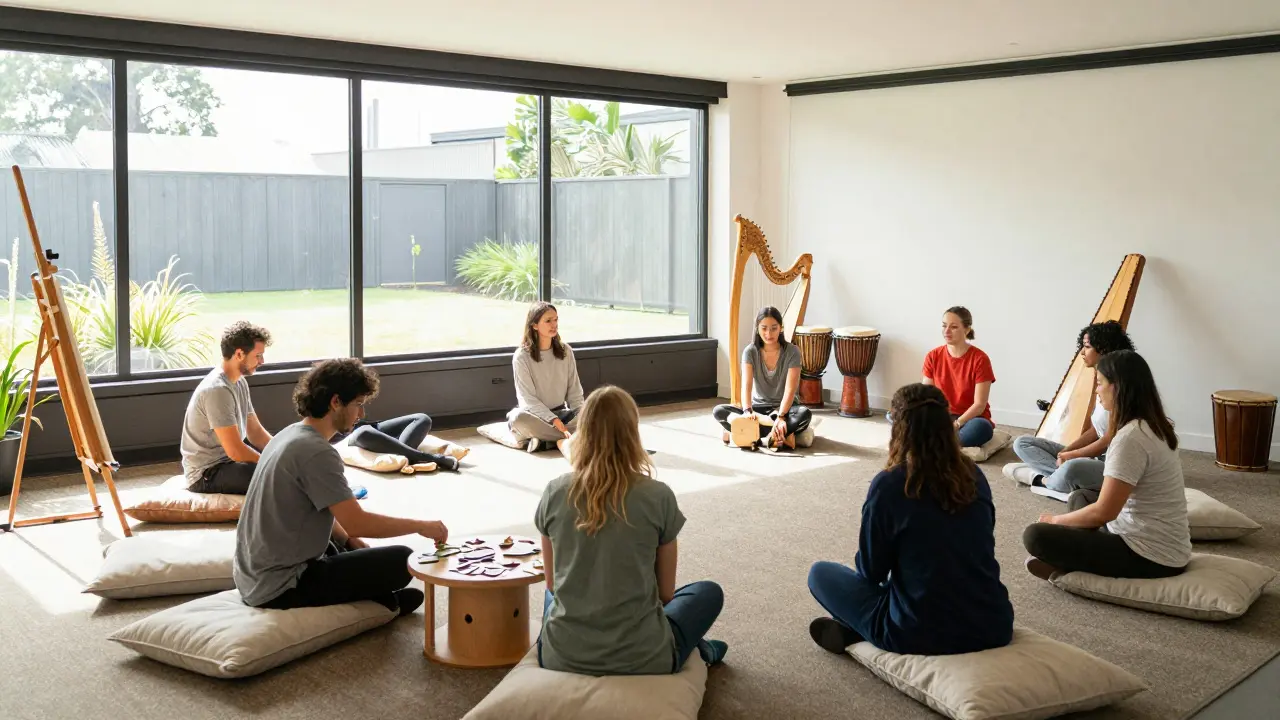
This approach is incredibly versatile. It is used in hospitals, schools, prisons, community centers, and private practices. Here are some specific scenarios where it shines:
- Trauma Survivors: Trauma often gets stored in the non-verbal parts of the brain (the amygdala). Talking about it can sometimes re-traumatize the person. Art or movement allows them to process the memory without having to recount every detail verbally.
- Children and Adolescents: Kids don't always have the language skills to articulate complex feelings. Drawing or playing allows them to express anger, fear, or sadness in a safe, controlled way.
- Elderly with Dementia: Music therapy, in particular, has shown remarkable results in triggering memories and improving mood in patients with Alzheimer's disease, even when verbal communication is severely impaired.
- People with Autism Spectrum Disorder (ASD): Drama and music therapies can help improve social interaction, eye contact, and emotional recognition through structured, playful activities.
- Grief and Loss: Creating a memorial piece or writing letters to the deceased provides a tangible outlet for mourning that conversation sometimes cannot handle.
Finding a Qualified Therapist in Australia
This is the most important part. Not everyone who calls themselves an "art therapist" is qualified. In Australia, the landscape is evolving, but standards matter. You want someone who is accredited and insured.
Look for professionals registered with bodies like the Australian Association of Music Therapy (AAMT) or those listed on the Psychotherapy and Counselling Federation of Australia (PACFA) registry under expressive arts specializations. These organizations ensure that therapists have undergone rigorous training, including supervised clinical hours.
When you call for an appointment, ask these questions:
- Are you accredited by a recognized professional body?
- What is your experience with my specific issue (e.g., anxiety, trauma)?
- Do you offer Medicare rebates or work with private health funds? (Note: Creative arts therapies are increasingly covered by private health insurance as allied health services, but coverage varies.)
How to Start: Simple Exercises for Home
You don't need to book a session today to start benefiting from creative expression. Here are three simple, low-pressure exercises you can try at home. Remember, the goal is process, not product.
1. The Emotion Collage
Grab an old magazine, some scissors, and glue. Don't draw anything. Instead, cut out images, colors, or words that represent how you feel right now. If you feel chaotic, paste things haphazardly. If you feel calm, arrange them neatly. Look at the result. What story does it tell? This helps externalize internal states without needing to find the "right" word.
2. Rhythmic Grounding
If you feel anxious or disconnected, try drumming. Use your hands on your thighs, a table, or a pillow. Start with a slow, steady beat. Match your breathing to the rhythm. Inhale for four beats, exhale for four. This synchronizes your heart rate and breath, signaling safety to your nervous system.
3. Free Writing Stream
Set a timer for five minutes. Write whatever comes into your head. Do not stop. Do not edit. Do not worry about spelling or grammar. If you run out of things to say, write "I don't know what to say" until something else emerges. This clears mental clutter and can reveal underlying thoughts you were suppressing.
Overcoming Common Barriers
I hear this all the time: "I'm not creative." Or, "I haven't drawn since kindergarten." These beliefs are barriers, not facts. Creativity is a muscle, not a gift. It atrophies if unused, but it grows with practice.
Another barrier is vulnerability. Making something visible feels risky. In a therapeutic setting, the therapist creates a "holding environment"-a space where judgment is suspended. At home, you can create this by giving yourself permission to make "bad" art. In fact, embrace the messiness. Perfectionism is often a defense mechanism against feeling exposed. Letting go of control is part of the healing.
Finally, cost can be a concern. While private sessions can be expensive, many community centers and NGOs in Melbourne offer sliding-scale fees or free workshops. Check local libraries and community hubs for group sessions, which are often more affordable and provide peer support.
The Future of Healing
We are moving away from a purely medical model of mental health toward a holistic one. Creative Arts Therapies bridge the gap between clinical treatment and human connection. They remind us that we are not just brains in jars; we are bodies, stories, rhythms, and images.
Whether you choose to pursue formal therapy or simply integrate more creative expression into your daily routine, the invitation is the same: Pay attention. Create. Feel. And trust that your inner world has a voice, even if it doesn't speak in sentences.
Is creative arts therapy covered by Medicare in Australia?
Currently, Medicare does not directly rebate creative arts therapies under the standard Mental Health Treatment Plan scheme, which typically covers psychologists, psychiatrists, and social workers. However, many private health insurance providers offer extras cover for allied health services, which may include accredited music or art therapists. Always check with your specific fund before starting treatment.
Do I need to be artistic to benefit from art therapy?
No, absolutely not. Art therapy is not about creating beautiful objects; it is about using the creative process for self-exploration and healing. In fact, focusing on technical skill can hinder the therapeutic process. The therapist guides you to focus on your feelings and reactions to the materials, not the aesthetic quality of the final piece.
How long does a typical creative arts therapy session last?
Most individual sessions last between 45 and 60 minutes. Group sessions may run longer, often 90 minutes to two hours, to allow time for sharing and discussion. The frequency of sessions depends on your goals and needs, ranging from weekly to monthly.
Can children participate in creative arts therapies?
Yes, children are often ideal candidates for these therapies. Since young children may lack the vocabulary to express complex emotions, creative mediums like play, drawing, and music provide a natural language for them. It is widely used in schools and pediatric settings to address behavioral issues, trauma, and developmental delays.
What is the difference between a hobby and therapy?
The key difference is the presence of a trained therapist and a therapeutic framework. A hobby is done for enjoyment or skill-building. Therapy uses the creative act as a tool to explore psychological issues, process trauma, and achieve specific mental health goals within a confidential, professional relationship.