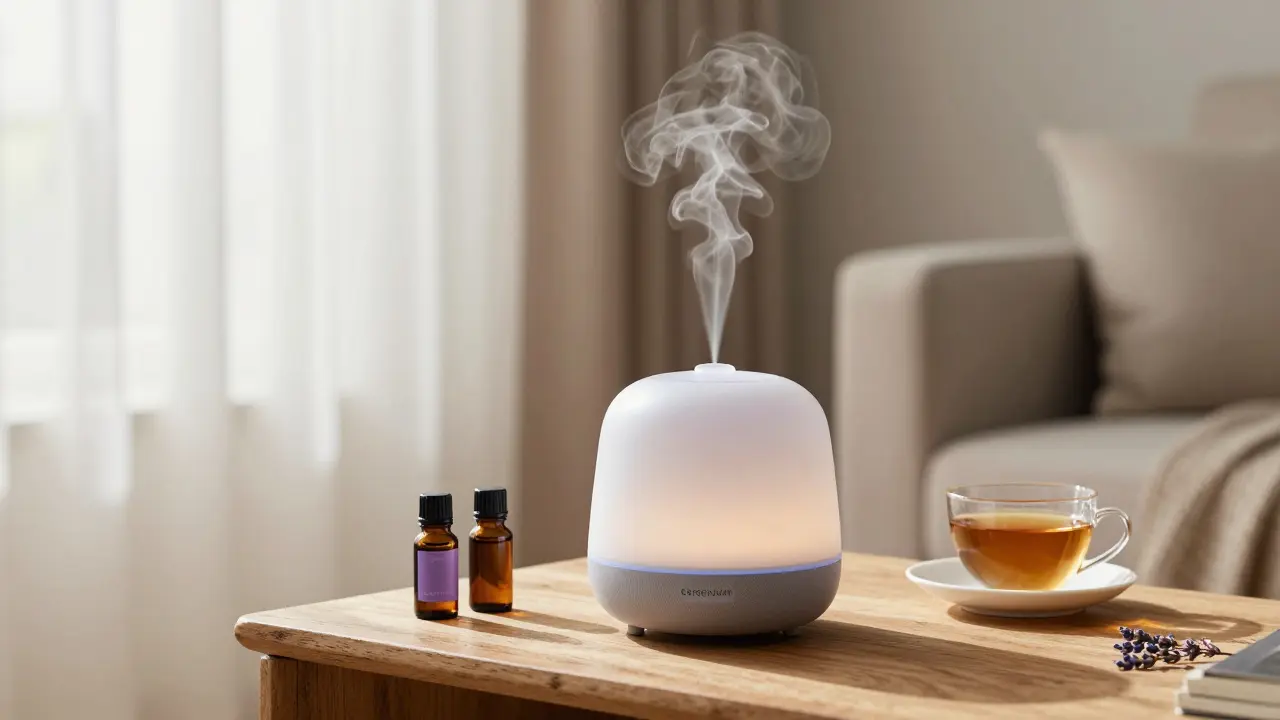
Have you ever walked into a room and immediately felt your shoulders drop because of the scent? Maybe it was fresh linen, rain on hot pavement, or that distinct smell of lavender soap. Your brain didn't just "smell" it; it reacted. This isn't magic-it's biology. Aromatherapy is a holistic therapy using plant extracts, primarily essential oils, to improve physical and mental health. While often marketed as a spa luxury, clinical evidence suggests it plays a serious role in managing stress, anxiety, and sleep disorders.
We live in an era where cortisol levels are chronically high. Between work deadlines, digital noise, and global uncertainty, our nervous systems are constantly on alert. Traditional medicine offers pills and talk therapy, both valid and necessary. But what about the tools we can use daily, right at home, to modulate our mood instantly? Aromatherapy bridges the gap between passive treatment and active self-care. It’s not about replacing medical advice; it’s about adding a layer of sensory support to your mental health toolkit.
The Science Behind the Scent
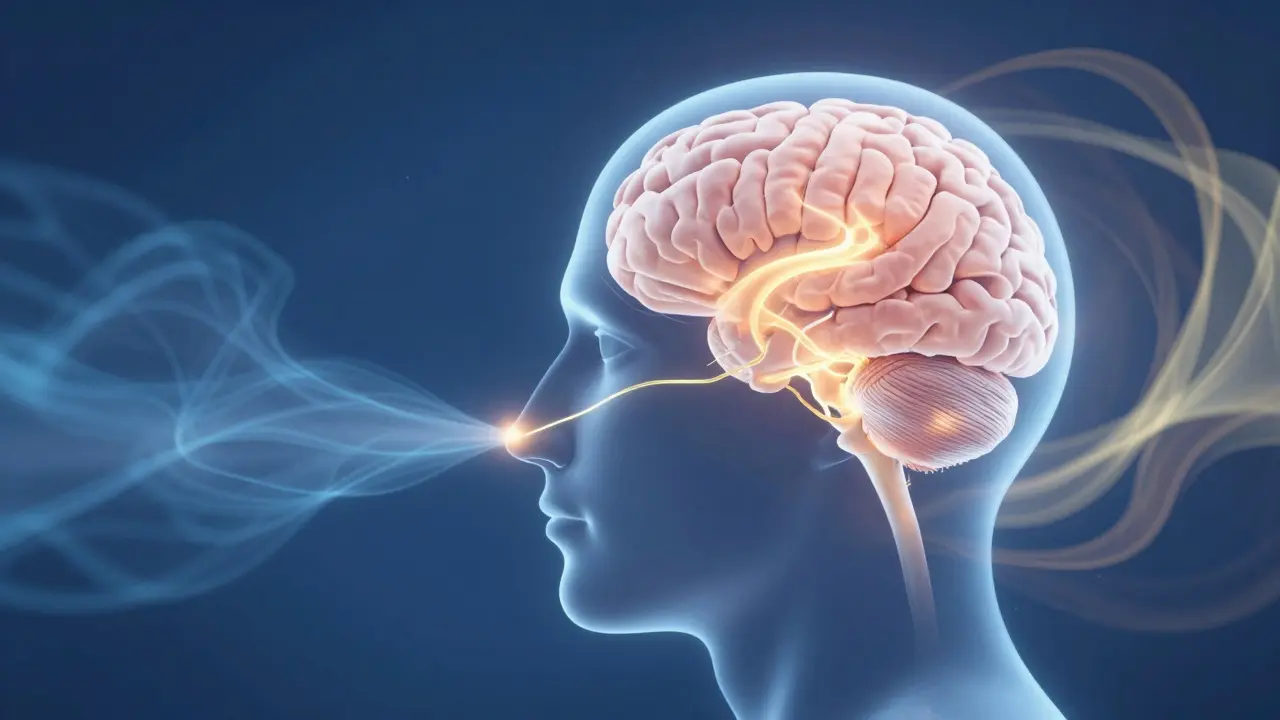
To understand why a drop of oil changes your mood, you have to look at the anatomy of the nose. When you inhale an aroma, odor molecules bind to receptors in the olfactory epithelium. Unlike other senses, which route through the thalamus first, smell sends signals directly to the olfactory bulb. From there, neural pathways connect straight to the limbic system-the emotional center of the brain.
This connection explains why a specific scent can trigger a vivid memory or an immediate emotional shift before you even consciously register what you're smelling. The limbic system includes the amygdala, which processes fear and pleasure, and the hippocampus, responsible for memory formation. When you inhale calming scents like chamomile or bergamot, you are literally sending a signal to your brain to lower its defensive posture. Studies published in journals like Complementary Therapies in Medicine have shown measurable reductions in heart rate and blood pressure after aromatherapy sessions, proving this is more than just placebo.
Top Essential Oils for Mental Clarity and Calm
Not all oils do the same thing. Some are stimulants; others are sedatives. Choosing the wrong one for your goal can backfire-for instance, using peppermint when you’re trying to wind down for bed might keep you wired. Here are the most effective options for common mental health challenges.
| Oil | Primary Benefit | Best For |
|---|---|---|
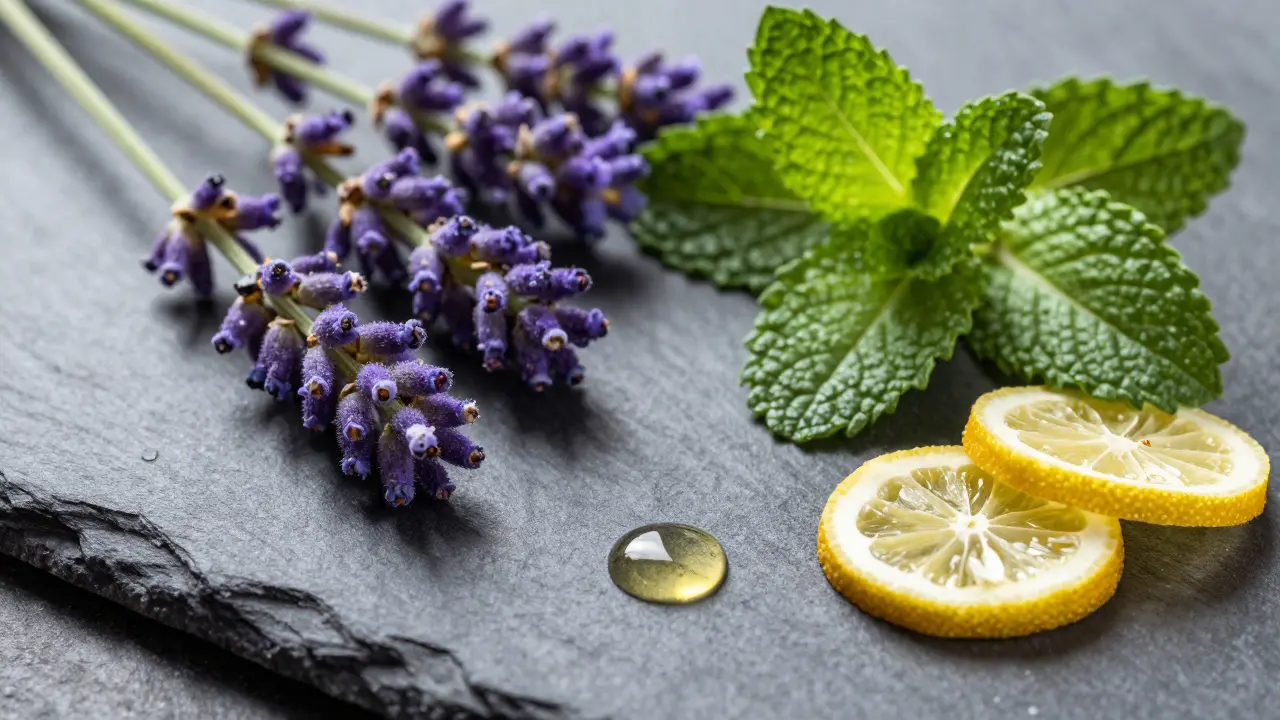
| Lavender (Lavandula angustifolia) | Anxiolytic (Anti-anxiety) | Sleep onset, general relaxation |
| Bergamot (Citrus bergamia) | Mood elevation | Depression symptoms, stress relief |
| Peppermint (Mentha piperita) | Cognitive enhancement | Fatigue, focus, headaches |
| Frankincense (Boswellia carterii) | Meditative depth | Mindfulness, grounding |
| Ylang Ylang (Cananga odorata) | Sedative | Panic attacks, high blood pressure |
Lavender is the gold standard for a reason. Its linalool content interacts with neurotransmitters to produce a calming effect. Bergamot is unique among citrus oils because it is sedating rather than stimulating, making it excellent for lifting heavy moods without causing jitteriness. If you struggle with brain fog during afternoon slumps, peppermint’s menthol provides a sharp cognitive kick. Frankincense has been used for centuries in spiritual practices because its earthy, resinous scent encourages slow, deep breathing, which physically forces the parasympathetic nervous system to engage.
How to Use Aromatherapy Safely at Home
You don’t need a degree in chemistry to benefit from these oils, but you do need to respect their potency. Essential oils are highly concentrated plant extracts. Putting them directly on your skin undiluted can cause chemical burns or severe allergic reactions. Always dilute them in a carrier oil like jojoba, sweet almond, or fractionated coconut oil. A safe starting ratio is 1-2 drops of essential oil per teaspoon of carrier oil.
Inhalation is the safest and fastest way to experience benefits. You have three main methods:
- Diffusion: Using an ultrasonic diffuser spreads micro-droplets of oil into the air. This is great for ambient mood setting in a room. Run it for 30-60 minutes at a time, then give your body a break. Over-exposure can lead to headaches.
- Inhaler Sticks: These small sticks contain cotton wicks soaked in oil. They are portable and deliver a direct dose to the olfactory bulb. Perfect for moments of acute stress, like before a presentation or during a commute.
- Tissue Method: Simply put one drop on a tissue or cotton ball and hold it near your nose. This is the most controlled method, allowing you to adjust the intensity by moving the source closer or further away.
If you prefer topical application, apply diluted blends to pulse points-wrists, behind the ears, or the soles of the feet. These areas have thinner skin and higher blood flow, aiding absorption. Never ingest essential oils unless under the guidance of a qualified healthcare provider. The liver processes ingested oils differently, and toxicity risks are significantly higher.
Creating Rituals for Mental Resilience
The power of aromatherapy lies partly in conditioning. Pavlovian responses aren't limited to dogs; humans associate specific stimuli with outcomes. By pairing a specific scent with a calm state repeatedly, you train your brain to recognize that scent as a cue for relaxation.
Try creating a "bedtime ritual." Every night, diffuse lavender or cedarwood ten minutes before bed. Read a book or listen to soft music while the scent fills the room. Over two weeks, your brain will begin to associate that specific aroma with the transition from wakefulness to sleep. Similarly, create a "focus blend" for work. Mix rosemary and lemon, and only use it when you are doing deep work. Eventually, just smelling that combination will help quiet distractions and signal to your mind that it’s time to concentrate.
This approach turns passive consumption into active psychological anchoring. It gives you control over your environment in a world that often feels chaotic. You aren't just masking odors; you are curating your sensory landscape to support your mental goals.
Pitfalls to Avoid
The market for essential oils is largely unregulated, especially online. Many products labeled as "essential oils" are actually synthetic fragrance oils. These lack the therapeutic compounds found in real plants and can cause headaches or respiratory irritation. Look for terms like "100% pure," "therapeutic grade," or specific botanical names on the label. Reputable brands provide Gas Chromatography-Mass Spectrometry (GC/MS) reports, which verify the chemical composition of the oil.
Also, be wary of claims that oils can cure diseases. While they support mental wellbeing, they are complementary therapies, not replacements for psychiatric medication or professional counseling. If you are pregnant, nursing, or have asthma, consult a doctor before use. Some oils, like eucalyptus and camphor, can trigger bronchospasms in sensitive individuals.
Integrating Aromatherapy Into Daily Life
You don't need a dedicated meditation cushion to practice aromatherapy. Integrate it into existing habits. Add a drop of orange oil to your morning shower floor (not directly on skin) for an energizing start. Keep a roller bottle of chamomile in your bag for stressful meetings. Use a linen spray with clary sage on your pillowcase to promote deeper REM cycles.
The key is consistency. One session won't rewire your stress response, but daily exposure builds resilience. Start small. Pick one oil that resonates with you-maybe it’s the bright, clean scent of lemon or the warm, spicy note of cinnamon-and use it intentionally every day for a week. Notice how your body reacts. Do you feel lighter? More grounded? More alert? Your personal physiology is the ultimate guide.
Is aromatherapy safe for everyone?
While generally safe for adults, aromatherapy is not suitable for everyone. Pregnant women should avoid oils like clary sage and jasmine due to uterine-stimulating properties. People with asthma or respiratory conditions should be cautious with strong scents like eucalyptus or peppermint, which can irritate airways. Children under six should not be exposed to essential oils without pediatric guidance. Always patch-test diluted oils on a small area of skin to check for allergic reactions.
How long does it take for aromatherapy to work?
The effects of inhalation are often immediate, occurring within seconds to minutes as the scent reaches the limbic system. However, for long-term benefits like reduced baseline anxiety or improved sleep quality, consistent daily use over several weeks is recommended. The brain needs repetition to form new associative pathways between the scent and the desired emotional state.
Can I mix different essential oils together?
Yes, blending oils is common and can enhance therapeutic effects. This is called synergy. For example, combining lavender (calming) with bergamot (uplifting) creates a balanced mood-lifting blend. However, avoid mixing too many oils at once. Stick to 2-3 oils per blend to prevent overwhelming your senses or causing headaches. Note that some combinations may alter the chemical stability of the oils, so store blends in dark glass bottles.
What is the difference between essential oils and fragrance oils?
Essential oils are natural extracts distilled from plants, containing complex chemical profiles that offer therapeutic benefits. Fragrance oils are synthetic, lab-created scents designed to mimic natural smells. They lack the medicinal properties of essential oils and may contain phthalates or other chemicals that can cause irritation. For mental health benefits, always choose 100% pure essential oils.
Does aromatherapy replace medication for anxiety or depression?
No, aromatherapy is a complementary therapy, not a replacement for prescribed medication or professional mental health treatment. It can help manage symptoms and reduce stress, but it should not be used to stop or substitute psychiatric drugs without consulting a healthcare provider. Always inform your doctor if you are incorporating aromatherapy into your routine, especially if you are on other medications.