Chronic pain doesn’t just hurt-it drains your energy, ruins your sleep, and makes everyday tasks feel impossible. Millions live with it every day, and many have tried pills, physical therapy, or even surgery without lasting relief. But there’s another option that doesn’t involve drugs or needles: biofeedback. It’s not magic. It’s science. And it works by teaching your body to heal itself.
What Is Biofeedback?
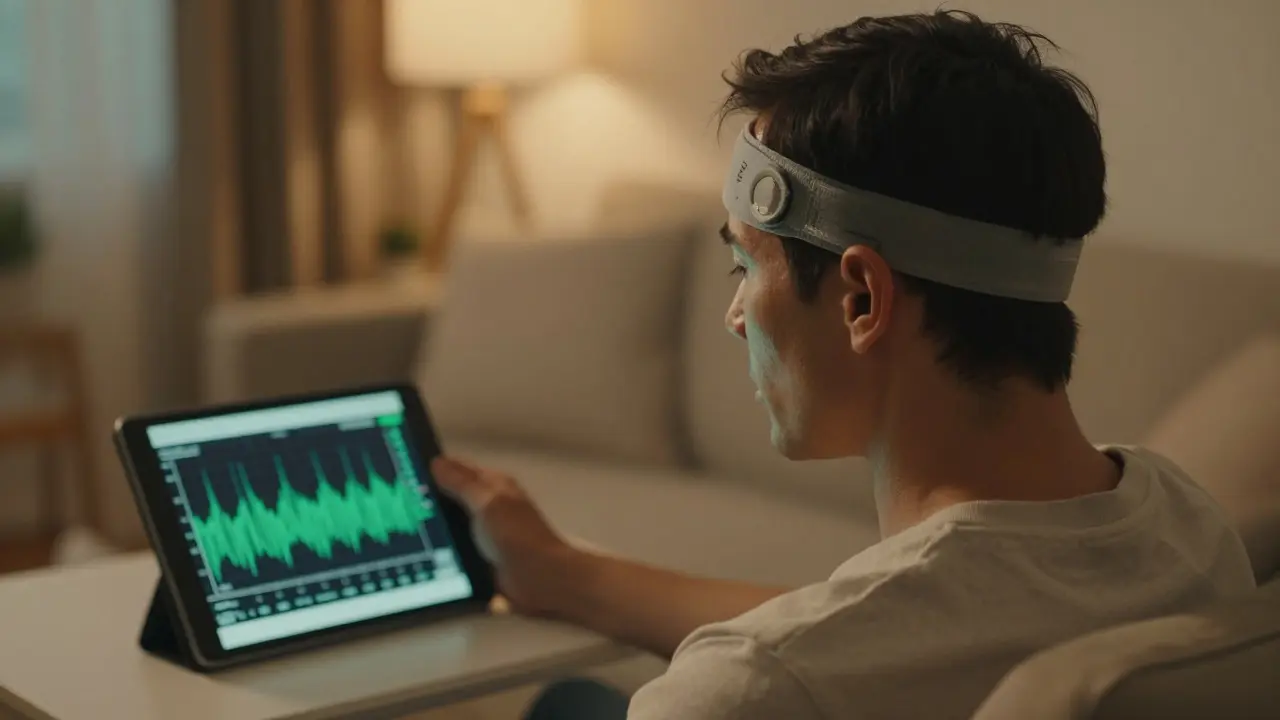
Biofeedback is a technique that uses sensors to measure your body’s automatic functions-like heart rate, muscle tension, skin temperature, and brainwave patterns-and turns those signals into visual or sound cues you can see or hear in real time. Think of it like a mirror for your nervous system. You don’t control your heartbeat naturally, but with biofeedback, you learn how to slow it down by watching a graph on a screen. Over time, your body remembers how to do it without the screen.
It’s been around since the 1960s, but modern devices are smaller, more accurate, and easier to use at home. Studies from the Mayo Clinic and the National Institutes of Health show it helps reduce chronic pain by up to 50% in some cases, especially for conditions like migraines, fibromyalgia, and lower back pain.
How Biofeedback Works for Pain
Pain isn’t just in your muscles-it’s wired into your brain and nervous system. When you’re in chronic pain, your body stays stuck in fight-or-flight mode. Your muscles tense up. Your heart races. Your stress hormones flood your system. That constant state of alertness makes pain worse.
Biofeedback breaks that cycle. Here’s how:
- It shows you when your muscles are clenched-like in your neck or shoulders-so you can consciously relax them.
- It tracks your skin temperature, which drops when you’re stressed. When it rises, you know you’re calming down.
- It measures heart rate variability (HRV), a sign of nervous system balance. Higher HRV = less pain sensitivity.
One 2023 study in the Journal of Pain Research followed 120 people with chronic lower back pain. Half used biofeedback for 8 weeks. The group using biofeedback reported a 43% drop in pain intensity, while the control group saw no change. The best part? The pain relief lasted for months after they stopped using the device.
Types of Biofeedback Used for Pain
Not all biofeedback is the same. Different types target different pain triggers:
- Electromyography (EMG): Measures muscle tension. Used for tension headaches, jaw pain, and back pain caused by clenching.
- Thermal biofeedback: Tracks skin temperature. Helps with migraines and Raynaud’s syndrome by improving blood flow.
- Heart rate variability (HRV) biofeedback: Teaches you to breathe in rhythm with your heartbeat. Reduces stress-driven pain flare-ups.
- Neurofeedback (EEG): Monitors brainwaves. Useful for pain linked to anxiety, PTSD, or sleep disorders.
Most people start with EMG or thermal biofeedback because they’re the most straightforward. A 2024 review in Clinical Pain Medicine found that 78% of chronic pain patients saw improvement with EMG alone.
What to Expect in a Session
You don’t need to be tech-savvy. A typical session lasts 30 to 60 minutes. Sensors are placed on your skin-no needles, no shocks. You sit quietly while a screen shows you your body’s signals.
For example, if you have tension headaches:
- You’ll see a line on the screen rising as your forehead muscles tighten.
- The therapist asks you to breathe slowly and imagine warmth spreading through your head.
- As you relax, the line drops. You hear a soft tone. The screen turns green.
- You repeat this for 15-20 minutes, learning to associate calm with lower muscle tension.
After 6-10 sessions, most people can start to relax their muscles without the machine. It’s like learning to ride a bike-you don’t need training wheels forever.

Home Devices and Apps
You don’t need to see a specialist forever. Affordable home biofeedback devices are now available:
- HRV coherence trainers: Wearable wristbands that guide breathing with lights or sounds. Brands like HeartMath and Elite HRV have been used in clinics for years.
- EMG bands: Small strips you wear on your forearm or neck. They connect to your phone and give real-time feedback.
- Mobile apps: Apps like Biofeedback Pro and Relax Melodies combine breathing exercises with simple biofeedback metrics.
A 2025 survey of 500 users found that 68% stuck with home biofeedback for at least 3 months-and 82% of those reported fewer pain flare-ups.
Who Benefits Most?
Biofeedback isn’t a cure-all, but it shines for certain types of chronic pain:
- Migraines and tension headaches: Especially if stress or muscle tension triggers them.
- Fibromyalgia: Helps reduce overall sensitivity to pain and improves sleep.
- Chronic lower back pain: When caused by muscle guarding or poor posture.
- Temporomandibular joint (TMJ) disorder: Teaches you to stop clenching your jaw.
- Pain from anxiety or PTSD: Calms the nervous system so pain doesn’t feel as overwhelming.
It’s less effective for pain caused by nerve damage, arthritis, or structural issues like herniated discs-unless those are combined with muscle tension or stress.
What Doesn’t Work
Biofeedback won’t fix everything. Here are common misconceptions:
- It’s not a quick fix. You need at least 6-8 sessions before you see real change.
- It’s not hypnosis. You’re not asleep or tricked. You’re actively learning.
- It’s not a replacement for medical care. If you have a tumor, infection, or broken bone, biofeedback won’t help. It works best alongside physical therapy, medication, or lifestyle changes.
Also, it doesn’t work for everyone. About 15% of people don’t respond-usually because they’re too stressed to focus during sessions or have trouble connecting with their body’s signals.

How to Get Started
If you’re curious, here’s how to begin:
- Ask your doctor for a referral to a certified biofeedback therapist. Look for someone with BCB (Board Certified in Biofeedback) credentials.
- Try a 3-session package. Most clinics offer a short trial.
- If you prefer home use, pick a device with FDA clearance and positive clinical reviews. Avoid cheap gadgets with no scientific backing.
- Practice daily, even for 5 minutes. Consistency beats intensity.
Insurance sometimes covers biofeedback if prescribed by a doctor. Check with your provider-many plans now include it under behavioral health or physical therapy benefits.
Real-Life Results
Sarah, 42, had migraines for 12 years. She tried 7 different medications. None worked. She started biofeedback after her physical therapist suggested it. Within 4 weeks, her headaches dropped from 15 a month to 3. By week 10, she was down to 1. She still uses her handheld HRV trainer every morning. "It’s like I finally learned how to turn off the alarm inside my head," she says.
Mark, 58, with chronic lower back pain, used EMG biofeedback to notice he was clenching his glutes all day. He never knew. After 6 sessions, he learned to relax them. He now sits at his desk without pain. "I didn’t know my butt was the problem," he laughs.
Why It Lasts
Unlike painkillers, biofeedback doesn’t mask pain-it rewires your response to it. You’re not fighting your body. You’re teaching it to be calmer, more balanced. The changes stick because they’re learned, not forced.
One reason biofeedback works so well long-term is that it builds self-efficacy. You stop feeling like a victim of pain. You become the person who can calm your own nervous system. That shift in mindset alone reduces pain perception.
It’s not the future of pain management. It’s already here. And it’s waiting for anyone willing to listen to their body.
Can biofeedback replace medication for chronic pain?
Biofeedback doesn’t replace medication for everyone, but it can reduce the need for it. Many people use it alongside pain relievers, then gradually lower doses under their doctor’s guidance. It’s most effective for pain driven by stress, muscle tension, or nervous system overactivity-not for severe structural damage.
How long does it take to see results from biofeedback?
Most people notice small changes after 3-4 sessions. Meaningful pain reduction usually takes 6-10 sessions spread over 6-8 weeks. Consistent daily practice at home speeds up results. Some feel relief in minutes during a session, but lasting change requires repetition.
Is biofeedback covered by insurance?
Many insurance plans now cover biofeedback if prescribed by a licensed provider and used for approved conditions like migraines, chronic pain, or anxiety. Medicare covers it for certain neurological conditions. Always check with your insurer and ask for a pre-authorization.
Are home biofeedback devices as effective as clinic sessions?
Home devices work well for maintenance and reinforcement, but starting with a trained therapist is strongly recommended. A professional can identify which type of biofeedback suits your pain, set up the equipment correctly, and interpret your progress. Once you understand the process, home tools help you keep the gains.
Can children or older adults use biofeedback?
Yes. Biofeedback is safe for all ages. Children as young as 8 can use it for tension headaches or anxiety-related pain. Older adults benefit from it for arthritis pain, insomnia, or stress-induced flare-ups. The key is adapting the interface-some devices use games for kids, and simple lights or tones for seniors.