
You wake up tired despite getting eight hours of sleep. You feel your mind drifting during important tasks, and by mid-afternoon, you are reaching for yet another coffee to stave off the crash. It is not necessarily a lack of willpower or intelligence causing this slump; it is likely what sits on your plate. Healthy Diet is a balanced eating pattern that provides essential nutrients to support optimal physical and mental performance. When we talk about unleashing potential, we usually think of training harder or working longer hours. We rarely consider that our biological hardware-the cells lining our gut and the neurons firing in our brain-require specific high-quality fuel to operate at peak efficiency.
In Perth, where the climate supports fresh, seasonal produce year-round, ignoring local nutritional advantages is a missed opportunity. The connection between what we eat and how we perform extends far beyond weight loss. It touches upon focus, emotional regulation, energy stability, and even creativity. Understanding the mechanics of nutrition transforms food from a mere requirement into a strategic asset.
The Biological Foundation: Macronutrients and Energy
To understand how food unlocks potential, we must look at the macro components that power our bodies. These are the three main categories of nutrients found in most foods: proteins, carbohydrates, and fats. Each plays a distinct role in sustaining physical activity and mental clarity.
| Nutrient | Primary Role | Impact on Potential |
|---|---|---|
| Protein | Tissue repair and enzyme production | Builds muscle mass, stabilizes mood via neurotransmitters |
| Carbohydrates | Main energy source for the brain | Fuels cognitive tasks, prevents mental fatigue |
| Fats | Hormone production and cell structure | Supports long-term focus and reduces inflammation |
Protein is often celebrated for muscle building, but its influence on mental acuity is equally critical. Proteins break down into amino acids, which are the building blocks of neurotransmitters like dopamine and serotonin. If you find yourself struggling with motivation or experiencing low moods, check your protein intake. Foods like lean chicken, fish, lentils, and Greek yogurt provide these essential precursors. Without enough protein, your brain literally cannot manufacture the chemicals required to drive action and maintain positivity.
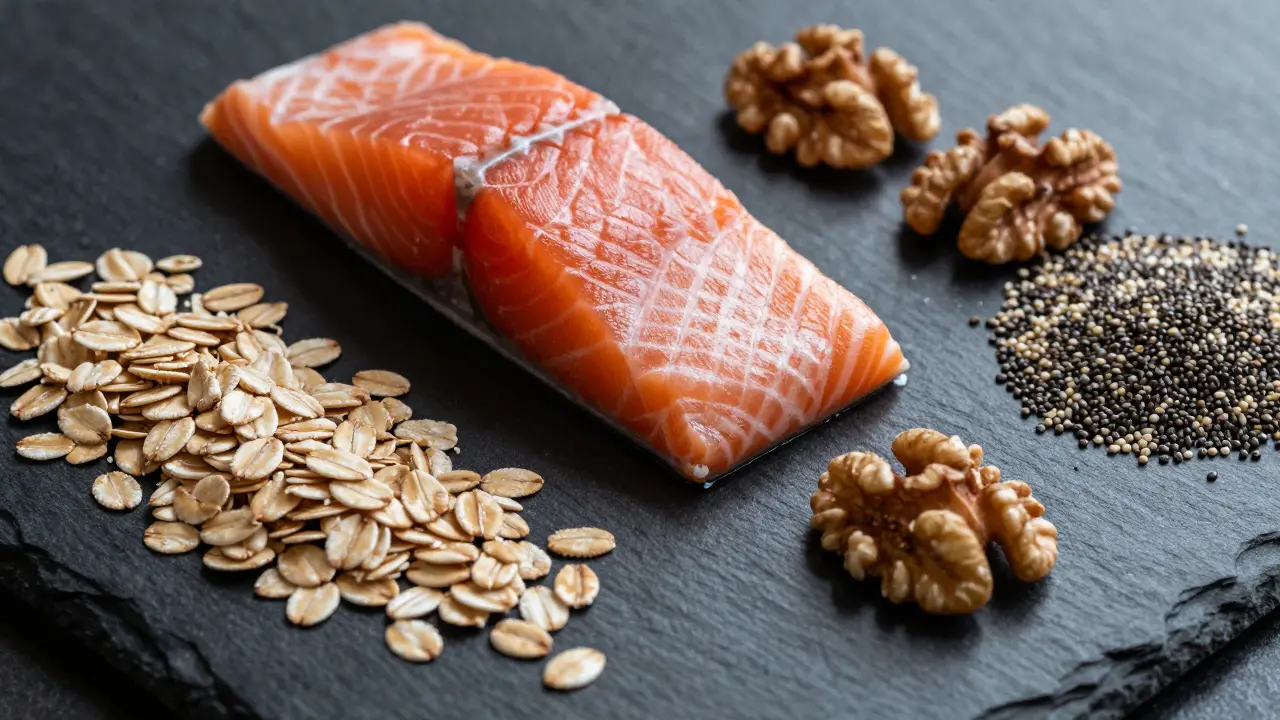
Carbohydrates are frequently misunderstood as the enemy, particularly in low-carb trends. However, the brain consumes more than 60 percent of its glucose supply from carbohydrates. Complex carbohydrates, such as those found in oats, quinoa, and root vegetables, provide a slow-releasing energy stream. This steady flow prevents the blood sugar spikes and crashes that lead to irritability and difficulty concentrating. In contrast, refined sugars deliver a quick spike followed by a crash that leaves you unable to focus on complex tasks.
Fats are the structural component of your nervous system. The brain itself is roughly 60 percent fat. Omega-3 fatty acids, found in fatty fish like salmon or plant sources like walnuts and chia seeds, are crucial for maintaining brain cell fluidity. When these cells are nourished with healthy fats, synaptic transmission speeds up, meaning faster processing of information and better decision-making skills.
The Gut-Brain Axis and Cognitive Performance
There is a direct neural pathway connecting your gastrointestinal tract to your central nervous system, known as the vagus nerve. This connection creates the "gut-brain axis," a two-way communication channel that heavily influences how you think and feel. Recent research indicates that nearly 90 percent of your body's serotonin is produced in the gut, not the brain. This means that digestive health is directly correlated with mental well-being.
Dysbiosis, or an imbalance in the gut microbiome, can trigger inflammation that travels to the brain. This manifests as brain fog, anxiety, or an inability to concentrate. To cultivate a robust microbiome, you need fibre and fermented foods. Fibre acts as fuel for beneficial bacteria, while fermentation introduces diverse microbial strains. Incorporating foods like sauerkraut, kimchi, miso, and high-fibre fruits and vegetables helps populate the gut with good bacteria.
Imagine the difference between a computer running on outdated software versus the latest version. Similarly, a well-nourished gut sends clear, accurate signals to the brain, whereas an unhealthy gut sends chaotic noise. By prioritising gut health, you reduce systemic inflammation, which is a primary driver of chronic fatigue and decreased cognitive sharpness.
Hydration as a Catalyst for Productivity
It seems obvious, yet dehydration is one of the most common barriers to peak performance. Even mild dehydration-as little as 2 percent loss of body water-can impair memory, alertness, and concentration. Water is involved in every metabolic process, including the transport of nutrients to cells and the removal of waste products.
During the hot Perth summers, losing fluids through sweat increases this risk significantly. Signs of inadequate hydration include headaches, dry mouth, and dark-coloured urine. Establishing a routine where you drink a glass of water immediately upon waking sets a positive tone for the day. Adding electrolytes becomes necessary if you are engaging in intense physical exertion, as plain water may not replace minerals lost through perspiration fast enough.
Caffeine, while helpful in moderation, contributes to fluid loss if consumed without balancing water intake. Relying solely on coffee for energy can lead to a dehydrated cycle. Aim for a mix of water and herbal teas throughout the day to maintain optimal fluid balance without the jittery effects of too much caffeine.
Strategic Meal Planning for Busy Lives
Knowing what to eat is only half the battle; executing it consistently requires a plan. Many people fail to stick to a nutrition guide simply because they do not have a system for acquiring and preparing food. Meal prepping is not about cooking ten identical meals on Sunday; it is about creating ingredients that can be mixed and matched throughout the week.
- Batch Cook Basics: Roast a tray of sweet potatoes and chicken thighs on the weekend. Hard-boil six eggs for quick snacks.
- Portion Control: Pre-portion nuts and seeds into small containers so you avoid overeating calorie-dense snacks.
- Shopping Lists: Write a weekly list based on planned meals to resist impulse buys of processed items.
When you remove the daily friction of deciding what to eat, you save mental energy for creative work. The time investment initially is high, but the returns compound quickly in terms of sustained energy and improved health metrics.
Local Sourcing and Seasonal Eating in Perth
Living in Western Australia offers access to some of the freshest produce available globally. Choosing seasonal foods ensures higher nutrient density and better taste. During winter, lean towards leafy greens and root vegetables like broccoli, kale, and carrots, which are abundant locally. In summer, take advantage of stone fruits, berries, and fresh capsicums. Seasonal produce costs less and supports local agriculture, but the primary benefit here is freshness. Nutrients degrade over time during storage and transport, so eating food that was harvested recently maximizes your vitamin and mineral intake.
Visiting local farmers markets in suburbs like Subiaco or Mount Lawley allows you to connect with growers who can suggest the ripest options. Building relationships with local vendors can also give you insights into new ways to prepare unfamiliar seasonal vegetables, expanding your culinary repertoire and reducing reliance on processed convenience foods.

Pitfalls That Sabotage Progress
Even with the best intentions, several common traps can derail your nutritional progress. One major pitfall is the "all-or-nothing" mentality. If you eat a poor meal, viewing it as a total failure leads to abandoning the rest of the day. Instead, view it as a data point. Adjust the next meal to be nutrient-dense rather than giving up entirely.
Another obstacle is relying on packaged "health foods." Granola bars, fruit juices, and yoghurt cups often contain excessive added sugars masked by buzzwords like "natural" or "organic." Always read the ingredient label. If sugar or syrups appear within the first three ingredients, reconsider whether it truly serves your goal of unleashing potential.
Timing also matters. Consuming large, heavy meals right before deep work can divert blood flow to digestion, leaving the brain underpowered. Opt for smaller, frequent meals spaced out to keep energy levels stable rather than spiking them. Listening to hunger cues is vital; suppressing natural hunger until late in the day often leads to overeating when the opportunity arises.
Sustainable Habits for Long-Term Success
Diet changes must be sustainable to result in lasting potential. Drastic cuts in calories or food groups often lead to rebound effects. Instead, aim for a gradual shift toward whole foods. Start by adding one serving of vegetables to each meal before removing sugary snacks. Small changes are less shocking to the system and easier to maintain permanently.
Finally, track how you feel rather than just how you look. Keep a simple journal noting energy levels, mood stability, and cognitive performance alongside your food choices. Over time, patterns will emerge showing exactly which foods help you thrive and which ones make you sluggish. This personal data is more valuable than generic advice because it is tailored specifically to your physiology.
How long does it take to see changes in mental clarity from diet?
Most people notice improvements in energy levels and mental fog within 2 to 4 weeks of adopting a consistent healthy diet. Stable blood sugar alone can significantly reduce afternoon slumps quickly.
Do supplements replace the need for whole foods?
Supplements should complement, not replace, a whole food diet. While they can fill gaps like Vitamin D or Magnesium, they lack the complex phytochemicals found in plants that aid absorption.
Can intermittent fasting improve cognitive function?
Yes, intermittent fasting can trigger autophagy, a cellular cleanup process that may support brain health. However, it is not suitable for everyone, especially those with a history of disordered eating.
What is the best breakfast for productivity?
A high-protein, moderate-fat breakfast with complex carbs is ideal. Examples include scrambled eggs with spinach and whole-grain toast or a Greek yoghurt bowl with berries.
Does drinking alcohol affect my potential for growth?
Excessive alcohol disrupts sleep architecture and depletes nutrients like B vitamins, hindering recovery. Moderation is key, ideally avoiding it near workout times or before deep work sessions.