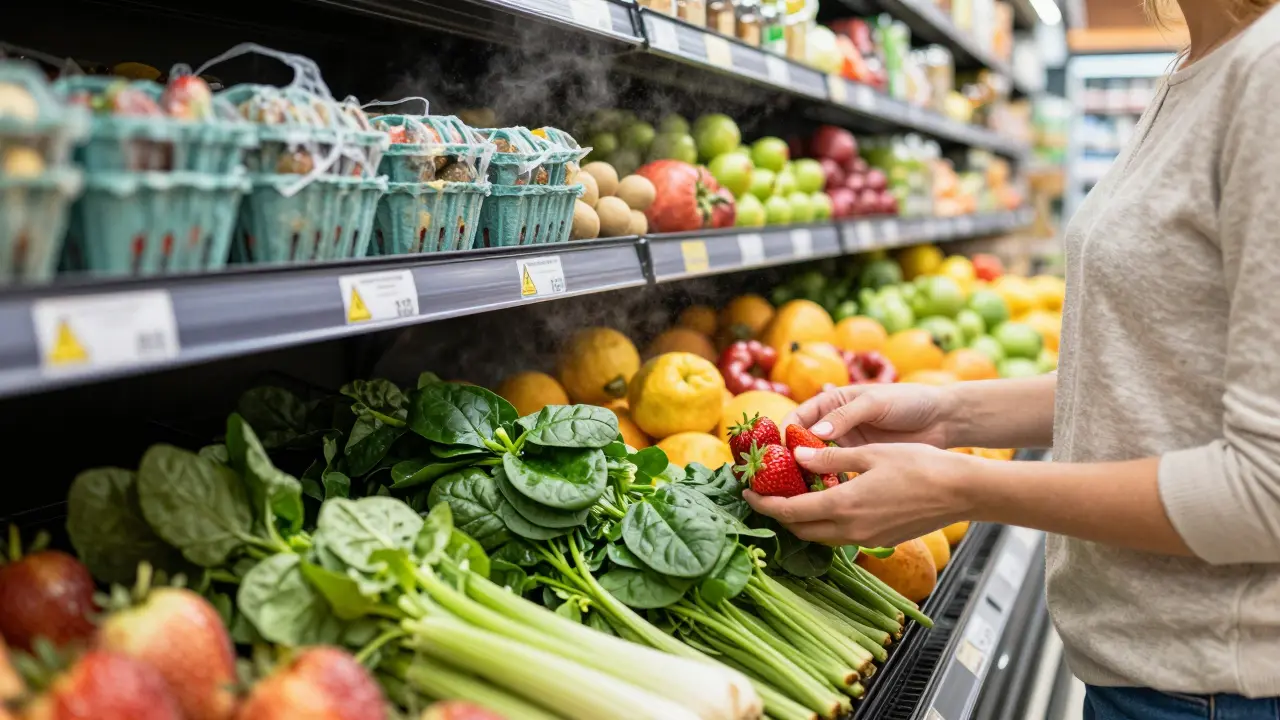
When you walk through the grocery store and see those bright green labels saying "organic," it’s easy to wonder: is it worth the extra cost? Many people buy organic because they believe it’s healthier, but what does the science actually say? Let’s cut through the noise and look at what’s real, what’s exaggerated, and what you can reasonably expect from choosing organic foods.
Lower Pesticide Residue Isn’t Just a Marketing Claim
One of the clearest advantages of organic foods is significantly lower pesticide residue. The USDA regularly tests produce, and in their latest data from 2024, nearly 70% of conventionally grown fruits and vegetables had detectable pesticide residues. In contrast, only about 18% of organic samples showed any residue at all. That’s not a small difference-it’s a fivefold reduction.
This matters because some of these chemicals, like glyphosate and chlorpyrifos, have been linked to hormonal disruption, reduced fertility, and even neurodevelopmental issues in children. A 2023 study from Harvard tracked over 4,000 adults over five years and found those who ate mostly organic produce had 25% lower levels of pesticide metabolites in their urine. That doesn’t mean you’ll get sick from non-organic apples, but if you’re eating the same produce daily-like strawberries, spinach, or bell peppers-reducing cumulative exposure adds up.
Organic Dairy and Meat May Have Better Fatty Acid Profiles
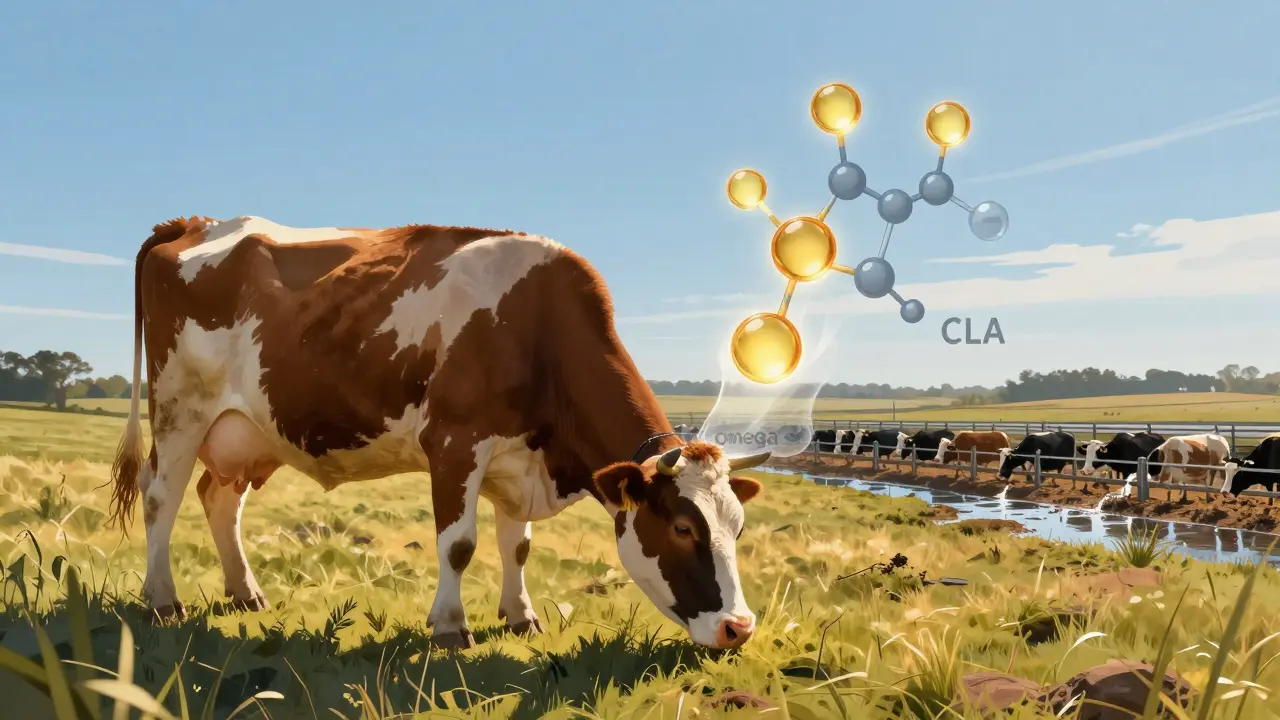
When it comes to animal products, organic isn’t just about what the animals don’t eat-it’s about what they do eat. Organic livestock must graze on pasture for at least 120 days a year and can’t be given antibiotics or growth hormones. That changes the fat composition of their meat and milk.
Research from the University of Newcastle in 2025 analyzed over 200 studies and found that organic milk had 50% more omega-3 fatty acids than conventional milk. Omega-3s are linked to lower inflammation, better heart health, and improved brain function. Organic beef also showed higher levels of conjugated linoleic acid (CLA), a compound associated with reduced body fat and improved insulin sensitivity.
If you drink milk or eat meat regularly, switching to organic versions could be one of the most impactful dietary changes you make-especially if you’re not getting enough omega-3s from fish or flaxseeds.
Organic Produce Often Contains More Antioxidants
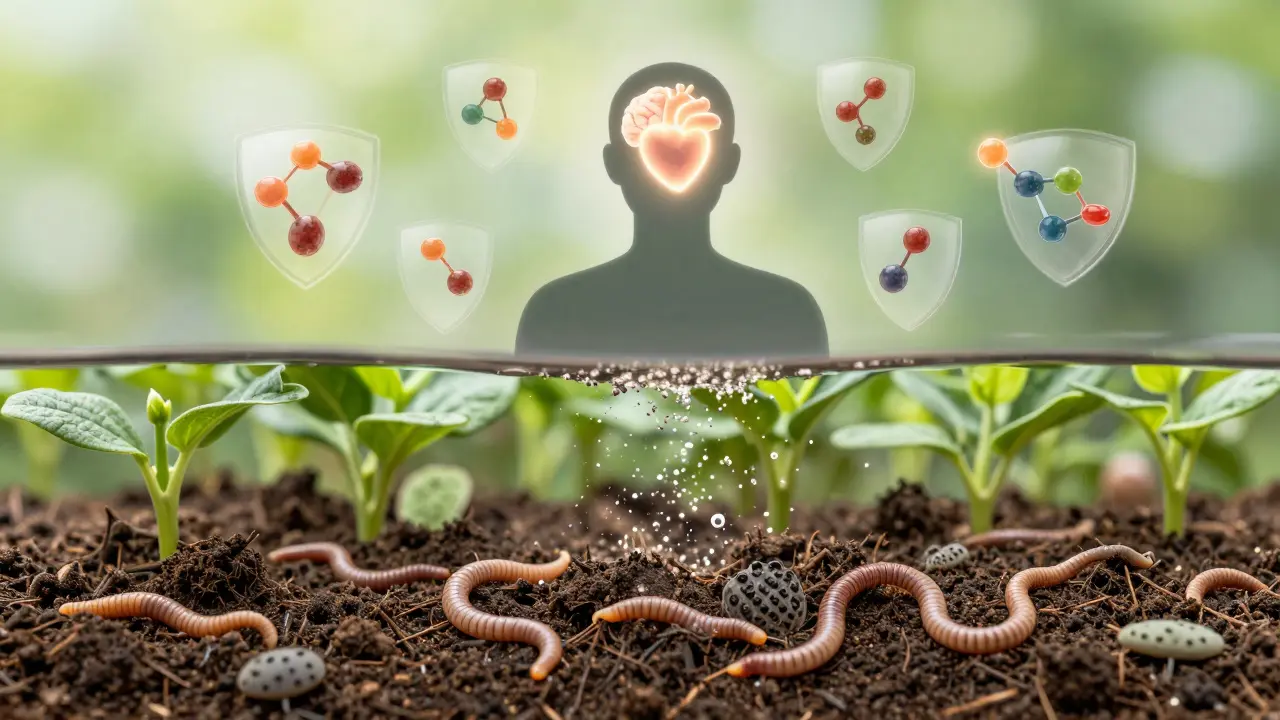
Plants produce natural chemicals to protect themselves from pests and environmental stress. When crops are grown organically-without synthetic fertilizers or pesticides-they have to work harder to survive. That stress triggers higher production of beneficial compounds like polyphenols and flavonoids.
A meta-analysis published in the British Journal of Nutrition in 2024 reviewed 343 studies and concluded that organic crops had, on average, 20% to 40% higher concentrations of antioxidants than conventional ones. That’s the same difference you’d see between eating a regular apple and one that’s been specially bred for high antioxidant content.
These antioxidants help fight oxidative stress in your body, which is tied to aging, heart disease, and some cancers. Think of it this way: organic tomatoes, blueberries, and onions aren’t just grown differently-they’re chemically more potent.
No Artificial Additives or GMOs
Organic standards ban artificial colors, flavors, preservatives, and sweeteners. If you’re trying to cut down on ultra-processed foods, organic labels help. You won’t find high-fructose corn syrup, synthetic dyes, or hydrogenated oils in certified organic packaged foods.
And while GMOs aren’t inherently unsafe, organic certification requires that crops be non-GMO. That’s important if you’re concerned about long-term effects of gene-edited crops or want to avoid the herbicide-heavy farming systems that often accompany them. Organic corn, soy, and canola are grown without genetic modification, and that means fewer chemical inputs in the soil and water.
It’s Not All About Nutrition-It’s About What’s Missing
Here’s something most people don’t talk about: organic food isn’t always nutritionally superior. A 2024 study from Stanford found that vitamin C, potassium, and fiber levels were largely unchanged between organic and conventional produce.
But that’s not the point. The real benefit isn’t that organic spinach has more iron-it’s that it doesn’t have traces of five different pesticides, doesn’t come from a farm that overuses groundwater, and doesn’t contribute to antibiotic-resistant bacteria. Organic farming bans routine antibiotic use in livestock, which helps slow the rise of superbugs. That’s a public health win, not just a personal one.
If you’re eating organic chicken, you’re less likely to be exposed to resistant strains of E. coli or Salmonella. If you’re drinking organic milk, you’re not ingesting synthetic growth hormones like rBST. These aren’t small details-they’re systemic health protections.
What About Cost and Accessibility?
Yes, organic food costs more. But you don’t have to go all-in to benefit. The Environmental Working Group’s "Dirty Dozen" list-updated every year-shows which fruits and veggies carry the highest pesticide loads. In 2025, strawberries, spinach, kale, apples, and grapes topped the list. If you buy just these five items organic, you cut your pesticide exposure by over 80%.
On the flip side, avocados, sweet corn, pineapples, and onions have very low pesticide residue even when conventionally grown. Buying those non-organic saves money without sacrificing safety.
And if you’re on a budget, consider local farmers’ markets. Many small farms use organic practices but aren’t certified because the paperwork is too expensive. Ask the grower: "Do you use synthetic pesticides?" If they say no, you’re getting the same benefits at a lower price.
Real-Life Impact: A Simple Switch
One woman in Perth, 42, switched her family to organic versions of the Dirty Dozen foods and cut out processed snacks. Within six months, her daughter’s chronic eczema improved noticeably. Her own fatigue and brain fog lifted. She didn’t change anything else-no supplements, no detoxes, no extreme diets. Just cleaner food.
Is that a miracle? No. It’s elimination. Remove the hidden toxins, and your body often starts healing itself.
Final Takeaway: It’s Not Perfect, But It’s Real
Organic food won’t make you live longer on its own. It won’t cure cancer or reverse diabetes. But it does reduce your exposure to chemicals linked to disease, increases your intake of protective plant compounds, and supports farming systems that are better for the environment and future health.
If you can afford it, prioritize organic for the foods you eat most often. If you can’t, focus on the ones with the highest pesticide load. Every swap counts. Your body doesn’t need perfection-it just needs fewer unnecessary poisons.
Are organic foods really more nutritious?
It depends on what you’re looking at. Organic foods don’t have significantly more vitamins or minerals than conventional ones. But they often contain 20% to 40% more antioxidants, especially in fruits and vegetables. The bigger nutritional advantage comes from organic animal products-organic milk and meat have higher levels of omega-3 fatty acids and CLA, which support heart and metabolic health.
Do organic foods have fewer pesticides?
Yes, by a large margin. USDA testing shows that 70% of conventionally grown produce has pesticide residues, while only about 18% of organic samples do. Some studies found that people who ate mostly organic had 25% lower levels of pesticide metabolites in their urine. This isn’t a minor difference-it’s a major reduction in daily chemical exposure.
Is organic meat and dairy worth the cost?
For many people, yes. Organic dairy has 50% more omega-3 fatty acids than conventional milk, and organic beef has higher levels of CLA. These fats are linked to lower inflammation and better heart health. Organic livestock also aren’t given antibiotics routinely, which helps prevent the rise of drug-resistant bacteria. If you eat meat or dairy regularly, switching to organic can have measurable health benefits.
Should I buy everything organic?
No, and you don’t need to. The Environmental Working Group’s "Dirty Dozen" list shows which fruits and vegetables have the highest pesticide residues-like strawberries, spinach, and apples. Prioritize buying these organic. For items like avocados, sweet corn, and onions, conventional is fine. You can cut your pesticide exposure by over 80% by focusing on just a few key items.
Does organic mean no GMOs?
Yes. By law, certified organic products cannot contain genetically modified organisms. That means organic corn, soy, canola, and sugar beets are non-GMO. This matters because GMO crops are often paired with heavy herbicide use. Choosing organic avoids both the genetic modification and the associated chemical spraying.
Can I trust farmers’ markets for organic food?
Many small farmers use organic methods but can’t afford the certification process. Ask them directly: "Do you use synthetic pesticides or fertilizers?" If they say no, you’re likely getting food that’s just as clean as certified organic-often at a better price. Look for farms that talk about soil health, crop rotation, and natural pest control. Those are signs of real organic practices.