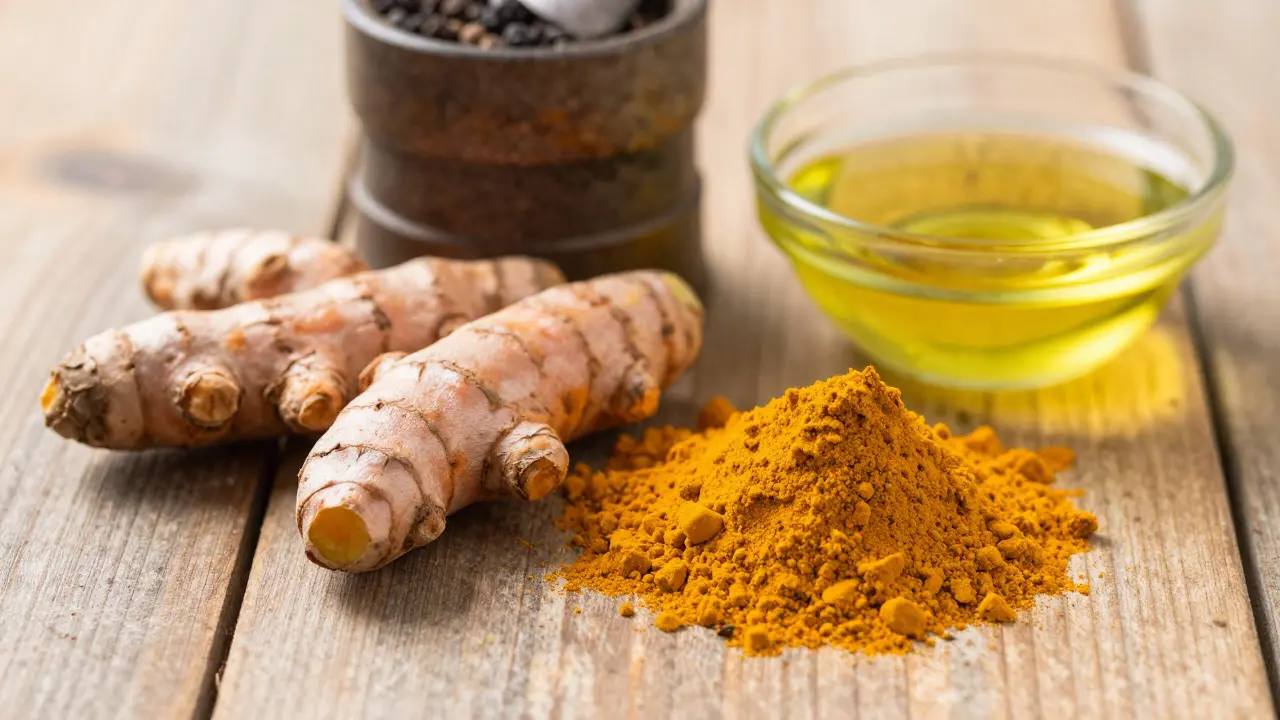
That bright yellow spice in your pantry is doing more than just adding color to your curry. For decades, Turmeric has been a staple in traditional medicine systems like Ayurveda and Traditional Chinese Medicine (TCM). But modern science is finally catching up to what people have known for centuries: this root contains powerful compounds that can change how your body handles inflammation and stress.
The star player here is Curcumin, the primary active compound in turmeric responsible for its vibrant hue and most of its medicinal properties. While turmeric is the whole root, curcumin is the specific chemical molecule that interacts with your cells. Understanding the difference between the two is crucial because eating turmeric alone might not give you the full benefit unless you know how to unlock its potential.
Why Inflammation Matters More Than You Think
You’ve probably heard the term "inflammation" thrown around in health circles. It’s often demonized, but it’s actually a vital immune response. When you cut your finger, inflammation helps heal it. The problem arises when this process becomes chronic-low-grade, persistent inflammation that never shuts off.
Chronic inflammation is linked to almost every major disease we face today, including heart disease, cancer, metabolic syndrome, and Alzheimer’s. This is where curcumin steps in as a heavyweight contender. Research suggests that curcumin blocks NF-kB, a molecule that travels into the nuclei of your cells and turns on genes related to inflammation. By blocking NF-kB, curcumin counteracts inflammation at the molecular level. It’s not just masking symptoms; it’s addressing the root cause.
Think of it like turning off a sprinkler system that’s stuck on. Instead of just mopping up the water (symptoms), curcumin helps fix the valve (the inflammatory pathway).
The Bioavailability Problem: Why Turmeric Alone Isn’t Enough
Here is the catch that trips up most people: curcumin is poorly absorbed into the bloodstream. If you eat plain turmeric powder, your body breaks it down quickly before it can do much good. This is known as low Bioavailability, which refers to the proportion of a nutrient or substance that enters circulation when introduced into the body and so is able to have an active effect.
To get real results, you need to boost this absorption. There are two simple, kitchen-friendly ways to do this:
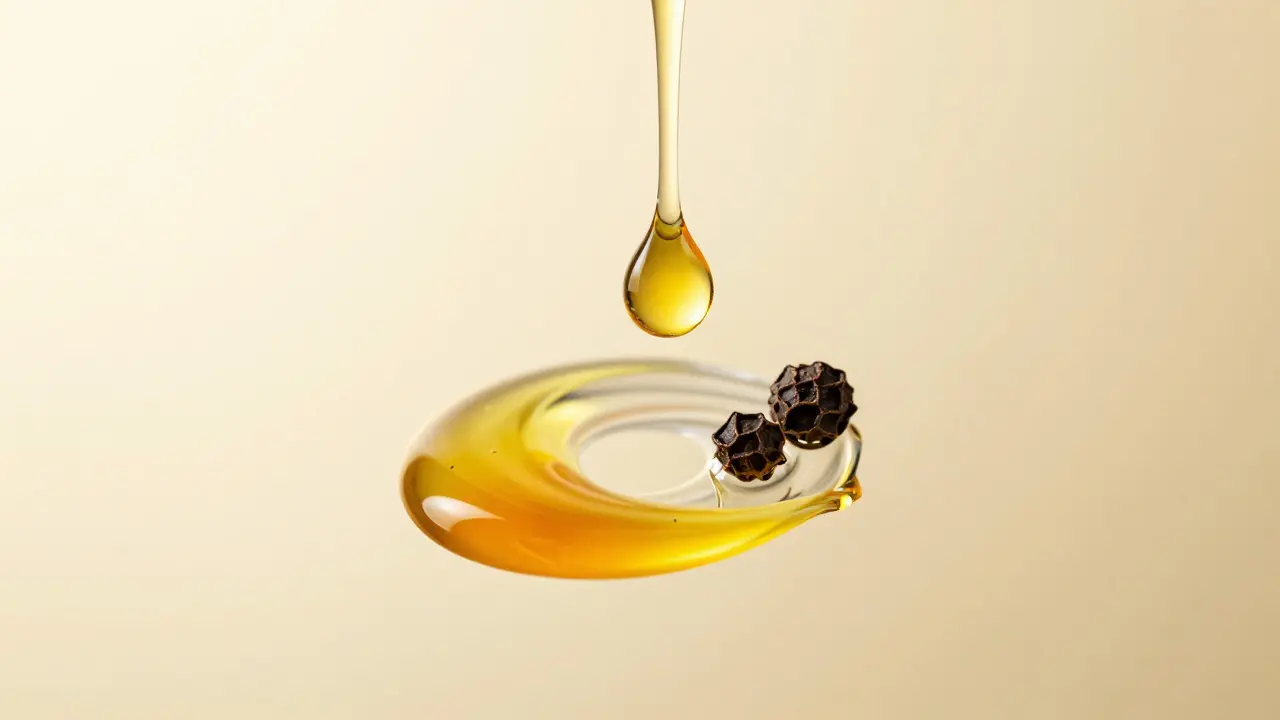
- Add Black Pepper: Black pepper contains Piperine, an active ingredient that enhances the absorption of curcumin by up to 2000%. A tiny pinch goes a long way.
- Add Healthy Fats: Curcumin is fat-soluble, meaning it dissolves in fat. Cooking turmeric in olive oil, coconut milk, or ghee helps your body absorb it much better than drinking it in water.
If you’re taking supplements, look for those that include piperine or use advanced delivery systems like liposomal encapsulation or phytosome technology to ensure you’re actually getting the dose listed on the label.
Key Health Benefits Backed by Science
Once you solve the absorption issue, the benefits become significant. Here is what the research says about what curcumin can actually do for you.
1. Natural Anti-Inflammatory Powerhouse
As mentioned, curcumin matches the effectiveness of some anti-inflammatory drugs in studies, without the side effects. For people dealing with arthritis, this is huge. Several studies have shown that curcumin can reduce pain and stiffness in rheumatoid arthritis patients. It works by inhibiting enzymes that contribute to inflammation, offering a natural alternative to NSAIDs like ibuprofen for mild to moderate cases.
2. Boosting Brain Health and Memory
Your brain isn’t immune to inflammation either. Curcumin boosts levels of a brain hormone called Brain-Derived Neurotrophic Factor (BDNF). Low levels of BDNF are associated with depression and Alzheimer’s disease. By raising BDNF, curcumin may delay or even reverse many brain diseases and age-related decreases in brain function. It essentially acts as fertilizer for your neurons, helping them grow and stay healthy.
3. Fighting Oxidative Stress
Oxidative damage plays a key role in aging and many diseases. It occurs when free radicals-unstable molecules-damage cells. Curcumin is a potent antioxidant that neutralizes free radicals due to its chemical structure. But it doesn’t stop there; it also stimulates your body’s own antioxidant enzymes. It’s a double-action defense system for your cells.
4. Heart Health Support
Heart disease remains the number one killer globally. Curcumin helps improve the function of the endothelium, which is the lining of your blood vessels. When the endothelium is damaged, it leads to high blood pressure and other heart issues. Studies show that curcumin is as effective as exercise in improving endothelial function. It also lowers inflammation and oxidation, both of which play critical roles in heart disease.
Turmeric vs. Curcumin Supplements: Which Should You Choose?
This is a common dilemma. Do you buy the raw spice or a bottle of pills? Both have their place, but they serve different purposes.
| Feature | Dietary Turmeric | Curcumin Supplements |
|---|---|---|
| Curcumin Content | Low (~3%) | High (95%+ standardized extract) |
| Absorption | Poor without fat/pepper | Enhanced with piperine/fat tech |
| Other Compounds | Contains essential oils, fibers | Isolated curcuminoids only |
| Best Use Case | General wellness, cooking | Targeted therapy for inflammation/pain |
| Cost | Very Low | Moderate to High |
If you want general health maintenance, cook with turmeric daily. Add it to smoothies, soups, rice, and roasted vegetables. Just remember the black pepper and fat rule.
If you are treating a specific condition like joint pain or severe inflammation, dietary amounts might not be enough. In these cases, a high-quality supplement with enhanced bioavailability is usually necessary to reach therapeutic levels in the blood.
How Much Turmeric or Curcumin Should You Take?
There is no single official recommended daily allowance for curcumin, but clinical trials provide some guidelines. Most studies showing benefits use doses ranging from 500 mg to 2,000 mg of curcumin per day. However, this refers to concentrated extract, not the spice itself.
For culinary use, aim for about 1/2 to 1 teaspoon of turmeric powder per day. This provides a modest amount of curcumin along with other beneficial compounds found in the whole root. If you take supplements, start with the lower end of the dosage range and monitor how your body responds. Always check the label for the percentage of curcuminoids to ensure potency.
Safety First: Side Effects and Interactions
Natural doesn’t always mean risk-free. While turmeric is generally safe for most people in food amounts, high doses of supplements can cause issues.
- Stomach Upset: High doses can cause nausea, diarrhea, or dizziness in some individuals.
- Blood Thinning: Curcumin has mild blood-thinning effects. If you are taking anticoagulants like warfarin or aspirin, talk to your doctor before starting high-dose supplementation to avoid bleeding risks.
- Kidney Stones: Turmeric contains oxalates, which can bind to calcium and form kidney stones in susceptible people. If you have a history of kidney stones, consume turmeric in moderation.
- Iron Absorption: High doses of curcumin may interfere with iron absorption, which could be a concern for people with anemia.
Pregnant women should stick to culinary amounts. High-dose supplements are not recommended during pregnancy as they may stimulate uterine contractions.
Practical Ways to Add Turmeric to Your Diet
You don’t need to force yourself to eat bitter powders. Here are easy, delicious ways to integrate turmeric into your routine:
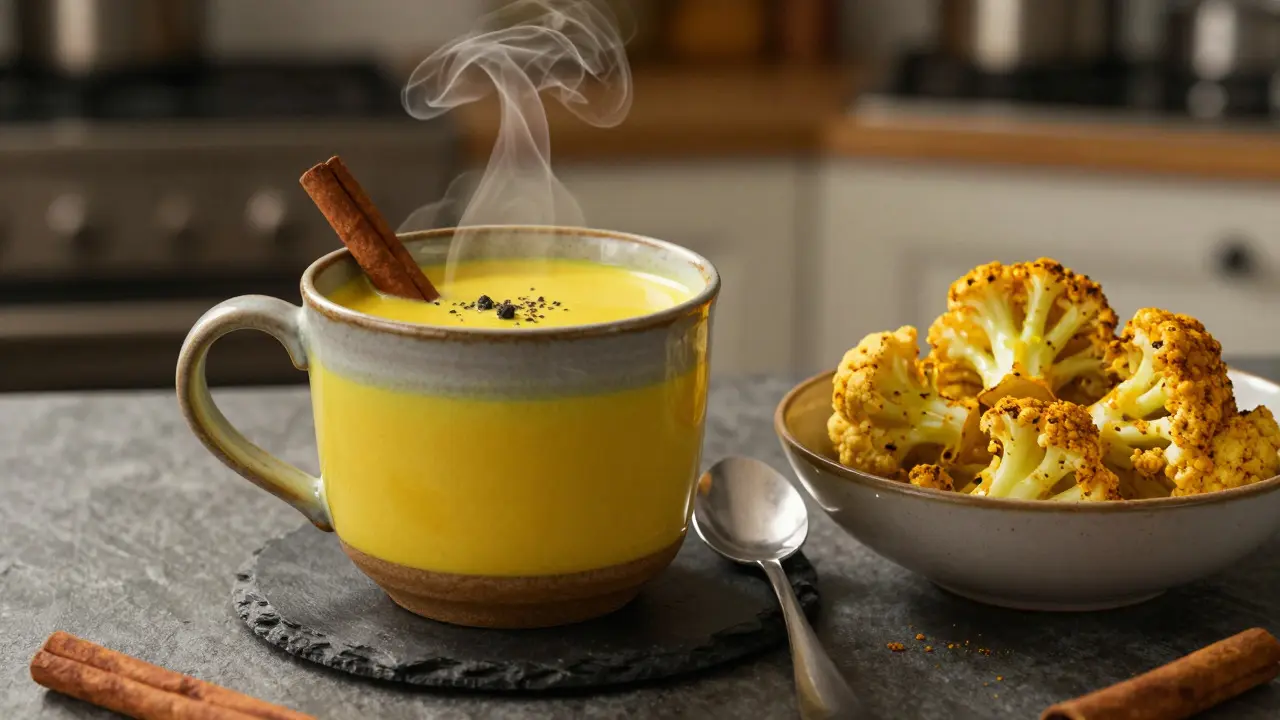
- Golden Milk: Warm up almond milk or oat milk with 1 teaspoon of turmeric, a pinch of black pepper, cinnamon, and a tablespoon of coconut oil. It’s soothing and perfect for evening wind-downs.
- Turmeric Smoothies: Blend frozen mango, spinach, ginger, and a half-teaspoon of turmeric. The sweetness of the fruit masks the earthy taste of the spice.
- Roasted Vegetables: Toss cauliflower, broccoli, or sweet potatoes in olive oil, turmeric, salt, and pepper before roasting. The heat enhances the flavor and absorption.
- Scrambled Eggs: Sprinkle a little turmeric into your eggs for a vibrant color and a subtle kick. It pairs surprisingly well with cheese and herbs.
Final Thoughts on Making It Work
Turmeric and curcumin are not magic bullets. They won’t cure everything overnight. But they are powerful tools in your health toolkit. The key is consistency and proper preparation. Eating turmeric occasionally won’t do much. Incorporating it daily, paired with black pepper and healthy fats, creates a cumulative effect that supports your body’s natural defenses against inflammation and oxidative stress.
Start small. Add it to your next meal. Notice how you feel. And if you’re considering supplements for specific health issues, consult with a healthcare provider to ensure it fits your personal health profile.
Does turmeric really work for inflammation?
Yes, numerous studies suggest that curcumin, the active compound in turmeric, has strong anti-inflammatory effects. It works by blocking molecules like NF-kB that trigger inflammation. However, it must be consumed with black pepper and fat for optimal absorption to be effective.
Can I take turmeric every day?
For most people, yes. Consuming turmeric daily in culinary amounts is safe and beneficial. If taking high-dose supplements, it’s advisable to cycle them or consult a doctor, especially if you have underlying health conditions or take medications.
What is the best time to take turmeric?
Turmeric is best taken with meals because it is fat-soluble. Taking it with food containing healthy fats improves absorption and reduces the risk of stomach upset. There is no strict "best time," but consistency is key.
Does turmeric stain clothes or teeth?
Yes, turmeric is a potent dye. It can stain clothing, countertops, and even teeth if used in large quantities over time. Using a straw for golden milk or brushing your teeth after consuming turmeric-rich foods can help prevent staining.
Is fresh turmeric better than powdered turmeric?
Fresh turmeric root has a brighter, more pungent flavor and may contain slightly higher levels of volatile oils. Powdered turmeric is more convenient and has a longer shelf life. Both are effective, but fresh root requires grating or blending. Ensure you still add pepper and fat regardless of the form.