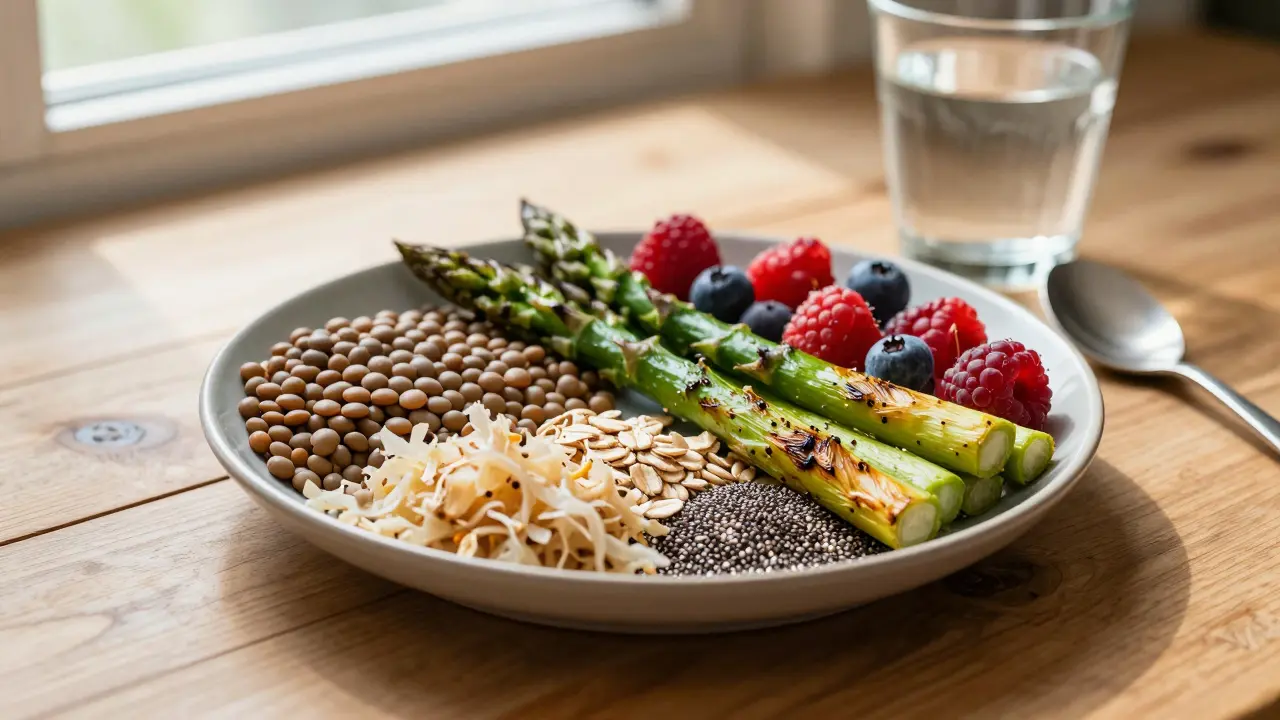
Did you know that the bacteria in your gut outnumber the cells in your body? It’s not science fiction-it’s biology. Your gut is home to trillions of microorganisms that influence everything from your mood to your immune system, your skin to your energy levels. Yet most people treat gut health like an afterthought-only thinking about it when they’re bloated, constipated, or having stomach cramps. The truth? You don’t need to wait for symptoms to start fixing your gut. The best time to improve your gut health was yesterday. The second best time is today.
What Exactly Is Gut Health?
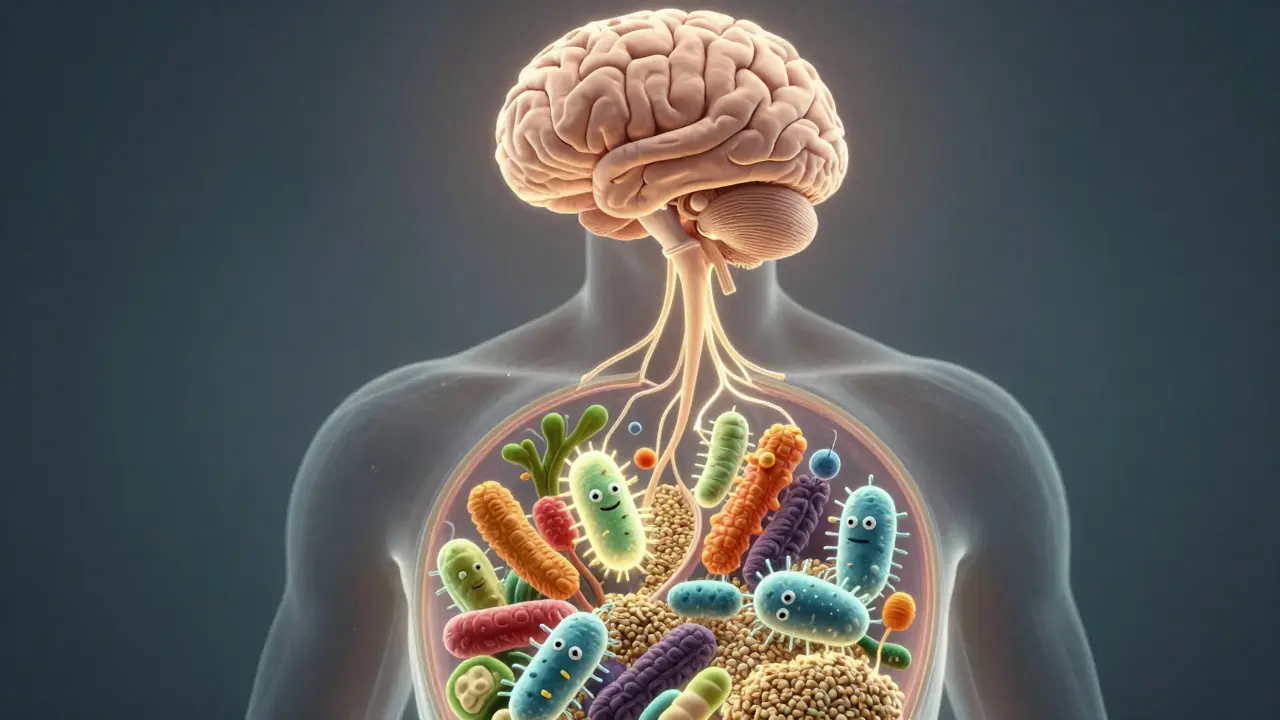
Gut health refers to the balance of microorganisms living in your digestive tract. This collection of bacteria, fungi, viruses, and other microbes is called the gut microbiome. It’s not just a passive passenger in your body-it’s an active organ. Your gut microbiome helps break down food, produces essential vitamins like B12 and K, trains your immune system, and even communicates with your brain through the vagus nerve. When this system is in balance, you feel better, digest food easily, and stay sick less often. When it’s out of balance, you might get frequent bloating, gas, food sensitivities, fatigue, or even anxiety and depression.
The gut microbiome is unique to you, shaped by your diet, where you grew up, whether you were breastfed, antibiotics you’ve taken, stress levels, and even how you were born. No two people have the exact same gut bacteria, which is why what works for your friend might not work for you.
Signs Your Gut Needs Help
You don’t need a lab test to know your gut is struggling. Look for these common signs:
- Regular bloating, gas, or stomach discomfort after meals
- Constipation or diarrhea that comes and goes
- Food intolerances (like lactose or gluten) that weren’t there before
- Unexplained fatigue, even after sleeping well
- Skin issues like acne, eczema, or rosacea
- Mood swings, anxiety, or brain fog
- Getting sick often or taking longer to recover
If you’ve had two or more of these for more than a few weeks, your gut is sending you a signal. Ignoring it won’t make it go away.
How Food Shapes Your Gut
Your diet is the biggest lever you have to change your gut microbiome. What you eat feeds the good bacteria-or the bad ones. Here’s what actually works:
1. Eat More Fiber
Fiber doesn’t just help with bowel movements. It’s food for your good gut bacteria. These microbes ferment fiber into short-chain fatty acids like butyrate, which reduce inflammation and strengthen your gut lining. Most people in Australia eat less than half the recommended 30 grams per day.
Focus on:
- Legumes: lentils, chickpeas, black beans
- Whole grains: oats, barley, quinoa, brown rice
- Vegetables: broccoli, Brussels sprouts, carrots, artichokes
- Fruits: apples, pears, berries, bananas
- Nuts and seeds: flaxseeds, chia seeds, almonds
Start slow. Jumping from 10g to 30g of fiber overnight will make you bloated. Add one extra serving a day, and give your gut a week to adjust.
2. Include Fermented Foods
Fermented foods are natural sources of live bacteria-probiotics. These aren’t just supplements; they’re whole foods that have been preserved by beneficial microbes.
Try these daily:
- Plain, unsweetened yogurt with live cultures
- Kefir (a fermented milk drink-more potent than yogurt)
- Sauerkraut (raw, refrigerated, no vinegar)
- Kimchi (spicy Korean fermented veggies)
- Miso paste (use in soups, not boiled)
- Apple cider vinegar with the mother
Don’t assume all store-bought versions work. Many are pasteurized, which kills the good bacteria. Look for labels that say "raw," "unpasteurized," or "contains live cultures."
3. Eat Prebiotic Foods
Prebiotics are the fiber that only good bacteria can digest. They’re like fertilizer for your probiotics. Without them, even the best probiotic supplements won’t thrive.
Top prebiotic foods:
- Garlic and onions
- Leeks and asparagus
- Jerusalem artichokes (sunchokes)
- Chicory root
- Green bananas
- Resistant starch: cooled cooked potatoes, rice, or oats
Resistant starch is especially powerful. Cook pasta or rice, let it cool in the fridge overnight, then eat it cold or gently reheated. That cooling process turns some starch into a prebiotic.
What to Avoid
Some foods actively damage your gut lining and feed bad bacteria. These are the biggest offenders:
- Added sugar and high-fructose corn syrup
- Ultra-processed foods: chips, packaged snacks, sugary cereals
- Artificial sweeteners: aspartame, sucralose, saccharin
- Excessive alcohol
- Refined oils: soybean, canola, corn oil
Studies show artificial sweeteners can alter gut bacteria in ways that increase blood sugar levels-even if you’re not eating sugar. Alcohol, even in moderate amounts, can increase gut permeability ("leaky gut") and trigger inflammation.
Stress and Sleep: The Hidden Gut Killers
Your gut and brain are connected by the gut-brain axis. Stress doesn’t just make you feel anxious-it slows digestion, reduces blood flow to your gut, and changes the balance of bacteria. Chronic stress is linked to IBS, Crohn’s disease, and food sensitivities.
Here’s what helps:
- Deep breathing for 5 minutes a day-inhale for 4, hold for 4, exhale for 6
- Walking outside in natural light, especially in the morning
- Getting 7-8 hours of sleep, consistently
- Turning off screens 1 hour before bed
One 2023 study from the University of Melbourne found that people who slept less than 6 hours a night had significantly lower levels of beneficial gut bacteria compared to those who slept 7+ hours-even when diet was the same.
Probiotic Supplements: Do You Need Them?
Probiotic supplements aren’t magic pills. They’re tools. And like any tool, they work best in the right situation.
You might benefit from a supplement if:
- You’ve recently taken antibiotics
- You have IBS and haven’t found relief with diet alone
- You’re dealing with chronic bloating or diarrhea
Not all probiotics are equal. Look for:
- Strains with research backing: Lactobacillus rhamnosus GG, Bifidobacterium infantis, Saccharomyces boulardii
- At least 10 billion CFUs (colony-forming units)
- Refrigerated formulas if possible-they’re more stable
- No added sugar or fillers
Don’t take probiotics without food. Take them with a meal that has some fat-it helps them survive stomach acid.
Testing Your Gut Health
You don’t need a fancy test to start improving your gut. But if you’ve tried everything and still feel off, a stool test might help. These tests analyze your gut bacteria, yeast, inflammation markers, and digestive enzyme levels.
Popular options include:
- Genova Diagnostics GI-MAP
- Viome Gut Intelligence Test
- Doctor’s Data Comprehensive Stool Analysis
These aren’t cheap-usually $200-$400-and aren’t covered by Medicare. But if you’ve been struggling for years, they can reveal hidden imbalances like SIBO (small intestinal bacterial overgrowth) or fungal overgrowth.
What Takes Time-And What Doesn’t
Here’s the truth: your gut doesn’t change overnight. But it also doesn’t take years. Most people start feeling better in 2-4 weeks with consistent changes. Here’s what works fast:
- Removing sugar and processed foods: 3-7 days
- Adding fermented foods: 1-2 weeks
- Increasing fiber: 2-4 weeks
Long-term changes-like rebuilding diversity in your microbiome-take 3-6 months. That’s why consistency beats intensity.
Your 7-Day Gut Reset Plan
Start simple. Pick one week to focus on your gut. No extreme diets. Just these steps:
- Replace breakfast cereal with oatmeal topped with chia seeds and berries
- Swap afternoon snack for a handful of almonds or an apple
- Have one serving of fermented food daily (yogurt, sauerkraut, or miso soup)
- Drink 2 liters of water
- Walk 20 minutes after dinner
- Turn off screens by 9:30 PM
- Write down how you feel each night: energy, digestion, mood
At the end of the week, you’ll likely notice less bloating, better sleep, and more mental clarity. That’s your gut thanking you.
When to See a Professional
Some gut issues need more than diet. See a doctor or registered dietitian if you have:
- Unexplained weight loss
- Bloody or black stools
- Severe or worsening abdominal pain
- Family history of colon cancer or inflammatory bowel disease
- Symptoms that don’t improve after 6 weeks of dietary changes
Conditions like celiac disease, Crohn’s, or SIBO require medical diagnosis and treatment. Don’t self-diagnose.
Final Thought: Your Gut Is Your Second Brain
Gut health isn’t about chasing the latest supplement or detox tea. It’s about building a lifestyle that supports your inner ecosystem. It’s not a quick fix. It’s a daily practice. Eat real food. Move your body. Sleep well. Manage stress. Repeat.
When you care for your gut, you’re not just fixing digestion-you’re building resilience, clarity, and energy for everything else in your life.
Can probiotics help with bloating?
Yes, certain probiotics like Lactobacillus rhamnosus GG and Bifidobacterium infantis have been shown in clinical trials to reduce bloating in people with IBS. But they work best when paired with a high-fiber diet and reduced sugar intake. Taking probiotics alone won’t fix bloating caused by processed foods or stress.
Is coffee bad for gut health?
Coffee can irritate the gut lining in sensitive people, especially on an empty stomach. But for most, moderate coffee (1-2 cups a day) doesn’t harm gut health. In fact, coffee contains polyphenols that may feed beneficial bacteria. If you notice heartburn or loose stools after coffee, try drinking it with food or switching to low-acid varieties.
Do I need to take prebiotic supplements?
Most people don’t. Prebiotics are naturally found in garlic, onions, asparagus, oats, and cooled potatoes. You can get enough from food. Supplements are only helpful if you’re struggling to eat enough fiber or have a diagnosed condition like SIBO. Too much prebiotic fiber too fast can cause gas and bloating.
Can antibiotics permanently damage my gut?
Antibiotics can significantly reduce gut bacteria diversity, sometimes for months. But they don’t cause permanent damage in healthy people. The microbiome usually rebounds within 3-6 months, especially if you eat plenty of fiber and fermented foods afterward. Taking probiotics during and after antibiotics can help speed recovery.
Is gluten bad for everyone’s gut?
No. Only people with celiac disease or non-celiac gluten sensitivity need to avoid gluten. For the majority, whole grain wheat provides fiber and nutrients that support gut bacteria. Cutting out gluten without a medical reason may reduce your fiber intake and harm your microbiome. Don’t assume gluten is the problem unless you’ve been tested.
How long does it take to see results from improving gut health?
Most people notice less bloating and better digestion in 2-4 weeks. Energy and mood improvements often follow in 4-6 weeks. Full microbiome diversity can take 3-6 months. The key is consistency-not perfection. Even small daily habits add up over time.