
The Core Logic of Liquid Nutrition
To understand why health juice works, you have to look at how our bodies process food. Normally, your stomach spends hours breaking down tough plant fibers to get to the vitamins inside. When you juice, you remove the bulk of the insoluble fiber. While fiber is great for digestion, removing it in this specific context allows the nutrients to hit your system almost instantly. This is a game-changer for people with sensitive guts or those who struggle to eat five servings of vegetables a day.
Think of it as a concentrated shot of plant power. For example, Chlorophyll is the green pigment found in plants that is structurally similar to hemoglobin in human blood. When you drink a juice rich in kale or spinach, you're consuming high levels of this compound, which helps oxygenate your blood and supports natural detoxification processes in the liver.
Key Takeaways for Your Wellness Routine
- Focus on low-sugar, vegetable-heavy blends to avoid insulin spikes.
- Use cold-pressed methods to keep enzymes intact.
- Drink juice on an empty stomach for maximum absorption.
- Pair your juice with a source of protein or healthy fat to stabilize blood sugar.
Cold-Pressed vs. Centrifugal Juicing
Not all juicers are created equal. If you use a standard centrifugal juicer, the high-speed blade generates heat. This heat can oxidize delicate enzymes and vitamins, meaning you're losing the "healing" part of the drink before it even hits the glass. Cold-pressed juicing, also known as masticating juicing, uses a slow-turning screw to crush the produce, extracting juice without introducing heat or significant oxygen.
This difference is why a professional cold-pressed juice can stay fresh for three days, while a home-made centrifugal juice starts tasting "off" within hours. If you're investing in a machine for health reasons, the slow-masticating style is the only way to ensure you're getting the full spectrum of Phytonutrients, which are natural compounds produced by plants that help protect the plant from pests and the human body from chronic disease.
| Feature | Centrifugal Juicer | Cold-Pressed (Masticating) |
|---|---|---|
| Extraction Speed | Very Fast | Slow |
| Nutrient Retention | Moderate (Heat loss) | High (No heat) |
| Texture | Thin/Watery | Thicker/Rich |
| Noise Level | Loud | Quiet |
| Best For | Quick breakfast juice | Healing and therapeutic blends |
Fighting Inflammation with Targeted Blends
One of the most powerful ways juice heals is by reducing systemic inflammation. Chronic inflammation is the silent driver behind everything from joint pain to brain fog. By using specific roots and greens, you can create a drink that acts like a natural anti-inflammatory agent. Curcumin is the active compound in turmeric that blocks inflammatory cytokines. When blended into a juice with a pinch of black pepper (which increases absorption by 2,000%), it becomes a potent tool for recovery.
Consider the impact of Ginger, a rhizome known for its gingerol content which aids digestion and reduces muscle soreness. A blend of carrot, apple, ginger, and turmeric doesn't just taste good; it actively signals your body to lower inflammation markers. If you've had a grueling workout or a long flight, these specific compounds help flush out metabolic waste and soothe sore tissues.

The Role of Antioxidants in Cellular Repair
Every day, your cells face an attack from Free Radicals, which are unstable molecules that cause oxidative stress and damage DNA. This is where Antioxidants come into play. They act as the "cleanup crew," neutralizing these unstable molecules before they can cause permanent damage.
Beets are a powerhouse in this regard. They contain Betalains, which are deep red pigments that provide intense antioxidant support and help the liver process toxins. More importantly, beets increase the production of Nitric Oxide, a molecule that relaxes blood vessels and improves oxygen flow to the brain and muscles. This is why many athletes drink beet juice before a race-it literally allows their muscles to work more efficiently by improving blood flow.
Avoiding the Sugar Trap: The Golden Ratio
The biggest mistake people make is treating juice like a fruit smoothie. If you make a drink consisting of three apples, two oranges, and a handful of grapes, you've essentially created a glass of sugar water. This causes a massive spike in blood glucose, leading to a crash that leaves you tired and hungry an hour later.
To keep the "healing" aspect intact, follow the 80/20 rule: 80% vegetables and 20% fruit. Use a base of cucumber or celery to provide volume and hydration without adding sugar. Add a squeeze of lemon or a slice of green apple for flavor. This balance ensures you get the vitamins without the metabolic stress of a sugar overload. If you're managing insulin sensitivity, stick to leafy greens and lemon, avoiding fruit entirely.
Practical Juicing Guide for Beginners
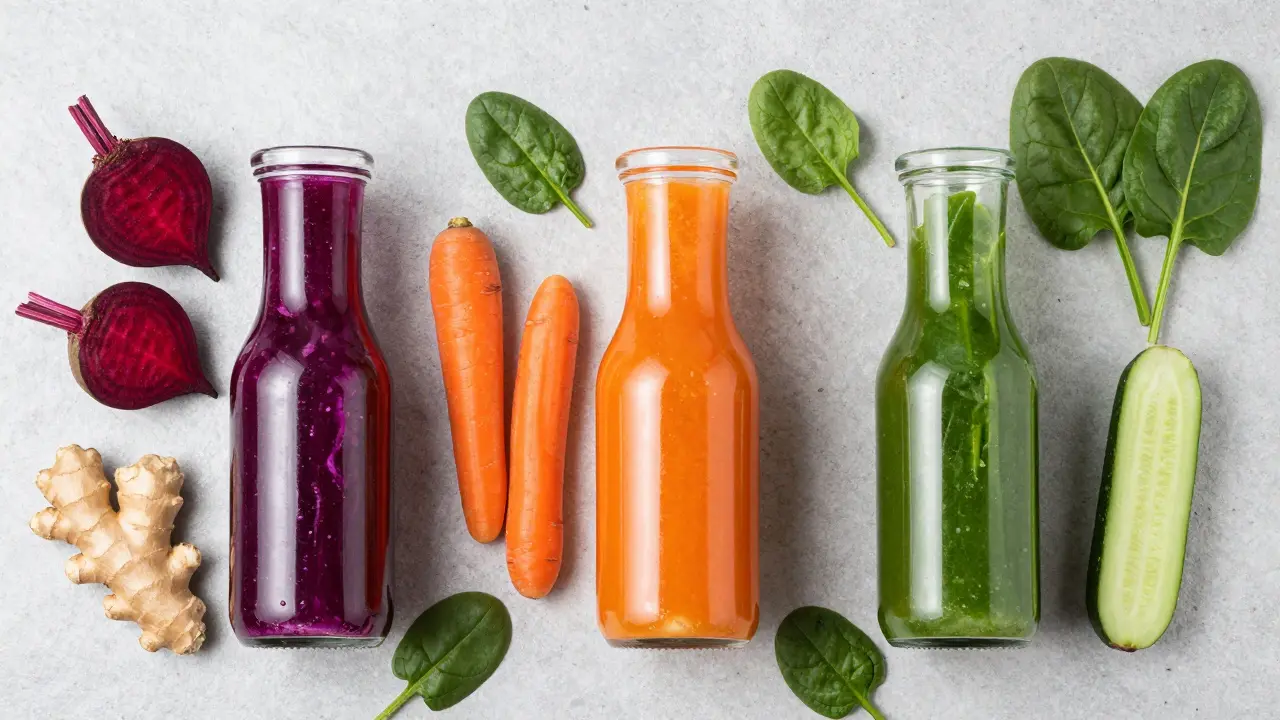
If you're new to this, don't start by drinking a gallon of wheatgrass. Your body needs time to adjust to the sudden influx of nutrients. Start slow and focus on variety. Different colors signify different nutrients; purple juices (blueberries, purple cabbage) are great for the brain, while orange juices (carrots, pumpkin) are usually rich in beta-carotene for skin and eye health.
- Prep your produce: Wash everything thoroughly. If the produce isn't organic, peel carrots and cucumbers to avoid pesticides.
- Layer your ingredients: Put the hardest vegetables (like carrots) first, followed by the softer greens (like spinach) to help the machine push everything through.
- Drink it fresh: For the highest enzyme activity, consume your juice within 20 minutes of pressing.
- Clean immediately: Juicers are a nightmare to clean if the pulp dries. Rinse the components immediately after use.
Beyond the Glass: Holistic Integration
Juicing is a tool, not a replacement. You still need the fiber from whole vegetables to feed your gut microbiome. Think of health juice as a supplement-a way to supercharge your system while you continue to eat balanced meals. When combined with hydration and a decent sleep schedule, the effects of liquid nutrition become much more apparent in your skin clarity and energy levels.
Can I replace a meal with health juice?
Generally, no. While juices provide a huge dose of micronutrients, they lack the protein, healthy fats, and fiber needed to keep you full and maintain muscle mass. Use juice as a supplement to a balanced diet, not a substitute for whole foods.
Is it better to juice or blend (smoothies)?
It depends on your goal. Blending keeps the fiber, which is better for digestion and blood sugar control. Juicing removes the fiber, making nutrients absorb faster and reducing the load on your digestive system. If you have a sensitive stomach, juicing is often the better choice.
Does the order of vegetables in the juicer matter?
Yes. Always start with the hardest, most fibrous vegetables like carrots or ginger. These help push the leafy greens (like spinach or kale) through the machine, preventing the greens from getting stuck and ensuring you get every drop of juice.
Why do some people feel sick after their first green juice?
This is often a "healing crisis' or detox reaction. When you suddenly flood your system with high levels of antioxidants and chlorophyll, your body may release toxins more rapidly than usual, causing mild headaches or nausea. Start with small amounts and increase gradually.
Which vegetables are the most nutrient-dense for juicing?
Kale, spinach, celery, beets, and carrots are among the best. Kale and spinach provide iron and vitamins K and A, while celery is excellent for hydration and reducing bloating. Beets provide nitrates for blood flow, and carrots provide essential beta-carotene.