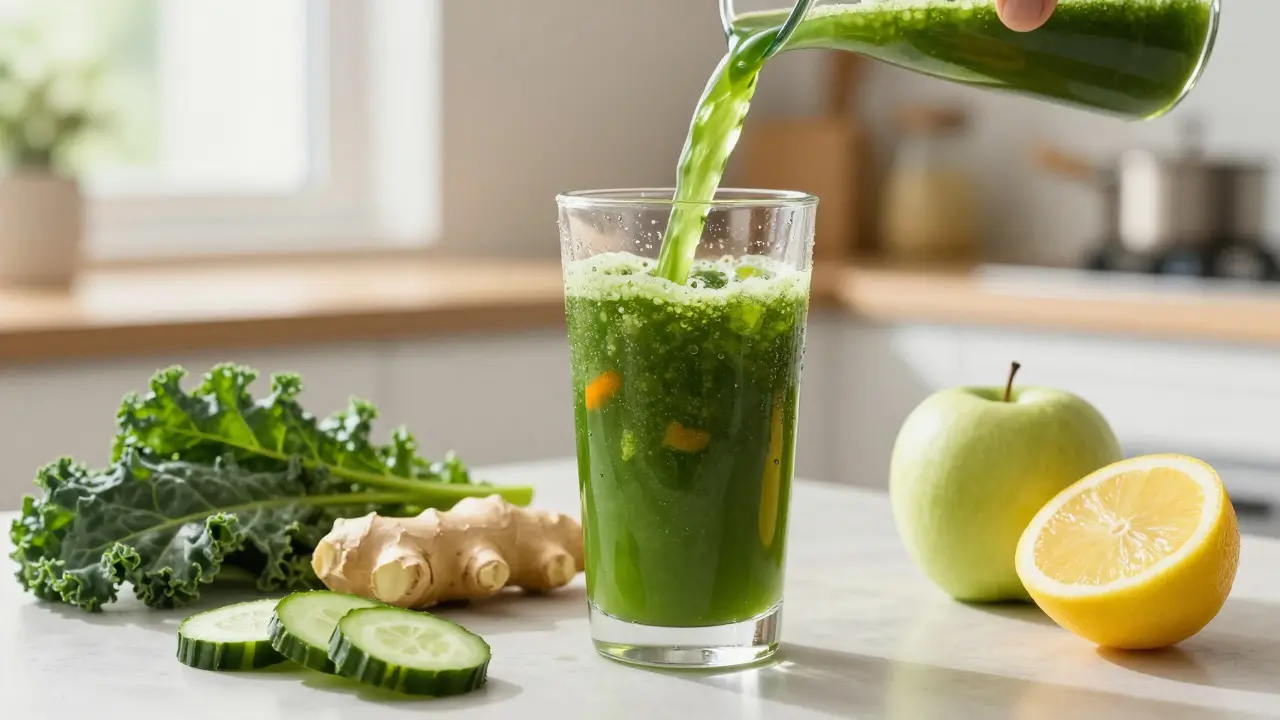
Imagine waking up not just refreshed, but feeling like your body is actually working for you instead of against you. That’s the promise behind health juice is a nutrient-dense beverage crafted from raw fruits and vegetables designed to maximize bioavailability and support daily wellness. It’s not magic, but it is science. When you blend or press produce, you break down cell walls that your digestive system might struggle with in whole form. This makes vitamins, minerals, and phytochemicals easier to absorb quickly. For many people in busy cities like Perth, where time is scarce and diet quality often dips during work weeks, a glass of well-made juice can be a practical way to hit micronutrient targets without chewing through an entire salad.
But here is the catch: not all juices are created equal. The difference between a sugar bomb disguised as health food and a genuinely functional drink lies in the balance of ingredients and the extraction method. We are going to look at why this matters, how to build a routine that sticks, and which combinations actually deliver results without leaving you jittery or bloated.
Why Your Body Craves Liquid Nutrients
Your digestive tract is a complex ecosystem. When you eat solid food, your stomach has to spend energy breaking down fiber and plant structures. While fiber is essential for long-term gut health, it can slow down the absorption of certain water-soluble vitamins. Juicing is the process of extracting liquid from fruits and vegetables, separating it from insoluble fiber. By removing the bulk, you create a concentrated source of nutrients that hits your bloodstream faster. This rapid delivery is particularly useful for rehydration after exercise or for boosting energy levels in the morning when cortisol spikes naturally.
However, speed comes with a trade-off. Because you lose most of the soluble fiber, blood sugar levels can rise more quickly than they would if you ate the whole fruit. This is why pairing your juice with a source of protein or healthy fat is crucial. Think of it as slowing down the rollercoaster. If you drink a pure orange juice on an empty stomach, you might feel a spike followed by a crash an hour later. Add some chia seeds or blend in a small amount of avocado, and that curve smooths out significantly. This stability keeps your energy consistent throughout the day, which is exactly what we want from our nutrition.
The Science Behind the Blend: Key Nutrients
To get the most out of your health juice, you need to understand what you are putting into the blender. It isn’t about counting calories; it’s about stacking specific compounds that work together. Let’s break down the core players:
- Vitamin C: Found abundantly in citrus, bell peppers, and kiwi. It supports immune function and collagen production. Interestingly, vitamin C is heat-sensitive, so cold-pressed methods preserve more of it than heating processes.
- Potassium: Bananas and spinach are high in potassium, an electrolyte critical for muscle function and blood pressure regulation. In hot climates, maintaining electrolyte balance is non-negotiable for hydration.
- Antioxidants: Berries, beets, and dark leafy greens contain flavonoids and anthocyanins. These molecules fight oxidative stress, which contributes to aging and chronic inflammation.
- Chlorophyll: Derived from green vegetables like kale and parsley. Chlorophyll is structurally similar to hemoglobin, suggesting potential benefits for oxygen transport in the blood, though more research is needed to confirm direct human effects.
The synergy between these nutrients is where the real power lies. For example, vitamin C enhances the absorption of non-heme iron found in plants. So, if you make a spinach-based juice, adding a squeeze of lemon doesn’t just add flavor; it chemically improves how much iron your body actually retains. This is a small detail that makes a big difference over time.
Crafting Your Perfect Cup: Recipe Frameworks
You don’t need a fancy machine to start. You just need a framework. A good rule of thumb is the 30-50-20 ratio: 30% hydrating base (cucumber, celery), 50% nutrient-dense greens or veg (kale, spinach, beetroot), and 20% sweetener for palatability (apple, pear, berries). This ensures you aren’t drinking a vegetable soup that tastes terrible or a fruit cocktail that is mostly sugar.
Here are three reliable templates you can adapt based on what’s in season:
- The Green Reset: Spinach, cucumber, green apple, ginger, and lemon. This is light, alkalizing, and great for digestion. The ginger adds a warming kick that stimulates circulation.
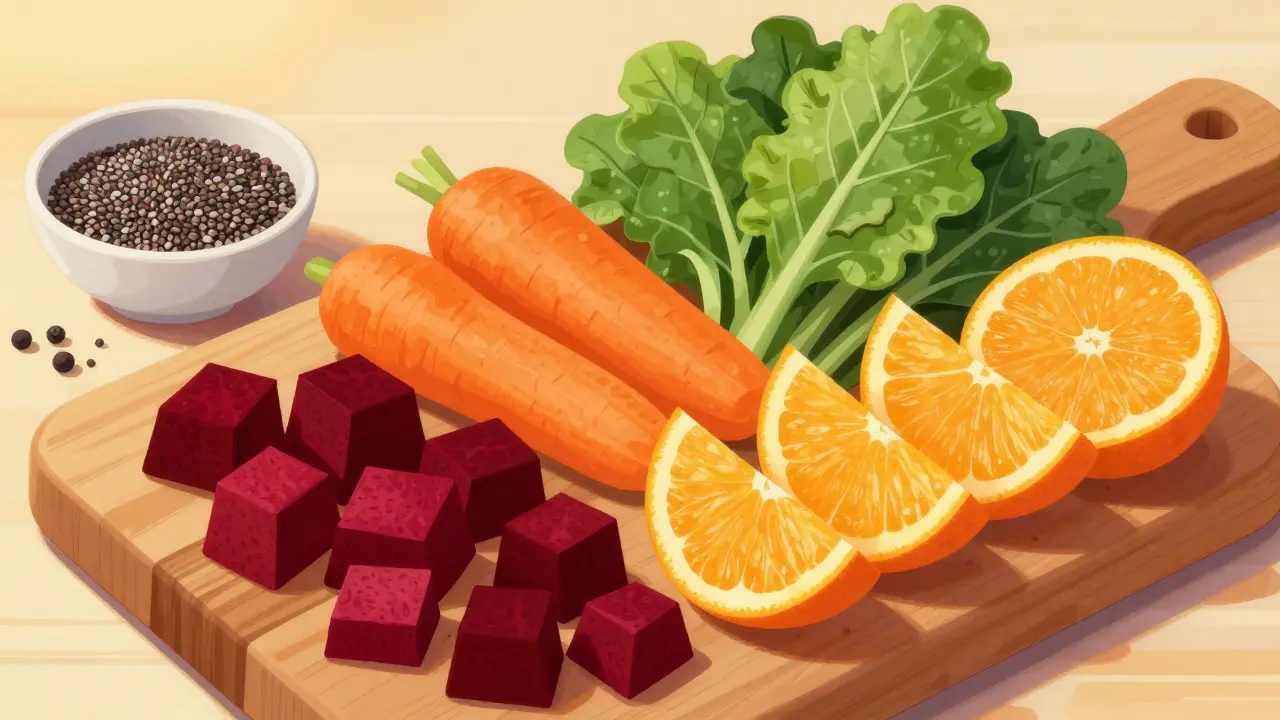
- The Energy Boost: Beetroot, carrot, orange, and a pinch of black pepper. Beets contain nitrates that convert to nitric oxide in the body, improving blood flow. The black pepper contains piperine, which may enhance the absorption of other compounds.
- The Immunity Shield: Kale, pineapple, turmeric, coconut water, and lime. Turmeric provides curcumin, a potent anti-inflammatory. Pineapple offers bromelain, an enzyme that aids protein digestion. Coconut water replaces lost electrolytes naturally.
When experimenting, change one ingredient at a time. If you love the Green Reset but find it too bitter, swap half the spinach for romaine lettuce. If the Energy Boost is too earthy, add a few strawberries. Taste is subjective, but the chemical principles remain the same.
Timing Matters: When to Drink Your Juice
Many people ask if there is a "best" time to drink juice. The answer depends on your goal. For general nutrient absorption, drinking it 30 minutes before a meal is ideal. This allows the enzymes and vitamins to enter the bloodstream without competing with the heavy workload of digesting a full plate of food. If you drink it immediately after a large meal, the acidity and volume might dilute stomach acid, potentially slowing down protein digestion.
If you are using juice for pre-workout fuel, aim for 60 to 90 minutes before your session. This gives your body enough time to absorb the carbohydrates and fluids without causing gastrointestinal distress during intense movement. Post-workout, focus on recovery. A juice containing tart cherry extract or tart cherry juice itself has been shown to reduce muscle soreness and inflammatory markers. Pair this with a protein shake to complete the recovery cycle.
Avoid drinking large volumes of juice right before bed. The natural sugars can disrupt sleep quality for some people, and the diuretic effect of certain fruits might lead to nighttime trips to the bathroom. Stick to smaller servings in the evening if you must, perhaps focusing on calming herbs like chamomile blended with mild fruit.
Navigating Common Pitfalls and Myths
Let’s address the elephant in the room: sugar. Critics argue that juice is just liquid candy. While true for 100% fruit juices, this criticism misses the point of a balanced vegetable-forward juice is a beverage where vegetables constitute the majority of the volume, minimizing added sugars while maximizing micronutrients.. If your recipe is 80% fruit, yes, you are essentially drinking sugar water. But if it’s 70% vegetables and 30% fruit, you are getting a significant dose of fiber-retaining nutrients with a manageable glycemic load.
Another myth is that you need to fast for 24 hours to "detox" via juicing. Your liver and kidneys are already doing this job efficiently every single day. Fasting isn’t necessary for detoxification, but a short period of lighter eating can give your digestive system a rest. However, extreme restriction often leads to rebound overeating. Instead of a harsh cleanse, try a "juice fast" day once a month where you replace two meals with nutrient-dense juices and keep the third meal simple and whole-food based. This approach is sustainable and less likely to cause metabolic confusion.
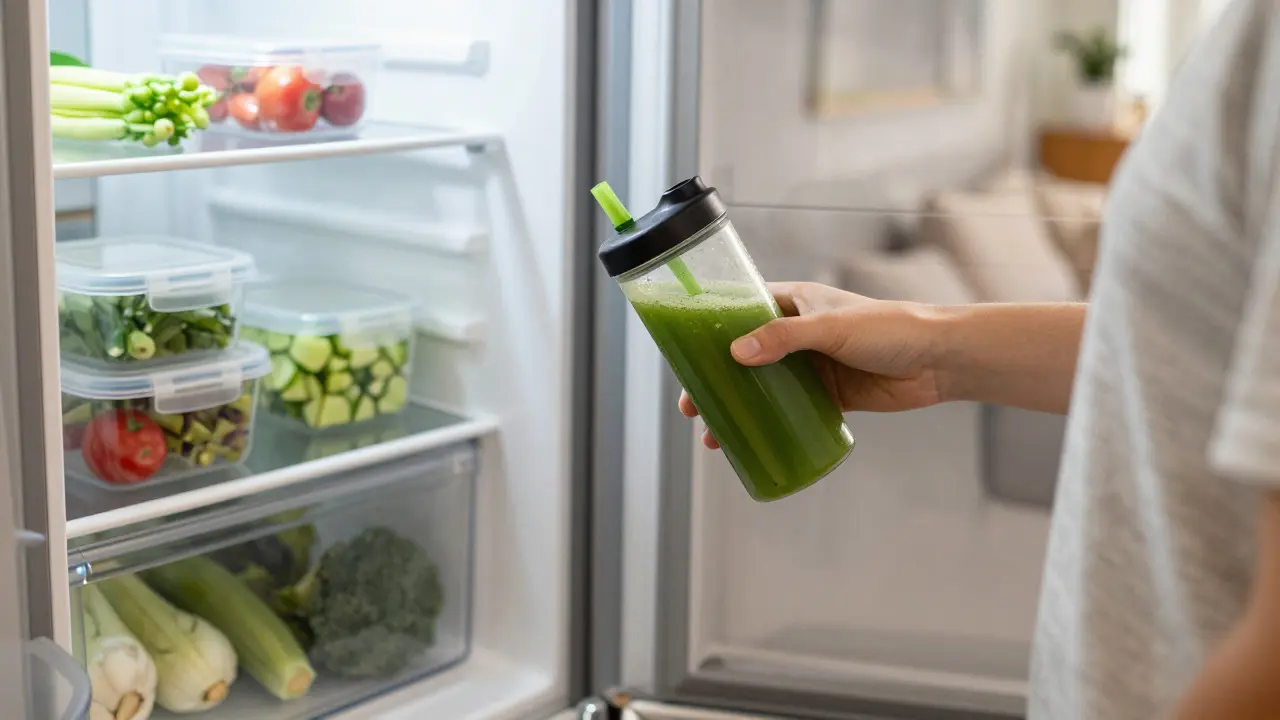
Finally, watch out for oxidation. Once you expose fruits and vegetables to air, oxidation begins. Vitamins like C degrade rapidly. This means fresh is best. Try to drink your juice within 30 minutes of making it. If you must store it, use a vacuum-sealed bottle or fill the container to the brim to minimize air exposure. Keep it refrigerated and consume within 24 hours for optimal nutrient retention.
Building a Sustainable Routine
Consistency beats intensity. You don’t need to juice five times a day. One or two glasses a week can make a noticeable difference in how you feel. Start by identifying your current gaps. Do you struggle with energy in the afternoon? Try adding a beetroot and orange blend mid-morning. Are you constipated? Increase the volume of leafy greens and add flaxseeds to your smoothies. Listen to your body’s feedback loop.
Prep is key. Washing and chopping vegetables takes time. Spend 30 minutes on Sunday washing your greens and cutting your roots into chunks. Store them in airtight containers in the fridge. When you wake up, you just toss them into the machine. This removes the friction that usually stops people from sticking to a habit. Make it as easy as pouring coffee.
Also, involve others. If you live with family or friends, share the recipes. Social accountability increases adherence. Plus, different people have different taste preferences. Someone who hates kale might love a berry and banana smoothie. By diversifying the household’s offerings, you ensure that everyone gets their required nutrients without forcing anyone to drink something they dislike.
Frequently Asked Questions
Is health juice better than eating whole fruits and vegetables?
Neither is inherently "better," but they serve different purposes. Whole foods provide fiber, which is crucial for gut health and satiety. Juice provides concentrated nutrients with higher bioavailability and faster absorption. Ideally, you should do both. Use juice to supplement your diet, especially if you struggle to meet the recommended five-a-day, but don't rely on it exclusively as it lacks the structural fiber of whole produce.
How long does fresh juice last in the fridge?
For optimal nutrient retention, drink within 30 minutes of making it. If stored properly in an airtight, vacuum-sealed container in the refrigerator, it can last up to 24 hours. After 24 hours, oxidation degrades vitamins like C and B-complex, reducing its efficacy. Always check for off smells or colors before consuming older batches.
Should I peel my fruits and vegetables before juicing?
Generally, no, unless the skin is waxy or thick. Apple skins contain significant amounts of quercetin and fiber. Carrot peels hold beta-carotene. However, if you buy conventional produce, wash thoroughly to remove pesticides. For organic produce, peeling is optional. Avoid peeling citrus fruits entirely as the white pith is very bitter and contains limonoids that can interfere with medication metabolism in rare cases.
Can I drink juice if I have diabetes?
Yes, but with caution. Since juice lacks fiber, it can spike blood glucose levels faster than whole fruit. Consult your doctor first. When making juice, prioritize low-glycemic vegetables like celery, cucumber, and leafy greens over high-sugar fruits. Limit fruit content to 20-30% of the volume and pair the juice with a source of protein or fat to slow absorption.
What is the difference between a smoothie and a juice?
A juice is extracted liquid with most of the fiber removed. A smoothie is blended whole produce, retaining all the fiber and pulp. Smoothies are more filling and take longer to digest. Juices are lighter and absorbed faster. Choose juice for quick nutrient delivery and hydration; choose smoothies for meal replacement or when you need sustained energy and satiety.