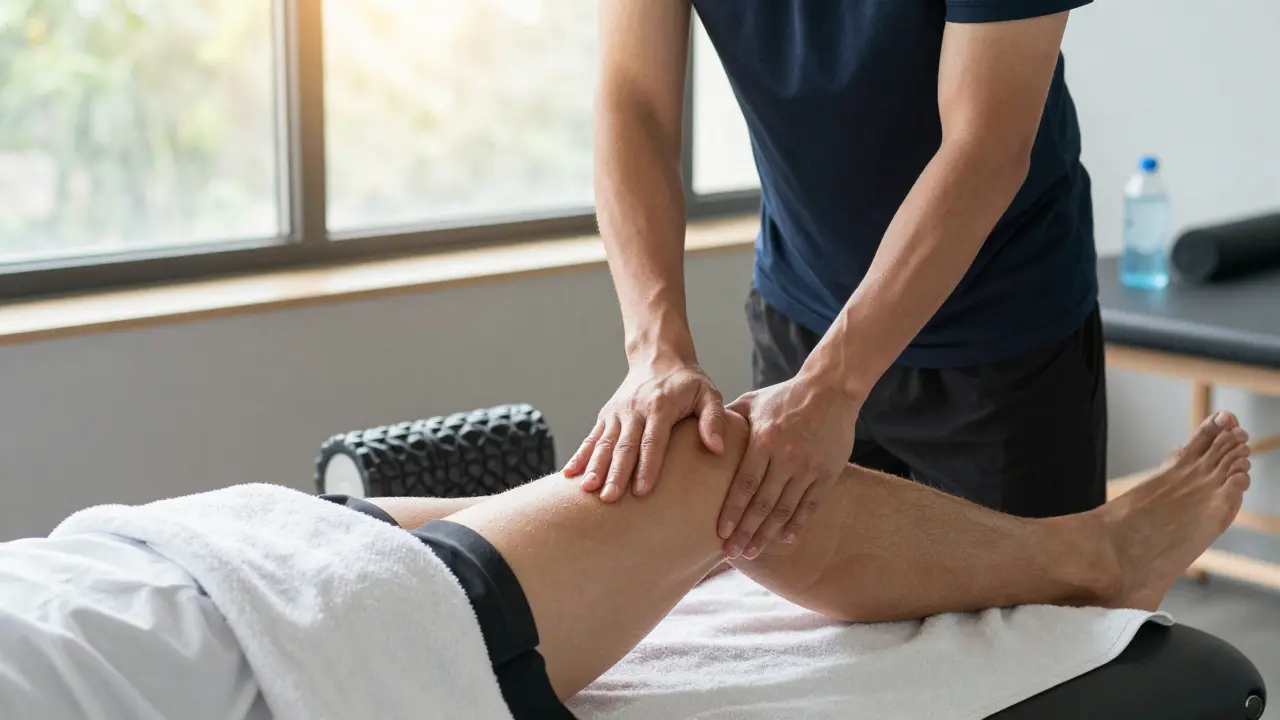
Most people think sports massage is just for athletes pushing through pain after a big game. But if you’re only using it to soothe sore muscles, you’re missing half the story. Sports massage isn’t just about relief-it’s a tool that quietly reshapes how your body moves, recovers, and performs. And you don’t have to be a pro to benefit.
It’s Not Just About Sore Muscles
After a tough run or weight session, your muscles tighten up. That’s normal. But what most people don’t realize is that tightness isn’t just uncomfortable-it’s a bottleneck for performance. Sports massage doesn’t just rub away the ache. It targets the connective tissue around muscles, called fascia, which can become sticky and restricted over time. When fascia locks up, your range of motion shrinks. Your stride gets shorter. Your lifts feel heavier. A skilled therapist uses specific techniques-like cross-fiber friction and myofascial release-to break those adhesions. One 2023 study tracking recreational runners found that those who got weekly sports massages improved their stride efficiency by 12% over eight weeks, even without changing their training.
Recovery Isn’t Just Rest
You’ve heard that rest is key to recovery. But rest alone doesn’t fix what’s happening inside your muscles. After intense exercise, metabolic waste like lactic acid builds up. Your body clears it naturally, but slowly. Sports massage boosts blood flow to those fatigued areas, speeding up the cleanup process. It’s not magic-it’s physics. More circulation means faster delivery of oxygen and nutrients, and quicker removal of waste. Athletes who got massage within 30 minutes after training reported feeling less stiff the next day, and their heart rate variability (a key marker of recovery) improved significantly compared to those who only stretched.
Injury Prevention Starts With Feeling
Most injuries don’t happen during the big moment. They creep in from tiny imbalances that go unnoticed. A tight hip flexor. A stiff shoulder blade. A calf that’s always tighter on one side. Sports massage helps you notice these things before they turn into pain. Therapists don’t just massage-they assess. They’ll point out asymmetries, trigger points, and areas of chronic tension you’ve learned to ignore. One Australian physiotherapist working with semi-pro soccer teams found that players who received monthly sports massages had 40% fewer overuse injuries over a season than those who didn’t. Why? Because they caught problems early. A knot in your quad isn’t just annoying-it’s a warning sign.
Better Sleep, Better Results
Ever notice how you sleep worse after a hard workout? That’s your nervous system stuck in fight-or-flight mode. Sports massage doesn’t just relax muscles-it calms your nervous system. The pressure and rhythm of the massage activate the parasympathetic nervous system, the part that tells your body it’s safe to rest. People who get regular sports massage report falling asleep faster and spending more time in deep sleep. And sleep is where the real repair happens. Growth hormone peaks during deep sleep. Muscle protein synthesis spikes. Without it, even the best training plan stalls. One 2024 trial with triathletes showed that those getting biweekly massages increased their deep sleep duration by an average of 47 minutes per night-enough to noticeably improve next-day performance.
It’s Not Just for Athletes
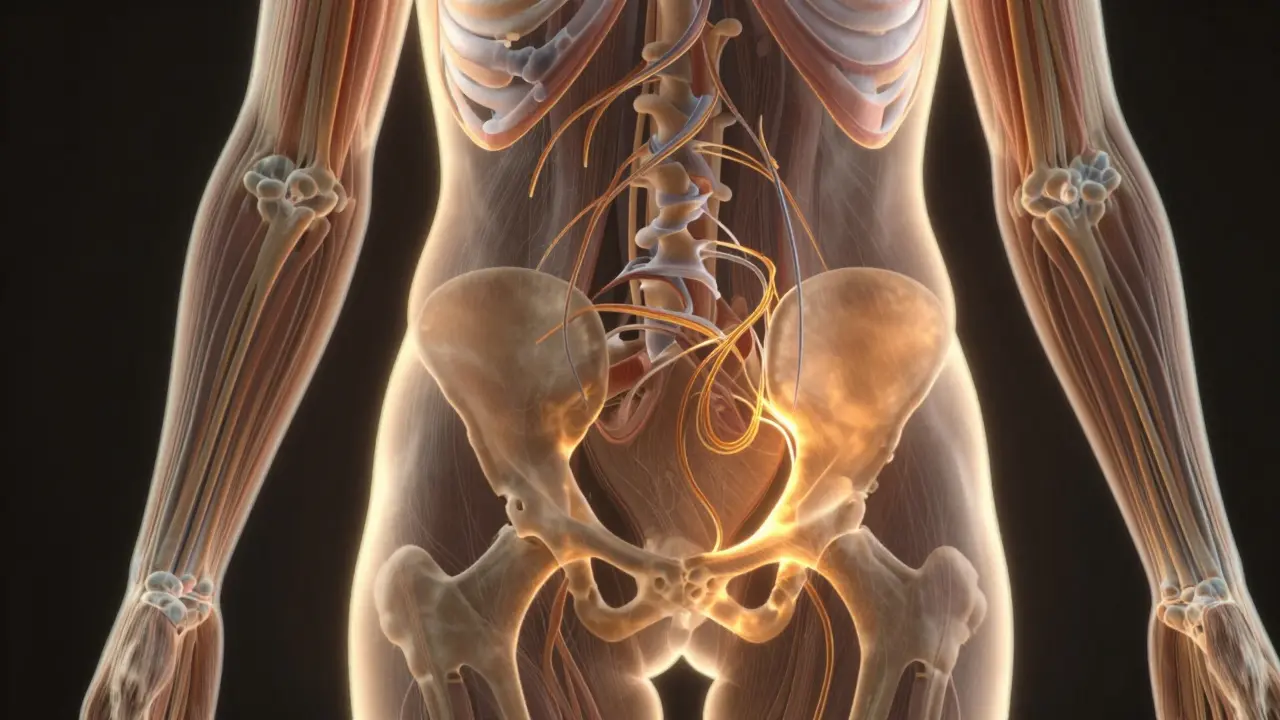
You don’t need to compete to need this. If you hike on weekends, play weekend basketball, or just walk your dog every day, your body still deals with repetitive stress. Office workers who sit all day often develop tight hamstrings and rounded shoulders. Parents carrying kids around get chronic lower back tension. Sports massage isn’t about performance-it’s about function. A 2025 survey of 500 people in Melbourne who got monthly sports massage showed that 78% reported improved posture, 69% had less morning stiffness, and 62% said they could move more freely in daily life. You don’t need a medal to deserve to feel good.
Timing Matters More Than You Think
Getting a massage right before a race? That’s a mistake. Deep pressure right before competition can leave muscles too relaxed, slowing your reaction time. The best time to get a massage is 24 to 48 hours before an event-enough time to flush out tension without dulling your edge. After? Within 24 hours. That’s when inflammation starts to set in, and massage helps keep it in check. For maintenance? Once a month if you’re active two to three times a week. Twice a month if you train harder. And if you’re recovering from an injury? Weekly, until the tightness eases. Timing turns massage from a luxury into a strategic tool.
What It Doesn’t Do
Sports massage won’t fix a torn ligament. It won’t cure chronic pain from arthritis. It won’t replace physical therapy for a serious injury. It’s not a cure-all-it’s a support system. Think of it like oiling a bike chain. It doesn’t make the bike faster, but it keeps it running smoothly. If you’re dealing with sharp pain, numbness, or swelling, see a physio first. But if you’re feeling stiff, sluggish, or just not quite yourself after training? Massage is the missing piece.
How to Find the Right Therapist
Not all massage therapists are the same. Look for someone who specializes in sports massage-not just relaxation. Ask if they’ve worked with athletes or active clients. Check if they understand movement patterns-like how a runner’s hip affects their knee, or how a cyclist’s pelvis position impacts their lower back. A good therapist will ask about your training schedule, your goals, and where you feel tight. They won’t just start rubbing. They’ll listen. In Melbourne, many clinics now offer initial assessments with movement screens. That’s a good sign. You’re paying for expertise, not just hands.
What to Expect in Your First Session
You’ll fill out a short form about your activity level, injuries, and areas of concern. The therapist will ask you to do a few simple movements-like a squat or shoulder roll-to see how your body moves. Then they’ll work on the areas that need attention. It might hurt a little, especially if you’ve got knots built up over months. But it shouldn’t feel like burning or sharp pain. You should be able to breathe through it. Most sessions last 60 to 90 minutes. You’ll leave feeling looser, maybe a little tired, but definitely lighter.
It’s a Habit, Not a Fix
Sports massage isn’t a one-time fix. It’s like brushing your teeth. Skip it for a few weeks, and things start to tighten up again. The benefits build over time. The more consistently you do it, the less you need to fix. People who stick with it for six months often find they need less frequent sessions because their body holds its alignment better. That’s the real hidden benefit: you stop fighting your body-and start moving with it.
Can sports massage help with chronic back pain?
Sports massage can help manage chronic back pain caused by muscle tension, poor posture, or overuse-especially if it’s linked to movement patterns like sitting too long or lifting weights incorrectly. But if the pain is sharp, radiating, or accompanied by numbness, it could be nerve or joint-related. In those cases, see a physiotherapist first. Massage works best as part of a broader plan that includes movement and strength work.
How often should I get a sports massage?
If you’re active two to three times a week, once a month is a good starting point. If you train hard-like running marathons or lifting heavy regularly-aim for every two weeks. After a big event, schedule one within 24 hours. For injury recovery, weekly sessions help until mobility improves. The goal isn’t to fix pain, but to prevent it from building up.
Does sports massage hurt?
It can feel intense, especially on tight spots, but it shouldn’t hurt. Think of it as a deep, working pressure-not a stabbing or burning pain. If it feels like you’re being bruised, speak up. A good therapist adjusts pressure based on your feedback. Some discomfort is normal as knots release, but pain means you’re tensing up, which makes it less effective.
Can I do sports massage at home with a foam roller?
Foam rolling helps with general tightness and is great for daily maintenance. But it can’t replace a skilled therapist. Manual massage can target specific layers of tissue, release deep adhesions, and adjust pressure precisely. Foam rollers are good for warming up or cooling down. Massage is for deeper correction. Use both-they work together.
Is sports massage only for young athletes?
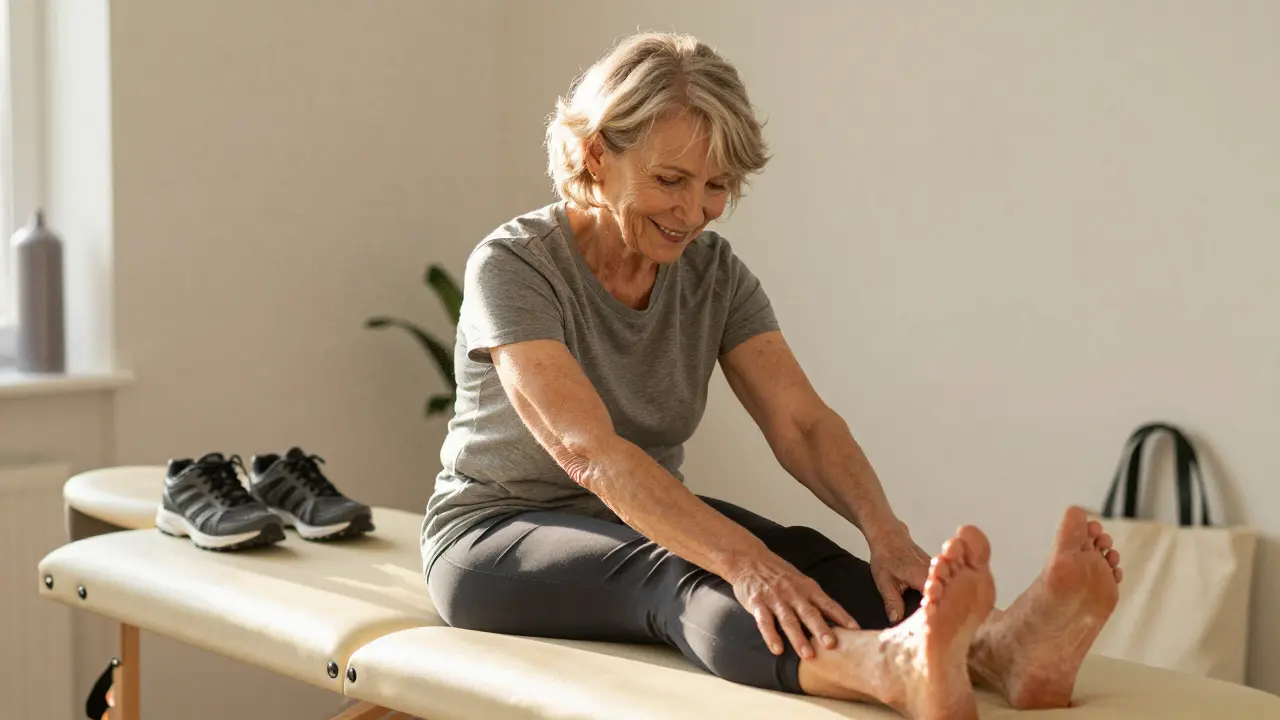
No. People in their 50s, 60s, and beyond who stay active benefit even more. As we age, muscles and fascia naturally stiffen. Sports massage helps maintain mobility, reduces stiffness, and supports joint health. Many older adults find it helps them walk without pain, garden longer, or keep up with grandkids. Age doesn’t limit the benefits-it just changes the focus.