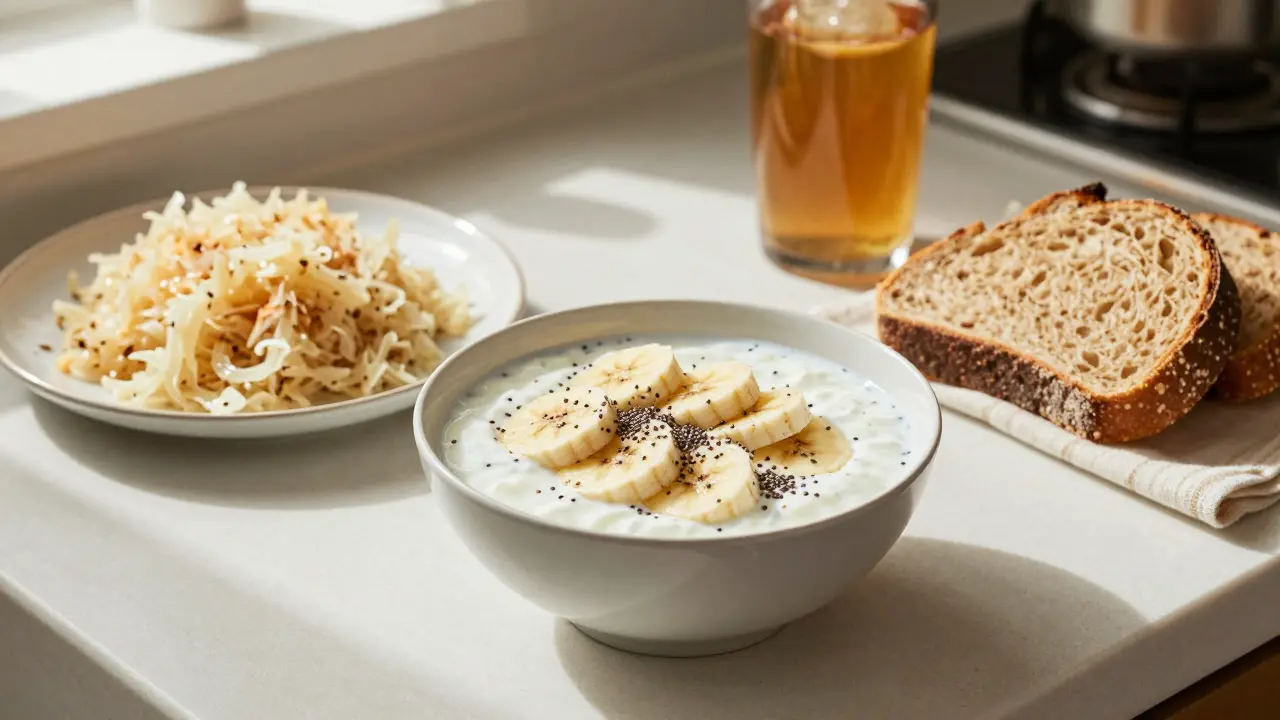
What if the key to feeling better-less bloating, fewer cravings, even better mood-wasn’t in a pill, but in your next meal? It’s not magic. It’s your gut. The trillions of bacteria living in your digestive system aren’t just along for the ride. They’re running the show. And what you eat directly tells them whether to throw a party or start a riot.
Why your gut matters more than you think
Your gut isn’t just for digesting food. It’s your second brain. It produces over 90% of your body’s serotonin-the chemical that helps you feel calm and happy. It’s also your main defense against bad bugs. When your gut lining gets leaky or your good bacteria drop off, inflammation creeps in. That’s when you start feeling tired, bloated, or even low in mood-even if you’re eating "healthy."
Studies show people with consistent digestive issues like bloating, gas, or irregular bowel movements often have less diverse gut bacteria. Not because they’re "sick," but because their diet lacks the fuel those good bugs need to thrive.
What to eat: The gut health diet checklist
Forget fads. This isn’t about cutting out carbs or drinking lemon water at dawn. It’s about feeding your gut bugs the right food, every day. Here’s what actually works:
- Fermented foods - These are loaded with live probiotics. Think plain yogurt (with no added sugar), kefir, sauerkraut, kimchi, miso, and kombucha. A 2023 study from Stanford found that people who ate at least six servings a week of fermented foods had lower levels of inflammatory markers and more diverse gut bacteria in just eight weeks.
- Fiber-rich plants - Not just veggies. Think whole grains like oats and barley, legumes like lentils and chickpeas, nuts, seeds, and fruits like apples, berries, and pears. Fiber isn’t digested-it’s eaten by your gut bacteria. The more variety, the better. Aim for 30 different plant foods a week. Yes, that includes garlic, onions, and even dark chocolate.
- Prebiotic foods - These are the special fibers that feed good bacteria. Garlic, onions, leeks, asparagus, bananas, Jerusalem artichokes, and chicory root are top picks. They’re not glamorous, but they’re powerful. A teaspoon of chicory root in your coffee or a sliced banana on your oatmeal makes a difference.
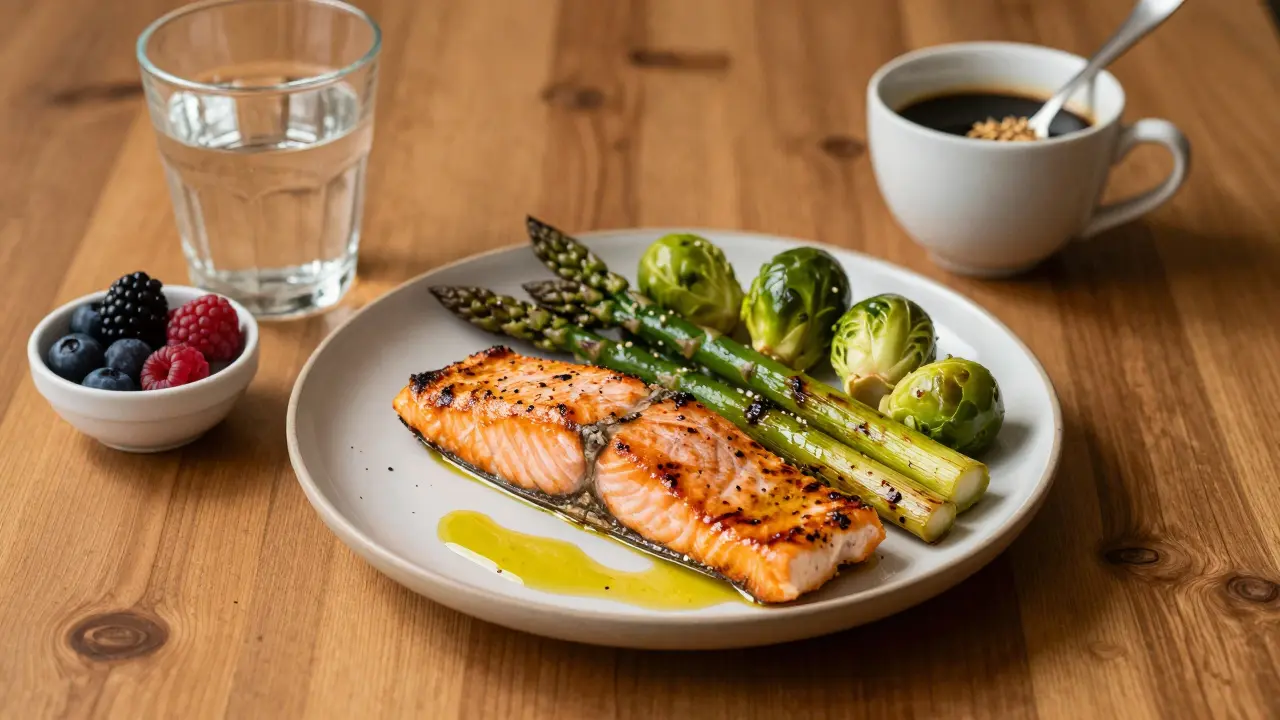
- Healthy fats - Omega-3s from fatty fish like salmon, sardines, and mackerel help reduce gut inflammation. Flaxseeds and walnuts work too. Avoid too much processed vegetable oil-it can mess with your gut lining.
- Water - Not sexy, but critical. Your gut needs moisture to move things along. Aim for at least 1.5 liters a day. If you’re eating more fiber, you need even more.
What to avoid: The silent gut killers
Some foods don’t just fail to help-they actively hurt. You don’t need to eliminate them forever, but cutting back makes a huge difference:
- Added sugar - Even "natural" sugars like honey or maple syrup in large amounts feed the bad bacteria. A single can of soda can cause a spike in gut inflammation that lasts for days.
- Artificial sweeteners - Aspartame, sucralose, and saccharin may not have calories, but they change your gut bacteria in ways that can worsen blood sugar control and bloating. A 2024 study in Nature showed these sweeteners altered gut microbiome patterns in 70% of participants.
- Ultra-processed foods - Think packaged snacks, frozen meals, and sugary cereals. These are low in fiber, high in preservatives, and full of emulsifiers that can damage the gut lining. One 2022 study found people who ate more than five servings a day of ultra-processed food had significantly less microbial diversity.
- Excess alcohol - Even moderate drinking can increase gut permeability and trigger inflammation. If you drink, stick to one glass of red wine a few times a week, not daily.

Real-life examples: What this looks like in a day
Here’s what a gut-friendly day might look like:
- Morning: Oatmeal made with water or unsweetened almond milk, topped with sliced banana, chia seeds, and a spoonful of plain kefir.
- Snack: A handful of almonds and an apple.
- Lunch: Lentil soup with carrots, onions, and garlic, served with a side of sauerkraut and a slice of sourdough bread.
- Snack: Dark chocolate (70% cacao or higher) with a few dried apricots.
- Dinner: Grilled salmon with roasted asparagus and Brussels sprouts, drizzled with olive oil, and a small bowl of mixed berries for dessert.
- Drink: Water throughout the day, maybe a small glass of kombucha in the afternoon.
That’s it. No fancy supplements. No juice cleanses. Just real food, eaten regularly.
How long until you feel better?
Some people notice less bloating or more regular bowel movements in just 3-5 days. Mood improvements and reduced cravings often show up around day 7-10. But for lasting change? Give it 4-6 weeks. Your gut microbiome doesn’t rebuild overnight. It’s like gardening-you plant seeds, water them, and wait. Then one day, you notice the flowers are blooming.
What about probiotic supplements?
They’re not useless, but they’re not magic either. Most store-bought probiotics have low survival rates-many die before they reach your gut. If you’re considering one, look for strains backed by research: Lactobacillus rhamnosus GG for bloating, Bifidobacterium infantis for IBS symptoms. But remember: supplements can’t replace food. You wouldn’t take a vitamin C pill and call it a diet full of oranges. Same logic applies here.
When to see a professional
If you’ve tried eating better for 6 weeks and still have severe pain, persistent diarrhea or constipation, unexplained weight loss, or blood in stool, see a doctor. These aren’t normal "gut issues." They could point to something like Crohn’s, celiac disease, or SIBO. A registered dietitian who specializes in gut health can help you tailor your diet without unnecessary restrictions.
Final thought: It’s not about perfection
You don’t need to eat fermented foods every single day. One serving a few times a week is enough. You don’t need to count every plant. Just aim for variety. Skip the soda. Swap out processed snacks for nuts or fruit. Add a spoon of sauerkraut to your salad. These small shifts add up. Your gut doesn’t need a revolution. It just needs a little care.
Can I still eat bread on a gut health diet?
Yes-but not all bread is equal. Avoid soft, packaged white breads loaded with sugar and preservatives. Instead, choose sourdough made with natural fermentation. The long fermentation process breaks down gluten and starches, making it easier to digest and better for gut bacteria. Whole grain sourdough is even better.
Do I need to go gluten-free for gut health?
Only if you have celiac disease or a confirmed gluten sensitivity. For most people, gluten isn’t the problem-it’s the ultra-processed breads and pastries that come with it. Many people feel better switching to whole grain, sourdough bread because it’s higher in fiber and lower in additives, not because it’s gluten-free.
Is yogurt the best probiotic food?
Yogurt is good, but it’s not the best. Plain, unsweetened yogurt contains live cultures, but many commercial brands have added sugar that cancels out the benefit. Kefir often has more strains of probiotics. Fermented vegetables like sauerkraut and kimchi offer a wider variety of bacteria and no sugar. Variety matters more than any single food.
How much fiber do I really need?
The Australian Dietary Guidelines recommend 25-30 grams of fiber per day for adults. But for gut health, aim higher-around 35-40 grams. Most people get less than half that. Start slow. Add one extra serving of vegetables or legumes a day. Your gut will adjust. Drink plenty of water as you increase fiber.
Can stress affect my gut health?
Absolutely. Stress triggers your body’s fight-or-flight response, which slows digestion and changes gut bacteria balance. Chronic stress is linked to increased gut permeability and inflammation. Managing stress-through walking, breathing exercises, or sleep-is just as important as eating right.