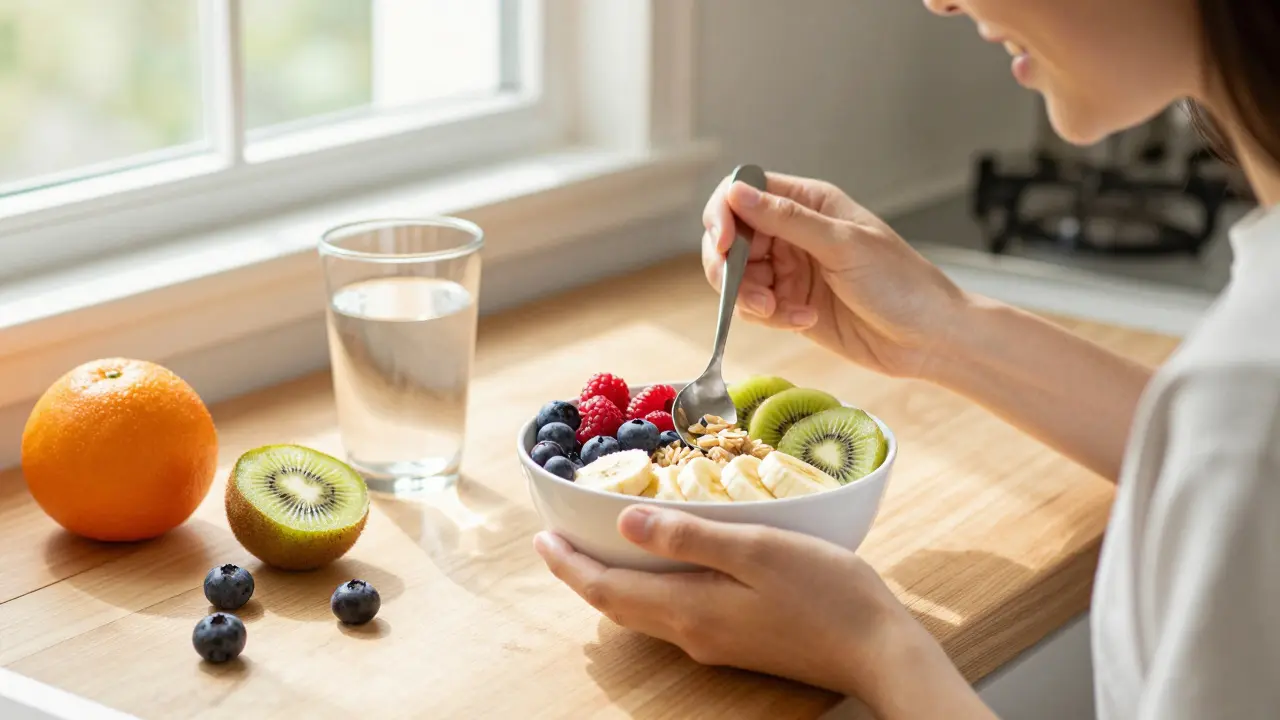
Most people know eating fruits is good for you, but few realize just how deeply it changes your body over time. It’s not just about avoiding colds or getting a quick vitamin boost. Eating more fruits every day rewires your digestion, calms your inflammation, and even protects your brain and heart in ways science is still uncovering.
Your Digestion Gets a Complete Upgrade
When you start eating more fruits, your gut notices fast. Fruits are packed with fiber-especially soluble fiber like pectin in apples and bananas. This isn’t just roughage that helps you go to the bathroom. It feeds the good bacteria in your gut, which then produce short-chain fatty acids that reduce gut inflammation and strengthen your intestinal lining. A 2023 study from the University of Melbourne found that adults who ate at least three servings of fruit daily had 40% higher levels of beneficial gut microbes compared to those who ate less than one serving.
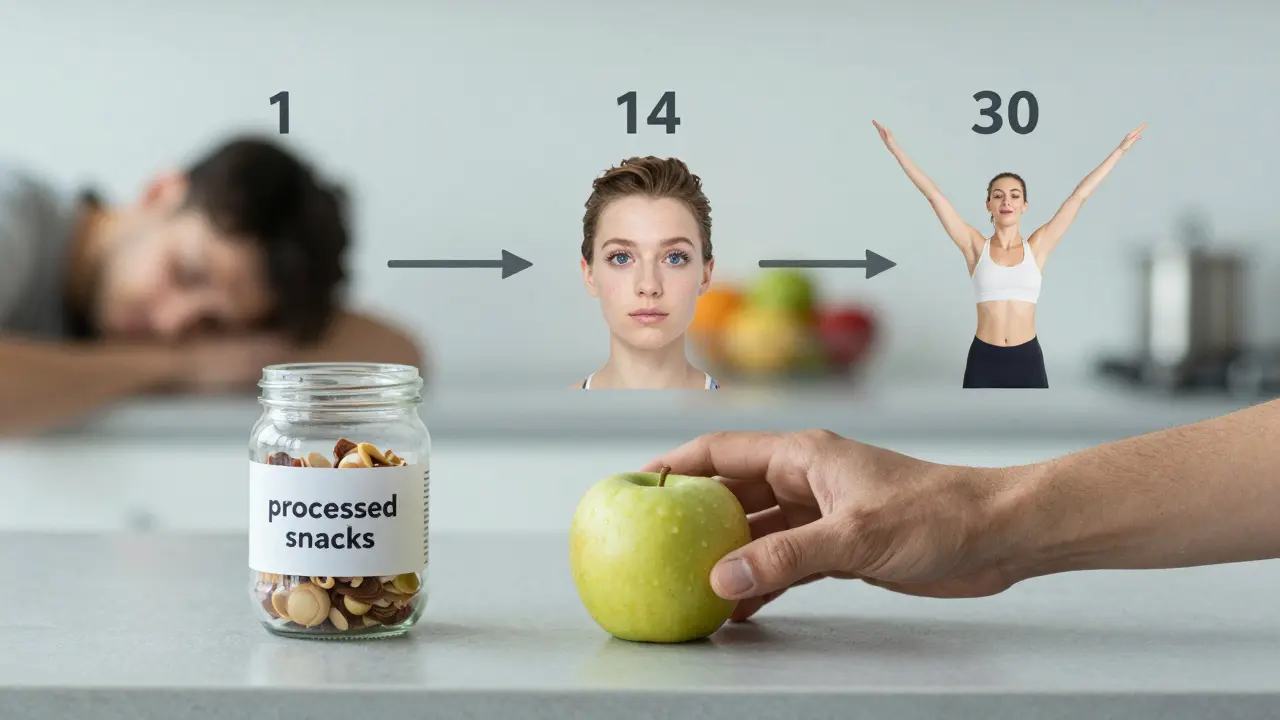
And it’s not just about fiber. Fruits like kiwi, papaya, and pineapple contain natural enzymes-actinidin and bromelain-that help break down proteins. That means less bloating after meals. People who switched from processed snacks to a daily apple or orange reported feeling lighter, less gassy, and more energized within two weeks.
Lower Blood Pressure Without Medication
High blood pressure doesn’t always need pills. Potassium-rich fruits like bananas, oranges, cantaloupe, and apricots help your body flush out excess sodium. Sodium pulls water into your bloodstream, increasing pressure on your artery walls. Potassium counteracts that. The American Heart Association points out that diets high in potassium and low in sodium can reduce systolic blood pressure by 8 to 14 points-similar to some first-line medications.
And it’s not just potassium. Anthocyanins in blueberries and blackberries relax blood vessels. A 2024 clinical trial tracked 1,200 adults who ate a cup of blueberries daily for six months. Their average blood pressure dropped by 7%, and their arterial stiffness improved by 15%. That’s not a minor change-it’s the kind of shift that lowers stroke risk over time.
Your Heart Gets Stronger, Not Just Cleaner
Fruits don’t just lower cholesterol-they actively repair heart tissue. Flavonoids in apples, grapes, and strawberries reduce oxidative stress and prevent LDL cholesterol from oxidizing, which is the real trigger for artery plaque. But here’s what most people miss: fruits also improve endothelial function. That’s the lining of your blood vessels. When it’s healthy, it releases nitric oxide, which keeps arteries flexible and blood flowing smoothly.
A 10-year study of over 70,000 people in Australia found that those who ate five or more servings of fruit per week had a 32% lower risk of heart disease than those who ate less than one. The biggest drops came from apples, pears, citrus fruits, and berries. It wasn’t just the fiber or vitamin C. It was the unique combination of phytonutrients working together.
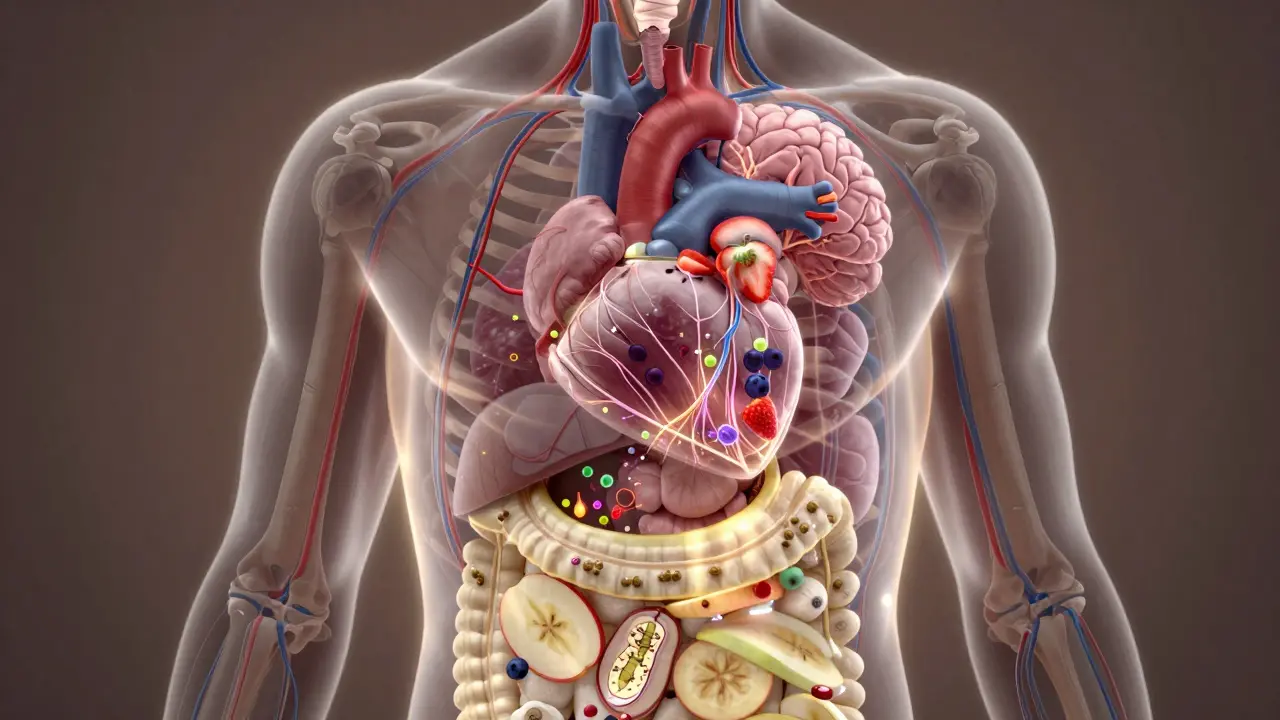
Brain Function Starts Improving in Weeks
Memory, focus, and mental clarity aren’t just about sleep or caffeine. Your brain needs antioxidants and polyphenols, and fruits deliver them in concentrated doses. Blueberries, in particular, have been shown to cross the blood-brain barrier and accumulate in areas linked to learning and memory.
A 2025 study from Monash University gave older adults with mild cognitive decline a daily smoothie with 100 grams of blueberries and strawberries. After 12 weeks, their scores on memory tests improved by 23%. Their brain scans showed less inflammation and better blood flow. Strawberries, too, contain fisetin-a compound that helps clear out damaged brain cells and supports new neuron growth.
You don’t need to be older to benefit. Students who ate fruit daily during exam season reported less mental fatigue and better concentration than those who reached for energy drinks or sugary snacks.
Reduced Risk of Type 2 Diabetes
It sounds counterintuitive-fruits have sugar, right? But the sugar in fruit comes wrapped in fiber, water, and antioxidants, which slow absorption and prevent blood sugar spikes. Whole fruits have a low glycemic load, meaning they don’t trigger insulin crashes like processed sugars do.
A Harvard study tracking 200,000 people over 30 years found that those who ate at least two servings of whole fruit per day had a 25% lower risk of developing type 2 diabetes. Bananas, apples, and grapes were especially protective. But fruit juice? That didn’t help. In fact, drinking juice daily raised the risk by 18%. The difference is the fiber. When you eat the whole fruit, your body processes the sugar slowly. When you drink it, you get a sugar rush.
Your Skin, Hair, and Immune System Glow
Vitamin C isn’t just for colds. It’s essential for making collagen-the protein that keeps your skin firm and your hair strong. Oranges, strawberries, kiwis, and guavas are loaded with it. One guava has more than four times the vitamin C of an orange.
Carotenoids in mangoes, papayas, and cantaloupe give your skin a natural glow and protect against UV damage. Beta-carotene turns into vitamin A, which helps repair skin cells and reduces acne. People who increased their fruit intake noticed fewer breakouts and less dryness within six weeks.
And your immune system? It thrives on the combo of vitamin C, vitamin A, folate, and antioxidants. A 2024 review of 17 studies found that people who ate the most fruit had 20% fewer sick days from respiratory infections. It’s not magic-it’s nutrition.
What You Should Actually Be Eating
Not all fruits are equal. Focus on variety and color. Aim for at least three servings a day-one from each color group:
- Red and Purple: Berries, cherries, red grapes, pomegranate (rich in anthocyanins)
- Orange and Yellow: Oranges, mangoes, papaya, cantaloupe (high in beta-carotene and vitamin C)
- Green: Kiwi, green apples, honeydew, avocado (fiber, folate, potassium)
- White and Brown: Bananas, pears, apples (fiber, potassium, polyphenols)
Go for whole fruits over juice, dried fruit, or fruit-flavored snacks. Dried fruit is concentrated sugar without the water. Fruit snacks? Often just sugar and artificial flavoring. Stick to fresh or frozen.
How to Make It Stick
Start small. Add one fruit to your breakfast-maybe a banana with your oatmeal or a handful of berries on your yogurt. Keep a bowl of apples or oranges on the counter. Swap your afternoon snack for an orange or a pear. Freeze grapes for a sweet, icy treat. Keep sliced kiwi in the fridge for when hunger hits.
It doesn’t have to be fancy. A simple apple with peanut butter, or a smoothie with banana, spinach, and almond milk, counts. The goal isn’t perfection-it’s consistency.
After a month, you’ll notice changes: better digestion, more steady energy, fewer cravings, and maybe even clearer skin. That’s not luck. That’s what happens when you give your body the nutrients it’s been asking for.
Is it possible to eat too much fruit?
For most people, no. Even eating five or six servings of fruit a day is safe and beneficial. The natural sugars in fruit come with fiber, water, and nutrients that prevent blood sugar spikes. Only people with rare conditions like fructose malabsorption or advanced diabetes need to limit intake. For the average person, the risk of eating too much fruit is far lower than not eating enough.
Should I eat fruit on an empty stomach?
There’s no scientific evidence that eating fruit on an empty stomach is better. Your digestive system works fine whether you eat fruit before or after a meal. Some people feel less bloated when they eat fruit alone, but that’s personal preference-not biology. The key is to eat fruit regularly, not at a specific time.
Are frozen fruits as healthy as fresh?
Yes, often more so. Frozen fruit is picked at peak ripeness and flash-frozen, locking in nutrients. Fresh fruit, especially if shipped long distances, can lose vitamin C and antioxidants over days or weeks. Frozen berries, mango, and pineapple are just as nutritious as fresh-and often cheaper and more convenient.
Do organic fruits offer more health benefits?
Organic fruits have less pesticide residue, which is good, especially for children and pregnant people. But in terms of nutrient content, studies show little to no difference between organic and conventional fruits. The biggest benefit is reducing chemical exposure, not getting more vitamins. If budget is tight, focus on washing conventional fruit well and prioritize buying organic for the "Dirty Dozen"-strawberries, spinach, apples, and grapes.
Can fruit help with weight loss?
Yes, but not because it’s low-calorie. Fruit helps because it’s high in fiber and water, which makes you feel full longer. Replacing a cookie or candy bar with an apple cuts hundreds of calories without leaving you hungry. Studies show people who eat more fruit naturally eat fewer processed foods and snacks. It’s not the fruit itself that causes weight loss-it’s what you’re not eating instead.