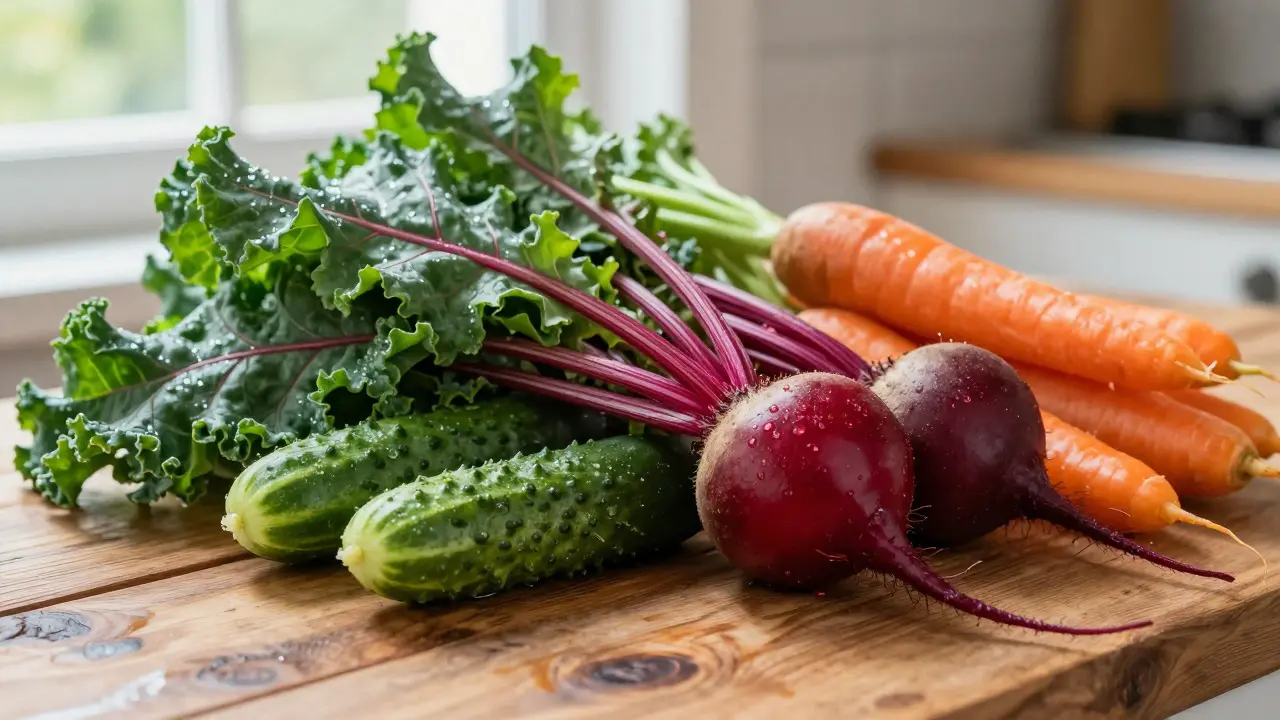
You stand in front of the produce aisle, staring at a mountain of colorful vegetables. You know drinking them is better than eating them whole for some people, but which ones actually work? The truth is, not all juice blends are created equal. Some are just expensive sugar water, while others are potent delivery systems for vitamins that can change how you feel by noon.
Making effective health juice isn't about throwing random fruits into a blender. It’s about understanding bioavailability-the rate at which nutrients enter your bloodstream-and balancing flavors so you’ll actually drink it. This guide breaks down the essential ingredients you need to master, why they matter, and how to combine them without creating a bitter mess.
The Green Foundation: Leafy Vegetables
If you want real results, you have to start with greens. They provide the mineral backbone of any serious health juice. Without them, you’re mostly just drinking fruit nectar. The challenge? Most leafy greens taste like dirt if you don’t mask them correctly.
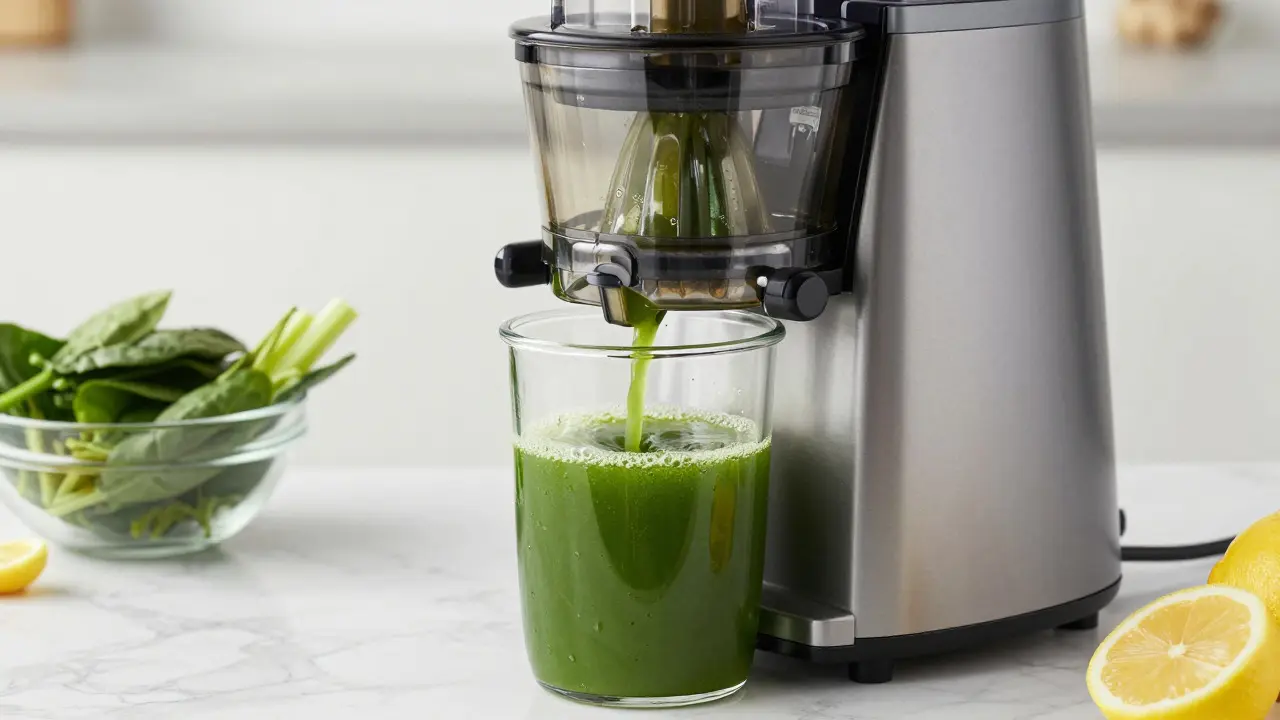
Kale is a dark leafy green vegetable packed with vitamins K, A, and C, along with powerful antioxidants like quercetin and kaempferol. It is one of the most nutrient-dense foods available. However, kale has a tough fibrous structure. If you use a centrifugal juicer, you might lose some of its potency due to heat generation. Masticating (slow) juicers handle kale better, extracting more liquid and preserving enzymes.
Spinach is the gentler alternative. It has a mild flavor that disappears almost entirely when mixed with citrus or apple. It provides iron and folate without the aggressive aftertaste of kale. Swiss chard is another option, though it contains oxalates, which can be problematic for people prone to kidney stones. If you have sensitive kidneys, stick to spinach or collard greens.
- Kale: High in Vitamin K and calcium. Best paired with strong flavors like ginger or lemon.
- Spinach: Mild taste, high in iron. Great for beginners who hate "green" tastes.
- Celery: Technically a herbaceous plant, but used as a base. It adds volume and electrolytes without much flavor impact.
The Sweeteners: Balancing Bitterness
Greens are bitter. Your brain is wired to reject bitterness because, historically, bitter often meant poisonous. To get past this instinct, you need sweetness. But here is the trap: too much fruit turns your health juice into a glucose spike waiting to happen.
Apples are the standard sweetener for a reason. They contain pectin, a type of fiber that helps regulate blood sugar, even in juiced form. Granny Smith apples add tartness, which cuts through the earthiness of kale. Fuji or Gala apples add pure sweetness. Use one apple per serving as a baseline.
Berries are excellent but tricky. Strawberries and raspberries contain seeds that can clog juicers and leave a gritty texture. Blueberries are smoother but very sweet. If you use berries, consider blending them instead of juicing, or strain the pulp thoroughly. Beets are another natural sweetener. They add an earthy depth and boost nitric oxide levels, which helps lower blood pressure. Just know that beet juice will turn everything pink and stain your clothes.
The Acid Activators: Citrus and Bioavailability
This is the secret ingredient most beginners miss. You can have all the iron-rich spinach and vitamin C-packed oranges, but if you don’t include acid, you aren’t absorbing half of what you drank. Citric acid does two things: it preserves the juice (slowing oxidation) and it enhances the absorption of non-heme iron found in plants.
Lemons and limes are your best friends here. Always peel them before juicing. The white pith is incredibly bitter and can ruin an entire batch. One lemon wedge is usually enough to brighten a quart of juice. Grapefruit is stronger and pairs well with cucumber and mint, but avoid it if you take certain medications, as it interacts with many drugs by inhibiting liver enzymes.
Vitamin C also helps stabilize other nutrients. For example, adding orange juice to carrot juice increases the stability of beta-carotene. Think of citrus as the glue that holds the nutritional profile together.
The Functional Boosters: Roots and Spices
Once you have your green base, sweetener, and acid, you move to the functional layer. These ingredients don’t necessarily improve taste; they improve function. They target specific health goals like inflammation, digestion, or energy.
Ginger Root is a rhizome known for its anti-inflammatory properties and ability to soothe digestive upset. It contains gingerol, the compound responsible for its pungent taste and medicinal effects. Even a small thumb-sized piece can wake up your palate and settle your stomach.
Turmeric is the heavy hitter for inflammation. However, turmeric on its own has low bioavailability. You must pair it with black pepper. Piperine in black pepper increases curcumin absorption by up to 2000%. So, always add a tiny pinch of black pepper to your turmeric juice. Fresh turmeric root is potent; start with a small coin-sized slice.
Other roots worth considering include horseradish for sinus congestion and parsley for detoxification support. Parsley is diuretic, helping flush excess sodium from the body. It’s great for post-party recovery juices.
The Hydration Base: Cucumbers and Watermelon
Don’t underestimate the power of water-rich ingredients. Juicing concentrates nutrients, but it also removes bulk. Adding high-water-content vegetables keeps the calorie count low while maximizing volume. This allows you to drink more without feeling overly full or consuming excessive sugar.
Cucumber is the ultimate neutralizer. It has a crisp, clean taste that dilutes strong flavors like garlic or excessive ginger. It also adds silica, which supports skin and hair health. English cucumbers are best because they have fewer seeds and thinner skins, requiring less prep time.
Watermelon is surprisingly effective in savory juices. When combined with lime, mint, and a little jalapeño, it creates a refreshing hydrator perfect for summer. It contains citrulline, an amino acid that may help reduce muscle soreness. It’s not just for desserts.
Ingredient Compatibility Matrix
Not all ingredients play nice together. Combining acidic fruits with creamy avocados in a juice (not smoothie) can cause separation and off-flavors. Understanding these dynamics saves you from wasting expensive produce.
| Primary Ingredient | Best Partners | Avoid With | Key Benefit |
|---|---|---|---|
| Kale | Ginger, Lemon, Apple | Heavy dairy (if blending) | Bone health, immunity |
| Carrot | Orange, Ginger, Turmeric | Strong herbs like cilantro | Vision, skin health |
| Beet | Apple, Ginger, Lemon | Sweet berries (too muddy) | Blood flow, stamina |
| Cucumber | Mint, Lime, Celery | Spicy peppers (overpowering) | Hydration, skin clarity |
| Turmeric | Black Pepper, Coconut Water | None (versatile) | Inflammation reduction |
Preparation Techniques That Matter
The way you prepare your ingredients changes the final product. Washing is obvious, but peeling is where opinions differ. Organic produce allows you to keep the skin on carrots and apples, which holds significant fiber and nutrients. Conventional produce should be peeled to remove pesticide residues and wax coatings.
Chilling your ingredients before juicing makes a noticeable difference. Cold vegetables yield clearer juice and retain more volatile aromatic compounds. Store your cut fruits and veggies in the fridge for at least 30 minutes before processing. Also, consume your juice immediately. Once exposed to air, oxidation begins destroying enzymes and vitamins within minutes. If you must store it, fill the container to the brim to minimize air space and refrigerate for no more than 24 hours.
Building Your First Three Recipes
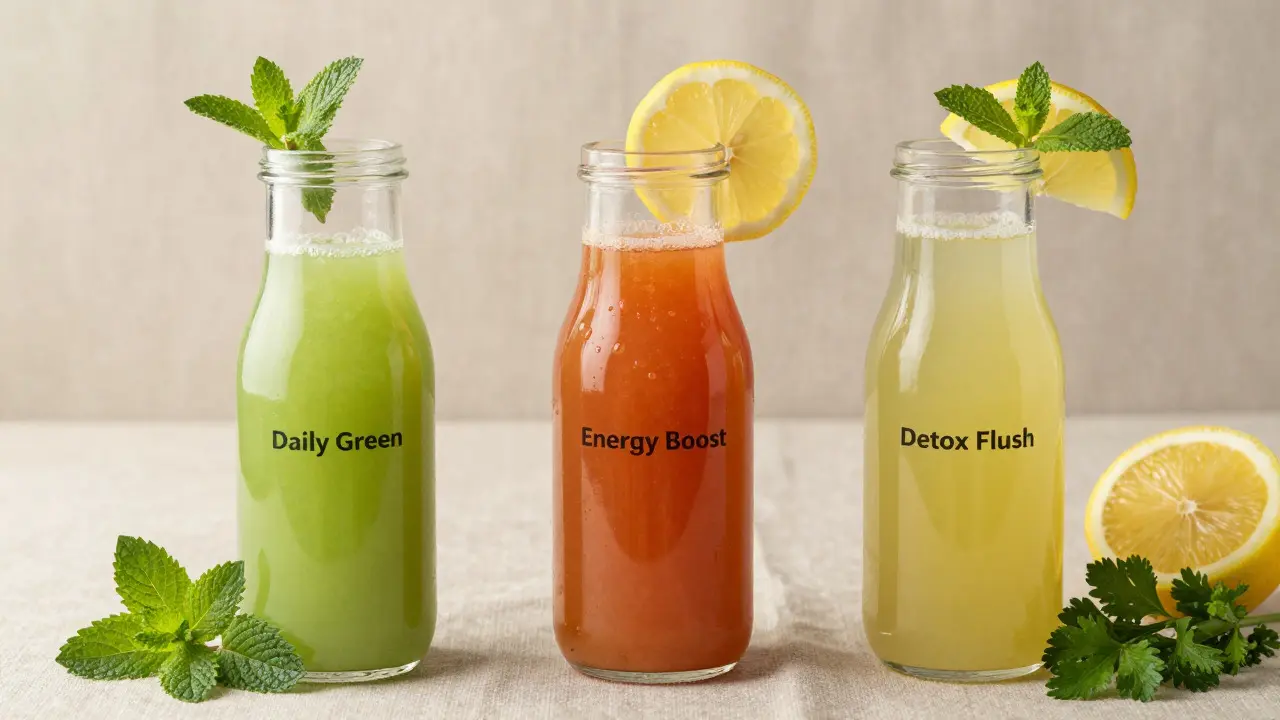
Start simple. Don’t try to make a ten-ingredient elixir on day one. Here are three balanced templates that cover different needs.
- The Daily Green: 1 cup spinach, 1 cucumber, 1 green apple, 1 inch ginger, juice of half a lemon. This is mild, hydrating, and easy to drink every morning.
- The Energy Boost: 2 medium carrots, 1 beet, 1 orange, 1 inch turmeric, pinch of black pepper. Sweet, earthy, and great for pre-workout fuel.
- The Detox Flush: 2 stalks celery, 1 cucumber, 1 lemon, 1/2 grapefruit, handful of parsley. Very low sugar, high in electrolytes and chlorophyll.
Frequently Asked Questions
Should I eat the pulp left over from juicing?
Yes, you absolutely should. The pulp contains insoluble fiber, which is crucial for gut health and satiety. While juicing extracts water-soluble vitamins and minerals, the fiber remains in the pulp. You can mix it into muffins, soups, or compost it if you prefer not to eat it directly.
Is fresh juice better than store-bought cold-pressed juice?
Fresh juice is superior because it retains live enzymes and prevents oxidation. Store-bought cold-pressed juice is often pasteurized using High Pressure Processing (HPP), which kills bacteria but also degrades some heat-sensitive nutrients. Additionally, store-bought options frequently contain added sugars or preservatives. If you buy store-bought, check the label for "no added sugar" and consume it within the expiration date.
Can I drink health juice every day?
Yes, but balance is key. Drinking juice daily can increase your intake of vitamins and phytonutrients. However, relying solely on juice can lead to blood sugar spikes if the ratio of fruit to vegetable is too high. Aim for a maximum of 80% vegetables and 20% fruit. Also, ensure you are still eating solid meals to get adequate protein and healthy fats.
What is the best time of day to drink juice?
Morning on an empty stomach is generally recommended for optimal absorption. Without competing food in your digestive tract, your body can absorb nutrients more efficiently. However, if you experience nausea, try drinking it mid-morning or before a workout. Avoid drinking large amounts of sugary fruit juice late at night, as it can disrupt sleep.
Do I need a special juicer for leafy greens?
A masticating (slow) juicer is significantly better for leafy greens like kale and spinach. Centrifugal juicers spin at high speeds, generating heat that can damage delicate enzymes and oxidize the juice quickly. Slow juicers crush and press the produce, yielding more liquid from greens and preserving nutrient integrity. If you only have a centrifugal juicer, alternate layers of hard vegetables (like carrots) with soft greens to help push the pulp through.