Waking up during pregnancy often feels like a negotiation with your own body. One minute you’re craving something savory, the next you can’t stand the smell of coffee. But beyond the cravings and the nausea, there is a fundamental question that looms over every morning: What should I eat to keep both me and my baby healthy? The answer isn’t just about calories; it’s about fueling two bodies through rapid growth and development.
A solid healthy breakfast sets the tone for your entire day. It stabilizes blood sugar, curbs those intense mid-morning hunger pangs, and provides essential nutrients like folic acid, iron, and calcium that are critical in the first trimester and beyond. You don’t need fancy superfoods or expensive supplements to get this right. You need whole foods, balanced macros, and a strategy that works with your changing physiology, not against it.
Why Breakfast Matters More During Pregnancy
In non-pregnant life, skipping breakfast might be an occasional habit. In pregnancy, it’s a risk you shouldn’t take. Your metabolic rate increases, and your body demands more energy even before you feel hungry. When you skip meals, your blood sugar drops, which can trigger dizziness, fatigue, and worsen nausea.
More importantly, the first trimester is when your baby’s neural tube forms. This process requires adequate levels of folic acid, also known as folate. While supplements are crucial, getting folate from food sources like leafy greens and fortified grains boosts absorption and provides other co-nutrients. A nutrient-dense breakfast ensures you start the day with these building blocks rather than chasing them later when appetite might vanish.
The Core Components of a Prenatal Power Breakfast
To build a breakfast that supports pregnancy, focus on four pillars: complex carbohydrates, high-quality protein, healthy fats, and hydration. Here is how they work together:
- Complex Carbohydrates: These provide sustained energy without the spike and crash associated with refined sugars. Think oats, quinoa, whole-grain bread, or sweet potatoes. They help maintain steady glucose levels, which is vital for preventing gestational diabetes symptoms.
- High-Quality Protein: Protein is the building block for your baby’s tissues. It also keeps you feeling full longer. Eggs, Greek yogurt, tofu, and legumes are excellent choices. Aim for at least 15-20 grams of protein in your morning meal.
- Healthy Fats: Fats are essential for brain development. Avocados, nuts, seeds, and olive oil provide omega-3 fatty acids, specifically DHA, which supports cognitive growth. Don’t fear fat here; your body needs it.
- Hydration: Dehydration can mimic hunger and worsen nausea. Start your day with a glass of water, perhaps with lemon, before diving into food. Herbal teas (caffeine-free) are also great options.
Top Breakfast Ideas That Actually Taste Good
Let’s move away from theory and look at practical, delicious meals. These options are designed to be easy to prepare, nutrient-dense, and adaptable if your taste buds decide to rebel.
1. The Savory Oatmeal Bowl
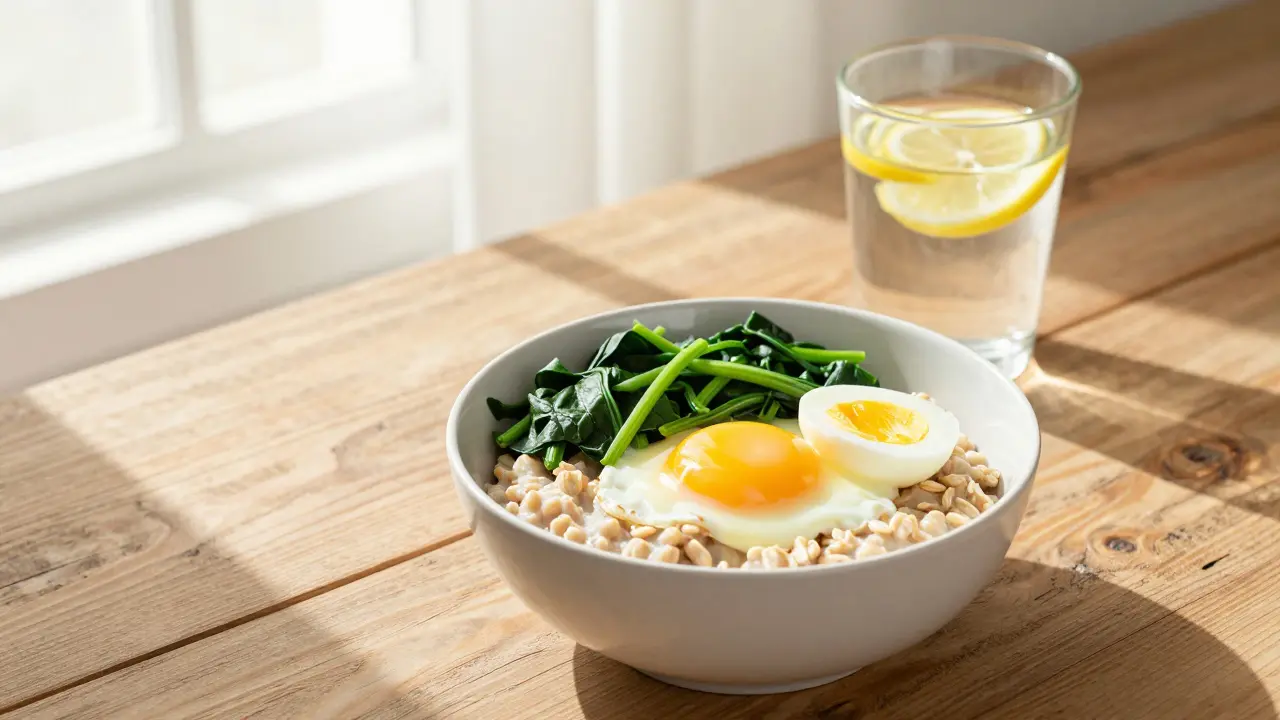
Who says oatmeal has to be sweet? Savory oatmeal is a game-changer for pregnant women dealing with morning sickness. Cook steel-cut or rolled oats with water or unsweetened almond milk. Top with a soft-boiled egg, sautéed spinach, cherry tomatoes, and a sprinkle of hemp seeds. Add a dash of turmeric for anti-inflammatory benefits. This bowl delivers fiber, protein, iron, and folate in one warm, comforting package.
2. Greek Yogurt Parfait with Berries
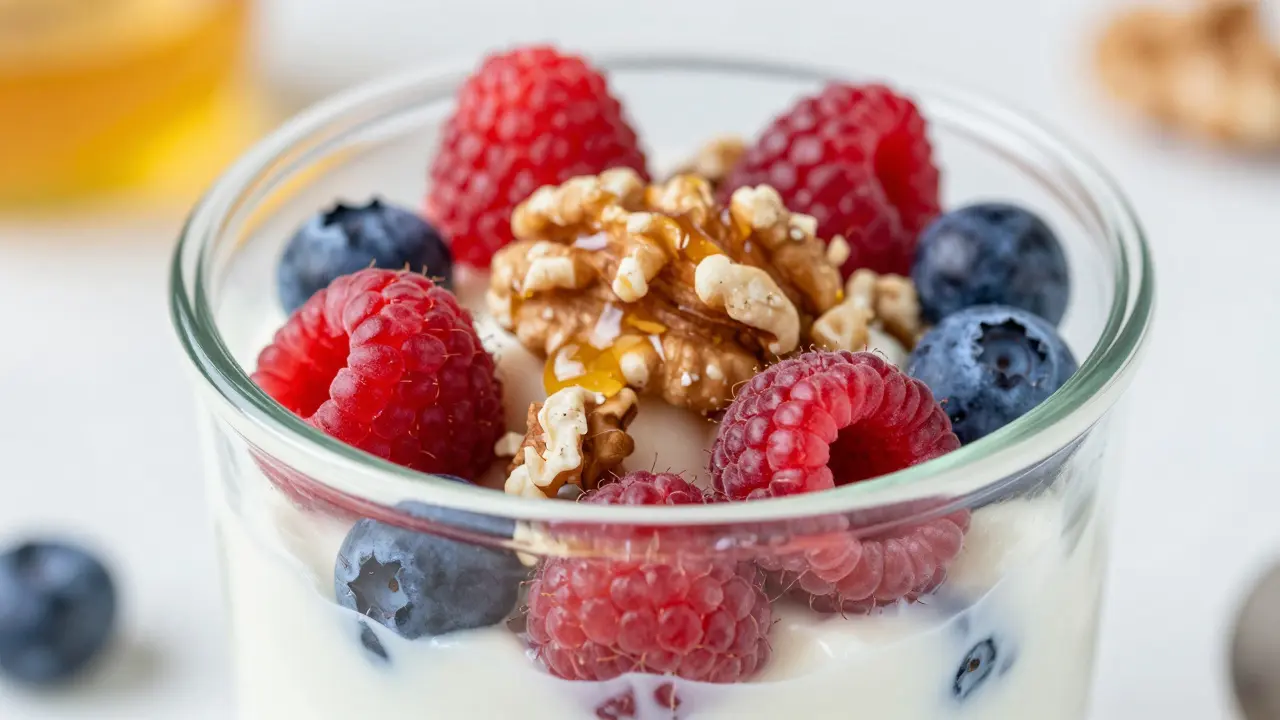
Greek yogurt is packed with protein and probiotics, which support gut health-a common concern during pregnancy due to dietary changes and potential antibiotic use. Layer plain, unsweetened Greek yogurt with fresh blueberries, raspberries, and a handful of walnuts. Drizzle with a little honey if needed. The berries provide antioxidants and vitamin C, which helps with iron absorption from other foods.
3. Whole-Grain Toast with Avocado and Egg
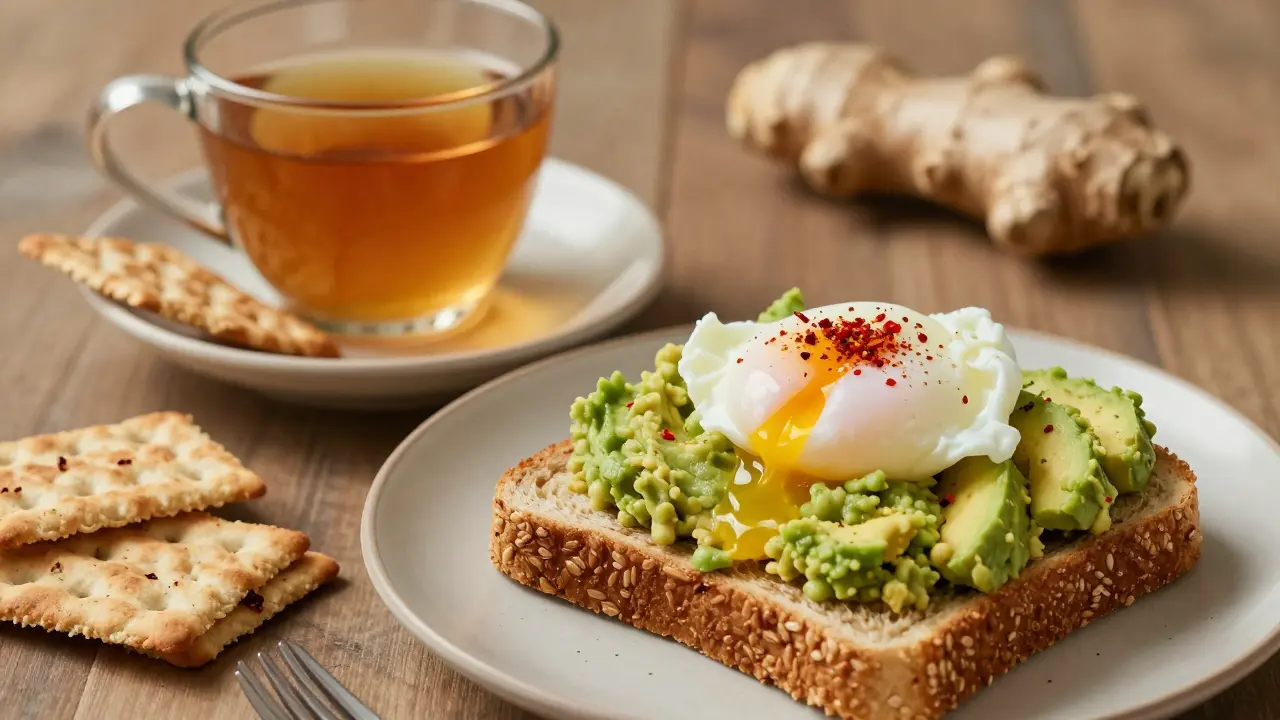
This is a classic for a reason. Use sprouted grain bread for lower glycemic impact. Mash half an avocado on top for healthy monounsaturated fats. Add a poached or scrambled egg for choline, a nutrient critical for brain development. Sprinkle with red pepper flakes or everything bagel seasoning for flavor without excess sodium.
4. Smoothie Power-Up
If chewing feels impossible, blend your way to nutrition. Combine spinach, frozen banana, peanut butter, chia seeds, and soy milk or kefir. Spinach adds folate and iron without overpowering the taste. Peanut butter provides protein and fat. Chia seeds offer omega-3s and fiber. This liquid meal is easy on the stomach and absorbs quickly.
| Breakfast Item | Key Nutrients | Pros | Cons/Cautions |
|---|---|---|---|
| Savory Oatmeal | Fiber, Iron, Folate | Sustained energy, gentle on stomach | Requires cooking time |
| Greek Yogurt Parfait | Protein, Calcium, Probiotics | Quick, no cook, gut-friendly | Watch added sugars in flavored yogurts |
| Avocado Toast & Egg | Choline, Healthy Fats, Vitamin E | Brain-boosting, satisfying | Higher calorie density |
| Pregnancy Smoothie | Vitamins, Omega-3s, Hydration | Easy to consume, versatile | Can lack fiber if not careful |
Navigating Morning Sickness with Food
Morning sickness doesn’t always happen in the morning, and it doesn’t care about your nutritional goals. If nausea is your main hurdle, traditional advice like "eat small meals" is correct but vague. Here is a more specific approach:
Keep dry crackers or plain toast by your bed. Eat a few bites before you even sit up. This helps stabilize blood sugar after a night of fasting. Ginger is a proven natural remedy for nausea. Try ginger tea, candied ginger, or adding fresh ginger to smoothies. Avoid strong smells; cold or room-temperature foods often have less aroma than hot ones, making them easier to tolerate.
If you can only handle bland carbs, do so. White rice, bananas, and applesauce are fine temporarily. Just ensure you add protein back in as soon as possible to prevent muscle loss and maintain satiety. Listen to your body. If eggs make you gag, switch to tofu or lentils. Flexibility is key.
Foods to Limit or Avoid at Breakfast
Not all breakfast staples are safe or optimal during pregnancy. Here is what to watch out for:
- Unpasteurized Dairy: Soft cheeses like brie, camembert, or feta made from unpasteurized milk carry a risk of listeria. Stick to pasteurized products unless clearly labeled otherwise.
- Raw or Undercooked Eggs: Homemade mayonnaise, hollandaise sauce, or runny yolks pose a salmonella risk. Ensure eggs are cooked until firm.
- High-Mercury Fish:
- Excessive Caffeine: Limit caffeine intake to under 200mg per day (about one 12-ounce cup of coffee). Decaf, herbal teas, and water are better alternatives.
- Sugary Cereals and Pastries: These cause rapid blood sugar spikes followed by crashes, leading to fatigue and increased hunger. Opt for whole grains instead.
Supplements vs. Whole Foods
While prenatal vitamins are non-negotiable, they should complement, not replace, a nutritious diet. Vitamins in pill form cannot replicate the synergistic effects of phytonutrients found in fruits and vegetables. For example, vitamin C in an orange enhances iron absorption from spinach far better than taking an iron pill alone. Focus on food first, use supplements as insurance.
Creating a Sustainable Routine
Consistency beats perfection. Set aside ten minutes each evening to prep ingredients for the next morning. Wash fruit, hard-boil eggs, or portion out oats. When you’re tired and nauseous in the AM, decision-making is hard. Having a pre-planned, easy-to-assemble meal reduces stress and ensures you eat something nourishing.
Remember, every pregnancy is unique. What worked for your sister might not work for you. Pay attention to how different foods make you feel. Keep a simple food journal if needed. The goal is not a perfect diet but a consistent pattern of nourishment that supports your health and your baby’s development.
Is it okay to skip breakfast if I’m too nauseous?
Skipping breakfast regularly is not recommended because it can lead to low blood sugar, which worsens nausea and fatigue. Instead, try eating very small amounts of bland, dry foods like crackers or toast immediately upon waking. Gradually introduce more substantial foods as tolerated. Even a few bites are better than nothing.
What is the best source of folic acid for breakfast?
Excellent food sources of folic acid include fortified cereals, spinach, kale, oranges, and beans. Incorporating leafy greens into omelets or smoothies, or choosing a fortified whole-grain cereal, can significantly boost your daily intake alongside your prenatal vitamin.
Can I drink coffee during pregnancy?
Yes, but in moderation. Most healthcare providers recommend limiting caffeine to 200 milligrams per day, which is roughly one 12-ounce cup of brewed coffee. Consider switching to decaf or herbal teas like peppermint or ginger to reduce intake while still enjoying a warm beverage.
How much protein do I need at breakfast?
Aim for 15 to 20 grams of protein at breakfast. This amount helps stabilize blood sugar and keeps you full until lunch. Examples include two eggs (12g), one cup of Greek yogurt (20g), or three tablespoons of peanut butter (8g) combined with whole-grain toast.
Are granola bars a good breakfast option?
Many commercial granola bars are high in added sugars and low in protein. Look for bars with minimal ingredients, such as nuts, seeds, and oats, and check the label for less than 5 grams of added sugar. Homemade versions using nut butter and honey are a healthier alternative.