Essential Oils for Insomnia: Natural Sleep Solutions That Work
When you can’t sleep, your body and mind are begging for relief—and essential oils for insomnia, concentrated plant extracts used in aromatherapy to support relaxation and sleep. Also known as aromatherapy oils, they’re not magic, but they do have real, measurable effects on your nervous system. Unlike sleeping pills, they don’t knock you out—they help your body remember how to unwind naturally. If you’ve tried counting sheep, cutting out screens, or drinking chamomile tea with little success, essential oils might be the quiet helper you’ve been missing.
These oils don’t work alone. They’re part of a bigger system called aromatherapy, the practice of using plant scents to influence mood, stress, and sleep. Studies show that certain scents like lavender and bergamot can slow your heart rate and lower cortisol, the stress hormone that keeps you awake. This isn’t just folklore—it’s backed by research from institutions like the National Institutes of Health. You don’t need expensive diffusers or complicated routines. Just a few drops on your pillow, a quick inhale before bed, or a warm bath with oil can trigger your body’s relaxation response. And it’s not just about the scent. How you use these oils matters: inhaling them directly activates the limbic system—the part of your brain tied to emotion and memory—making the effect faster and deeper than swallowing a pill.
What makes essential oils especially useful for insomnia is how they connect to other proven sleep tools. Think of them as the missing link between relaxation techniques, simple, daily practices like deep breathing and muscle relaxation that calm the nervous system and stress reduction, the ongoing process of lowering mental and physical tension that interferes with sleep. If you’ve read about mindfulness for insomnia or tried progressive muscle relaxation, you already know how powerful quieting your mind can be. Essential oils amplify that. They’re not a replacement for good sleep hygiene, but they make it easier to stick with it. When your room smells like calm, your brain starts to associate bedtime with peace—not anxiety.
Not all oils are created equal. Lavender is the most studied and trusted for sleep. Cedarwood, vetiver, and roman chamomile also show strong results in clinical settings. On the flip side, citrus oils like lemon or peppermint can be energizing—avoid those at night. Safety matters too: always dilute oils before skin contact, keep them away from kids and pets, and never ingest them. You’re not chasing a miracle. You’re building a gentle, repeatable ritual that tells your body: it’s time to rest.
Below, you’ll find real, tested methods from people who’ve used these oils to finally sleep through the night. No fluff. No hype. Just what works, how to do it right, and what to avoid.
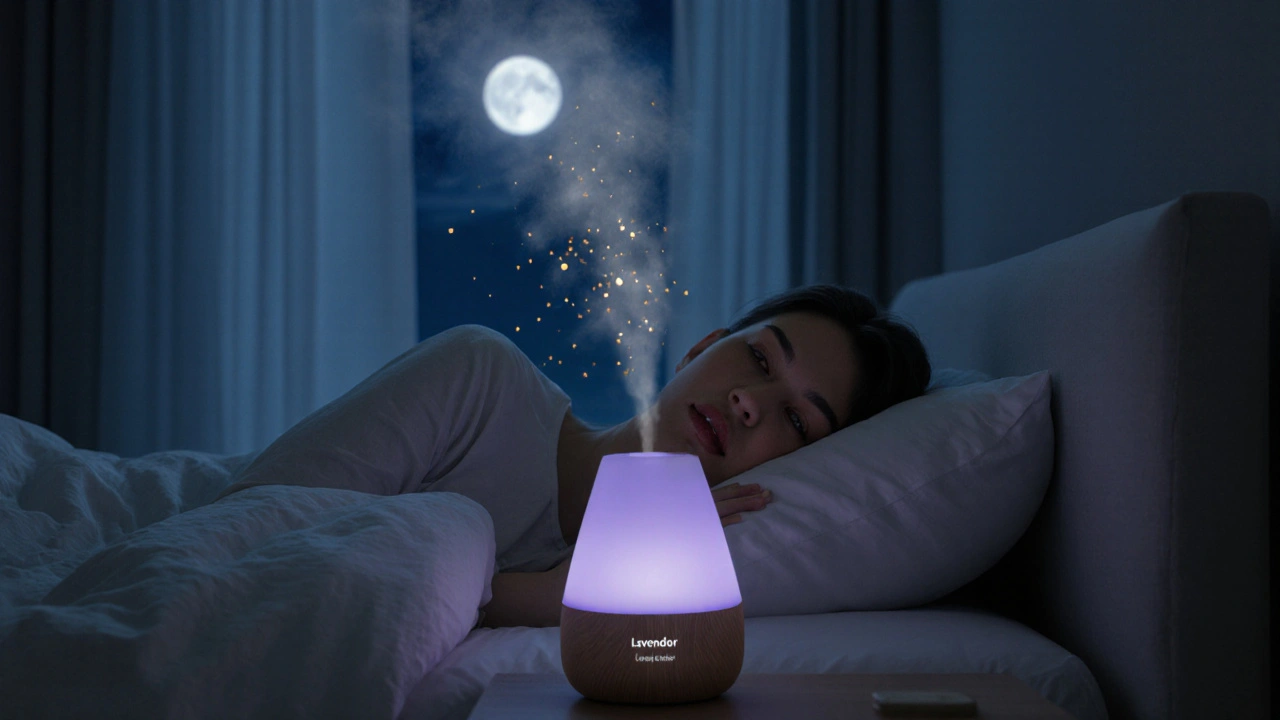
Aromatherapy for Better Sleep: Natural Essential Oils to Help You Fall Asleep Fast
- Arlo Sterling
- Nov, 3 2025
Discover how aromatherapy with lavender, chamomile, and cedarwood oils can help you fall asleep faster and sleep more deeply-naturally, without pills or side effects.
Learn More