Best Oils for Sleep: Natural Remedies That Actually Work
When you’re struggling to fall asleep, best oils for sleep, natural plant extracts used to calm the nervous system and promote rest. Also known as essential oils for insomnia, they’re not magic—but they do have real, measurable effects on your brain’s stress response. Unlike sleeping pills, these oils don’t leave you groggy. They work by gently signaling your body it’s time to wind down—through smell, not chemistry.
Many of the top oils for sleep are also used in aromatherapy, the practice of using natural plant scents to improve physical and emotional wellbeing. Studies show that certain scents like lavender and chamomile can slow your heart rate and lower cortisol levels, the hormone tied to stress. You don’t need fancy diffusers or expensive gadgets. Just a few drops on a pillow, a cotton ball, or your wrists before bed can make a difference. These oils aren’t just for relaxation—they’re part of a broader toolkit that includes relaxation techniques, simple, science-backed habits like deep breathing and muscle relaxation that help quiet the mind. When you combine scent with breathing, the effect multiplies.
Not all oils are created equal. Lavender is the most studied—it’s been shown in clinical trials to improve sleep quality in people with mild insomnia. Chamomile, with its apple-like scent, helps ease nervous tension. Cedarwood and vetiver are heavier, grounding scents often used by people who wake up too early or have racing thoughts. Bergamot lifts mood without being stimulating, making it perfect for evening use. And if you’ve ever felt calmer after a warm bath with eucalyptus or peppermint? That’s your olfactory system responding. These oils work because your nose connects directly to the part of your brain that controls emotion and sleep.
You’ll find these oils mentioned across the posts below—not as miracle cures, but as practical, low-risk tools people use every night. Some combine them with mindfulness. Others use them alongside breathing exercises or bedtime routines. There’s no one-size-fits-all, but the pattern is clear: when people stop chasing quick fixes and start building calm, consistent habits, sleep improves. The posts here don’t push hype. They show what works, how to use it safely, and what to avoid—like cheap, diluted oils that do more harm than good.
What follows isn’t just a list of oils. It’s a collection of real experiences, tested methods, and clear guidance on how to turn your bedroom into a true rest zone. Whether you’ve tried everything else or are just starting to explore natural sleep aids, you’ll find something here that fits your life—no guesswork, no fluff, just what actually helps people sleep better tonight.
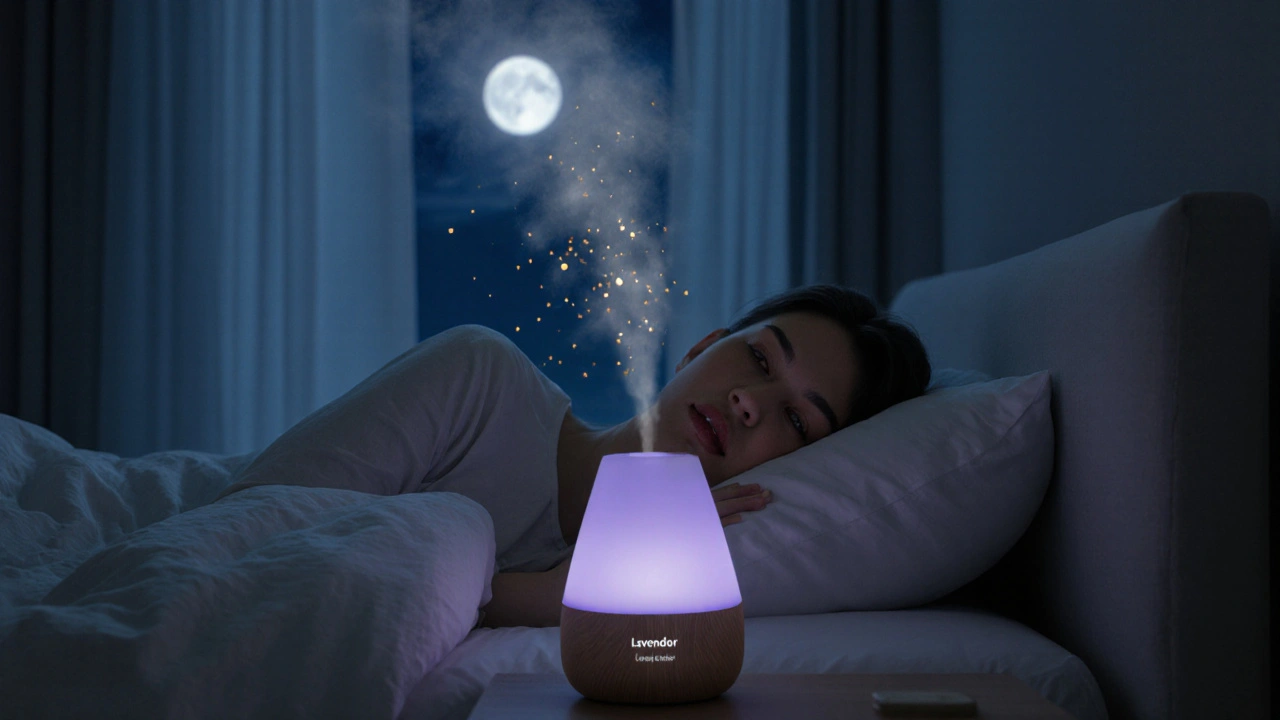
Aromatherapy for Better Sleep: Natural Essential Oils to Help You Fall Asleep Fast
- Arlo Sterling
- Nov, 3 2025
Discover how aromatherapy with lavender, chamomile, and cedarwood oils can help you fall asleep faster and sleep more deeply-naturally, without pills or side effects.
Learn More