
It starts with a tightness in your chest. Maybe it’s a knot in your stomach before a meeting, or that low-level hum of anxiety that keeps you scrolling through your phone at 2 AM. You’ve heard the advice before: "Just relax." But if relaxation were easy, we wouldn’t be having this conversation. Stress reduction isn’t about ignoring life’s pressures; it is the active process of managing physiological and psychological responses to stressors to prevent burnout and improve mental resilience. When done right, it changes how your brain processes danger and reward.
The Biology Behind the Breakdown
To fix the problem, you have to understand the machine. Your body has an ancient alarm system called the hypothalamic-pituitary-adrenal (HPA) axis. When you face a threat-real or imagined-this system floods your bloodstream with cortisol and adrenaline. This is useful for running from a predator. It is terrible for sitting in traffic or worrying about an email sent three hours ago.
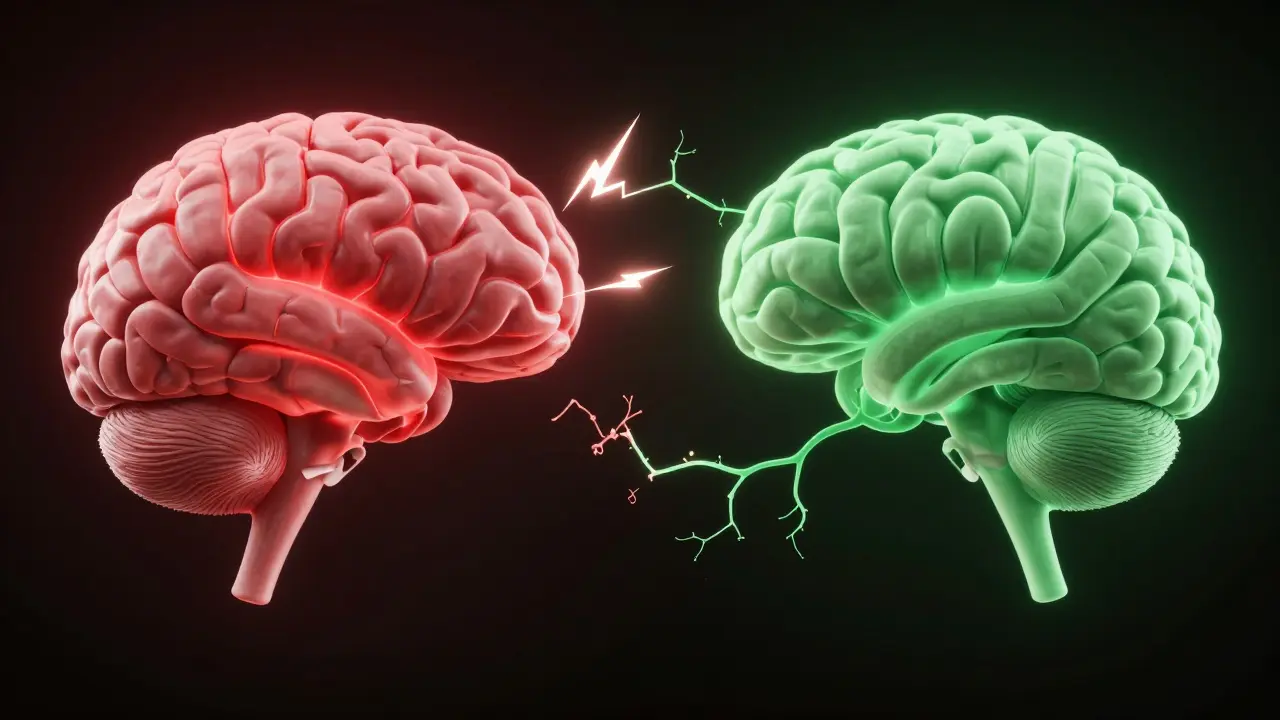
Chronic stress keeps this alarm ringing. High cortisol levels damage the hippocampus, the part of your brain responsible for memory and learning. It also enlarges the amygdala, which controls fear and emotional responses. This is why stressed people feel more anxious, forgetful, and irritable. Stress reduction works by signaling to your HPA axis that the threat is over, allowing cortisol levels to drop and your brain to heal.
Mindfulness: More Than Just Breathing
You’ve probably seen apps promising calm in five minutes. While helpful, true mindfulness practice requires more than passive listening. Mindfulness is the act of observing your thoughts without judgment. It shifts activity in the brain from the default mode network (DMN)-which handles worry and self-referential thinking-to the task-positive network.
Try this simple exercise when you feel overwhelmed:
- Pause. Stop what you are doing. Put down your phone.
- Anchor. Focus on one physical sensation. The feeling of your feet on the floor or the air moving in and out of your nose.
- Observe. Notice your thoughts like clouds passing in the sky. Do not engage with them. Just watch them go.
- Return. When your mind wanders (and it will), gently bring your focus back to the anchor.
Studies published in journals like JAMA Psychiatry show that consistent mindfulness meditation can reduce the size of the amygdala over time. It literally rewires your brain to react less intensely to stress triggers.
Movement as Medicine
Sitting still while stressed can sometimes make things worse. Your body is holding onto energy meant for action. Physical exercise helps metabolize stress hormones. You don’t need to run a marathon. A brisk 20-minute walk releases endorphins, natural chemicals that boost mood and reduce pain perception.
For immediate relief, try high-intensity interval training (HIIT) or boxing. These activities allow you to discharge built-up tension physically. For long-term resilience, yoga combines movement with breath control, activating the parasympathetic nervous system, which promotes rest and digestion. Regular movement improves sleep quality, which is often the first casualty of stress.
Nutrition for Nervous System Support
Your gut and brain are connected via the vagus nerve. What you eat directly impacts your stress response. Diets high in sugar and processed foods cause blood glucose spikes and crashes, mimicking the physiological effects of stress. Instead, focus on nutrients that support neurotransmitter production.
- Magnesium: Found in leafy greens, nuts, and seeds, magnesium helps regulate the HPA axis and relaxes muscles.
- Omega-3 Fatty Acids: Present in fatty fish like salmon, these reduce inflammation linked to depression and anxiety.
- B Vitamins: Essential for converting food into energy and maintaining healthy nerve function.
- Probiotics: A healthy gut microbiome produces serotonin, often called the "happy hormone."
Limit caffeine after 2 PM. Caffeine blocks adenosine receptors, keeping you alert but also increasing heart rate and anxiety. Swap your afternoon espresso for herbal tea containing L-theanine, an amino acid found in green tea that promotes relaxation without drowsiness.
Sleep Hygiene: The Foundation of Resilience
Without adequate sleep, stress reduction efforts fail. Sleep deprivation increases cortisol production by up to 45%. To protect your sleep, create a strict wind-down routine. Blue light from screens suppresses melatonin, the hormone that signals bedtime. Turn off electronics one hour before bed.
Keep your bedroom cool, dark, and quiet. Aim for seven to nine hours of quality sleep. If you wake up in the middle of the night, do not check your phone. Get up, read a physical book, or practice deep breathing until you feel sleepy again. Consistent sleep schedules regulate your circadian rhythm, making it easier to fall asleep and wake up refreshed.
Setting Boundaries to Prevent Burnout
Often, stress comes from saying "yes" when you should say "no." Boundary setting is a critical stress reduction technique. It involves defining what you will and will not tolerate in your relationships and work life. This might mean leaving work emails alone after 6 PM or declining social invitations when you need rest.
People-pleasing drains your energy reserves. Communicate your limits clearly and kindly. "I can’t take on that project right now" is a complete sentence. Over time, respecting your own boundaries teaches others to respect them too. This reduces the cognitive load of trying to manage everyone else’s expectations.

Digital Detox Strategies
In 2026, our devices are constant sources of micro-stressors. Notifications trigger dopamine hits followed by crashes. Social media fuels comparison and FOMO (fear of missing out). A digital detox doesn’t mean throwing away your smartphone. It means using it intentionally.
| Action | Benefit | Implementation Tip |
|---|---|---|
| Turn off non-essential notifications | Reduces interruptions and cortisol spikes | Allow only calls and texts from close family/friends |
| No phones in the bedroom | Improves sleep quality and morning mindset | Use a traditional alarm clock instead |
| Scheduled screen-free hours | Encourages presence and real-world connection | Start with one hour during dinner each day |
| Curate your feed | Reduces exposure to negative content | Unfollow accounts that make you feel inadequate |
When to Seek Professional Help
Sometimes, self-help strategies aren’t enough. If stress interferes with your daily functioning, causes persistent sadness, or leads to substance abuse, it’s time to talk to a professional. Cognitive Behavioral Therapy (CBT) is highly effective for managing stress. CBT helps you identify and challenge negative thought patterns that fuel anxiety.
Therapists can also teach advanced relaxation techniques like progressive muscle relaxation or biofeedback. Don’t wait until you’re in crisis. Early intervention prevents minor stress issues from becoming major mental health disorders. In Ireland, organizations like Jigsaw offer evidence-based resources for young people dealing with stress and anxiety.
Building a Sustainable Stress Reduction Plan
There is no single cure for stress. The most effective approach combines multiple strategies tailored to your lifestyle. Start small. Pick one technique from this guide and practice it consistently for two weeks. Then add another. Consistency matters more than intensity. A five-minute meditation daily beats a two-hour session once a month.
Remember, stress reduction is not a destination. It’s a maintenance task, like brushing your teeth or eating vegetables. By prioritizing your mental health, you invest in a longer, happier, and more productive life. You deserve to feel calm, focused, and resilient.
How quickly can stress reduction techniques show results?
Some techniques, like deep breathing or progressive muscle relaxation, provide immediate relief within minutes. However, long-term changes in brain structure and stress response require consistency. Most people notice significant improvements in mood and resilience after practicing mindfulness or exercise regularly for four to eight weeks.
Is cortisol always bad?
No. Cortisol is essential for survival. It helps you wake up in the morning, mobilizes energy during emergencies, and regulates metabolism. Problems arise when cortisol levels remain elevated chronically due to ongoing stress, leading to inflammation, weight gain, and cognitive decline.
Can diet really affect my stress levels?
Absolutely. Your gut health influences brain chemistry. Diets rich in whole foods, fiber, and healthy fats support the production of neurotransmitters like serotonin and dopamine. Conversely, high-sugar diets cause blood sugar fluctuations that mimic stress responses, making you feel jittery and anxious.
What is the difference between acute and chronic stress?
Acute stress is short-term and triggered by specific events, like a car accident or a deadline. It activates your fight-or-flight response temporarily. Chronic stress persists over months or years, often due to ongoing situations like financial problems or toxic relationships. Chronic stress damages the body and mind because the stress response never fully shuts off.
Does exercise help with anxiety?
Yes. Exercise reduces anxiety by lowering stress hormones, releasing endorphins, and improving sleep. It also provides a distraction from worrying thoughts. Both aerobic exercises like running and strength training have been shown to reduce symptoms of anxiety disorders.
How does mindfulness change the brain?
Regular mindfulness practice increases gray matter density in areas associated with learning, memory, and emotion regulation. It also decreases the size of the amygdala, reducing reactivity to stress. These structural changes lead to improved focus, emotional stability, and overall well-being.
What role does sleep play in stress management?
Sleep is crucial for processing emotions and consolidating memories. During deep sleep, the body repairs itself and clears out metabolic waste from the brain. Lack of sleep increases cortisol production, making you more sensitive to stressors. Prioritizing sleep hygiene is one of the most effective ways to build stress resilience.
When should I see a therapist for stress?
You should consider therapy if stress affects your ability to work, maintain relationships, or enjoy life. Signs include persistent sadness, irritability, changes in appetite or sleep, difficulty concentrating, or using alcohol/drugs to cope. Therapists provide tools and support to address underlying causes and develop healthier coping mechanisms.