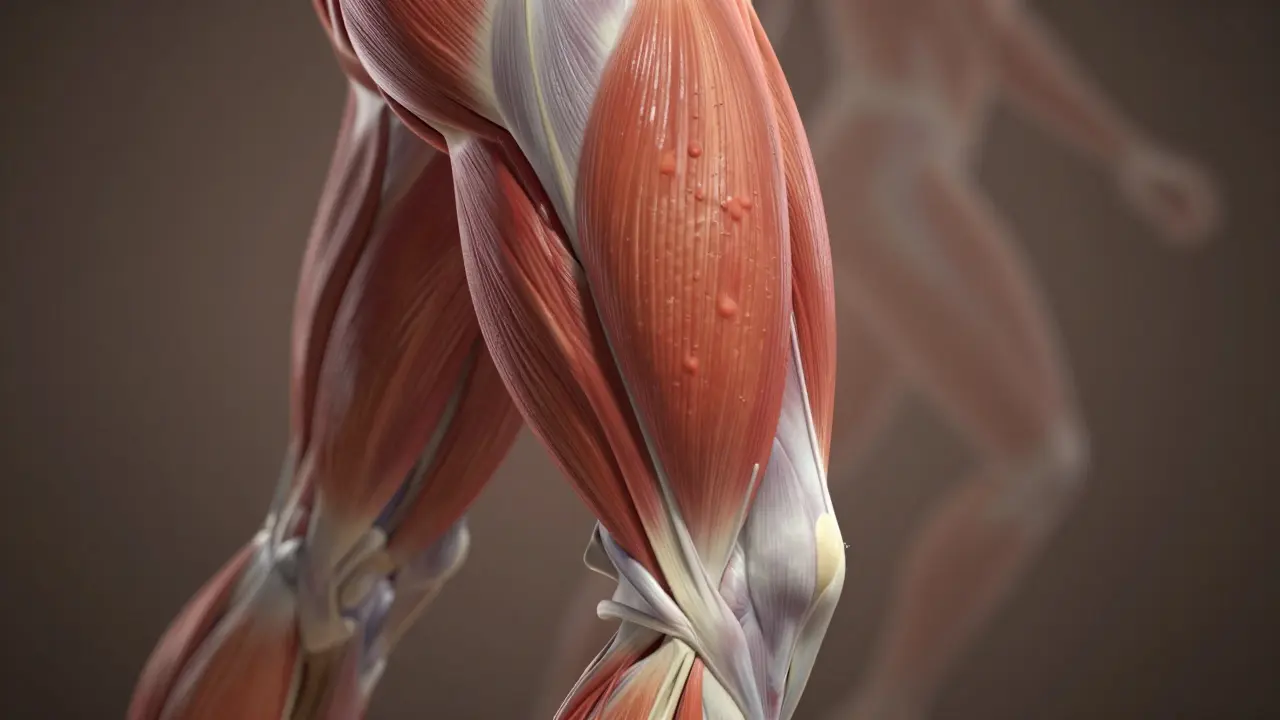
That sharp twinge in your hamstring after a long run. The knot in your shoulder that refuses to loosen up despite stretching. If you are an athlete or just someone who pushes their body hard, you know this feeling well. It is not just discomfort; it is a signal that something needs attention. Many people reach for painkillers or ice packs first. But there is another tool that has been used by professionals for decades to manage pain and speed up healing. That tool is sports massage.
Sports massage is not just a luxury spa treatment. It is a targeted therapeutic technique designed specifically for the physical demands of athletic activity. Unlike a relaxation massage that focuses on general stress relief, sports massage digs deeper into the muscles, tendons, and ligaments. It addresses specific injuries, improves flexibility, and helps prevent future pain. In Melbourne’s active community, where everything from weekend soccer leagues to marathon training is part of daily life, understanding how this therapy works can change how you approach your fitness journey.
How Sports Massage Differs from Other Therapies
You might wonder why you should choose sports massage over a standard Swedish massage or even physiotherapy. The difference lies in the intent and the technique. A Swedish massage uses light to medium pressure with long, gliding strokes. Its main goal is relaxation and improving circulation. While that feels good, it often does not reach the deep layers of muscle tissue where chronic pain lives.
Sports massage, on the other hand, is highly specific. It uses a combination of techniques including deep tissue work, myofascial release, and trigger point therapy. The therapist acts like a mechanic for your body. They identify tight bands of muscle, areas of inflammation, or restricted movement patterns. For example, if you have runner’s knee, a sports massage therapist will not just rub your thigh. They will assess your hip flexors, IT band, and calf muscles to find the root cause of the strain. This holistic yet focused approach makes it distinct from general wellness massages.
| Feature | Sports Massage | Swedish Massage | Deep Tissue Massage |
|---|---|---|---|
| Primary Goal | Injury prevention & performance | Relaxation & stress relief | Chronic tension release |
| Pressure Level | Variable (light to very firm) | Light to medium | Firm to intense |
| Focus Area | Specific problem areas | Full body | Deep muscle layers |
| Best For | Athletes & active individuals | General wellness | Chronic back/neck pain |
The Science Behind Pain Reduction
Why does pressing on a sore spot actually help? It comes down to physiology. When you exercise intensely, micro-tears occur in your muscle fibers. This is normal and leads to growth, but it also causes inflammation and pain. Lactic acid buildup, once thought to be the main culprit in delayed onset muscle soreness (DOMS), is now understood to clear within hours. However, the real issue is often scar tissue formation and muscle adhesions.
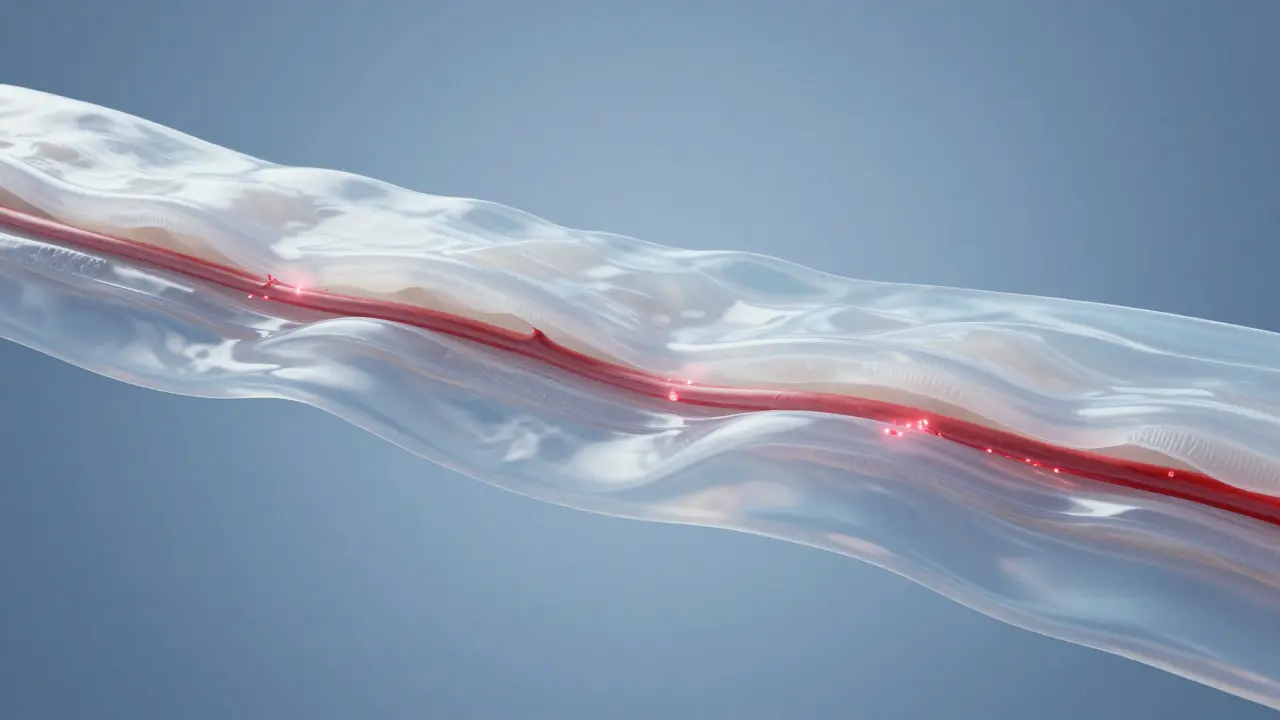
Adhesions are sticky bands of connective tissue that form when muscles heal improperly. Imagine two sheets of plastic wrap sticking together instead of sliding smoothly. This restricts blood flow and limits range of motion. Sports massage breaks down these adhesions through mechanical pressure. This process, known as cross-fiber friction, encourages collagen fibers to align correctly during healing. The result is smoother muscle gliding and reduced pain.
Furthermore, massage stimulates the parasympathetic nervous system. This is the "rest and digest" mode of your body. By lowering cortisol levels (the stress hormone) and increasing serotonin and dopamine, massage reduces the perception of pain. Your brain literally interprets the signals differently. Studies published in journals like Journal of Athletic Training have shown that athletes receiving regular sports massage report lower pain scores and faster return to play times compared to those using passive rest alone.
Key Techniques Used in Treatment
A skilled sports massage therapist uses a toolkit of specific methods. You do not need to memorize these terms, but knowing them helps you communicate what you need. Here are the most common techniques:
- Effleurage: Long, gliding strokes used at the beginning and end of a session. This warms up the tissue and promotes lymphatic drainage, helping to flush out metabolic waste.
- Petrissage: Kneading and squeezing of the muscle. This increases blood flow and helps loosen tight knots before deeper work begins.
- Trigger Point Therapy: Applying sustained pressure to specific hyper-irritable spots in the muscle. These points can refer pain to other areas. For instance, a trigger point in your shoulder blade might cause headaches. Releasing it stops the pain signal at the source.
- Myofascial Release: Gentle, sustained pressure applied to the fascia (the connective tissue surrounding muscles). This helps restore elasticity and improve mobility without aggressive force.
- Friction: Deep, circular movements across the grain of the muscle. This is crucial for breaking down scar tissue in tendons and ligaments, such as in cases of tennis elbow or Achilles tendonitis.
Timing Is Everything: Pre-Event vs. Post-Event
When you get the massage matters almost as much as the technique itself. Using sports massage incorrectly can sometimes hinder performance rather than help it. Understanding the difference between pre-event and post-event protocols is key to managing pain effectively.
Pre-Event Massage should be short, energizing, and superficial. It typically lasts 10-15 minutes. The goal is to increase blood flow, raise muscle temperature, and mentally prepare you for activity. Think of it as a dynamic warm-up. Deep tissue work here can actually fatigue the muscles and reduce power output. You want your muscles primed, not exhausted.
Post-Event Massage, however, is about recovery. This session can be longer and more intensive. It aims to reduce muscle spasms, decrease swelling, and accelerate the removal of metabolic byproducts. Within 24-48 hours after intense exercise, a deeper treatment can significantly reduce DOMS. If you wait too long, the acute inflammation may subside, making it harder to target the specific areas that need attention.
For ongoing maintenance, a weekly or bi-weekly schedule is ideal for serious athletes. For recreational exercisers experiencing occasional pain, monthly sessions combined with self-care routines are usually sufficient.
Integrating Self-Massage and Daily Habits
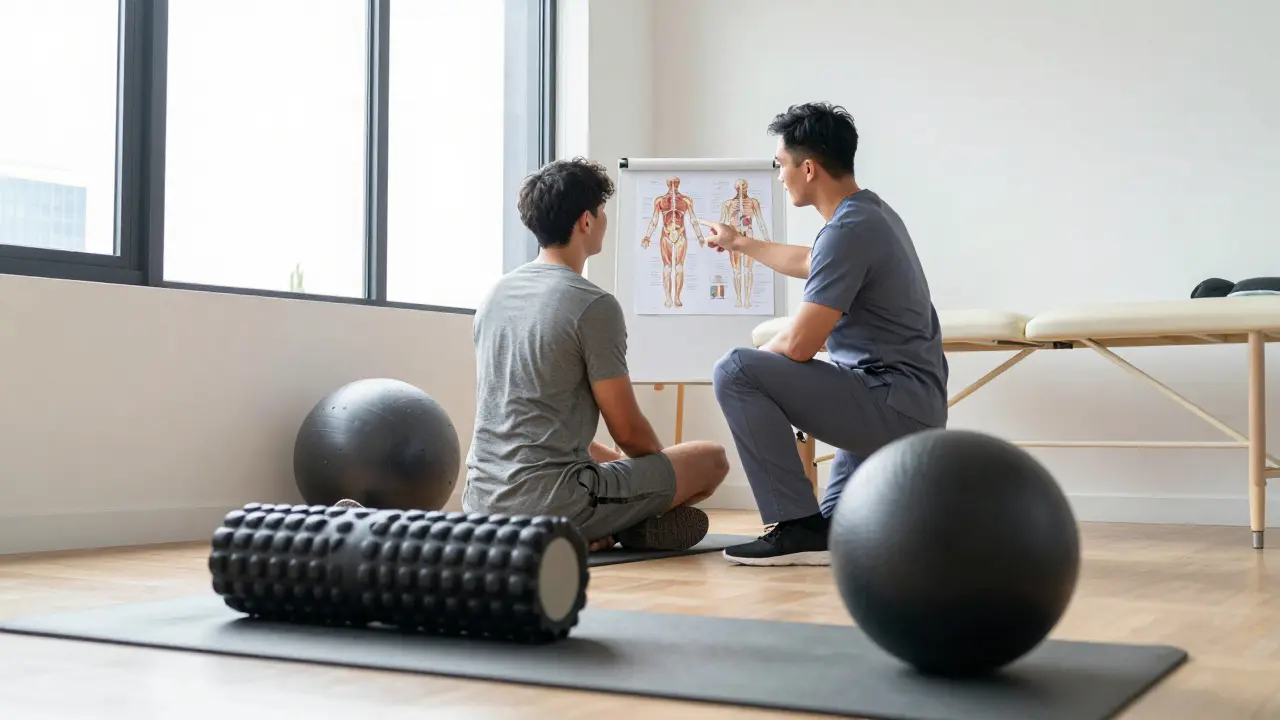
You cannot rely solely on a therapist to manage your pain. Integrating self-massage into your daily routine amplifies the benefits of professional treatments. Tools like foam rollers, lacrosse balls, and massage guns have become staples in gyms and homes alike.
Foam rolling is a form of self-myofascial release. Spend 5-10 minutes rolling out major muscle groups like the quads, hamstrings, and back. Focus on tender spots, holding pressure for 30 seconds until the tension releases. Lacrosse balls are perfect for smaller, harder-to-reach areas like the glutes, feet, and shoulders. Place the ball between your body and a wall or floor, lean into the painful spot, and breathe deeply.
Hydration plays a critical role too. Massaged muscles release toxins and metabolic waste into the bloodstream. Drinking plenty of water helps your kidneys filter these out, reducing stiffness and fatigue. Stretching immediately after a massage session locks in the gains in flexibility. Your muscles are warm and pliable, making it the perfect time to improve your range of motion.
Who Should Avoid Sports Massage?
While sports massage is safe for most people, there are exceptions. It is important to consult a healthcare provider before starting if you have certain conditions. Avoid deep tissue work if you have:
- Acute injuries with open wounds, fractures, or severe bruising.
- Blood clots (deep vein thrombosis) or circulatory disorders.
- Contagious skin infections or rashes.
- Severe osteoporosis, as deep pressure could risk bone fractures.
- Pregnancy, unless the therapist is specifically certified in prenatal massage.
Always communicate openly with your therapist. Pain should feel like a "good hurt"-a releasing sensation-not sharp or stabbing. If something feels wrong, say so immediately. A good therapist will adjust their pressure instantly.
Finding the Right Therapist in Melbourne
Not all massage therapists are trained in sports-specific techniques. Look for credentials such as a Diploma of Remedial Massage or certification from recognized bodies like the Australian Natural Therapists Association (ANTA). Ask about their experience with your specific sport or injury. Do they work with runners? Cyclists? Gym-goers? Specialization matters because the biomechanics of different activities create unique stress patterns on the body.
In Melbourne, many clinics offer integrated care where massage therapists work alongside physiotherapists and chiropractors. This collaborative approach ensures that your pain management plan is comprehensive. They can refer you to strength training exercises to address muscular imbalances that massage alone cannot fix. Remember, massage treats the symptom and aids healing, but strengthening weak muscles prevents the injury from coming back.
How often should I get a sports massage for pain management?
The frequency depends on your activity level and pain severity. For acute injury recovery, weekly sessions are recommended. For maintenance and prevention, every 2-4 weeks is typical. Recreational athletes may only need monthly sessions combined with regular self-massage.
Does sports massage hurt?
It can be uncomfortable, especially when working on tight knots or scar tissue. However, it should never be excruciating. Pain is subjective, so communicate with your therapist. They should adjust pressure to stay within your tolerance zone while still being effective.
Can sports massage replace physiotherapy?
No, they are complementary. Physiotherapy focuses on rehabilitation, strengthening, and correcting movement patterns. Sports massage softens tissues and reduces pain, making physio exercises easier to perform. Together, they provide a complete recovery strategy.
Is sports massage covered by health insurance?
In Australia, many private health funds cover remedial massage if referred by a GP or allied health professional. Check your specific policy for coverage details. Some funds require a referral letter stating the medical necessity of the treatment.
What should I wear to a sports massage appointment?
Wear loose, comfortable clothing that allows easy access to the areas being treated. Many therapists prefer clients to remain clothed in shorts and a tank top for sports massage, unlike traditional massage where draping is used. Confirm preferences with your clinic beforehand.