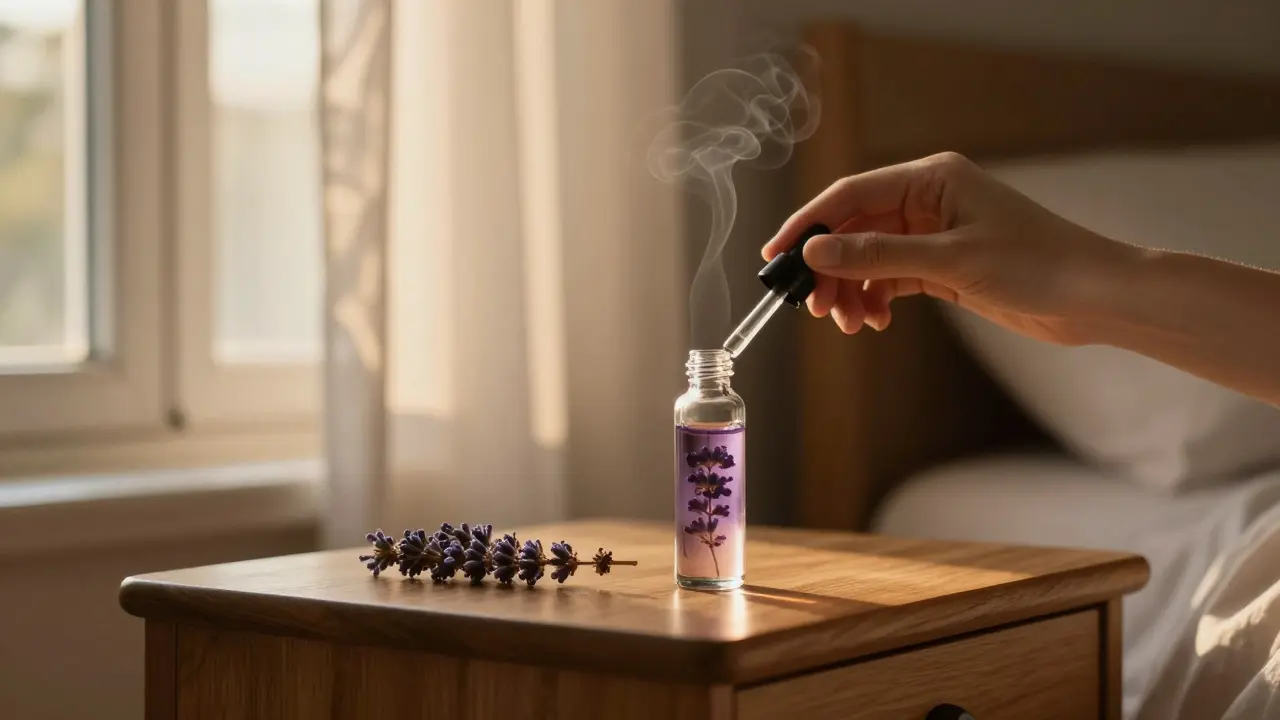
Feeling drained? Like your brain is stuck in slow motion and your body just wants to quit? You’re not alone. Millions of people wake up tired, stay stressed, and go to bed feeling like they didn’t really live the day. What if the answer isn’t another cup of coffee, another hour of scrolling, or another pill? What if it’s something as simple as breathing in the scent of lavender or citrus?
What Aromatherapy Really Does
Aromatherapy isn’t just about nice-smelling candles or fancy bath salts. It’s the science of using concentrated plant oils-called essential oils-to affect your mood, energy, and physical state. These oils come from flowers, leaves, bark, rinds, and roots. When you inhale them, molecules travel through your nose to the limbic system-the part of your brain that controls emotions, memory, and stress responses.
That’s why a whiff of peppermint can snap you out of a foggy afternoon, or why lavender tucked under your pillow helps you fall asleep faster. A 2023 study in the Journal of Alternative and Complementary Medicine found that participants who used lavender oil daily for four weeks reported a 40% drop in perceived stress levels. No drugs. No devices. Just scent.
Your Body Responds to Smell Like It Responds to Music
Think of smell like an invisible playlist. One scent can trigger calm. Another can spark alertness. Your brain doesn’t just notice the smell-it reacts. Rosemary oil, for example, has been shown in multiple studies to improve memory recall by up to 75% in older adults. Citrus oils like orange and lemon boost serotonin, the feel-good chemical linked to mood and motivation.
And it’s not all in your head-literally. Some oils have real biological effects. Tea tree oil fights bacteria. Eucalyptus opens airways. Chamomile reduces inflammation. These aren’t myths. They’re backed by clinical trials and used in hospitals from Japan to Germany to support recovery and reduce anxiety before surgery.
How to Use Aromatherapy in Daily Life
You don’t need a spa or a $300 diffuser to start. Here’s how real people use aromatherapy every day:
- Morning energy boost: Add two drops of grapefruit or peppermint oil to a tissue, tuck it in your collar, and breathe deeply on your commute.
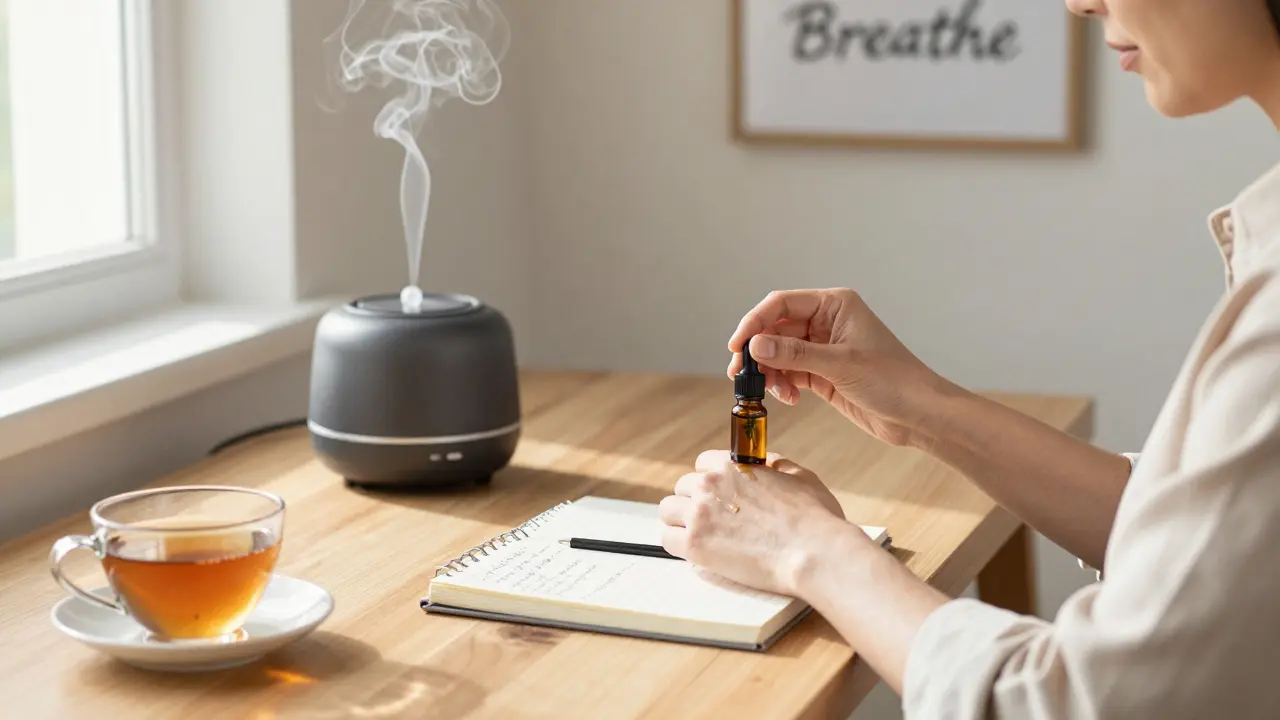
- Work focus: Put a drop of rosemary or basil oil on your wrists before starting a big task. Rub them together gently-no need to spray anything around.
- Evening unwind: Mix five drops of lavender with two tablespoons of carrier oil (like coconut or jojoba), then massage into your feet or neck before bed.
- Stress reset: Keep a small rollerball with diluted bergamot oil in your bag. Roll it on your wrists when you feel overwhelmed. Breathe in slowly for five counts.
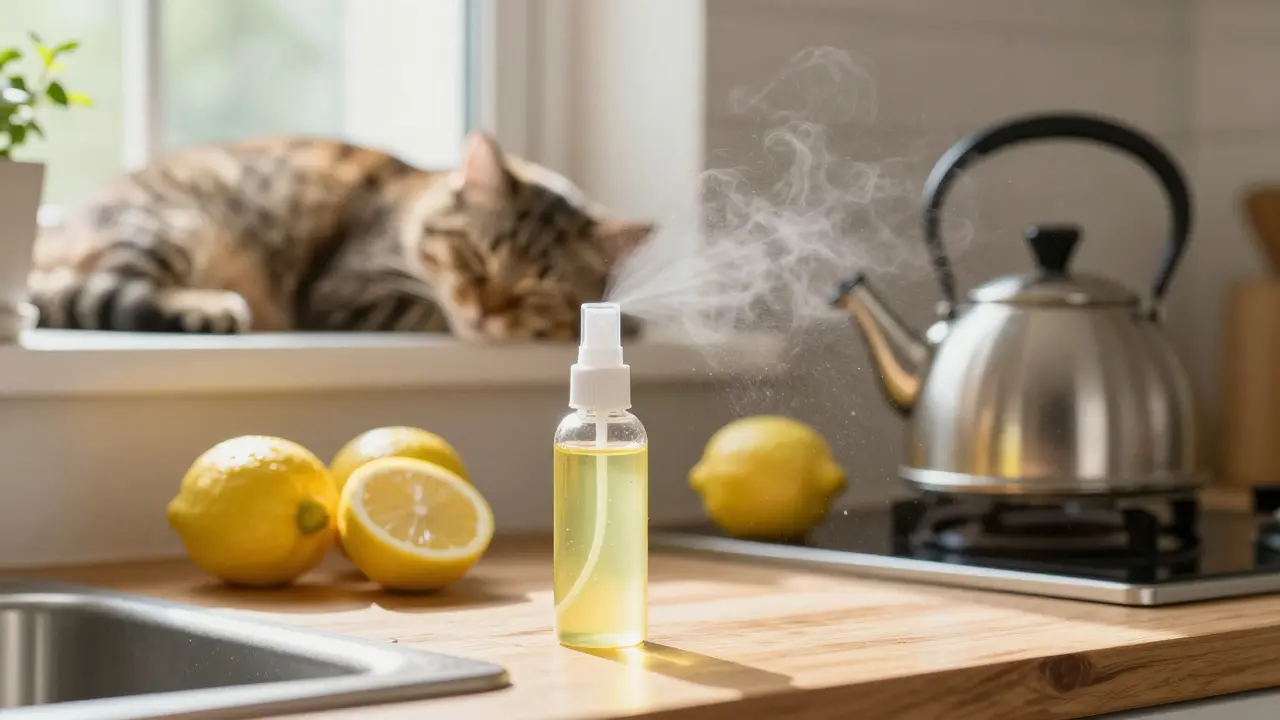
- Home refresh: Instead of chemical sprays, add a few drops of lemon or tea tree oil to a spray bottle with water. Spritz your kitchen counter or bathroom sink. It cleans and calms at once.
These aren’t rituals. They’re tiny, science-backed interventions that fit into five seconds of your day.
What Oils Work for What?
Not all oils do the same thing. Here’s a simple guide based on what people actually use and what research supports:
| Oil | Best For | How to Use |
|---|---|---|
| Lavender | Stress, sleep, anxiety | Diffuse at night, apply to temples or wrists |
| Peppermint | Energy, focus, headaches | Inhale directly, apply diluted to temples |
| Citrus (orange, lemon, grapefruit) | Mood lift, mental clarity | Add to water bottle, use in diffuser |
| Eucalyptus | Clear breathing, congestion | Inhale steam, apply to chest (diluted) |
| Chamomile | Calming, reducing irritation | Massage into neck, add to bath |
| Rosemary | Memory, mental stamina | Apply to wrists, diffuse during work |
| Bergamot | Anxiety, emotional balance | Rollerball on pulse points |
Start with one or two. Don’t buy ten bottles and feel guilty you didn’t use them. Quality matters more than quantity.
What to Avoid
Aromatherapy is gentle-but not risk-free. Here’s what trips people up:
- Never apply undiluted oils to skin. Peppermint or cinnamon oil straight from the bottle can burn. Always mix with a carrier oil like almond, coconut, or jojoba.
- Don’t use around babies or pets. Cats and dogs metabolize oils differently. Even lavender can be toxic to cats. Keep diffusers out of their rooms.
- Don’t ingest oils. Unless you’re under a licensed aromatherapist or doctor’s care, swallowing essential oils is dangerous. They’re not supplements.
- Check for allergies. Try a patch test: put one drop diluted on your inner arm. Wait 24 hours. If it reddens or itches, skip it.
These aren’t scary rules-they’re common sense. Treat oils like medicine, not perfume.
Real People, Real Results
Sarah, 38, a nurse working double shifts, used to crash every Sunday. She tried meditation apps, sleep trackers, even therapy. Nothing stuck. Then she started using lavender oil on her pillow and peppermint on her wrists during night shifts. Within two weeks, she said she felt like she had her energy back. "I don’t feel like I’m running on fumes anymore," she told me.
Mark, 52, struggled with brain fog after his heart surgery. His doctor suggested aromatherapy as a low-risk support tool. He began diffusing rosemary and lemon while reading medical reports. Within a month, his mental clarity improved so much his cardiologist asked if he’d started taking new meds. He hadn’t.
These aren’t outliers. They’re people who found a tool that works with their body-not against it.
Why This Works When Other Things Don’t
Most wellness trends ask you to change your behavior: wake up earlier, meditate for 20 minutes, track your macros. Aromatherapy asks you to breathe. That’s it. You don’t need to buy new gear, join a class, or restructure your life. You just need to pause, inhale, and let your body respond.
It’s the opposite of hustle culture. It doesn’t demand more from you-it gives you back what you’ve lost: calm, clarity, and a little space to just be.
Where to Start
You don’t need to go all-in. Start today:
- Buy one bottle of pure lavender oil from a trusted brand (look for "100% pure" and "therapeutic grade"). Avoid "fragrance oil"-those are synthetic.
- Get a small glass rollerball (under $10 online).
- Fill it with 10 drops lavender + 10 ml carrier oil.
- Roll it on your wrists before bed.
- Breathe in slowly. Notice how you feel in five minutes.
That’s it. No apps. No subscriptions. No pressure.
What’s Next
If this works for you, explore other oils. Try blending-lavender and bergamot for anxiety, citrus and rosemary for focus. Keep a journal: write down what oil you used and how you felt afterward. Over time, you’ll build your own personal scent map.
Aromatherapy isn’t magic. But it’s one of the few wellness tools that works instantly, for free, and without side effects. Your body already knows how to respond to scent. You just have to give it the chance to breathe again.
Can aromatherapy replace medication for anxiety or depression?
No. Aromatherapy can support mental wellness and reduce mild stress, but it is not a substitute for prescribed treatment for clinical anxiety or depression. If you’re struggling with these conditions, talk to a doctor or therapist. Aromatherapy works best as a complementary tool, not a replacement.
How long do essential oils last?
Most essential oils stay potent for 1-3 years if stored in dark glass bottles away from heat and sunlight. Citrus oils degrade faster-about 6-12 months. Check for changes in smell or color. If it smells sour or looks cloudy, it’s time to replace it.
Is diffusing essential oils safe for kids?
Use caution. Diffuse only in well-ventilated rooms, and avoid oils like eucalyptus, peppermint, or rosemary around children under 6. Lavender and chamomile are generally safe in low concentrations, but always consult a pediatrician first.
Can I use aromatherapy during pregnancy?
Many oils are safe, but some can trigger contractions or hormonal shifts. Avoid clary sage, rosemary, and juniper berry during pregnancy. Lavender, citrus, and ginger are usually considered safe in moderation. Always check with your OB-GYN before using any essential oils.
What’s the difference between essential oils and fragrance oils?
Essential oils are distilled from plants and contain natural therapeutic compounds. Fragrance oils are synthetic chemicals made to smell like plants-they have no health benefits and can irritate skin or lungs. Always read labels. If it says "fragrance" or "parfum," it’s not true aromatherapy.