
Imagine standing in front of thirty restless students. The clock is ticking toward the end of the day, your voice is getting hoarse, and you feel that familiar tightness in your chest. You are not alone. Mindfulness for teachers is a practical approach to managing classroom dynamics and personal stress by staying present in the moment. It is not about becoming a zen master or ignoring the chaos; it is about using specific mental tools to navigate the noise with clarity.
When educators practice mindfulness, they do more than just survive the school year. They transform their classrooms into spaces where students feel heard and respected. This guide breaks down exactly how to integrate these practices into your daily routine without adding another hour to your workload.
Why Mindfulness Matters in Education
The modern classroom is a high-stimulus environment. Between ringing bells, digital notifications, and behavioral disruptions, a teacher’s nervous system is constantly on alert. Research from organizations like the American Psychological Association shows that chronic stress leads to burnout, which affects decision-making and emotional regulation.
Mindfulness interrupts this cycle. By focusing on the present moment-your breath, the sound of a student’s voice, the feeling of your feet on the floor-you activate the parasympathetic nervous system. This shifts your body from "fight or flight" to "rest and digest." For a teacher, this means responding to a disruption with patience rather than reacting with anger. It creates a ripple effect. When you are calm, your students become calmer.
Simple Mindfulness Practices for Busy Schedules
You do not need twenty minutes of silence to practice mindfulness. In fact, that is often unrealistic during a school day. Instead, use "micro-practices" that fit into the gaps between classes or moments of transition.
- The Doorway Pause: Before entering the classroom, stop at the door. Take three deep breaths. Set an intention for the lesson. This resets your mindset before facing the group.
- Single-Tasking: When grading papers or writing emails, do only that. Resist the urge to check your phone. This builds focus and reduces mental clutter.
- Sensory Grounding: If you feel overwhelmed, name five things you can see, four you can touch, three you can hear, two you can smell, and one you can taste. This technique, often used in therapy, quickly brings you back to the present.
These small actions accumulate over time. They train your brain to return to a state of equilibrium faster, giving you more energy for your students.
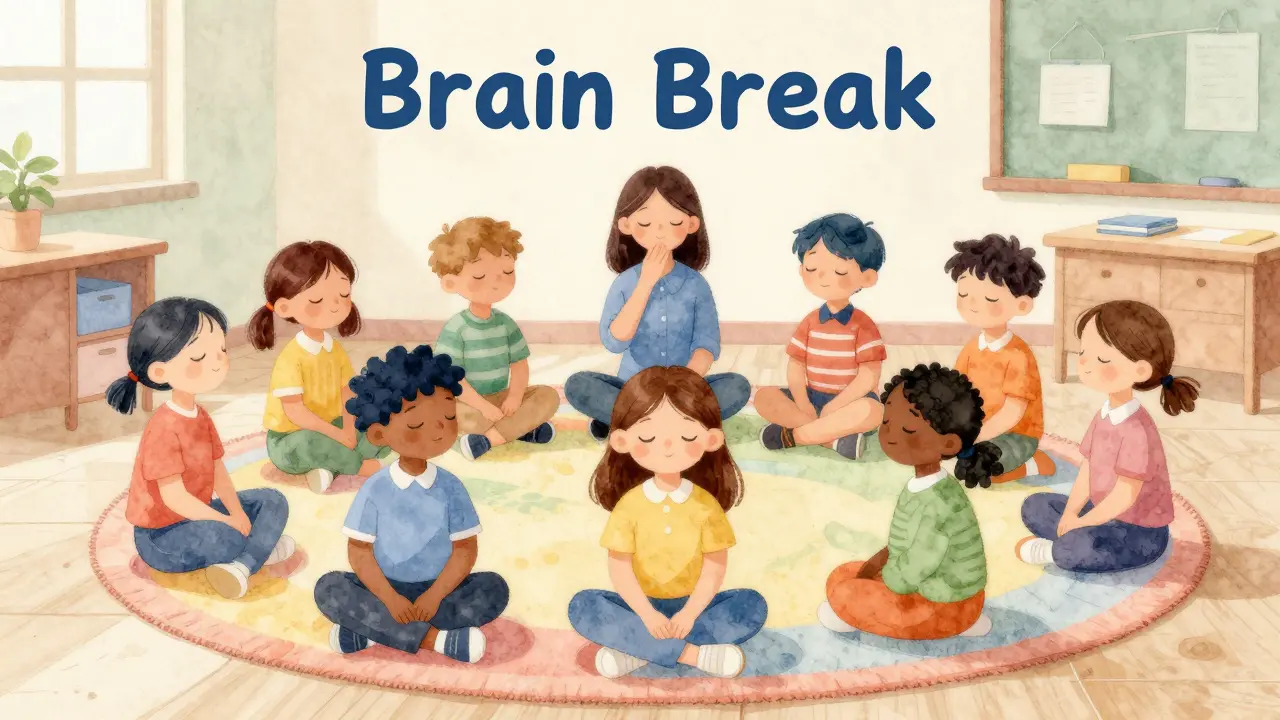
Bringing Mindfulness Into the Classroom
Students benefit immensely when mindfulness is woven into the curriculum. It teaches them self-regulation, empathy, and concentration. Here are three concrete ways to introduce these concepts:
- Brain Breaks: After forty-five minutes of intense learning, lead a one-minute breathing exercise. Have students sit quietly and focus on their breath. This clears mental fatigue and prepares them for the next topic.
- Mindful Listening: During discussions, ask students to listen without interrupting. Encourage them to notice their own thoughts while others speak. This improves communication skills and respect.
- Emotion Check-ins: Start the day by asking students to identify their current mood. Use a simple scale or color code. This validates their feelings and helps you adjust the lesson pace accordingly.
These activities are not distractions from learning; they are foundations for it. A focused mind learns better than a scattered one.
Overcoming Common Obstacles
Many teachers hesitate to adopt mindfulness because they worry about time constraints or skepticism from parents and administrators. Addressing these concerns directly is key to successful implementation.
| Challenge | Reality Check | Actionable Solution |
|---|---|---|
| Lack of Time | Mindfulness takes seconds, not hours. | Integrate micro-practices into existing routines like transitions or hallway monitoring. |
| Skepticism from Stakeholders | Data supports improved academic performance. | Share research from sources like the Harvard Graduate School of Education showing benefits in attention and behavior. |
| Feeling Unqualified | You do not need to be an expert. | Start with simple, secular techniques like box breathing. Grow your confidence gradually. |
Remember, authenticity matters more than perfection. If you stumble over words during a breathing exercise, laugh it off. Modeling vulnerability teaches students that mistakes are part of the human experience.

The Long-Term Impact on Student Success
When teachers consistently model mindfulness, students internalize these habits. Studies indicate that students in mindful classrooms show higher levels of executive function-the ability to plan, focus attention, and manage working memory. These skills are critical for academic success and life beyond school.
Furthermore, mindfulness fosters a positive classroom culture. Students learn to pause before reacting to conflict. They develop greater empathy for peers who may be struggling. This reduction in behavioral issues frees up valuable instructional time, allowing you to teach what you love.
Building a Sustainable Routine
Sustainability is the secret ingredient. Many teachers start strong but burn out when they try to force mindfulness into every minute of their day. Instead, build a sustainable routine that respects your energy levels.
Begin with one practice per week. Maybe it is Monday morning breathing exercises. Once that feels natural, add a second practice, like mindful listening on Wednesdays. Track your progress and note how you feel. Do you have more patience? Are your lessons flowing smoother? Use this data to refine your approach.
Connect with other educators who are interested in mindfulness. Form a support group within your school or online. Sharing experiences and resources makes the journey less isolating and more enjoyable.
How much time does mindfulness take for teachers?
You can start with just one to three minutes a day. Micro-practices like the doorway pause or single-tasking require no extra time slots. Consistency is more important than duration.
Is mindfulness religious?
No. While mindfulness has roots in Buddhist traditions, the practices used in education are secular. They focus on attention, awareness, and physiological regulation, suitable for any classroom setting.
Can mindfulness help with difficult student behavior?
Yes. By regulating your own emotions, you respond to disruptions with calmness rather than escalation. Additionally, teaching students mindfulness gives them tools to self-soothe, reducing the frequency of behavioral incidents.
What if I don't feel relaxed after trying mindfulness?
That is normal. Mindfulness is not about forcing relaxation. It is about observing your current state without judgment. Over time, this observation naturally leads to reduced stress and increased clarity.
Are there resources for beginners?
Yes. Look for guides from reputable organizations like the Greater Good Science Center at UC Berkeley or apps designed specifically for educators. Start with short, guided audio sessions to build confidence.