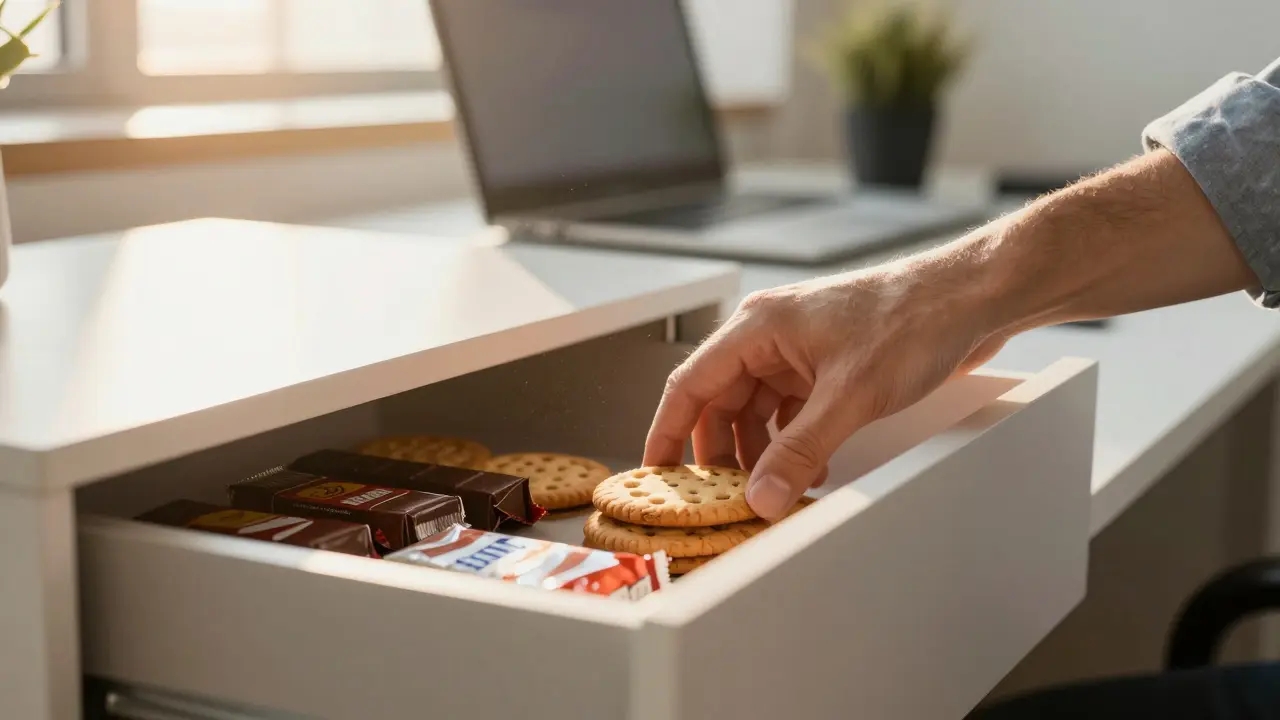
That 3 PM slump is real. You’re staring at your screen, your eyes are heavy, and your hand instinctively reaches for the nearest drawer-usually containing stale biscuits or a chocolate bar. It’s not laziness; it’s biology. But what if that snack could actually wake you up instead of knocking you out? Nutritious snacking is the practice of eating small, nutrient-dense meals between main courses to maintain energy and health. It’s not about restriction or counting calories obsessively. It’s about fueling your body with ingredients that provide sustained energy rather than a quick sugar crash. When done right, snacking becomes a tool for better focus, stable mood, and long-term wellness.
We often think of snacks as guilty pleasures, but they can be powerful allies in your daily routine. The key lies in understanding what your body needs versus what it wants. Let’s break down how to transform your snacking habits from a source of guilt into a strategy for vitality.
The Science Behind Smart Snacking
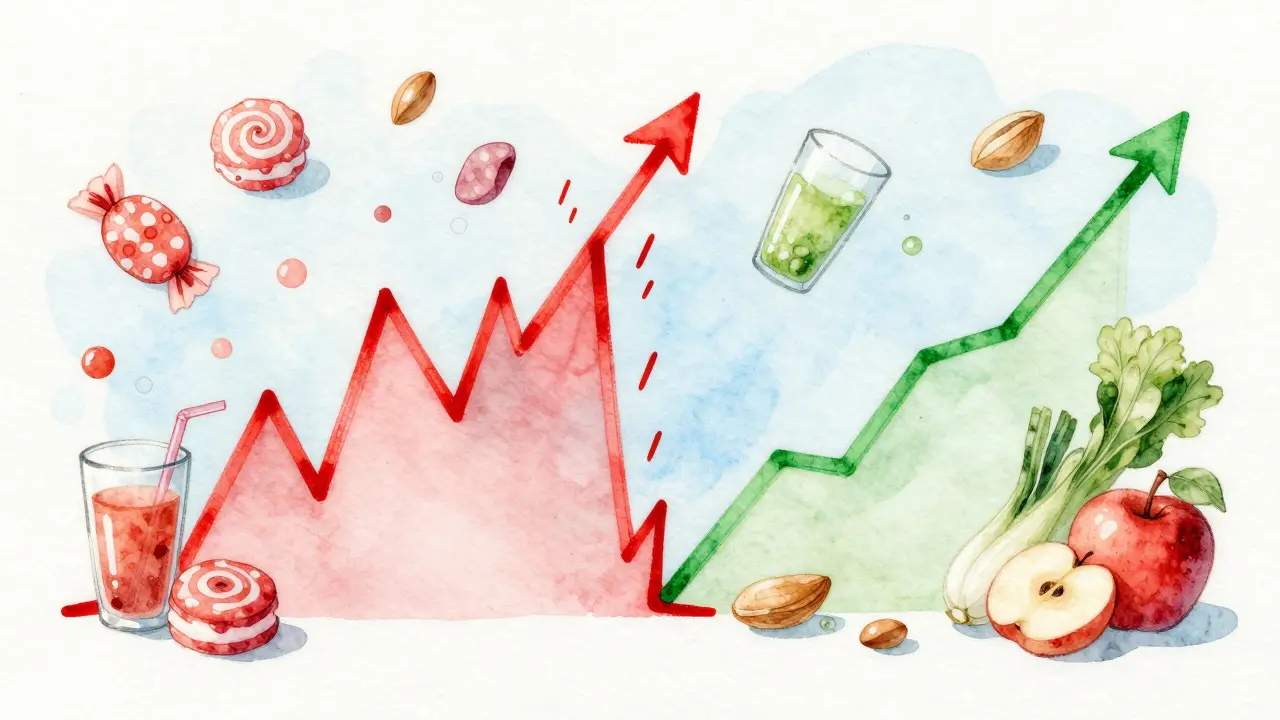
Why do we crave snacks? Usually, it’s because our blood sugar has dipped after lunch. If you eat a high-carb, low-fiber lunch, your glucose spikes and then crashes, leaving you tired and craving more sugar. This cycle keeps you stuck in a fog. Nutritious snacking interrupts this cycle. By combining macronutrients-specifically protein, fiber, and healthy fats-you create a slow-release energy system. Think of it like burning wood in a fireplace instead of paper. Paper burns fast and hot (sugar), leaving ash quickly. Wood burns slowly and steadily (complex carbs and fats), keeping you warm for hours.
Research consistently shows that individuals who include balanced snacks in their daily diet tend to have better satiety control and lower overall calorie intake compared to those who skip meals and binge later. It’s not magic; it’s metabolism management.
Building the Perfect Snack Formula
You don’t need a degree in nutrition to build a great snack. You just need to remember the "Rule of Three." Aim to include at least two of these three components in every snack:
- Protein: Keeps you full and repairs muscle tissue. Examples include Greek yogurt, hard-boiled eggs, nuts, seeds, and cottage cheese.
- Fiber: Slows digestion and feeds good gut bacteria. Look for whole fruits, vegetables, legumes, and whole grains.
- Healthy Fats: Supports brain function and adds satisfying texture. Avocados, olive oil, nut butters, and fatty fish are top choices.
A piece of fruit alone? That’s mostly sugar. Pair it with almond butter, and you’ve got a balanced meal. A handful of crackers? Mostly empty carbs. Add hummus, and you’ve added protein and fat. Small swaps make a massive difference in how you feel an hour later.
Top Nutrient-Dense Snack Ideas
Here are some practical, easy-to-prepare options that fit the formula above. These aren’t just "healthy"; they’re actually tasty and convenient.
| Snack Idea | Key Nutrients | Prep Time | Best For |
|---|---|---|---|
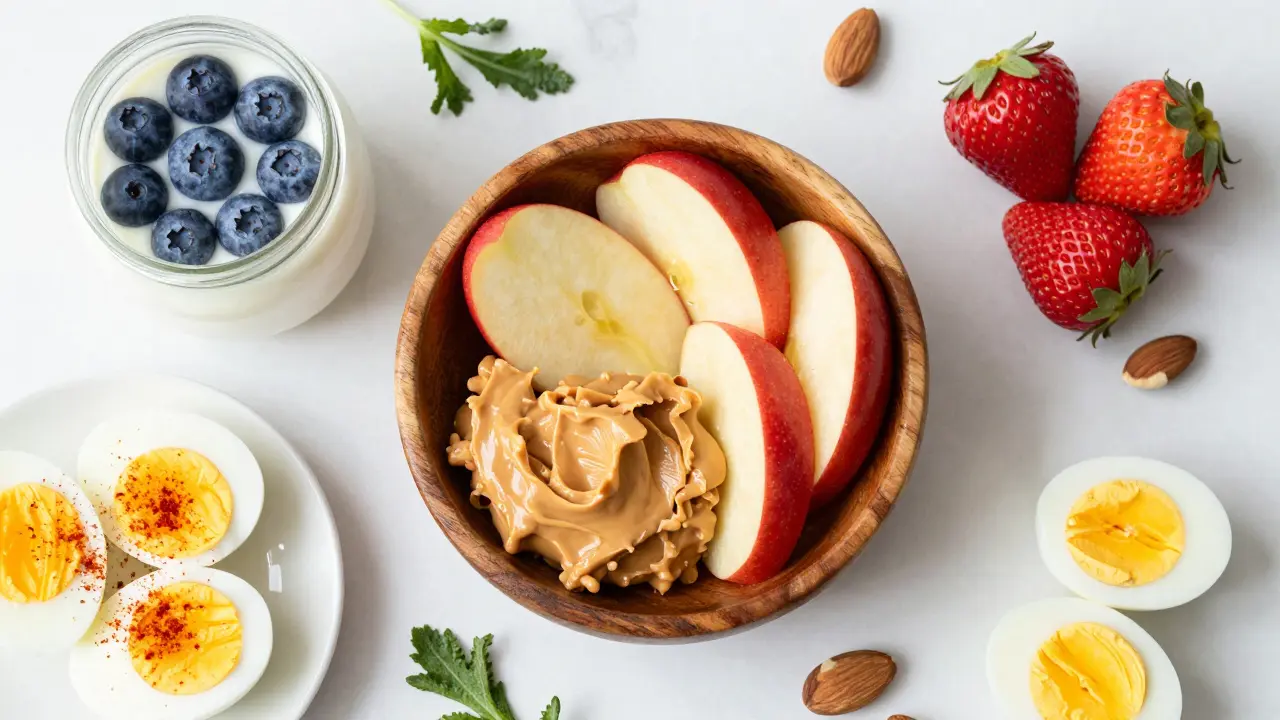
| Apple Slices with Almond Butter | Fiber, Vitamin C, Healthy Fats | 2 minutes | Morning energy boost |
| Greek Yogurt with Berries | Protein, Probiotics, Antioxidants | 1 minute | Gut health & post-workout |
| Hard-Boiled Eggs with Paprika | High-Quality Protein, Choline | 10 minutes (batch) | Sustained afternoon focus |
| Hummus with Carrot Sticks | Fiber, Plant-Based Protein, Beta-Carotene | 2 minutes | Crunchy craving satisfaction |
| Mixed Nuts (Unsalted) | Omega-3s, Magnesium, Healthy Fats | 0 minutes | On-the-go convenience |
Notice how none of these require complex cooking. The barrier to entry is low. Keep pre-cut veggies in your fridge. Buy plain Greek yogurt instead of sugary flavored versions. Roast a batch of chickpeas on Sunday for crunch all week. Preparation is half the battle.
Reading Labels Like a Pro
Walking down the snack aisle can be overwhelming. Manufacturers use clever marketing to make processed foods look healthy. "Whole grain," "natural," and "low-fat" don’t always mean nutritious. Here’s how to spot the fakes:
- Check the Ingredient List Length: If you can’t pronounce half the ingredients, put it back. Shorter lists usually mean fewer additives.
- Watch for Hidden Sugars: Sugar hides under names like cane juice, dextrose, maltodextrin, and agave nectar. If sugar is in the top three ingredients, avoid it.
- Look for Added Sodium: Many savory snacks are loaded with salt to enhance flavor. Aim for less than 200mg per serving unless it’s a very small portion.
- Fiber Content: Look for at least 3g of fiber per serving. This indicates whole food sources rather than refined flour.
For example, many granola bars marketed as "energy bars" contain as much sugar as a candy bar. Compare that to a simple mix of oats, honey, and walnuts you make at home. You control the ratio. You know exactly what goes in.
Timing and Portion Control
When should you snack? Listen to your hunger cues. Are you truly hungry, or are you bored, stressed, or thirsty? Sometimes a glass of water solves the problem. True hunger feels physical-a growling stomach or lightheadedness. Emotional hunger feels urgent and specific (e.g., "I need chips right now").
If you are genuinely hungry, aim to snack 2-3 hours after a main meal. Don’t wait until you’re starving; that leads to poor food choices. Portion size matters too. Even healthy snacks can lead to weight gain if eaten in excess. A small handful of almonds is great; a whole bag is not. Pre-portioning snacks into small containers can help prevent mindless overeating.
Common Pitfalls to Avoid
Even well-intentioned snacking can go wrong. Here are the most common mistakes people make:
- Relying Only on Fruit: While healthy, fruit alone lacks protein and fat, leading to rapid blood sugar spikes. Always pair it.
- Ignoring Hunger Signals: Skipping snacks because you’re "dieting" often results in bingeing at dinner. Consistency beats intensity.
- Buying Pre-Packaged "Healthy" Snacks: As mentioned, many are highly processed. Whole foods are almost always superior.
- Eating Distractedly: Mindful eating helps you recognize fullness. Eating while scrolling through social media often leads to overconsumption.
Start small. Swap one unhealthy snack a day for a nutritious alternative. Notice how your energy levels change. Notice how your clothes fit. Notice how your mood stabilizes. These small shifts compound over time.
Creating a Sustainable Snacking Routine
Consistency is key. Make healthy snacks accessible. Keep them at eye level in your pantry and fridge. Hide the less desirable options. If you want to boost your health with nutritious snacking, you need to remove friction. If the apple is visible and the cookies are buried, you’ll likely choose the apple when you’re in a hurry.
Experiment with flavors. Try adding cinnamon to your oatmeal, or lemon juice to your cucumber slices. Variety prevents boredom. Involve your family or roommates in preparing snacks together. It makes the process enjoyable and ensures everyone is on board with healthier choices.
Remember, there is no perfect diet. There are only sustainable habits. Some days you’ll eat perfectly. Other days you’ll grab a donut. That’s okay. Just get back on track with the next meal. Nutritious snacking isn’t about perfection; it’s about progress. It’s about giving your body the respect it deserves through the fuel you provide.
Is snacking bad for weight loss?
Not necessarily. Snacking can support weight loss if it helps you avoid overeating at main meals. The key is choosing nutrient-dense, portion-controlled snacks that keep you satiated. High-protein and high-fiber snacks are best for curbing appetite.
What is the best time to snack?
The best time to snack is when you feel genuine hunger, typically 2-3 hours after a main meal. Common times are mid-morning (around 10 AM) and mid-afternoon (around 3 PM). Listening to your body’s hunger cues is more important than sticking to a rigid clock schedule.
Can I still eat junk food occasionally?
Yes. A balanced approach allows for occasional treats without guilt. The 80/20 rule is a helpful guideline: aim for nutritious choices 80% of the time, and allow yourself flexibility for the remaining 20%. This prevents feelings of deprivation that often lead to bingeing.
How much protein should my snack have?
Aim for 10-15 grams of protein in a snack to promote satiety and muscle maintenance. This can be achieved with a cup of Greek yogurt, two hard-boiled eggs, or a tablespoon of peanut butter paired with fruit.
Are store-bought protein bars healthy?
Many are highly processed and contain added sugars and artificial ingredients. Check the label: look for bars with less than 5g of added sugar and recognizable whole-food ingredients. Homemade options using oats, nuts, and natural sweeteners are generally healthier alternatives.