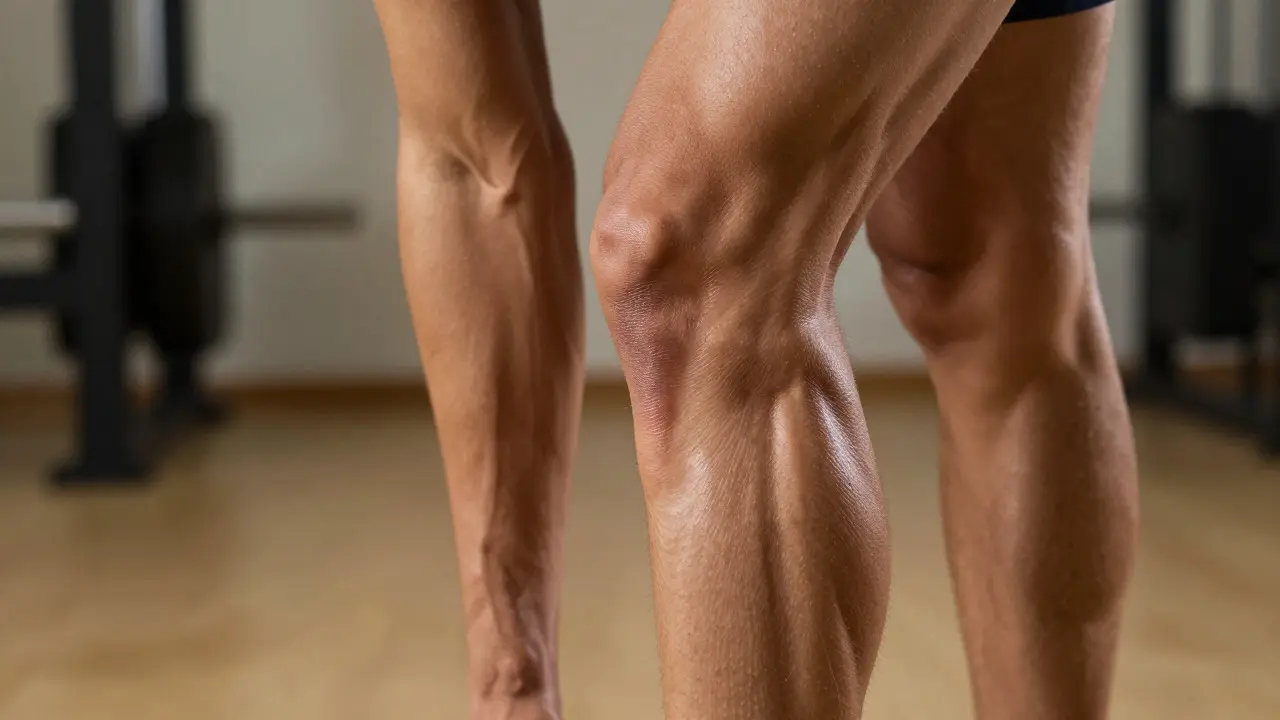
You just finished a grueling session. Maybe it was a marathon training run in the Ottawa heat or a heavy lifting day at the gym. Your muscles are tight, your range of motion feels restricted, and that nagging ache in your lower back is starting to bother you again. You know rest helps, but sometimes passive rest isn't enough. This is where sports massage steps in as a game-changer for athletes and fitness enthusiasts alike.
Sports massage isn't just a luxury spa treatment; it's a targeted therapeutic tool designed specifically for people who move their bodies regularly. Unlike a standard relaxation massage, which focuses on stress relief through gentle strokes, sports massage digs deeper into the muscular system. It addresses specific injuries, enhances performance, and accelerates recovery times. If you're serious about your physical activity, understanding how this therapy works can transform your routine from good to great.
What Exactly Is Sports Massage?
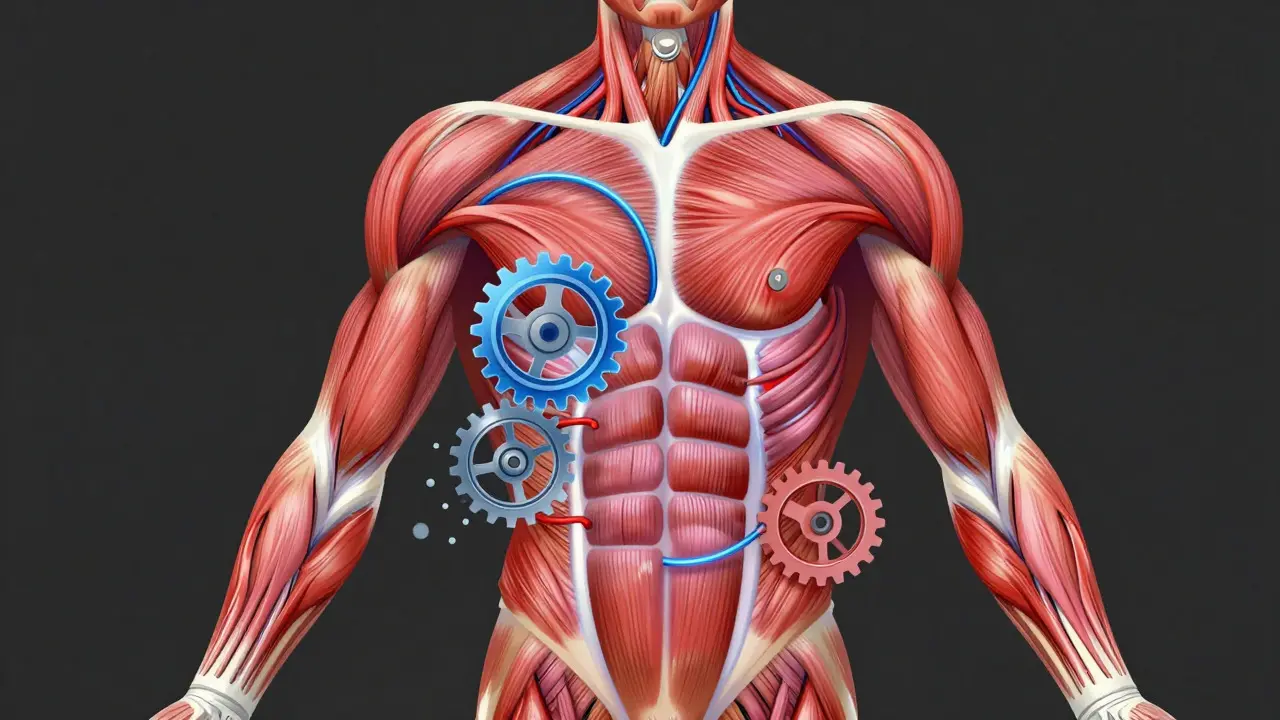
Sports massage is a specialized form of bodywork tailored to meet the needs of athletes and active individuals. While traditional Swedish massage aims to relax the whole body, sports massage targets specific areas of tension related to athletic activities. Therapists use a combination of techniques including effleurage (long gliding strokes), petrissage (kneading), friction, and tapotement (percussion) to manipulate soft tissues.
The primary goal is to prepare the body for peak performance or aid in post-activity recovery. Think of it like tuning a high-performance engine. You wouldn't just wash the car; you'd check the oil, adjust the timing, and ensure all parts are running smoothly. Similarly, a therapist checks for muscle imbalances, adhesions, and trigger points that could hinder your movement patterns.
This type of therapy bridges the gap between medical treatment and general wellness. It’s often used by professional athletes across disciplines-from soccer players to weightlifters-but it’s equally beneficial for weekend warriors. Whether you’re recovering from a sprained ankle or trying to prevent shin splints during running season, sports massage offers a structured approach to body maintenance.
Key Benefits for Athletes and Active Individuals
Why do so many coaches and physiotherapists recommend sports massage? The benefits extend far beyond feeling good after a session. Here’s what actually happens when you incorporate this therapy into your regimen:
- Accelerated Muscle Recovery: Intense exercise creates micro-tears in muscle fibers. Sports massage increases blood flow to these areas, delivering oxygen and nutrients while flushing out metabolic waste products like lactic acid. This process reduces delayed onset muscle soreness (DOMS), allowing you to train harder sooner.
- Improved Flexibility and Range of Motion: Tight muscles restrict movement. By breaking down scar tissue and adhesions-those sticky bands of fibrous tissue that form after injury-massage restores elasticity. This means deeper squats, higher kicks, and more efficient strides without straining joints.
- Injury Prevention: Regular sessions help identify problem areas before they become full-blown injuries. A therapist might notice tightness in your hip flexors that contributes to knee pain. Addressing this imbalance early prevents chronic issues like IT band syndrome or plantar fasciitis.
- Mental Clarity and Focus: Physical tension often mirrors mental stress. Releasing physical knots can lower cortisol levels, helping you stay calm and focused during competition or intense training blocks.
Consider a runner preparing for a half-marathon. Without proper recovery, cumulative fatigue leads to poor form and increased injury risk. With consistent sports massage, the runner maintains optimal biomechanics throughout the training cycle, resulting in better race-day performance.
Different Types of Sports Massage Techniques
Not all sports massages are created equal. Depending on your goals and timing, therapists employ different approaches. Understanding these distinctions helps you communicate effectively with your provider.
| Technique | Primary Goal | Best Used When | Pressure Level |
|---|---|---|---|
| Maintenance Massage | Preventive care and overall conditioning | Regularly, between competitions | Moderate to Deep |
| Rehabilitation Massage | Treating specific injuries and restoring function | After an acute injury or surgery | Variable (focused) |
| Event-Day Massage | Warm-up and activation | 1-2 hours before competition | Light to Moderate |
| Post-Event Massage | Rapid recovery and reducing inflammation | Within 24-72 hours after event | Gentle to Moderate |
Maintenance massage is the bread and butter for most athletes. It involves regular sessions (every 2-4 weeks) to keep muscles pliable and address minor tensions before they escalate. This proactive approach keeps your body in top shape year-round.
Rehabilitation massage is more clinical. If you’ve torn a hamstring or strained a rotator cuff, this technique focuses on healing the specific tissue. Therapists may combine massage with cross-friction techniques to align collagen fibers correctly during the healing process. It’s not about relaxation; it’s about repair.
Event-day massage is short and stimulating. Done right before a race or game, it primes the nervous system and increases circulation without exhausting the muscles. Conversely, post-event massage is soothing. It helps calm the sympathetic nervous system (fight-or-flight response) and encourages parasympathetic dominance (rest-and-digest), aiding sleep and recovery.
How to Prepare for Your First Session
If you’ve never had a sports massage, you might wonder what to expect. Preparation ensures you get the most out of the experience. Start by hydrating well in the 24 hours leading up to your appointment. Dehydrated muscles are less responsive to manipulation and more prone to soreness afterward.
Wear comfortable, loose-fitting clothing. You’ll likely change into shorts or a gown provided by the clinic. Arrive 10-15 minutes early to fill out any intake forms. These forms usually ask about your activity level, current injuries, and specific areas of concern. Be honest here. If your left shoulder hurts when you swim, tell the therapist. They need this information to tailor the session.
Communicate openly during the massage. Pain tolerance varies greatly. "Good pain" feels like a deep stretch or pressure release. "Bad pain" is sharp, shooting, or electric. If something hurts too much, say so immediately. A skilled therapist will adjust their pressure. Silence doesn’t mean you’re okay; it might mean you’re enduring unnecessary discomfort.
Finding the Right Therapist in Ottawa
Choosing a qualified practitioner is crucial. In Ontario, look for therapists registered with the College of Massage Therapists of Ontario (CMTO). This ensures they have completed rigorous education and adhere to strict safety standards. Not every spa masseuse is trained in sports-specific techniques.
Ask potential therapists about their experience with your specific sport or activity. A therapist who specializes in runners might understand gait mechanics better than one who focuses on yoga practitioners. Check reviews, but also trust your gut feeling during consultations. Do they listen? Do they explain their plan? A good partnership is built on communication.
Cost can vary, but typical sessions in Ottawa range from $90 to $130 for 60 minutes. Some extended health insurance plans cover massage therapy if prescribed by a doctor or physiotherapist. Check your policy details before booking. Investing in quality care pays off by reducing future medical bills related to injuries.
Integrating Massage Into Your Training Plan
To truly revolutionize your workout routine, treat sports massage as part of your training schedule, not an occasional treat. For competitive athletes, monthly maintenance sessions are ideal. During heavy training blocks, consider bi-weekly visits. After major events, schedule a recovery session within three days.
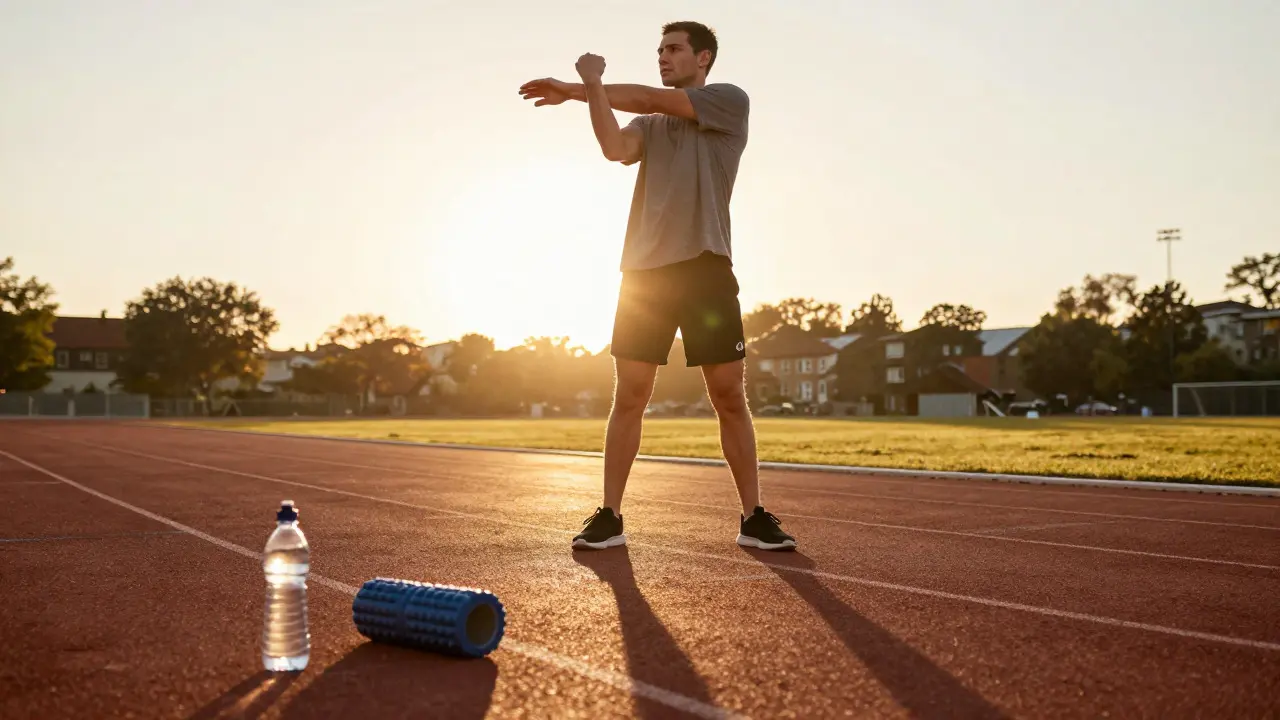
Combine massage with other recovery modalities for maximum effect. Foam rolling, stretching, and adequate sleep complement the work done in the clinic. Hydration remains key-drink plenty of water after your session to help flush out toxins released from the tissues. You might feel slightly tired or looser than usual; this is normal. Take it easy for the rest of the day.
Track your progress. Keep a simple log noting when you had massage, what areas were treated, and how you felt in the following days. Over time, you’ll see patterns. Perhaps your hamstrings always tighten before long runs, or your neck gets stiff during exam periods. This data helps you and your therapist refine your strategy.
Common Misconceptions About Sports Massage
Despite its popularity, myths persist. One common belief is that massage cures all injuries instantly. While it aids healing, it’s not magic. Severe tears or fractures require medical intervention first. Massage supports the healing process but doesn’t replace surgery or immobilization when necessary.
Another myth is that it’s only for elite athletes. Anyone who engages in regular physical activity can benefit. Office workers with sedentary jobs often suffer from similar muscle imbalances as athletes due to poor posture. Sports massage addresses functional issues regardless of skill level.
Some fear it’s too painful. As mentioned earlier, communication is key. Modern sports massage emphasizes therapeutic effectiveness over brute force. Gentle techniques can be just as effective as deep pressure depending on the situation. Trust your therapist to guide you.
How often should I get a sports massage?
For general maintenance, once a month is sufficient. During intense training phases or competition seasons, every two weeks may be beneficial. After a major injury or event, you might need weekly sessions initially. Listen to your body and consult your therapist for a personalized plan.
Does sports massage hurt?
It can be uncomfortable, especially if there is significant tension or scar tissue. However, it shouldn't be excruciating. "Good pain" feels like a deep stretch. Sharp or shooting pain indicates you need less pressure. Communicate openly with your therapist to find the right balance.
Can sports massage help with chronic pain?
Yes, it can be highly effective for chronic conditions like lower back pain, tennis elbow, or plantar fasciitis. By addressing underlying muscle imbalances and improving circulation, it reduces strain on affected areas. Consistency is key for long-term relief.
Is sports massage covered by insurance?
Many extended health insurance plans in Canada cover massage therapy if performed by a registered massage therapist (RMT). You may need a referral from a doctor or physiotherapist. Check your specific policy details for coverage limits and requirements.
What should I wear to a sports massage?
Wear loose, comfortable clothing that allows easy access to the areas being treated. Most clinics provide disposable underwear or draping sheets. You typically undress to your comfort level, keeping undergarments on if preferred. Draping ensures modesty throughout the session.
How long does it take to see results?
Immediate effects include reduced tension and improved mobility. Long-term benefits like injury prevention and enhanced performance build over several sessions. Consistent maintenance yields the best results. Don't expect a single session to solve years of neglect.
Can I exercise after a sports massage?
Light activity like walking is fine. Avoid intense workouts for at least 24 hours to allow your muscles to recover fully. Strenuous exercise immediately after massage can counteract the benefits and increase soreness. Rest and hydrate instead.