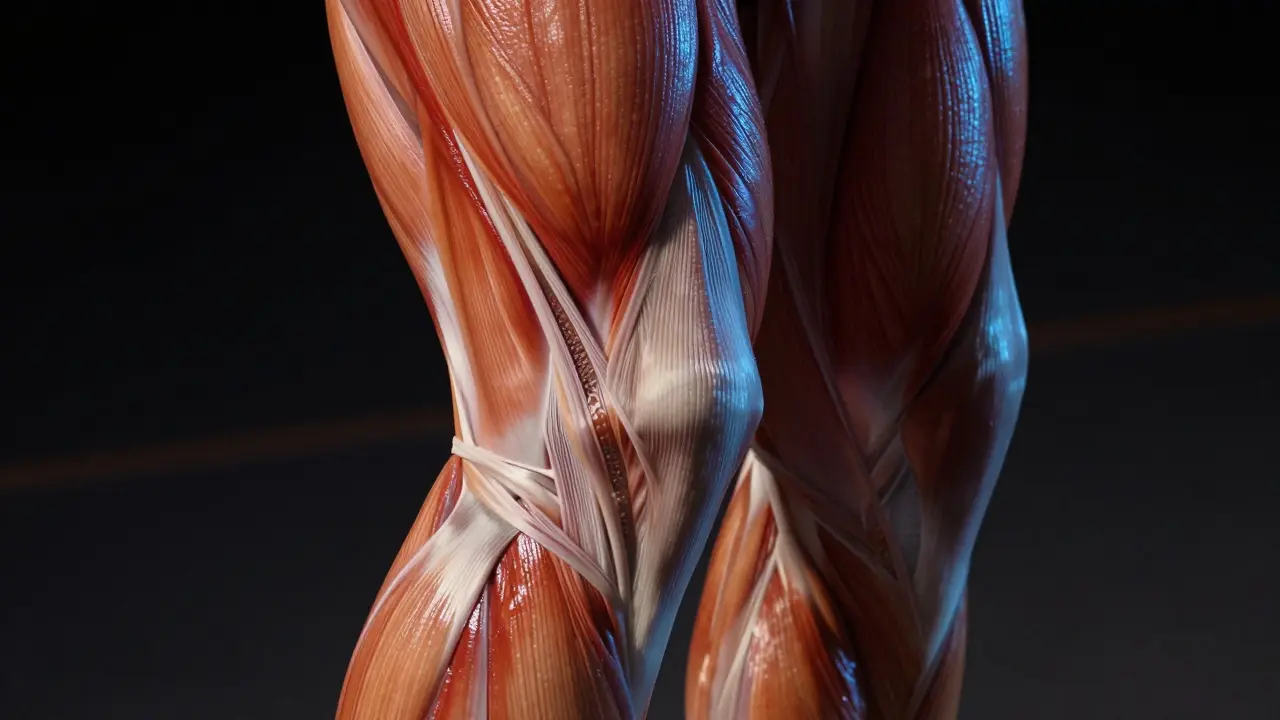
You’ve just finished a grueling training session. Your legs feel like lead, your shoulders are tight knots of tension, and you’re wondering if you’ll ever move normally again. Most athletes reach for ice or rest. But there’s another tool in the kit that often gets overlooked: sports massage. It isn’t just about feeling good after a long day; it is a strategic intervention designed to optimize how your body moves, recovers, and performs.
Think of your muscles as elastic bands. Over time, with repetitive stress from running, lifting, or swimming, those bands get sticky, short, and inefficient. Sports massage acts as the lubricant and stretcher that restores their length and glide. The result? You don’t just feel better-you actually perform better because your body can use its full range of motion without restriction.
The Mechanics of Movement: Why Muscles Get Stuck
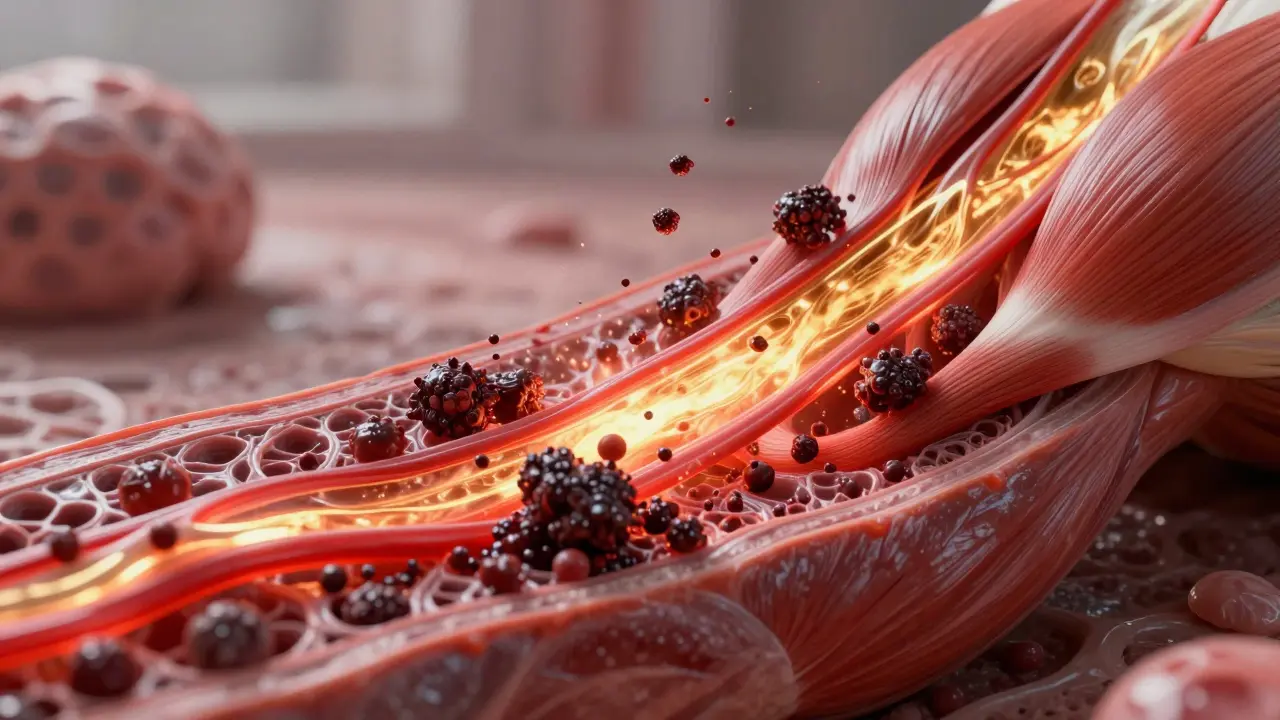
To understand why sports massage works, you have to look at what happens inside your muscle fibers during intense activity. When you exercise, microscopic tears occur in the muscle tissue. This is normal. It’s how you build strength. However, as these tissues heal, they sometimes form adhesions-think of them like scar tissue on a microscopic level. These adhesions bind muscle layers together that should be sliding freely.
If your calf muscle has an adhesion, it pulls on your Achilles tendon, which pulls on your heel, altering your gait. Suddenly, your knee hurts, not because the knee is broken, but because the calf is pulling everything out of alignment. Sports massage therapists use specific techniques to break down these adhesions and rehydrate the fascia. By restoring the natural slide-and-glide mechanism between muscle layers, you reduce friction and allow for smoother, more powerful movements.
Accelerating Recovery Between Sessions
Recovery is where gains are made. Training breaks you down; recovery builds you back up. One of the biggest bottlenecks in recovery is the accumulation of metabolic waste products like lactic acid and inflammatory markers. While your body naturally clears these out, the process can be slow, leaving you feeling sore and stiff for days.
Sports massage enhances circulation significantly. By applying pressure and rhythmically moving through the tissue, therapists increase blood flow to the affected areas. This increased circulation does two things: it brings fresh oxygen and nutrients needed for repair, and it flushes out the metabolic waste that causes soreness. Studies have shown that athletes who receive regular sports massage report less perceived exertion and faster return to baseline heart rates after intense workouts compared to those who rely solely on passive rest.
Consider a marathon runner preparing for a major race. If they train hard three days before the event, they might still be dealing with residual fatigue. A targeted sports massage session can accelerate this clearance process, ensuring they step onto the starting line feeling fresh rather than dragging heavy legs.
Preventing Injuries Before They Start
Injury prevention is arguably the most valuable aspect of sports massage. Most injuries aren’t accidents; they are the result of accumulated stress that finally exceeds the tissue’s tolerance. Tight hip flexors from sitting all day can lead to lower back pain when you start running. Tight hamstrings can cause strains during sprinting.
A skilled sports massage therapist doesn’t just treat the symptom; they assess your entire biomechanical profile. They look for imbalances. For example, if one side of your gluteal muscles is weaker or tighter than the other, it could indicate a compensatory pattern that puts undue stress on your knees or ankles. By addressing these imbalances early, you correct the root cause of potential injury.
| Body Area | Common Issue | Potential Injury Risk | Massage Focus |
|---|---|---|---|
| Hip Flexors | Tightness from prolonged sitting | Lower back pain, anterior knee pain | Deep tissue release, stretching |
| Hamstrings | Shortening from lack of mobility | Strains, sciatica-like symptoms | Myofascial release, trigger point therapy |
| Calves | Adhesions from repetitive impact | Achilles tendinitis, plantar fasciitis | Cross-fiber friction, effleurage |
| Shoulders | Rounding from desk work or swimming | Rotator cuff impingement | Upper trapezius release, pec minor stretch |
Enhancing Range of Motion and Flexibility
Flexibility isn’t just about touching your toes. It’s about having the joint range necessary to perform your sport efficiently. A swimmer needs shoulder flexibility to pull through the water. A golfer needs thoracic spine rotation to generate power. If your joints are restricted, you lose power output and increase the risk of tearing something.
Sports massage improves flexibility by reducing muscle tone and breaking down restrictive tissue. Unlike static stretching, which only temporarily elongates the muscle, massage addresses the underlying structural restrictions. When combined with active stretching routines post-massage, the gains in range of motion can become semi-permanent. This means you can squat deeper, swing higher, or stride longer without pain or hesitation.
Mental Preparation and Stress Reduction
We often forget that performance is mental as much as it is physical. Anxiety and stress tighten the body. Cortisol, the stress hormone, keeps muscles in a state of low-level contraction, ready for “fight or flight.” This chronic tension drains energy reserves and clouds focus.
Sports massage triggers the parasympathetic nervous system-the “rest and digest” mode. This shift lowers cortisol levels and increases serotonin and dopamine, neurotransmitters associated with well-being and relaxation. For an athlete, this mental clarity is crucial. Imagine stepping into a competition zone feeling calm, focused, and physically loose, while your competitors are tense and jittery. That mental edge can be the difference between a personal best and a mediocre showing.
Types of Sports Massage Techniques
Not all sports massage is the same. Therapists use a variety of techniques depending on your goals and current condition. Here are the most common methods you’ll encounter:
- Effleurage: Long, gliding strokes used to warm up the tissue and promote circulation. Often used at the beginning and end of a session.
- Petrissage: Kneading and squeezing of the muscle to lift it away from underlying structures. This helps break up adhesions and improve flexibility.
- Friction: Deep, circular movements applied across the grain of the muscle. This is excellent for breaking down scar tissue and treating tendinitis.
- Tapotement: Rhythmic tapping or chopping motions used to stimulate and invigorate the muscles. Commonly used before events to wake up the nervous system.
- Trigger Point Therapy: Applying sustained pressure to specific hyper-irritable spots in the muscle (knots) to relieve referred pain.
Your therapist will mix and match these techniques based on whether you need pre-event activation, post-event recovery, or maintenance care.
When to Schedule Your Session
Timing matters. You wouldn’t eat a heavy meal right before a sprint, and you shouldn’t get a deep tissue massage immediately before a competition either. Here’s a simple guide:
- Pre-Event (1-2 Days Before): Keep it light. Focus on effleurage and tapotement to increase blood flow and alertness. Avoid deep work that could cause soreness.
- Post-Event (Within 24 Hours): Aim for gentle to moderate pressure. The goal is to flush out waste products and reduce inflammation. Don’t go too deep if the tissue is already bruised or severely inflamed.
- Maintenance (Weekly/Bi-Weekly): This is where the magic happens. Regular sessions address imbalances before they become problems. Treat it like part of your training schedule, not a luxury.
- Injury Rehabilitation: Work closely with your physiotherapist. Massage can complement rehab exercises by keeping tissue pliable and pain-free.
Finding the Right Therapist
Not all massage therapists are qualified to work with athletes. Look for someone with specific certification in sports massage or orthopedic manual therapy. They should ask about your training regimen, recent injuries, and performance goals. A general relaxation therapist might make you feel good, but a sports massage therapist will help you move better.
In Melbourne, many clinics specialize in this niche. Ask for referrals from coaches or fellow athletes. Check their credentials and read reviews specifically mentioning athletic recovery. The investment in a qualified professional pays off in reduced downtime and improved performance.
How often should I get a sports massage?
For competitive athletes, once a week or every two weeks is ideal for maintenance. During peak training seasons, weekly sessions may be necessary. For recreational athletes, monthly sessions can help manage occasional stiffness and prevent minor issues from becoming major injuries.
Does sports massage hurt?
It can be uncomfortable, especially if you have significant adhesions or trigger points. However, it should never be excruciating. Good therapists communicate with you to find the right pressure level. "Good pain" feels like a deep release, while bad pain signals nerve irritation or excessive force.
Can sports massage replace physical therapy?
No, they are complementary. Physical therapy focuses on strengthening weak muscles and correcting movement patterns through exercise. Sports massage addresses soft tissue restrictions and pain. Together, they provide a comprehensive approach to rehabilitation and performance enhancement.
Is sports massage covered by health insurance?
Coverage varies by provider and plan. Some policies cover sports massage if prescribed by a doctor for a specific injury or condition. Others may exclude it entirely. Always check with your insurer beforehand and ask the clinic for a detailed invoice with medical codes if applicable.
What should I wear to a sports massage appointment?
Wear comfortable, loose-fitting clothing that allows easy access to the areas being treated. Many athletes prefer shorts and a tank top. Drapes and sheets are used to maintain modesty and warmth, exposing only the area currently being worked on.