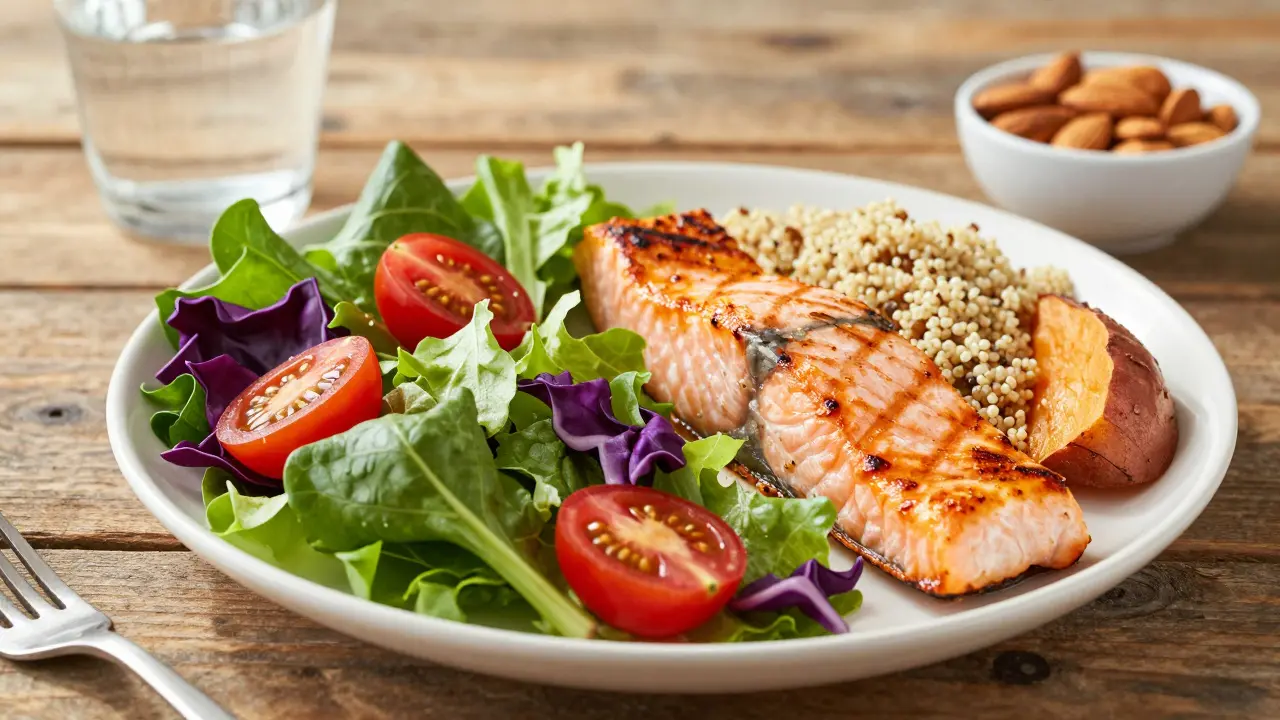
You don’t need a complicated meal plan or expensive supplements to feel your best. In fact, most people overcomplicate the idea of a healthy diet is a consistent pattern of eating that provides essential nutrients while supporting long-term physical and mental well-being. The truth is simpler: eat real food, move your body, and sleep enough. If you’ve been overwhelmed by conflicting advice on social media, this guide cuts through the noise. We’ll look at what actually works for sustaining energy, preventing disease, and feeling good in your own skin.
What Actually Defines a Healthy Diet?
Forget the buzzwords like “clean eating” or “detox.” A healthy diet isn’t about perfection; it’s about consistency and balance. It means filling your plate with foods that give your body fuel rather than just empty calories. Think of your body as a high-performance car. You wouldn’t put low-grade sludge in a Ferrari and expect it to run smoothly for years. Similarly, feeding your body processed junk leads to sluggishness, brain fog, and higher risk of chronic issues like heart disease and type 2 diabetes.
The core principle is variety. No single food has all the nutrients you need. That’s why we talk about macros-carbohydrates, proteins, and fats-and micros, which are vitamins and minerals. Carbs aren’t the enemy; they’re your primary energy source. Protein builds and repairs tissue. Fats support hormone production and brain health. When you get these right, you stop craving sugar because your blood sugar stays stable.
The Core Components of Balanced Nutrition
To build a diet that supports optimal health is a state of complete physical, mental, and social well-being, not merely the absence of disease, you need to focus on whole foods. These are foods that haven’t been heavily processed or stripped of their natural nutrients. Here is how to break down your plate:
- Vegetables and Fruits: Aim for color. Different colors mean different antioxidants. Leafy greens provide iron and calcium, while berries offer powerful anti-inflammatory compounds. Try to fill half your plate with plants at every meal.
- Lean Proteins: Chicken, fish, tofu, beans, and eggs are staples. Protein keeps you full longer and helps maintain muscle mass, which is crucial as we age. If you’re vegetarian, combining rice and beans gives you a complete amino acid profile.
- Whole Grains: Swap white bread for oats, quinoa, brown rice, or whole-wheat pasta. Whole grains contain fiber, which aids digestion and feeds the good bacteria in your gut. This connection between gut health and mood is now well-documented by researchers.
- Healthy Fats: Avocados, nuts, seeds, and olive oil are your friends. Avoid trans fats found in many fried foods and baked goods. Omega-3 fatty acids, found in salmon and flaxseeds, are particularly important for heart and brain health.
Hydration is also part of this equation. Water is involved in almost every bodily function. Often, what we interpret as hunger is actually mild dehydration. Keep a bottle handy and sip throughout the day. Herbal teas count too, but try to limit sugary sodas and excessive caffeine.
Why Processed Foods Derail Your Progress
If there is one habit to break, it’s the reliance on ultra-processed foods. These are industrial formulations made with ingredients you wouldn’t find in a home kitchen, like high-fructose corn syrup, hydrogenated oils, and artificial preservatives. They are designed to be hyper-palatable, meaning they trick your brain into wanting more even when you’re full.
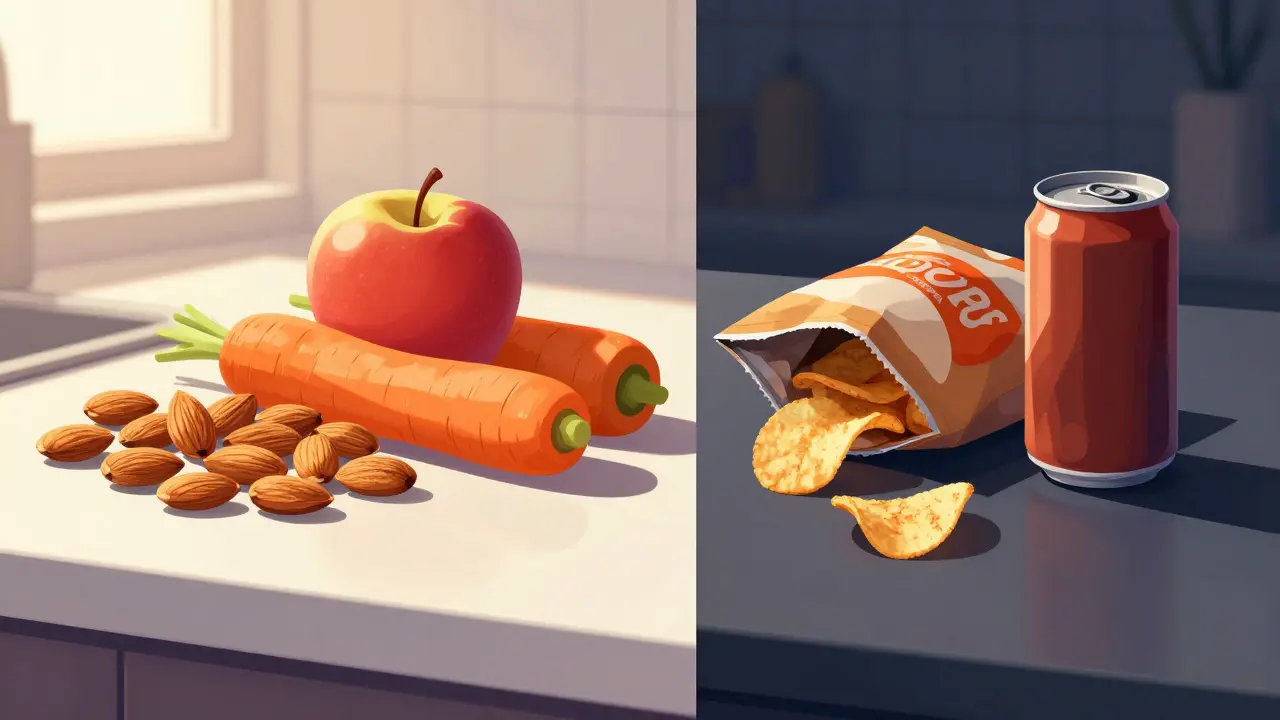
Consider a bag of chips versus a handful of almonds. Both are salty and crunchy, but the chips spike your insulin rapidly, leading to a crash an hour later. The almonds provide steady energy. Over time, frequent insulin spikes contribute to fat storage around the abdomen and increase inflammation. Inflammation is the root cause of many modern diseases, from arthritis to depression. By cutting back on processed snacks, you reduce this silent stressor on your body.
Reading labels can be intimidating, but look for short ingredient lists. If you can’t pronounce an ingredient, ask yourself if you’d cook with it at home. If the answer is no, skip it. This simple heuristic saves you from falling into marketing traps where products claim to be “natural” but are still loaded with hidden sugars.
Sustainable Eating vs. Crash Diets
One of the biggest mistakes people make is trying to change everything overnight. Crash diets might drop a few pounds quickly, but they usually result in muscle loss, metabolic slowdown, and eventual rebound weight gain. A healthy diet is a lifestyle, not a temporary fix. It should be something you can stick to for decades, not just weeks.
Start small. Instead of banning all carbs, swap one refined carb for a whole grain version. Add one extra vegetable serving to dinner. Small changes compound over time. Psychology plays a huge role here. If you view food as punishment or restriction, you’ll likely binge later. View it as nourishment. Allow yourself flexibility. Having a slice of pizza once in a while won’t ruin your health, but making it your daily staple will.
Listen to your body. Eat when you’re hungry, stop when you’re satisfied-not stuffed. This practice, known as intuitive eating, helps rebuild trust with your body’s natural signals. Many of us have lost touch with these cues due to emotional eating or busy schedules. Relearning them takes patience, but it’s worth it.
| Approach | Focus | Sustainability | Key Benefit |
|---|---|---|---|
| Crash Diet | Rapid weight loss via severe calorie restriction | Low (high dropout rate) | Quick initial results |
| Balanced Whole Foods | Nutrient density and variety | High (lifestyle-based) | Long-term health and energy stability |
| Keto/Low-Carb | Fat adaptation and ketosis | Moderate (requires discipline) | Appetite control for some individuals |
Mental Health and the Gut-Brain Axis
We often separate mind and body, but they are deeply connected. The gut-brain axis refers to the bidirectional communication between your gastrointestinal tract and your central nervous system. About 90% of your serotonin, the neurotransmitter responsible for mood regulation, is produced in your gut. This means what you eat directly impacts how you feel emotionally.
A diet high in sugar and processed fats can promote inflammation, which is linked to anxiety and depression. Conversely, a Mediterranean-style diet rich in fruits, vegetables, whole grains, and healthy fats has been shown in multiple studies to improve mental health outcomes. Probiotics found in yogurt, kefir, and fermented foods like kimchi also support a diverse gut microbiome, which further enhances mood stability.
If you struggle with brain fog or low motivation, check your breakfast. A sugary cereal might give you a quick burst, but it will leave you crashing by mid-morning. Try eggs with spinach or oatmeal with berries instead. You’ll notice a difference in your clarity and energy levels within days.

Practical Tips for Busy Lives
I know life gets hectic. Between work, family, and chores, cooking every night seems impossible. But you don’t need to be a chef to eat well. Preparation is key. Spend one hour on Sunday prepping ingredients. Wash and chop vegetables, cook a batch of grains, and portion out snacks. When you’re tired after work, having ready-to-eat healthy options prevents you from ordering takeout.
Don’t underestimate the power of leftovers. Cook larger portions for dinner so you have lunch covered for the next day. Freeze meals if you can’t eat them immediately. Batch cooking saves time and money. Also, keep healthy snacks accessible. If only cookies are in the pantry, you’ll eat cookies. If apples and nuts are visible, you’re more likely to choose those.
Eating out doesn’t have to derail you. Most restaurants offer salads, grilled proteins, and steamed veggies. Don’t be afraid to ask for modifications, like dressing on the side or swapping fries for a side salad. You’re paying for the food; customize it to fit your goals.
Common Myths Debunked
Myth 1: Carbs make you fat. Reality: Excess calories make you fat, regardless of the source. Carbs are essential for brain function and athletic performance. Choose complex carbs over simple ones.
Myth 2: Fat makes you fat. Reality: Dietary fat is necessary for nutrient absorption and hormone health. Saturated fats should be limited, but unsaturated fats are beneficial. Portion control matters more than eliminating fat entirely.
Myth 3: Supplements replace food. Reality: Supplements can fill gaps, but they don’t replicate the complex synergy of whole foods. Fiber, phytonutrients, and enzymes in real food do things pills can’t. Focus on food first, then supplement if needed under professional guidance.
How much water should I drink daily?
The old rule of eight glasses is a good starting point, but needs vary based on activity level, climate, and body size. A better guideline is to drink when thirsty and aim for pale yellow urine. Active individuals may need significantly more.
Can I still enjoy alcohol on a healthy diet?
Yes, in moderation. Alcohol contains empty calories and can disrupt sleep quality. Limit intake to occasional occasions rather than daily habits. Red wine in small amounts may offer some antioxidant benefits, but don't rely on it for health gains.
Is organic food necessary for optimal health?
Not necessarily. While organic produce avoids synthetic pesticides, the nutritional difference is minimal. The most important factor is eating plenty of fruits and vegetables, whether conventional or organic. Prioritize buying organic for the "Dirty Dozen" list (e.g., strawberries, spinach) if budget allows.
How does sleep affect my diet?
Poor sleep increases ghrelin (hunger hormone) and decreases leptin (satiety hormone), leading to cravings for high-calorie foods. Aim for 7-9 hours of quality sleep to regulate appetite hormones and support metabolic health.
What is the best time to eat?
Timing matters less than total intake and food quality. However, regular meal times help stabilize blood sugar. Intermittent fasting works for some but isn't mandatory. Listen to your body's hunger cues and avoid eating late at night if it disrupts sleep.