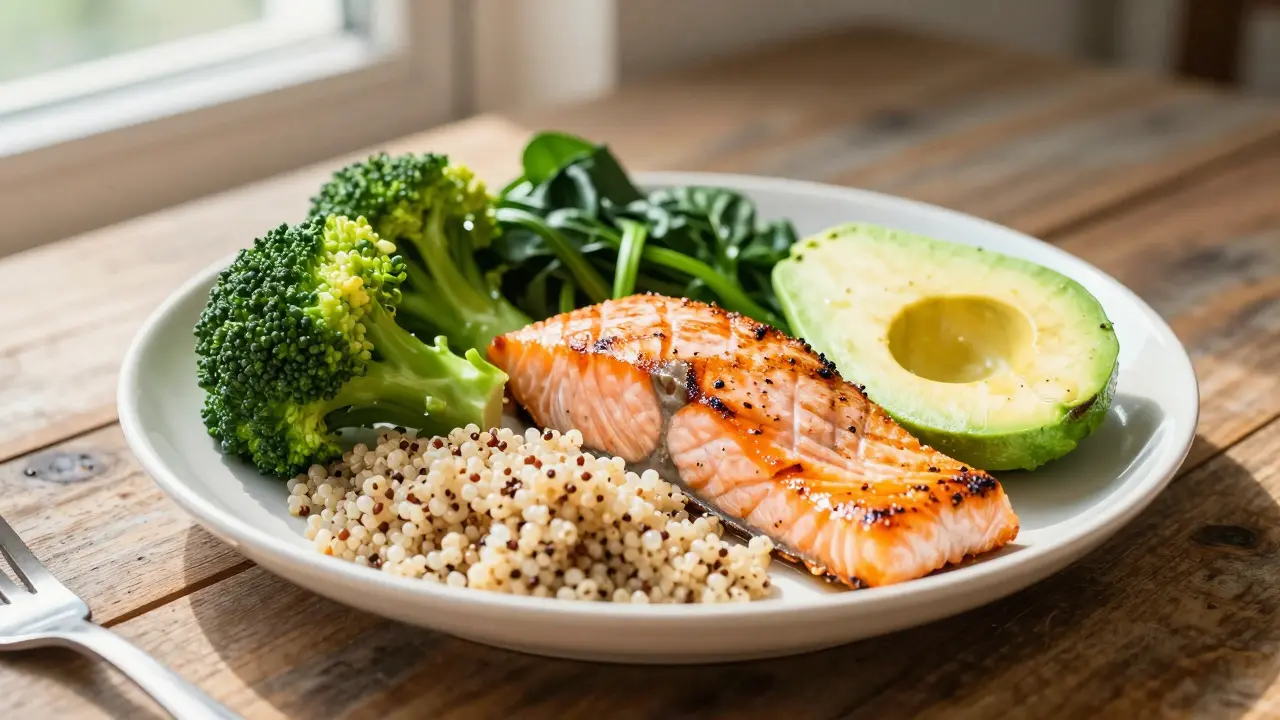
Stop scrolling through endless food trends for a second. You’ve probably seen the headlines promising that one specific superfood will fix your energy levels or that cutting out an entire food group is the secret to longevity. It’s exhausting, right? The truth is simpler than the noise suggests. A healthy diet isn’t about perfection; it’s about consistency and balance. In 2026, with access to more nutritional data than ever before, we know exactly what fuels our bodies best. It’s not magic-it’s biology.
We often treat food as fuel, but it’s also information. Every bite sends signals to your cells, influencing everything from your mood to your immune response. When you understand how these signals work, making better choices becomes less about willpower and more about strategy. Let’s break down what actually works, stripping away the fads to focus on the science-backed foundations of optimal health.
The Core Pillars of Nutritional Balance
Think of your body like a high-performance vehicle. You wouldn’t put low-grade fuel in a sports car and expect it to run smoothly. Similarly, your body requires specific inputs to function at its peak. The foundation of any effective diet rests on three main pillars: macronutrients, micronutrients, and hydration.
Macronutrients are the primary sources of energy for the body, consisting of carbohydrates, proteins, and fats. These aren’t just abstract concepts; they have real jobs. Carbohydrates provide immediate energy for your brain and muscles. Proteins build and repair tissue, acting as the building blocks for muscle and enzymes. Fats support hormone production and help absorb vitamins. The old advice to fear carbs or fat is outdated. The key is quality. Choose complex carbohydrates like oats and quinoa over refined sugars. Opt for lean proteins like chicken breast or lentils. And don’t shy away from healthy fats found in avocados and nuts.
Micronutrients are vitamins and minerals required in smaller amounts that regulate bodily functions. Even if you get enough calories, a deficiency in iron can leave you tired, while a lack of vitamin D can weaken your bones. This is where variety matters. Eating the same three "healthy" meals every day might keep you full, but it likely leaves gaps in your nutrient profile. Aim for a rainbow on your plate. Different colors often indicate different phytonutrients-antioxidants that protect your cells from damage.
Hydration is the unsung hero. Water facilitates digestion, transports nutrients, and regulates temperature. Many people mistake thirst for hunger, leading to unnecessary snacking. Before reaching for a cookie, try drinking a glass of water. If you live in a warmer climate like Melbourne, staying hydrated is even more critical during the summer months.
Whole Foods vs. Processed Options
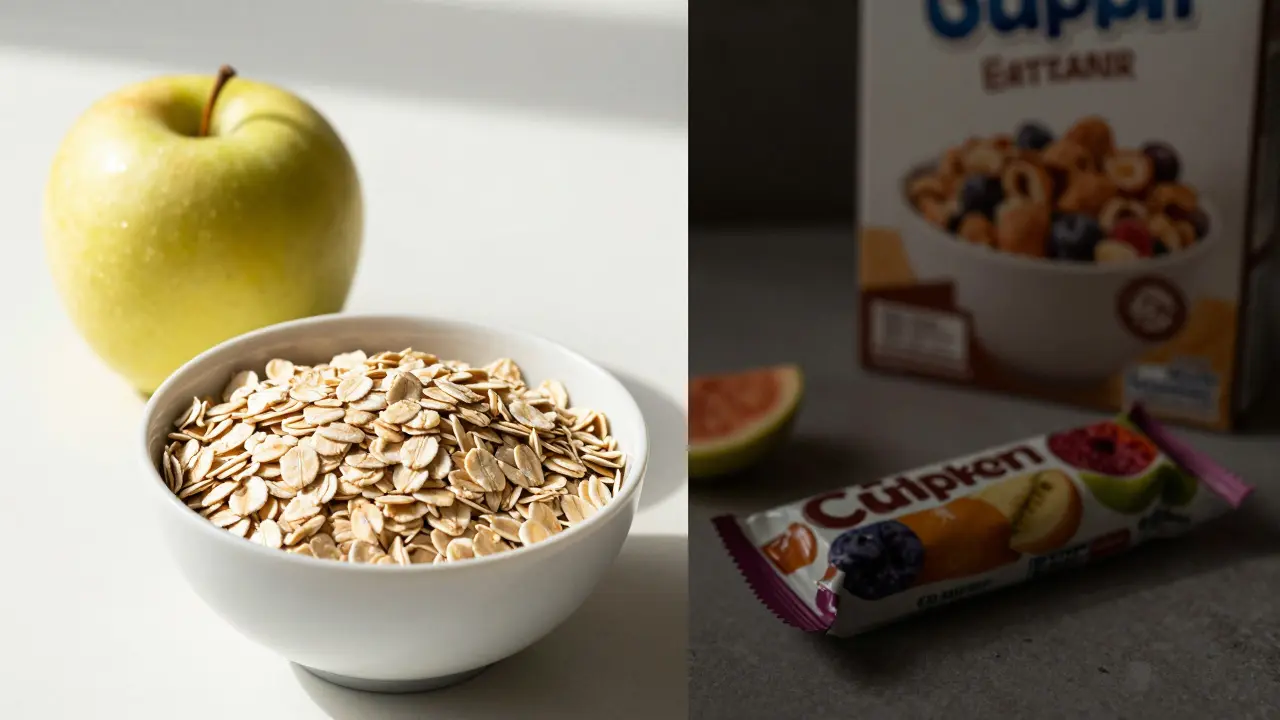
One of the biggest shifts in modern nutrition is the emphasis on whole foods. But what does that actually mean? A whole food is something that hasn’t been significantly altered from its natural state. An apple is a whole food. Apple juice is not. Brown rice is closer to whole than white rice, which has had its bran and germ removed.
Why does this distinction matter? Processing often strips away fiber and essential nutrients while adding sodium, sugar, and unhealthy fats. Fiber is crucial for gut health. It feeds the beneficial bacteria in your microbiome, which plays a huge role in immunity and mental health. When you eat highly processed foods, you’re missing out on this symbiotic relationship.
| Food Item | Fiber Content (per 100g) | Added Sugar | Nutrient Density |
|---|---|---|---|
| Oats (Rolled) | 10g | 0g | High (Iron, Magnesium) |
| Sugar Cereal | 1g | 15g+ | Low |
| Banana | 2.6g | 0g (Natural) | Medium (Potassium, B6) |
| Fruit Snack Bar | 0.5g | 10g+ | Very Low |
Notice the difference in fiber and added sugar. That single swap can stabilize your blood sugar levels, preventing the mid-afternoon crash that makes you reach for caffeine or junk food. It’s not about banning processed foods entirely-life happens, and sometimes convenience wins-but making them the exception rather than the rule.
Practical Strategies for Sustainable Eating
Knowing what to eat is half the battle. The other half is actually doing it consistently without burning out. Here are some practical strategies that fit into a busy lifestyle.
- Meal Prep Doesn’t Have to Be Perfect: You don’t need to cook seven days’ worth of meals on Sunday. Try "component prep." Cook a batch of grains, roast a tray of vegetables, and prepare a protein source. Mix and match throughout the week to avoid boredom.
- The Plate Method: Forget counting calories obsessively. Use your plate as a guide. Fill half with non-starchy vegetables (broccoli, spinach, peppers), one-quarter with lean protein, and one-quarter with complex carbohydrates. Add a thumb-sized portion of healthy fat. This visual cue ensures balance without the math.
- Read Labels Like a Detective: Ingredient lists are read from highest quantity to lowest. If sugar or salt is in the top three ingredients, think twice. Look for short ingredient lists with recognizable words. If you can’t pronounce it, your ancestors probably didn’t eat it either.
- Listen to Hunger Cues: We often eat out of boredom, stress, or habit. Pause before eating. Ask yourself, "Am I physically hungry?" If the answer is no, wait 10 minutes. Often, the urge passes. Mindful eating helps you recognize when you’re satisfied, not just stuffed.
Consistency beats intensity. A diet you can stick to for years is infinitely better than one you abandon after two weeks. Start small. Swap soda for sparkling water. Add a serving of vegetables to dinner. Small changes compound over time.
Navigating Common Dietary Myths
In 2026, misinformation spreads faster than facts. Let’s clear up a few persistent myths that hinder progress.
Myth: All fats are bad. Reality: Your brain is 60% fat. It needs omega-3 fatty acids to function properly. Avocados, olive oil, and fatty fish like salmon are allies, not enemies. The problem lies in trans fats and excessive saturated fats from processed meats.
Myth: You need to detox your body. Reality: Your liver and kidneys are incredibly efficient detoxifiers. They work 24/7. Expensive detox teas or juices do little more than act as laxatives. Supporting your organs with adequate water, fiber, and sleep is the real "detox."
Myth: Carbs make you gain weight. Reality: Excess calories make you gain weight, regardless of the source. However, refined carbs spike insulin, which can promote fat storage if not burned off. Complex carbs release energy slowly, keeping you fuller longer. Context matters.

Tailoring Nutrition to Your Lifestyle
There is no one-size-fits-all diet. A construction worker needs more calories and protein than a software developer. An athlete training for a marathon needs more carbohydrates than someone focusing on strength training. Listen to your body.
If you feel sluggish after lunch, maybe you’re eating too many heavy carbs. If you’re constantly hungry, you might need more protein or fiber. Experiment and observe. Keep a simple food and mood journal for a week. Note what you ate and how you felt afterward. Patterns will emerge. This self-awareness is powerful. It turns dieting from a rigid set of rules into a personalized tool for well-being.
Also, consider your environment. Living in Australia gives us access to incredible seasonal produce. Shop local markets when possible. Not only is it fresher and more nutritious, but it also supports local farmers. Seasonal eating naturally varies your diet, ensuring a wider range of nutrients throughout the year.
Building Long-Term Habits
The goal isn’t just to look good; it’s to feel good and stay healthy long-term. Chronic diseases like heart disease, type 2 diabetes, and certain cancers are heavily influenced by diet. By prioritizing whole foods, balancing macronutrients, and staying hydrated, you’re investing in your future self.
Remember, setbacks happen. You’ll have days where you eat poorly. That’s okay. Don’t let one bad meal turn into a bad week. Just get back on track with the next meal. Progress, not perfection, is the mantra. Healthy eating is a journey, not a destination. It’s about building a relationship with food that nourishes both your body and your mind.
What is the most important part of a healthy diet?
The most important aspect is consistency and balance. Focus on consuming mostly whole, unprocessed foods, including a variety of fruits, vegetables, lean proteins, and healthy fats. Hydration and listening to your body's hunger cues are also critical components.
How much water should I drink daily?
A general guideline is around 2 to 3 liters per day, but this varies based on activity level, climate, and individual physiology. A good indicator is the color of your urine; it should be pale yellow. Darker urine suggests dehydration.
Are supplements necessary for a healthy diet?
For most people, a balanced diet provides sufficient nutrients. However, certain groups may benefit from supplements, such as Vitamin D in regions with limited sunlight or B12 for vegans. Always consult a healthcare provider before starting new supplements.
Can I still enjoy treats on a healthy diet?
Yes, absolutely. A healthy diet is sustainable, which means allowing for occasional indulgences. The key is moderation and not letting treats replace nutrient-dense meals. Think of the 80/20 rule: 80% whole foods, 20% flexibility.
How does sleep affect my diet?
Sleep and diet are closely linked. Poor sleep disrupts hormones that regulate hunger (ghrelin and leptin), often leading to increased cravings for high-sugar and high-fat foods. Prioritizing 7-9 hours of quality sleep supports better dietary choices.