Key Takeaways
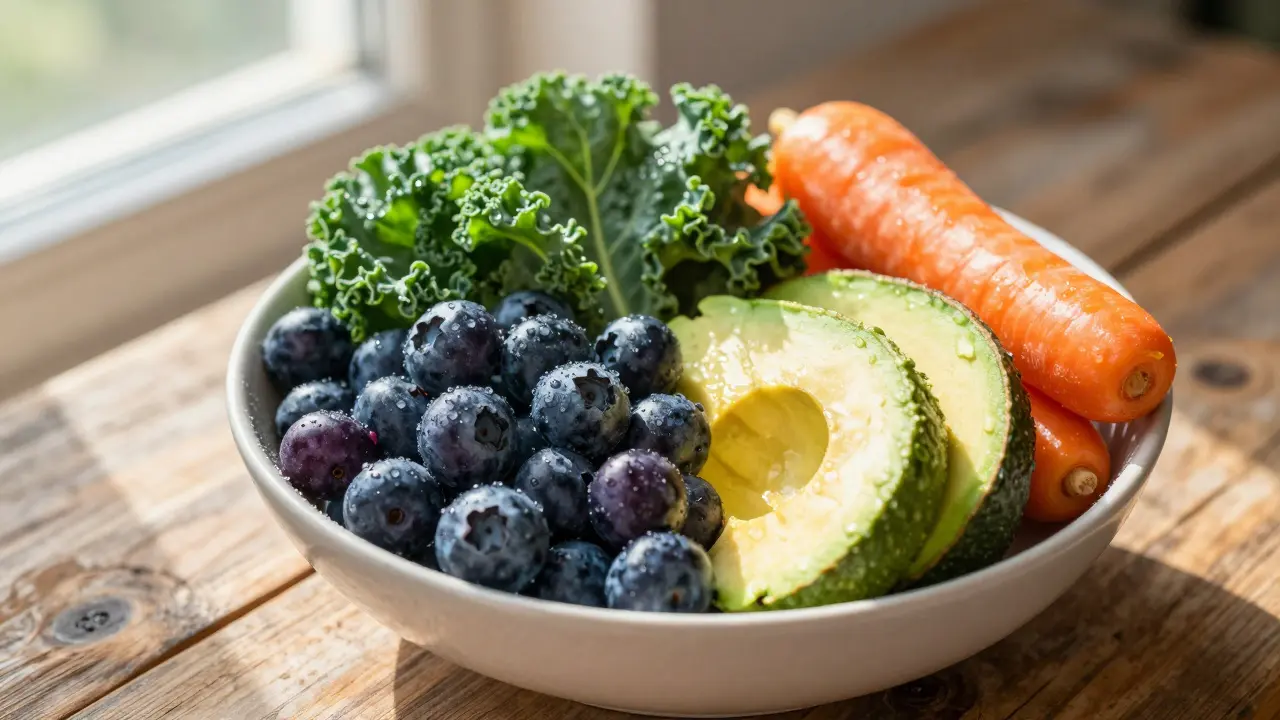
- Focus on antioxidant-rich foods to fight cellular damage and slow the aging process.
- Maintain a balance of healthy fats and lean proteins to preserve muscle mass and skin elasticity.
- Reduce refined sugars and ultra-processed foods to avoid chronic inflammation and metabolic decline.
- Prioritize hydration and micronutrients like Omega-3s and Vitamins A, C, and E for visible youthfulness.
Most people view aging as an inevitable slide toward decline, but a lot of that "slide" is actually driven by what we put on our plates. If you look at the world's Blue Zones-places like Okinawa in Japan or Sardinia in Italy-the common thread isn't just great genetics. It's a specific way of eating that keeps their cells firing like they're decades younger. The secret isn't a magic pill or a restrictive fad; it's about fueling your body with substances that protect your DNA and keep your inflammation levels low.
The Science of Cellular Aging and Nutrition
To understand how food keeps us young, we have to look at Oxidative Stress is an imbalance between free radicals and antioxidants in your body, which leads to cellular damage. Think of it like rust on a car. Free radicals are the salt and rain that corrode your cells, and antioxidants are the wax and polish that protect them. When you eat a healthy diet, you're essentially providing your body with the tools to repair this rust in real-time.
One of the most critical players here is Autophagy, which is a natural process where cells clean out damaged components to make room for new, healthy ones. This cellular "housecleaning" is what prevents the buildup of metabolic waste that makes our skin sag and our joints stiffen. Certain eating patterns, like intermittent fasting or a diet rich in polyphenols, trigger this process, effectively resetting your biological clock.
Eating for Your Skin: The Outer Glow
Your skin is the first place where aging shows up, but it's also the first place that reflects your internal health. To keep skin plump and elastic, you need to protect Collagen, which is the primary structural protein in the skin and connective tissues that provides strength and elasticity. Collagen breaks down faster when we consume too many refined carbohydrates and sugars through a process called glycation.
If you've ever noticed that a weekend of heavy sweets and white bread leaves your skin looking dull or breakout-prone, that's glycation in action. To counter this, focus on Vitamin C-rich foods like kiwis, bell peppers, and strawberries. Vitamin C isn't just an antioxidant; it's a required cofactor for collagen synthesis. Without it, your body can't build the scaffolding that keeps your face looking lifted.
The Power of Omega-3s and Healthy Fats
Dry, flaky skin and brain fog aren't just signs of getting older-they're often signs of a lack of essential fats. Omega-3 Fatty Acids are essential polyunsaturated fats that reduce inflammation and support brain and heart health. You'll find the best versions of these in fatty fish like salmon, walnuts, and flaxseeds.
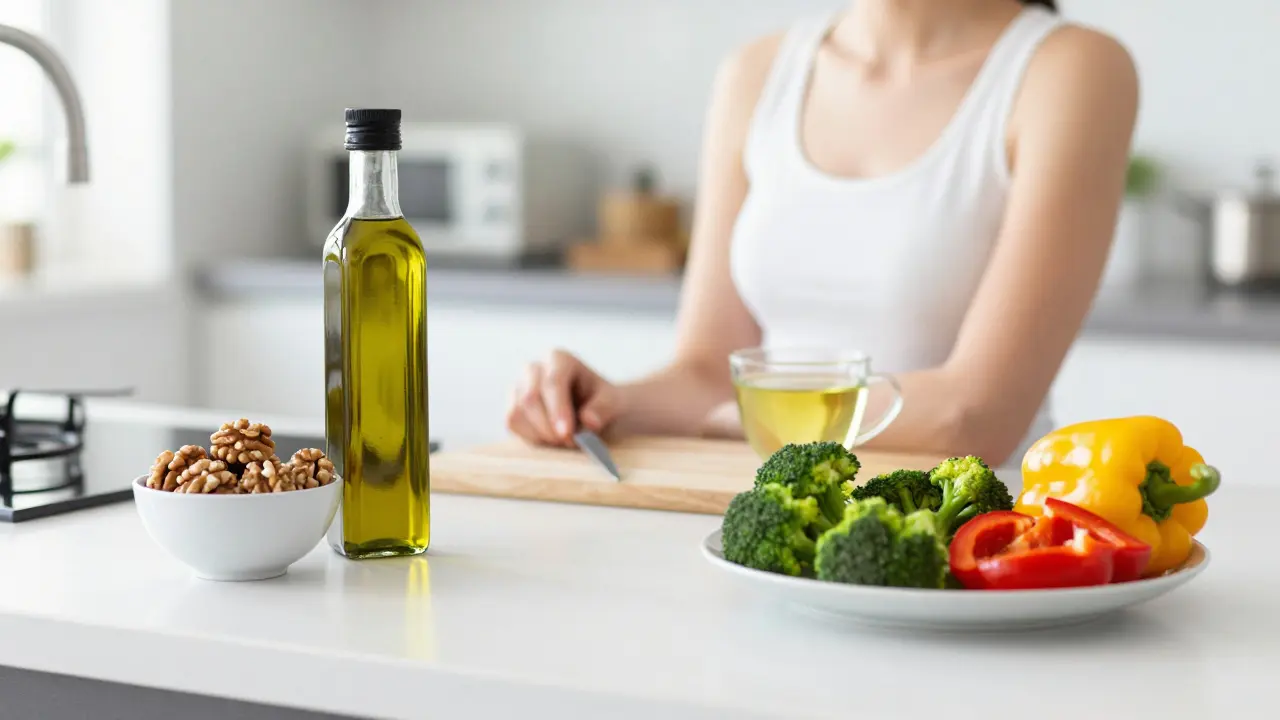
These fats act like a lubricant for your system. They keep the cell membranes fluid, which allows nutrients to enter and waste to exit more efficiently. When your cell membranes are stiff, your metabolism slows down and your skin loses its natural moisture barrier. Adding a tablespoon of extra virgin olive oil to your salads isn't just a culinary choice; it's a strategy to maintain the integrity of your cellular walls.
| Nutrient | Best Sources | Youth-Preserving Function |
|---|---|---|
| Antioxidants | Blueberries, Spinach, Kale | Neutralizes free radicals; protects DNA |
| Omega-3s | Salmon, Chia Seeds, Walnuts | Reduces systemic inflammation; hydrates skin |
| Vitamin C | Citrus, Peppers, Broccoli | Boosts collagen production and skin repair |
| Probiotics | Kefir, Kimchi, Sauerkraut | Improves gut-skin axis and nutrient absorption |
Gut Health: The Engine of Youth
You've probably heard the phrase "you are what you eat," but it's more accurate to say "you are what you absorb." This is where The Gut Microbiome comes in. This is the complex community of trillions of bacteria and microbes living in the digestive tract. A diverse microbiome ensures that you're actually getting the vitamins and minerals from your food.
When the gut is inflamed-often due to a diet high in processed sugars and seed oils-it leads to "leaky gut." This allows toxins to enter the bloodstream, triggering a systemic inflammatory response that accelerates aging throughout the body. By incorporating fermented foods like kimchi or kombucha, you introduce beneficial bacteria that strengthen the intestinal lining. This doesn't just help your digestion; it clears up your complexion and boosts your energy levels.
The Sugar Trap and Insulin Sensitivity
If there is one thing that ages you faster than anything else, it's chronic high blood sugar. When you constantly spike your insulin, your body enters a state of chronic inflammation. This leads to the degradation of tissues and a slower metabolism. Insulin Resistance is a condition where cells no longer respond effectively to insulin, leading to higher blood glucose levels. This is a primary driver of metabolic aging.
Instead of relying on processed snacks, switch to low-glycemic index foods. Think of legumes, whole grains, and non-starchy vegetables. These provide a slow, steady release of energy without the insulin spike. This stability keeps your hormones in check and prevents the premature aging of your internal organs, particularly your liver and kidneys.
Practical Steps for a Youth-Preserving Plate
Turning this science into a daily habit doesn't require a degree in nutrition. It's about simple shifts in your grocery list. Start by filling half your plate with colorful vegetables-the deeper the color (like dark purple cabbage or deep green kale), the higher the concentration of protective phytonutrients.
- Swap the Grains: Replace white rice and white bread with quinoa, farro, or sweet potatoes.
- Prioritize Protein: Focus on wild-caught fish, lentils, and organic poultry to maintain muscle mass, which naturally declines as we age.
- Drink Smart: Replace soda and sweetened lattes with green tea, which contains EGCG, a powerful compound known to protect cells from damage.
- Mind the Timing: Try a 12-hour overnight fast (e.g., eating between 8 AM and 8 PM) to give your body a window for the autophagy process to occur.
It's also worth noting that consistency beats perfection. You don't need to eat a "perfect" diet every single day. Instead, aim for the 80/20 rule: 80% nutrient-dense, whole foods and 20% for the things you simply enjoy. This sustainable approach prevents the stress of restrictive dieting, which in itself can raise cortisol levels and accelerate aging.
Common Pitfalls to Avoid
Many people fall into the trap of "superfood obsession," buying expensive powders like acai or goji berries while ignoring the basics. A handful of blueberries and a bunch of steamed spinach provide similar, if not better, benefits than a processed supplement powder. Focus on whole foods first.
Another common mistake is overdoing the "healthy" fats. While avocados and nuts are great, they are calorie-dense. Excess calories, regardless of the source, can lead to weight gain, which increases the load on your joints and cardiovascular system. The key is moderation and balance. Pair your healthy fats with plenty of fiber from vegetables to keep your digestion smooth and your weight stable.
Can a diet really reverse the signs of aging?
While you cannot change your chronological age or your genetic blueprint, you can significantly influence your biological age. A nutrient-dense diet reduces inflammation and oxidative stress, which can clear up skin, improve joint mobility, and increase cognitive function, making you look and feel years younger.
Which foods are the absolute worst for aging?
Ultra-processed foods, specifically those high in refined sugars and trans fats, are the most damaging. They cause glycation of collagen fibers (leading to wrinkles) and trigger systemic inflammation that damages organs and accelerates cellular decay.
Is intermittent fasting necessary for a youth-preserving diet?
It's not strictly necessary, but it is highly beneficial. Fasting triggers autophagy, the body's internal cleanup process. Even a simple 12-to-14 hour window without food can help the body repair cells and maintain metabolic flexibility.
Do I need supplements to stay young?
For most people, a balanced diet provides all necessary nutrients. However, depending on where you live, some supplements like Vitamin D or Omega-3s might be helpful. It's always best to get nutrients from whole foods first as they come with a complex matrix of co-factors that help absorption.
How much water should I drink for anti-aging?
Hydration is key for skin elasticity and toxin removal. While the "8 glasses a day" rule is a general guideline, the best approach is to drink according to your thirst and activity level, ensuring your urine remains a pale straw color.