Starting your day with a high-fiber breakfast isn’t just a trend-it’s one of the simplest ways to keep your digestion steady, your energy level flat, and your cravings under control. If you’ve ever felt sluggish by 10 a.m. or reached for a snack mid-morning even though you just ate, the problem might not be how much you ate, but what you ate. Most standard breakfasts-toast, cereal, pastries-barely crack 3 grams of fiber. But your body needs at least 25 to 30 grams a day. And if you’re aiming for better gut health, stable blood sugar, or just fewer bathroom surprises, hitting that target at breakfast makes a huge difference.
Why Fiber Matters More Than You Think
Fiber isn’t just about preventing constipation. Soluble fiber slows down digestion, which means sugar enters your bloodstream gradually instead of spiking and crashing. Insoluble fiber adds bulk to your stool and keeps things moving. Together, they help balance your gut bacteria, reduce inflammation, and even lower cholesterol. A 2023 study from the University of Melbourne tracked 1,200 adults over six months and found those who ate at least 25 grams of fiber at breakfast had 40% fewer mid-morning sugar cravings and reported better focus by noon.
Here’s the catch: most people get less than half their daily fiber needs from breakfast. That’s because traditional breakfast foods like white toast, muffins, and sugary cereals are stripped of their natural fiber. The fix? Swap out the refined stuff for whole, unprocessed foods that naturally pack in fiber-without needing supplements or fancy powders.
5 High-Fiber Breakfast Recipes That Actually Taste Good
These recipes aren’t bland oatmeal with chia seeds. They’re satisfying, flavorful, and easy to make-even on a rushed weekday. Each one delivers at least 10 grams of fiber per serving, and most hit 15 or more.
1. Overnight Chia Oats with Berries and Almonds
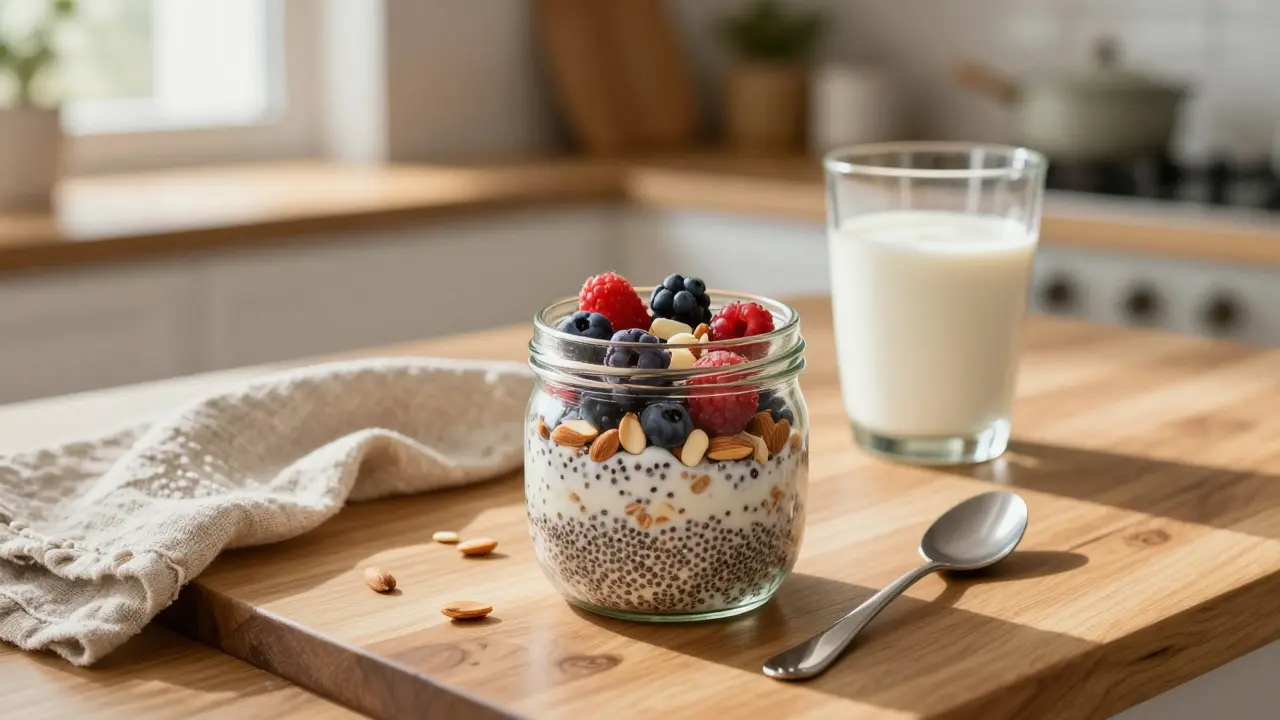
Combine 1/2 cup rolled oats, 3 tablespoons chia seeds, 1 cup unsweetened almond milk, 1 tablespoon ground flaxseed, and a pinch of cinnamon in a jar. Stir, seal, and leave in the fridge overnight. In the morning, top with 1/2 cup mixed berries (blueberries, raspberries, blackberries) and 2 tablespoons sliced almonds.
This one gives you 14 grams of fiber. Chia and flax are soluble fiber powerhouses. Berries add antioxidants and another 4 grams of fiber on their own. Almonds bring in healthy fats and crunch. No cooking required. Just grab and go.
2. Smashed Avocado Toast on Whole Grain Rye
Toast two slices of dense, 100% whole grain rye bread. Mash half a ripe avocado with a squeeze of lemon juice, a pinch of sea salt, and a dash of red pepper flakes. Spread thickly. Top with 2 tablespoons of cooked lentils (canned, rinsed), a sprinkle of hemp seeds, and a few microgreens.
Rye bread has nearly double the fiber of whole wheat. Lentils add 7.5 grams of fiber per 1/4 cup. Hemp seeds contribute another 2 grams. Total: 16 grams of fiber. This breakfast keeps you full for hours and gives you plant-based protein to match the fiber.
3. Buckwheat Pancakes with Apple and Cinnamon
Whisk together 1/2 cup buckwheat flour, 1 tablespoon ground flaxseed mixed with 3 tablespoons water (to replace egg), 1/2 teaspoon baking powder, and a splash of almond milk. Cook like regular pancakes. Serve with thinly sliced apple sautéed in a little coconut oil and cinnamon.
Buckwheat isn’t wheat-it’s a seed. It’s naturally gluten-free and packed with fiber. One cup of cooked buckwheat has 4.5 grams. With flaxseed and apple (which adds 4.4 grams), this stack hits 12 grams of fiber. The apple’s skin is where most of the fiber lives, so don’t peel it.
4. High-Fiber Smoothie Bowl
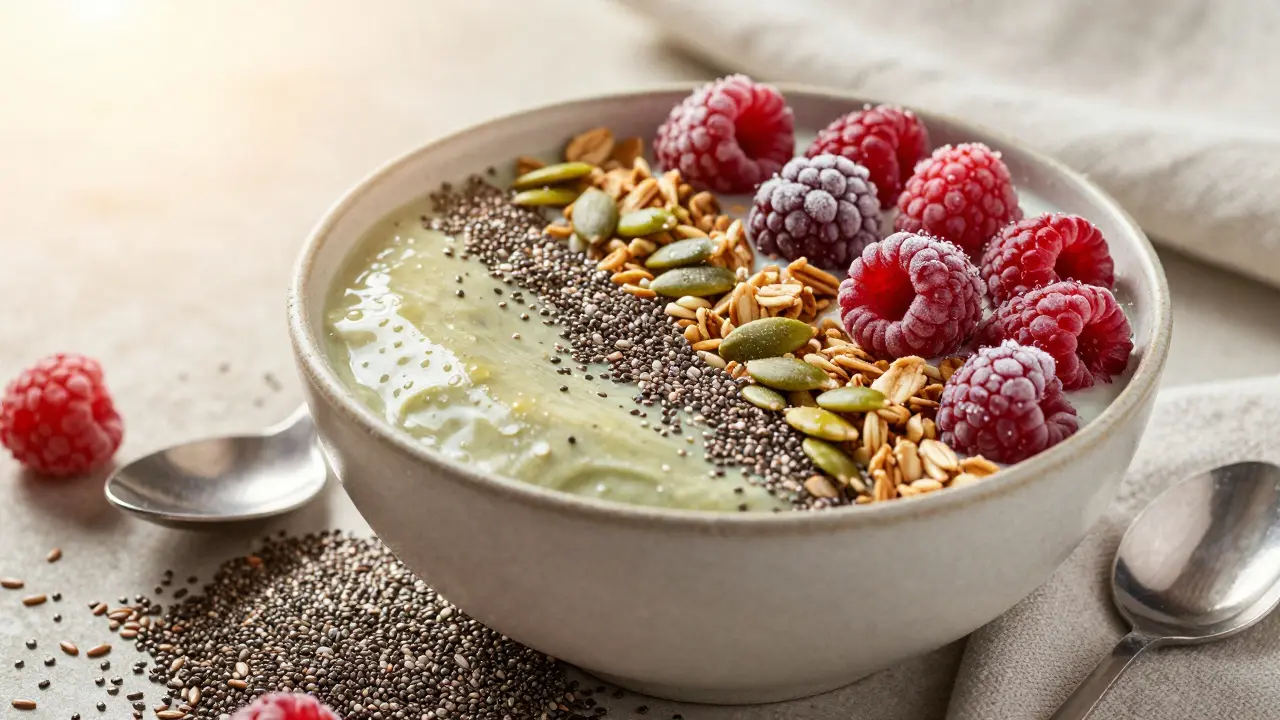
Blend 1 frozen banana, 1/2 cup frozen raspberries, 1 tablespoon psyllium husk, 1 tablespoon almond butter, 1/2 cup unsweetened oat milk, and a handful of spinach. Pour into a bowl. Top with 2 tablespoons of granola made with oats, seeds, and no added sugar, plus a sprinkle of pumpkin seeds.
Psyllium husk is one of the most concentrated sources of soluble fiber you can find. One tablespoon gives you 7 grams. Raspberries add 4 grams. Pumpkin seeds add 2.5 grams. Total: 16 grams. This bowl looks like a dessert but acts like a digestive supercharger.
5. Lentil and Veggie Breakfast Scramble
Heat a little olive oil in a pan. Add 1/2 cup cooked lentils, 1/2 cup chopped spinach, 1/4 cup diced bell pepper, 1/4 cup chopped onion, and a pinch of turmeric. Scramble with 2 eggs or tofu. Serve with a slice of whole grain sourdough.
Lentils are the star here-8 grams of fiber per 1/2 cup. Spinach adds 2.2 grams. Bell pepper adds 1.5 grams. Sourdough made with whole grains adds another 3 to 4 grams. Total: 15+ grams. It’s savory, filling, and perfect if you’re not a sweet breakfast person.
What to Avoid
Just because something says "whole grain" doesn’t mean it’s high in fiber. Many "whole grain" cereals are mostly refined flour with a sprinkle of bran. Check the label: look for at least 5 grams of fiber per serving. Avoid anything with added sugar as the second ingredient. Granola bars? Most have less than 2 grams of fiber and more sugar than a candy bar. Fruit juice? Even 100% pure juice removes the fiber-drink whole fruit instead.
Also, don’t overload on fiber too fast. Jumping from 10 to 30 grams overnight can cause bloating and gas. Increase slowly. Add one high-fiber meal a day, then two. Drink plenty of water-fiber needs water to work properly.

Quick Fiber Boosters You Can Add to Any Breakfast
Not ready to overhaul your whole routine? Start small:
- Stir 1 tablespoon of ground flaxseed into your coffee or yogurt
- Add 1/4 cup cooked black beans to your eggs
- Swap white toast for sprouted grain bread (it has 5+ grams per slice)
- Top your yogurt with 1/2 cup raspberries or 1/4 cup chia seeds
- Use oat bran instead of breadcrumbs in muffins or pancakes
These tiny swaps can add 3 to 7 grams of fiber without changing your routine much.
How to Track Your Fiber Intake
You don’t need an app, but knowing where your fiber comes from helps. Here’s a quick reference:
| Food | Amount | Fiber (grams) |
|---|---|---|
| Chia seeds | 1 tbsp | 5.5 |
| Flaxseed (ground) | 1 tbsp | 3 |
| Psyllium husk | 1 tbsp | 7 |
| Raspberries | 1/2 cup | 4 |
| Blackberries | 1/2 cup | 3.8 |
| Oats (rolled) | 1/2 cup dry | 4 |
| Lentils (cooked) | 1/2 cup | 8 |
| Whole grain rye bread | 1 slice | 4.5 |
| Buckwheat (cooked) | 1/2 cup | 4.5 |
| Apple (with skin) | 1 medium | 4.4 |
Combine just three of these in one meal, and you’re already over half your daily goal.
What Happens When You Eat More Fiber
Within a week of switching to high-fiber breakfasts, most people notice:
- Less bloating and more regular bowel movements
- Fewer sugar crashes and cravings
- More stable energy through the morning
- Improved skin clarity (linked to better gut health)
- Less reliance on coffee to stay awake
After a month, many report better sleep, reduced inflammation, and even improved mood. Fiber doesn’t just feed your gut-it feeds your whole system.
Can I get enough fiber from breakfast alone?
Yes, if you choose the right foods. A single bowl of chia oats with berries and flaxseed can give you 14 grams. Add a slice of rye toast with avocado and lentils, and you’re at 30 grams before lunch. Most people struggle because they eat low-fiber meals all day, not because breakfast can’t deliver.
Is fiber only important for digestion?
No. Fiber helps regulate blood sugar, lowers LDL (bad) cholesterol, reduces inflammation, and supports a healthy microbiome. It’s linked to lower risks of heart disease, type 2 diabetes, and even some cancers. The gut-brain connection means fiber can also improve focus and reduce anxiety.
What if I’m gluten-free?
Gluten-free doesn’t mean low-fiber. Buckwheat, oats (certified gluten-free), chia, flax, lentils, beans, berries, and vegetables are all naturally gluten-free and high in fiber. Avoid gluten-free processed foods-they’re often made with refined starches that have little to no fiber.
How do I stop bloating when I start eating more fiber?
Go slow. Increase fiber by 5 grams per week. Drink at least 2 liters of water daily. Cook legumes well and rinse canned ones. Avoid swallowing large amounts of psyllium without water. Bloating usually fades within a week as your gut adjusts.
Are fiber supplements a good substitute?
Supplements like psyllium can help fill gaps, but they don’t replace whole foods. Whole foods give you vitamins, minerals, antioxidants, and different types of fiber that work together. Use supplements only if you’re struggling to meet your needs through diet alone.
Next Steps
Start tomorrow. Pick one recipe from above and make it your new breakfast. Keep it simple. Don’t try to change everything at once. After three days, add another. Track how you feel-energy, hunger, mood. You might be surprised how much better you feel just by changing what’s on your plate before noon.
High-fiber breakfasts aren’t about restriction. They’re about choosing foods that nourish you deeply. Your body will thank you-not with a dramatic change, but with steady, quiet improvements that add up over time.