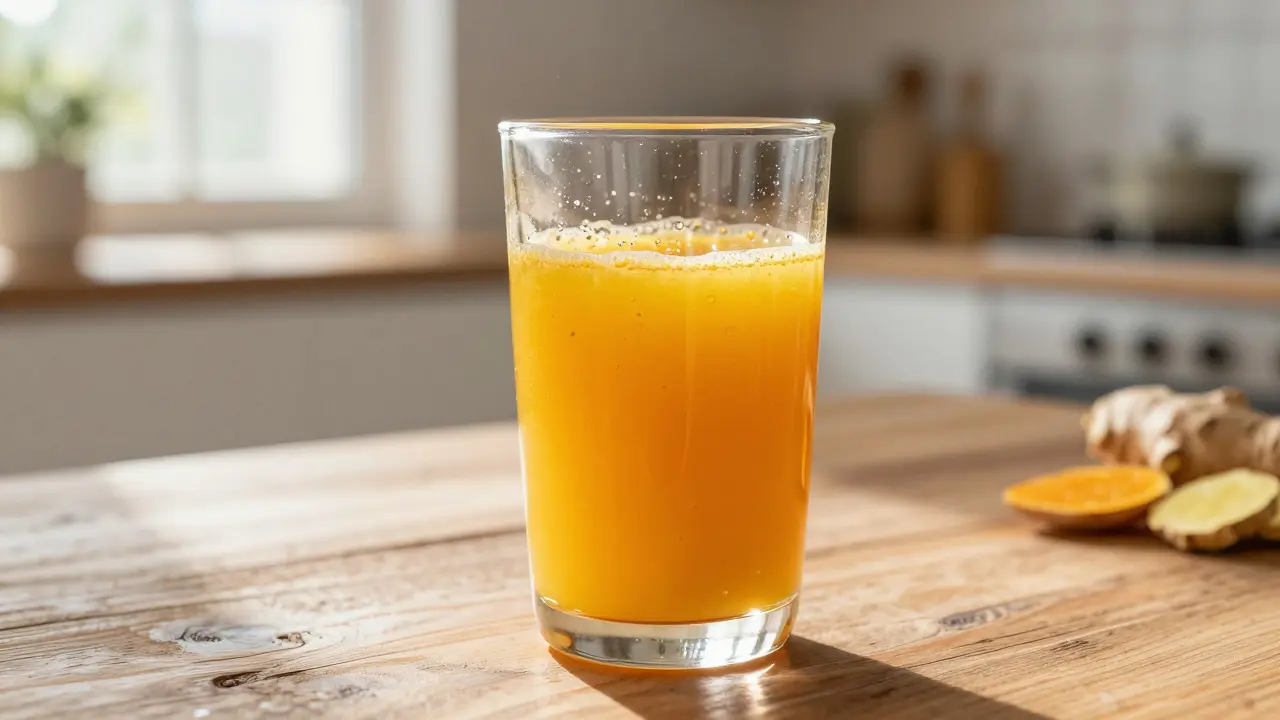
That tightness in your chest when you check your email at 7 AM? It’s not just "bad luck." It is your body flooding with cortisol, the primary stress hormone. You might be looking for a quick fix, something that tastes good and actually works to lower that biological alarm bell. Enter the concept of the health juice: a nutrient-dense liquid blend designed specifically to counteract physiological stress responses through targeted ingredients like adaptogens, antioxidants, and electrolytes..
This isn't about sipping on sugary fruit blends from a trendy cafe. Those often spike blood sugar, which leads to an energy crash that mimics anxiety. We are talking about functional beverages engineered to support your nervous system. By combining specific fruits, vegetables, herbs, and roots, you can create a drink that actively helps regulate your mood, reduce inflammation, and stabilize energy levels throughout the day.
The Biology of Stress and Why Food Matters
To understand why a juice can help, we first need to look at what stress does to your body. When you perceive a threat-whether it’s a looming deadline or traffic-the hypothalamus triggers the adrenal glands to release adrenaline and cortisol. This is the "fight or flight" response. In short bursts, it saves lives. Chronic exposure, however, breaks things down. It raises blood pressure, disrupts sleep, and depletes essential nutrients like magnesium and vitamin C.
Your gut health plays a massive role here too. Scientists call this the gut-brain axis: the bidirectional communication network between the gastrointestinal tract and the central nervous system. Roughly 90% of your serotonin, the neurotransmitter responsible for feelings of well-being, is produced in your gut. If your digestion is inflamed or your microbiome is imbalanced due to poor diet, your brain suffers. A high-quality health juice delivers concentrated phytonutrients directly to the gut lining, helping to repair damage and feed beneficial bacteria.
Think of it this way: if your car engine is overheating, you don’t just turn up the radio. You add coolant. Certain ingredients act as biological coolants for your stress response.
Key Ingredients That Lower Cortisol
Not all juices are created equal. To truly combat stress, your recipe needs specific compounds. Here are the power players you should know:
- Adaptogens: These are herbs that help your body resist stressors. Ashwagandha is an ancient medicinal root used in Ayurvedic medicine to lower cortisol levels and improve resistance to stress. Studies have shown it can significantly reduce serum cortisol concentrations. Another option is Rhodiola Rosea: an herbal extract that helps combat fatigue and enhances mental performance during stressful situations.
- Magnesium-Rich Greens: Magnesium is known as the "relaxation mineral." It calms the nervous system. Spinach, kale, and Swiss chard are excellent sources. Since stress depletes magnesium stores, replenishing it via juice is crucial.
- Vitamin C Powerhouses: Your adrenal glands use large amounts of vitamin C to produce hormones. Citrus fruits like oranges, lemons, and limes, along with kiwi and bell peppers, provide this essential nutrient without the sugar crash of candy.
- Anti-Inflammatory Roots: Turmeric contains curcumin, a compound with potent anti-inflammatory and antioxidant effects that may help reduce anxiety symptoms. Ginger also aids digestion, preventing bloating which can exacerbate feelings of discomfort and stress.
- Tart Cherries: Unlike sweet cherries, tart cherries contain melatonin and anthocyanins. They promote better sleep quality, which is often the first casualty of high stress.
3 Effective Health Juice Recipes for Stress Relief
You don’t need a fancy juicer to make these. A high-speed blender works perfectly fine; just strain the pulp if you prefer a smoother texture. Consistency matters more than equipment.
1. The Morning Calm (Citrus & Turmeric)
This recipe targets inflammation and provides a gentle energy boost without caffeine jitters.
- 1 cup orange segments (peeled)
- 1/2 lemon (peeled and seeded)
- 1-inch piece of fresh ginger root
- 1/2 teaspoon turmeric powder (or 1-inch fresh root)
- A pinch of black pepper (essential for turmeric absorption)
- 1/2 cup coconut water (for electrolytes)
Why it works: The vitamin C supports adrenal function, while the ginger and turmeric soothe the gut. The black pepper increases the bioavailability of curcumin by up to 2000%.
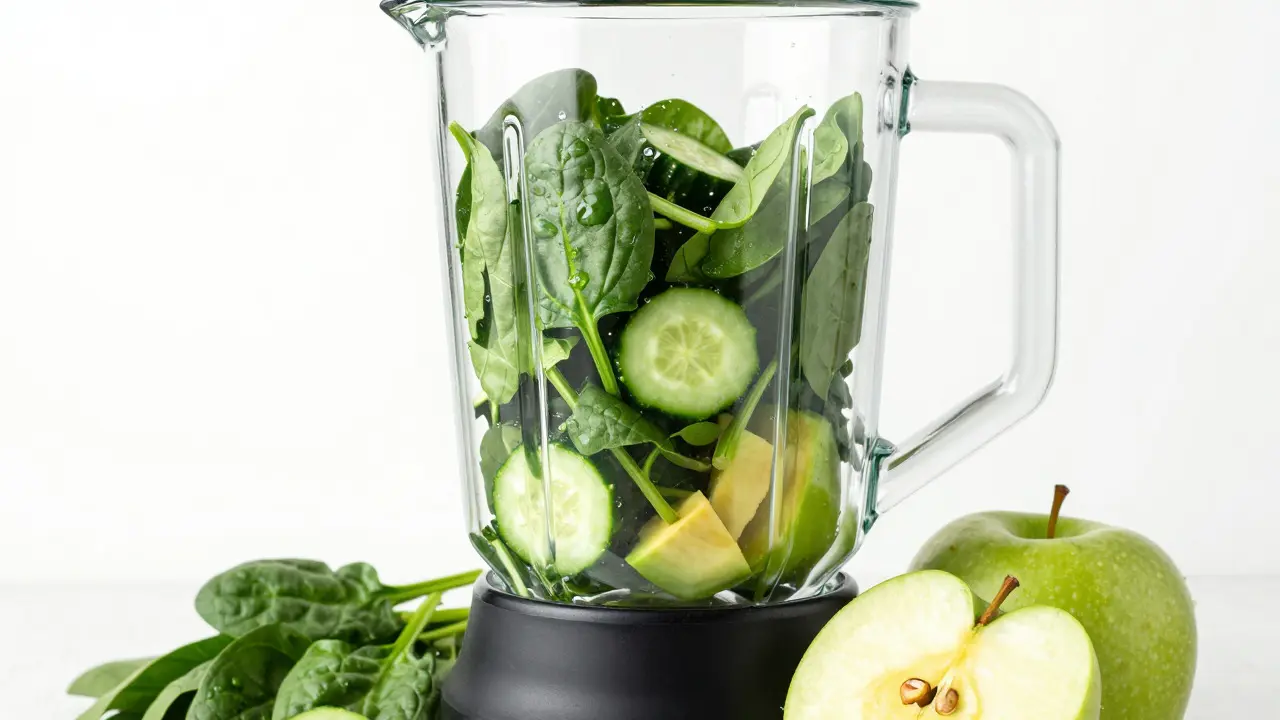
2. The Green Reset (Magnesium Boost)
Best consumed mid-afternoon when energy slumps and irritability rise.
- 2 cups spinach leaves
- 1 green apple (cored)
- 1/2 cucumber
- 1/2 avocado (adds healthy fats for satiety)
- Juice of 1 lime
- 1 tablespoon chia seeds (optional, for omega-3s)
Why it works: Spinach is packed with magnesium. The cucumber hydrates, and the apple adds natural sweetness to mask the greens. Avocado ensures the nutrients are absorbed properly since many vitamins are fat-soluble.
3. The Evening Wind-Down (Tart Cherry & Ashwagandha)
Drink this one hour before bed to prepare your body for rest.
- 1 cup frozen tart cherry juice (unsweetened)
- 1/2 banana (frozen for texture)
- 1/2 teaspoon ashwagandha powder
- 1/4 cup almond milk
- A dash of cinnamon
Why it works: Tart cherry juice has been linked to increased melatonin production. Ashwagandha lowers nighttime cortisol spikes, allowing you to fall asleep faster and stay asleep longer.
| Ingredient | Primary Benefit | Key Nutrient | Best Time to Consume |
|---|---|---|---|
| Orange/Lemon | Adrenal Support | Vitamin C | Morning |
| Spinach/Kale | Nervous System Calming | Magnesium | Afternoon |
| Turmeric | Inflammation Reduction | Curcumin | Anytime |
| Tart Cherry | Sleep Quality Improvement | Melatonin | Evening |
| Ashwagandha | Cortisol Regulation | Withanolides | Evening/Morning |
Juicing vs. Blending: Which Is Better for Stress?
This is a common debate. Juicers remove the fiber, leaving behind a thin liquid of vitamins and minerals. Blenders keep the whole food intact, including the fiber. For stress management, blending often wins.
Fiber slows down the absorption of sugar into your bloodstream. Rapid spikes in blood glucose trigger insulin releases, which can lead to reactive hypoglycemia-a state where you feel shaky, anxious, and irritable. By keeping the fiber (via blending), you maintain stable blood sugar levels, which translates to stable moods. If you do use a juicer, consider adding a spoonful of flaxseed or hemp hearts to reintroduce some fiber and healthy fats.

Pitfalls to Avoid
Even with the best intentions, you can undermine your efforts. Watch out for these mistakes:
- Too Much Fruit: Fruit contains fructose. While natural, excessive amounts can still cause inflammation. Aim for a ratio of 70% vegetables/herbs to 30% fruit.
- Ignoring Taste: If it tastes terrible, you won’t drink it consistently. Start mild. Add mint, basil, or a squeeze of lime to brighten heavy green juices.
- Replacing Meals Entirely: Juice lacks sufficient protein and fat to sustain you. Use it as a supplement to a balanced diet, not a replacement for lunch unless you add protein powder or nut butter.
- Overlooking Hydration: Dehydration mimics stress symptoms like headache and fatigue. Ensure your juice base includes hydrating elements like cucumber, celery, or coconut water.
Integrating Juices Into Your Daily Routine
Consistency is key. One glass won’t cure chronic stress, but daily consumption builds resilience. Try starting your morning with a small glass of warm lemon water with turmeric to set a calm tone. Save the heavier green blends for post-workout or mid-afternoon slumps. Reserve the tart cherry and ashwagandha blends for your evening wind-down ritual.
Remember, a health juice is a tool, not a magic wand. It works best when paired with other stress-reduction techniques like deep breathing, adequate sleep, and physical movement. But by nourishing your body with the right building blocks, you give yourself the best chance to handle life’s pressures with grace rather than gritted teeth.
Can health juice replace medication for anxiety?
No. While functional juices can support overall wellness and reduce mild stress symptoms, they are not a substitute for prescribed medication or therapy for clinical anxiety disorders. Always consult your healthcare provider before making significant dietary changes, especially if you are on medication.
How long does it take to feel the effects of stress-relief juice?
Some ingredients like ginger or citrus may provide immediate digestive comfort or a slight energy lift within 20-30 minutes. However, adaptogens like ashwagandha and cumulative benefits from reduced inflammation typically require consistent daily consumption for 2-4 weeks to show noticeable improvements in stress resilience.
Is it safe to drink health juice every day?
Yes, for most people, drinking homemade health juice daily is safe and beneficial. However, monitor your intake of specific herbs like ashwagandha or rhodiola, as long-term high doses may interact with certain medications or thyroid conditions. Rotate your ingredients to ensure a diverse nutrient profile.
What is the best time of day to drink a stress-relief juice?
It depends on the ingredients. Citrus and ginger blends are great in the morning to start the day alertly. Green vegetable blends work well mid-day for sustained energy. Tart cherry and ashwagandha blends are best consumed in the evening to promote relaxation and sleep.
Do I need a special juicer to make these drinks?
No. A standard blender works perfectly for most recipes, especially those containing leafy greens and fibrous roots. Blending retains the fiber, which helps stabilize blood sugar. If you prefer a thinner consistency, you can strain the blended mixture through a nut milk bag or fine mesh sieve.