Quick Summary
- Health anxiety, formerly known as hypochondria, is a persistent fear of having a serious illness despite medical reassurance.
- The condition creates a vicious cycle where normal bodily sensations are misinterpreted as signs of disease, leading to excessive checking or avoidance behaviors.
- Cognitive Behavioral Therapy (CBT) is the gold-standard treatment, focusing on changing thought patterns rather than seeking more medical tests.
- Digital tools like symptom-checker apps often worsen anxiety by providing worst-case scenarios; limiting internet research is crucial for recovery.
- Acceptance and Commitment Therapy (ACT) helps individuals live fully despite uncertainty, reducing the power anxiety holds over daily life.
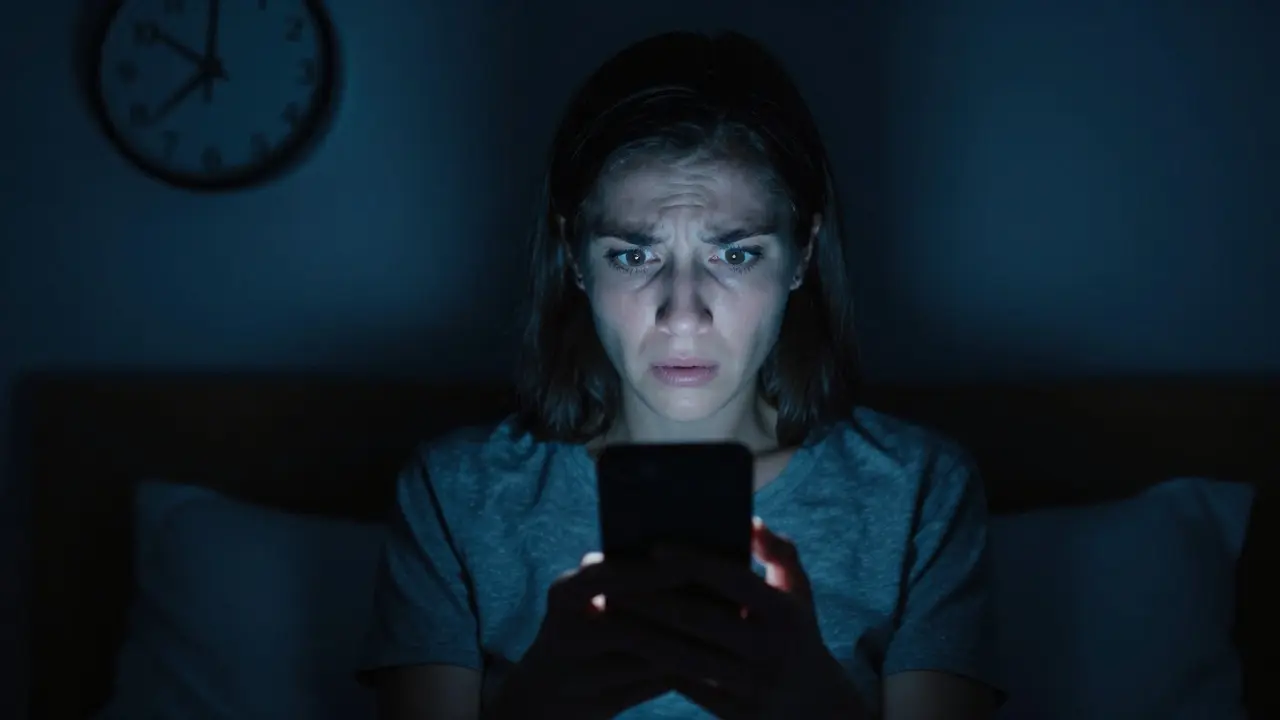
You wake up with a slight headache. Instead of reaching for water, your mind races: "Is it a brain tumor?" You spend twenty minutes Googling symptoms, find a list that matches perfectly, and feel a cold knot in your stomach. This isn't just worry; it's health anxiety, a condition affecting millions who live in constant fear of their own bodies.
Formerly called hypochondriasis, this mental health challenge has evolved in how we understand and treat it. It’s not about being "crazy" or attention-seeking. It’s a genuine distress signal from your brain’s threat-detection system. The good news? It is highly treatable. But first, you need to understand why your body feels like an enemy.
What Is Health Anxiety?
Health anxiety is a type of anxiety disorder characterized by excessive preoccupation with having or acquiring a serious illness. According to the Diagnostic and Statistical Manual of Mental Disorders (DSM-5), the diagnostic criteria include high levels of anxiety about health for at least six months. Even if a person has been told they are healthy, the fear persists.
There are two main presentations of this disorder:
- Checking subtype: People constantly monitor their bodies. They check their pulse, examine moles, palpate lumps, and seek frequent medical reassurance.
- Avoidance subtype: People avoid doctors, hospitals, and even reading about health because they are terrified of hearing bad news. They might skip routine screenings due to fear.
Unlike general anxiety, which can be diffuse, health anxiety is specifically focused on physical health. It differs from Obsessive-Compulsive Disorder (OCD), though there is overlap. In OCD, obsessions are often unrelated to health (like contamination fears), whereas health anxiety is strictly centered on disease interpretation.
The Vicious Cycle of Illness Anxiety
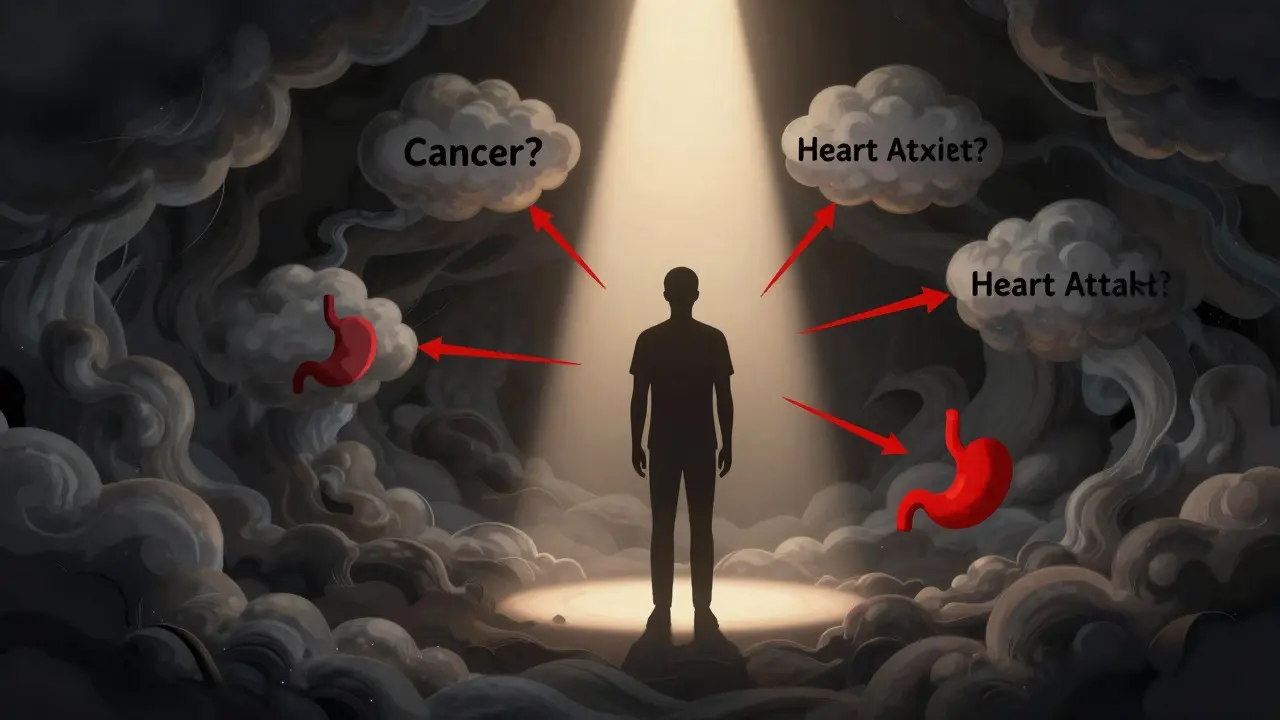
Why does this happen? Your brain has an alarm system designed to keep you safe. For most people, a stomach ache triggers a thought like, "I ate something weird." For someone with health anxiety, that same sensation triggers, "It’s cancer." This is a misfiring of the threat detection mechanism.
The cycle typically looks like this:
- Trigger: A neutral bodily sensation occurs (e.g., heart palpitations after coffee).
- Catastrophic Interpretation: The brain labels this as dangerous ("Heart attack!").
- Anxiety Response: Adrenaline floods the system, causing more physical symptoms (sweating, shaking).
- Safety Behavior: You check your pulse, go to the ER, or search online.
- Temporary Relief: If the doctor says you’re fine, you feel better for a few hours. But the relief is short-lived because the underlying belief-"My body is unsafe"-remains unchallenged.
This cycle reinforces the anxiety. Every time you check, you teach your brain that the sensation was indeed worth worrying about. Over time, the threshold for what counts as a "symptom" lowers. Normal digestion becomes indigestion; fatigue becomes chronic illness.
Common Triggers and Risk Factors
Health anxiety doesn’t appear out of nowhere. Several factors contribute to its development:
| Factor Category | Specific Examples | Impact Mechanism |
|---|---|---|
| Past Trauma | Childhood illness, family member’s death | Creates associative links between body sensations and danger |
| Personality Traits | High neuroticism, perfectionism | Increases sensitivity to stress and uncertainty |
| Environmental | Excessive media consumption, internet use | Provides constant exposure to worst-case scenarios |
| Medical History | Previous false alarms, undiagnosed conditions | Erodes trust in medical reassurance |
One major modern trigger is the internet. Before smartphones, you had to wait for a doctor’s appointment to get information. Now, a quick search provides thousands of articles, many written by non-experts or designed to generate clicks through fear. This phenomenon, sometimes called "cyberchondria," amplifies health anxiety by providing endless data to interpret catastrophically.
Additionally, growing up in a household where health was a primary focus can shape your worldview. If your parents frequently worried about minor ailments, you may have learned that vigilance equals safety. This isn’t your fault-it’s a learned behavior that can be unlearned.
Recognizing the Signs: When Worry Becomes Disorder
Everyone worries about health occasionally. How do you know if it’s crossed into health anxiety? Look for these red flags:
- You spend more than one hour a day thinking about your health.
- You repeatedly check your body for signs of illness (lumps, skin changes, etc.).
- You avoid places or activities because you fear getting sick (e.g., skipping flights due to virus fears).
- Medical reassurance provides only temporary relief (less than 48 hours).
- Your anxiety significantly interferes with work, relationships, or daily functioning.
Consider Sarah, a 34-year-old teacher. She started noticing occasional dizziness. After a normal MRI, she felt relieved for three days. Then, she read an article linking dizziness to rare neurological disorders. Her anxiety returned, stronger than before. She began avoiding stairs, fearing falls, and missed two weeks of work. This pattern-reassurance followed by relapse-is classic health anxiety.

Treatment Options That Actually Work
If medication alone hasn’t helped, or if you’re tired of endless tests, it’s time to look at psychological treatments. Research consistently shows that therapy is more effective than medical reassurance for long-term relief.
Cognitive Behavioral Therapy (CBT)
Cognitive Behavioral Therapy (CBT) is the most evidence-based treatment for health anxiety. It works by identifying and challenging distorted thoughts. Instead of accepting "This pain means I’m dying," you learn to ask, "What else could cause this? What is the probability?"
CBT also involves exposure exercises. You gradually face feared situations without performing safety behaviors. For example, if you always check your pulse when anxious, you might practice sitting quietly for ten minutes without checking. Over time, your brain learns that the sensation is harmless.
Acceptance and Commitment Therapy (ACT)
While CBT focuses on changing thoughts, Acceptance and Commitment Therapy (ACT) focuses on changing your relationship with them. The goal isn’t to eliminate anxiety but to reduce its impact. You learn to accept uncertainty as part of life and commit to actions aligned with your values.
For instance, instead of trying to prove you don’t have cancer, you focus on living well today. You might say, "I feel anxious, and I’m going to call my friend anyway." This shifts power from the anxiety to your choices.
Medication Support
In some cases, medications like Selective Serotonin Reuptake Inhibitors (SSRIs) can help reduce the overall level of anxiety, making therapy more accessible. However, medication is rarely a standalone cure. It works best when combined with psychological strategies.
Practical Steps to Manage Health Anxiety Daily
Recovery is a process, not a switch. Here are actionable steps you can start today:
- Limit Internet Research: Set a strict rule: no health-related searches unless directed by a doctor. Use website blockers if necessary.
- Reduce Body Checking: Identify your top three checking behaviors (e.g., touching your neck, measuring temperature). Challenge yourself to delay each check by five minutes, then ten, then thirty.
- Schedule Worry Time: Designate 15 minutes a day to write down all health fears. Outside that window, remind yourself, "I’ll worry about this later."
- Practice Mindfulness: Use grounding techniques to stay present. Focus on five things you can see, four you can touch, three you can hear, two you can smell, and one you can taste.
- Seek Professional Help: Find a therapist specializing in anxiety disorders. General counselors may not have the specific training needed for health anxiety.
Remember, progress isn’t linear. Some days will be harder than others. Celebrate small wins, like resisting the urge to Google a symptom. Each time you choose not to engage with the anxiety, you weaken its hold.
Frequently Asked Questions
Is health anxiety the same as hypochondria?
Yes, but the term has changed. "Hypochondriasis" was used in older diagnostic manuals. The DSM-5 replaced it with "Illness Anxiety Disorder" and "Somatic Symptom Disorder" to reduce stigma and better reflect the clinical presentation. Most professionals now use "health anxiety" as a broader, less judgmental term.
Can health anxiety lead to actual physical illness?
Chronic anxiety can weaken the immune system and increase inflammation, potentially contributing to issues like digestive problems, headaches, or sleep disturbances. However, health anxiety itself does not cause diseases like cancer or heart disease. The physical symptoms are real, but they stem from stress responses, not underlying pathology.
How long does treatment for health anxiety take?
Most people see significant improvement within 12 to 20 weeks of consistent Cognitive Behavioral Therapy (CBT). However, maintenance sessions may be needed to prevent relapse. Recovery varies based on severity, comorbidities, and commitment to homework exercises.
Should I stop seeing my doctor if I have health anxiety?
No. Regular medical care is essential. The goal is to shift from frequent, anxiety-driven visits to scheduled, preventive care. Work with your doctor to establish a clear plan for when to seek help versus when to manage symptoms at home. This reduces ambiguity and empowers you.
Does mindfulness really help with health anxiety?
Yes, mindfulness helps by training your brain to observe sensations without judgment. Instead of reacting with fear to a heartbeat, you learn to notice it as a neutral event. Studies show that mindfulness-based stress reduction (MBSR) can significantly lower anxiety levels and improve quality of life for those with health anxiety.