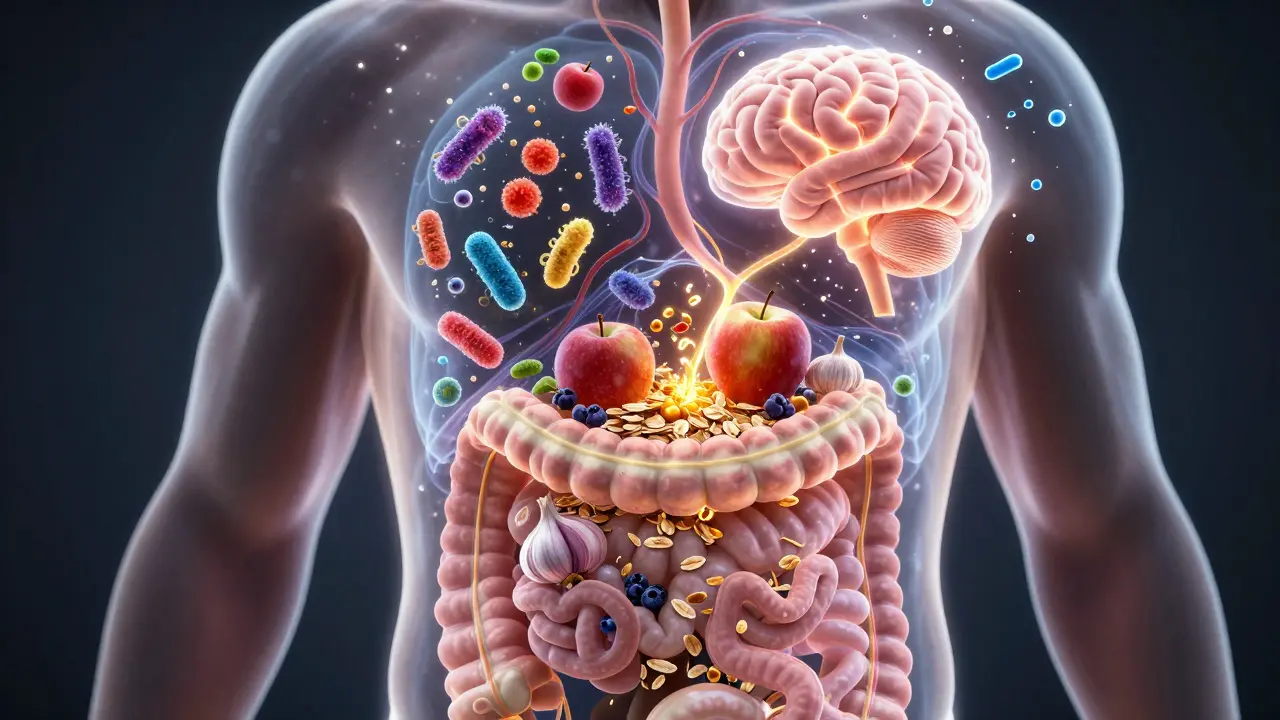
Your gut isn’t just where your food goes-it’s where your mood, energy, and even your immune system start. Most people think of digestion when they hear "gut health," but the truth is far bigger. Your gut is home to trillions of bacteria, viruses, and fungi that talk directly to your brain, influence your sleep, and even shape how you handle stress. This isn’t science fiction. It’s biology-and it’s working right now, whether you’re paying attention or not.
What Your Gut Actually Does
Your gut lining isn’t just a tube for food. It’s a living ecosystem called the microbiome, made up of over 1,000 different species of microbes. These tiny organisms help break down fiber you can’t digest, produce key vitamins like B12 and K, and train your immune system to tell friend from foe. When this system is balanced, you feel it-better digestion, steady energy, fewer cravings.
But when it’s out of whack? You might get bloated after a salad, feel anxious for no reason, or catch every cold that goes around. Research from the Mayo Clinic shows that people with chronic digestive issues are three times more likely to report symptoms of depression. That’s not coincidence. It’s connection.
The Gut-Brain Axis: Why Your Gut Controls Your Mood
There’s a direct highway between your gut and your brain called the vagus nerve. It carries signals in both directions-about 90% of them start in the gut. The microbes there make chemicals like serotonin, dopamine, and GABA, which regulate mood, focus, and calm. In fact, about 95% of your body’s serotonin is made in your gut, not your brain.
Think about it: Have you ever felt "butterflies" before a big meeting? Or felt sick to your stomach when you were stressed? That’s your gut reacting to your emotions. But the reverse is also true: if your gut is inflamed or imbalanced, it sends signals that can make you feel low, anxious, or foggy-even if nothing in your life seems "wrong."
A 2023 study in Nature Mental Health followed 1,200 adults over six months. Those who ate more fermented foods and fiber saw a 32% drop in anxiety symptoms. Not because they meditated more. Not because they changed jobs. Just because they fed their gut better.
What Kills Your Gut Health (Without You Realizing)
You don’t need to be eating junk food every day to damage your microbiome. Some of the biggest gut killers are quiet and everyday:
- Antibiotics-Even one course can wipe out good bacteria for months. Studies show it takes up to a year for some strains to fully recover.
- Processed sugar-Feeds the bad bacteria that cause inflammation and bloating. One soda a day can shift your microbiome in just three days.
- Chronic stress-When you’re constantly stressed, your body shuts down digestion to focus on survival. That means less enzyme production, slower motility, and more leaky gut.
- Low-fiber diets-Most Americans eat less than 15 grams of fiber daily. Experts recommend 25-38 grams. Without fiber, good bacteria starve and die off.
- Sleep deprivation-Your gut microbiome follows a daily rhythm. When you’re up late or jet-lagged, your microbes get confused. That leads to poor digestion and weight gain.
These aren’t just "bad habits." They’re silent disruptors. And they add up.
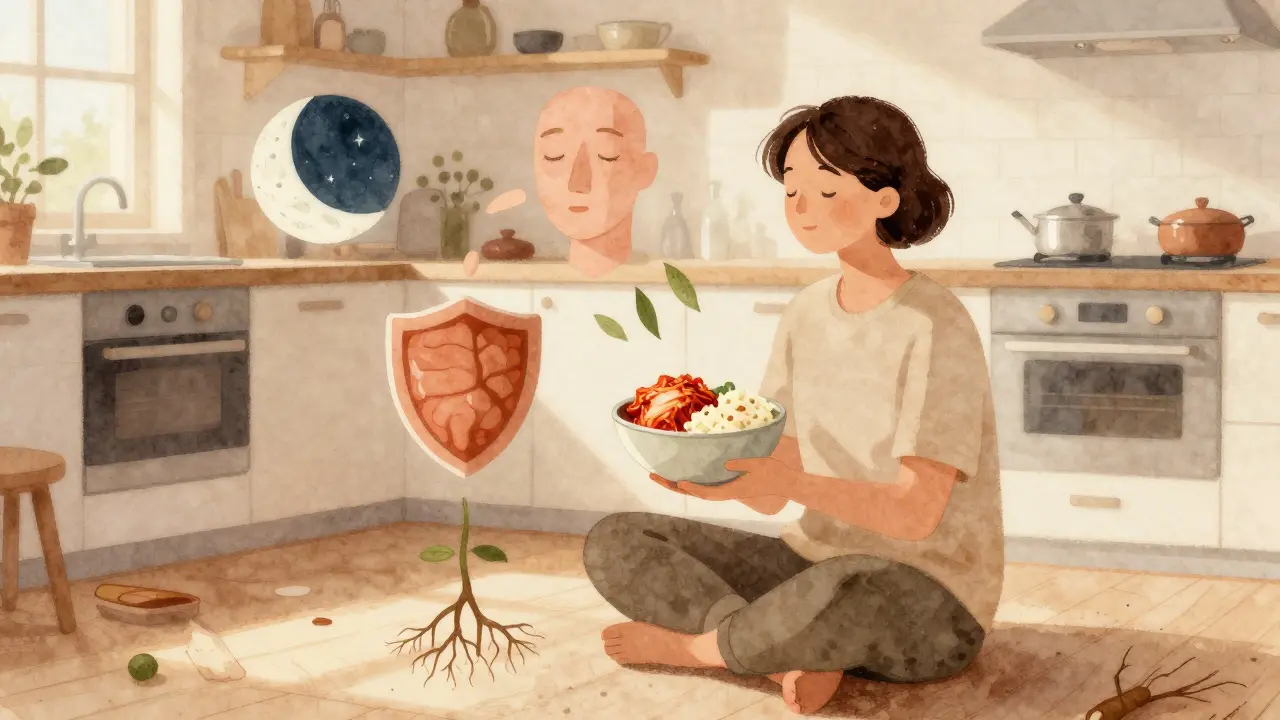
How to Fix It: Simple, Science-Backed Steps
You don’t need expensive supplements or extreme diets. Real gut healing starts with small, consistent changes:
- Eat more fiber-rich plants-Aim for 30 different plant foods a week. That’s not just broccoli and carrots. Think apples, oats, lentils, garlic, berries, almonds, chickpeas, and even dark chocolate. Variety feeds diversity.
- Include fermented foods daily-Yogurt with live cultures, kimchi, sauerkraut, kefir, miso, and kombucha. Just two tablespoons of sauerkraut a day can boost microbial diversity.
- Limit artificial sweeteners-Aspartame, sucralose, and saccharin have been shown in multiple studies to alter gut bacteria in ways that promote glucose intolerance.
- Move your body-A 2024 study found that regular exercisers had higher levels of beneficial gut bacteria than sedentary people-even when diet was the same.
- Chew your food-It sounds silly, but chewing well triggers digestive enzymes and reduces the burden on your gut. Aim for 20-30 chews per bite.
These aren’t "tips." They’re biological necessities. Your gut doesn’t care about trends. It cares about what you feed it, how you move, and how you rest.
Probiotics: Do They Help?
Probiotic supplements are everywhere. But not all are created equal. Most store-bought yogurts have sugar and dead cultures. Many probiotic pills die before they reach your gut.
Real probiotics that work? Look for strains with clinical backing:
- Lactobacillus rhamnosus GG-Helps with antibiotic-related diarrhea and eczema.
- Bifidobacterium longum-Linked to reduced anxiety and improved stress response.
- Saccharomyces boulardii-A yeast strain that fights bad bacteria and supports gut lining repair.
Don’t take probiotics blindly. If you’re on antibiotics, take them 2-3 hours apart. If you have SIBO, some probiotics can make things worse. Talk to a functional medicine provider if you’re unsure.
What to Avoid
Some "healthy" habits actually hurt your gut:
- Drinking lemon water on an empty stomach-It’s acidic and can irritate the gut lining if you have reflux or ulcers.
- Overdoing green smoothies-Blending fiber breaks it down too much. Your gut needs structure to work properly.
- Detox teas and cleanses-They flush out good bacteria along with the bad. Your gut doesn’t need cleaning-it needs feeding.
- Ignoring food sensitivities-If you feel bloated after dairy, gluten, or eggs, it’s not "just in your head." Try an elimination diet for 3 weeks. You might be surprised.
How Long Does It Take to See Results?
Some people feel less bloating in 3-5 days after cutting sugar and adding fermented foods. Better sleep and mood? That usually takes 2-4 weeks. Full microbiome recovery? Six months to a year, depending on how damaged it was.
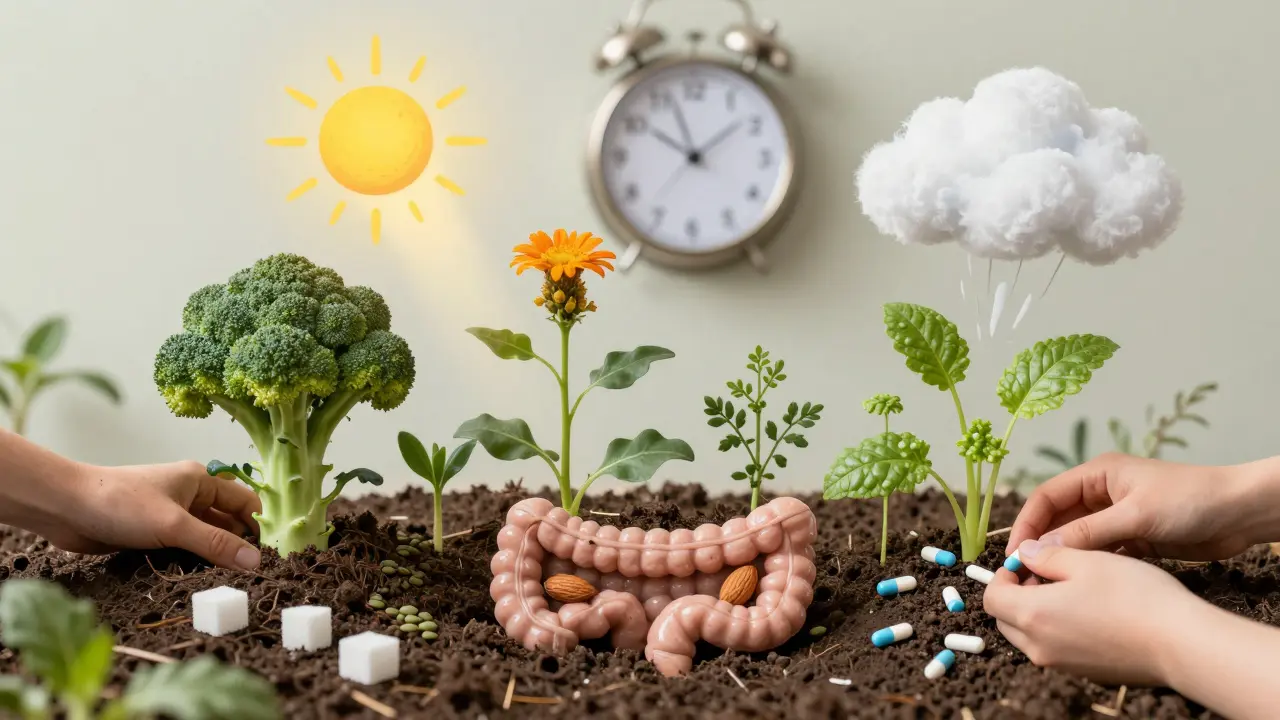
Don’t expect overnight miracles. Gut health is like gardening. You don’t pull a weed and expect a rose to bloom. You prep the soil, plant seeds, water regularly, and wait. The results come slowly-but they last.
When to See a Doctor
Some gut issues need more than diet. See a healthcare provider if you have:
- Unexplained weight loss
- Blood in stool
- Severe or persistent diarrhea or constipation
- Chronic abdominal pain that wakes you up at night
- Family history of colon cancer or IBD
These aren’t "just gut problems." They could signal something deeper. Get checked.
Final Thought: Your Gut Is Your First Line of Defense
You don’t need to be perfect. You just need to be consistent. One extra serving of veggies. One spoon of sauerkraut. One less soda. One more hour of sleep. These small choices stack up. Over time, they rebuild your gut. And when your gut heals, your whole life changes.
You’ll sleep deeper. You’ll think clearer. You’ll feel calmer. You’ll crave better food. You’ll bounce back faster from stress. That’s not magic. That’s your gut doing its job.
Start today. Not tomorrow. Not after the holidays. Today. Your gut is waiting.
Can gut health affect my weight?
Yes. An imbalanced gut can make it harder to lose weight-even if you eat well. Bad bacteria can increase cravings for sugar and fat, slow metabolism, and cause inflammation that leads to fat storage. Studies show people with obesity often have less microbial diversity. Fixing your gut can help reset your appetite and improve fat burning.
Are probiotic supplements better than food?
Not necessarily. Whole foods like yogurt, kefir, and kimchi provide a wider variety of strains and come with fiber that feeds good bacteria. Supplements are useful if you need targeted support-like after antibiotics-but they shouldn’t replace real food. Think of food as the foundation and supplements as a tool, not a replacement.
Can stress really damage my gut?
Absolutely. Chronic stress triggers cortisol release, which reduces blood flow to the gut, slows digestion, and weakens the gut lining. This can lead to leaky gut, where undigested particles leak into the bloodstream and cause inflammation. Stress also changes the balance of gut bacteria. Managing stress isn’t optional for gut health-it’s essential.
Is gluten bad for everyone’s gut?
No. Only people with celiac disease or non-celiac gluten sensitivity need to avoid it. For most, whole grains like wheat, rye, and barley are excellent sources of fiber that feed good bacteria. Cutting them out without a diagnosis can reduce microbial diversity and harm gut health. If you suspect sensitivity, try eliminating gluten for 3 weeks and track symptoms.
How do I know if I have a leaky gut?
There’s no official diagnostic test yet. But signs include chronic bloating, food sensitivities, fatigue, skin issues like eczema, and joint pain. If you have these and no clear cause, improving gut lining health with collagen-rich broths, zinc, and glutamine can help. Always rule out celiac disease or IBD first with a doctor.
Can my gut affect my skin?
Yes. The gut-skin axis is well-documented. Inflammation from an imbalanced gut can trigger acne, rosacea, and eczema. Studies show people with acne have lower levels of beneficial gut bacteria. Healing your gut often improves skin clarity-sometimes faster than topical treatments.
Do I need to take prebiotics?
You’re probably already getting them. Prebiotics are the fiber that feeds good bacteria. Foods like onions, garlic, asparagus, bananas, oats, and flaxseeds are rich in prebiotics. You don’t need supplements unless you’re severely deficient in fiber. Focus on eating more plants first.