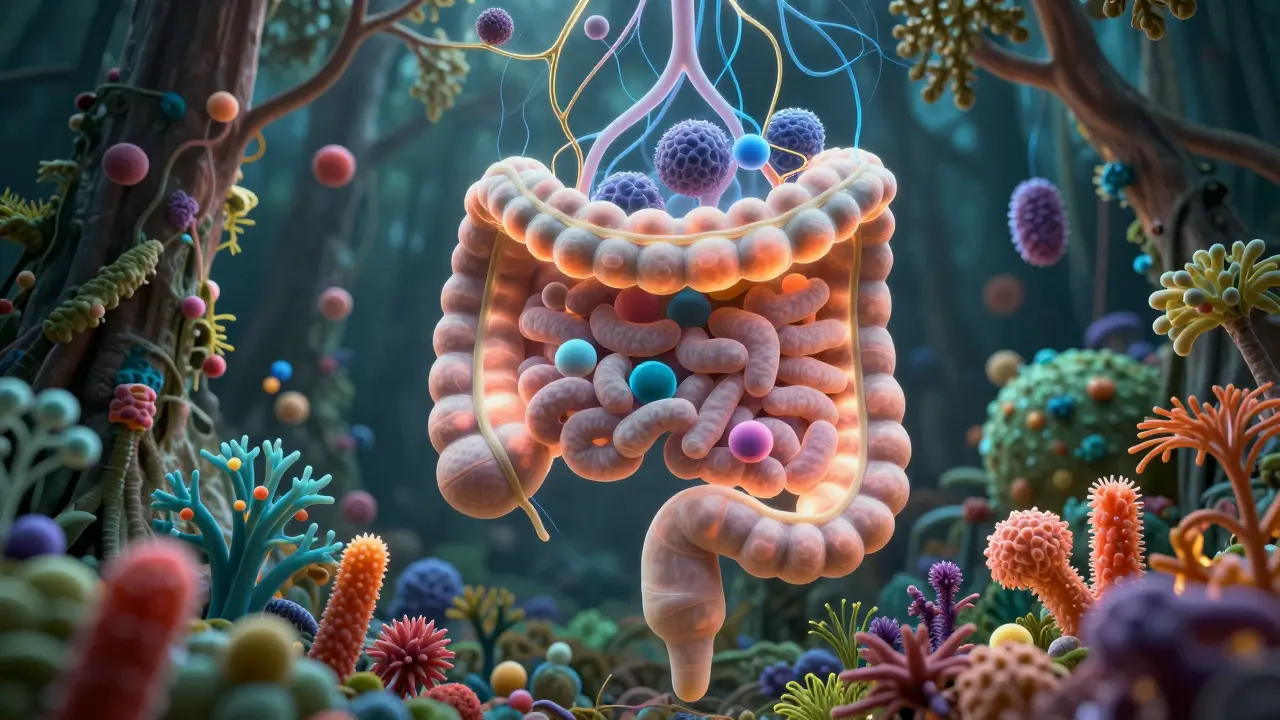
We often treat our stomachs like trash compactors-dumping food in and hoping for the best. But your digestive system is far more than a passive pipe. It is a bustling metropolis where trillions of microbes negotiate with your immune system, produce hormones, and even send signals to your brain. When this ecosystem thrives, you feel energized, clear-headed, and resilient. When it falters, the consequences ripple through every part of your life, from skin breakouts to anxiety spikes.
Most people only think about their Gastro Health when something goes wrong-a bout of bloating, heartburn, or irregularity. Yet, maintaining optimal gastrointestinal function is one of the most powerful levers you can pull for overall longevity and vitality. This isn't just about digesting a steak; it's about how your body processes nutrients, fights inflammation, and regulates mood.
The Second Brain: Understanding the Gut-Brain Axis
You’ve probably heard that the gut is the "second brain." This isn’t just poetic license; it’s biology. The enteric nervous system (ENS) lines your digestive tract with over 100 million neurons. It operates independently of your central nervous system but communicates constantly with your brain via the vagus nerve.
This connection explains why stress makes your stomach churn or why a bad meal can leave you feeling anxious. The gut-brain axis is a two-way street. Your thoughts affect your digestion, and your gut health affects your mental state. Research published in journals like *Nature* has shown that specific gut bacteria can influence the production of neurotransmitters like serotonin and dopamine. In fact, about 95% of your body’s serotonin is produced in the gut, not the brain.
If you’re struggling with mood swings, brain fog, or chronic stress, looking at your diet might be more effective than looking at your meditation app. A compromised gut lining allows toxins to leak into the bloodstream-a condition known as "leaky gut"-triggering systemic inflammation that can cloud thinking and elevate cortisol levels.
The Microbiome: Your Internal Ecosystem
Your gastro health depends heavily on the gut microbiome, the collection of bacteria, viruses, and fungi living in your intestines. Think of this as a rainforest. If you bulldoze the trees (good bacteria) with antibiotics or poor diet, invasive species (pathogens) take over. You lose biodiversity, and the ecosystem collapses.
A healthy microbiome is diverse. It includes beneficial strains like Lactobacillus and Bifidobacterium. These microbes ferment undigested fibers into short-chain fatty acids (SCFAs), particularly butyrate. Butyrate is crucial because it fuels the cells lining your colon, strengthens the gut barrier, and reduces inflammation throughout the body.
When diversity drops, you become susceptible to metabolic disorders, allergies, and autoimmune issues. Studies link low microbial diversity to obesity, type 2 diabetes, and even depression. It’s not just about what you eat; it’s about who eats it. Feeding the right bacteria is key to keeping them strong.
Dietary Foundations: Fueling the Good Guys
You cannot supplement your way out of a bad diet. Pills are convenient, but they don’t replace the structural integrity provided by whole foods. To support gastro health, you need to focus on three pillars: fiber, fermentation, and variety.
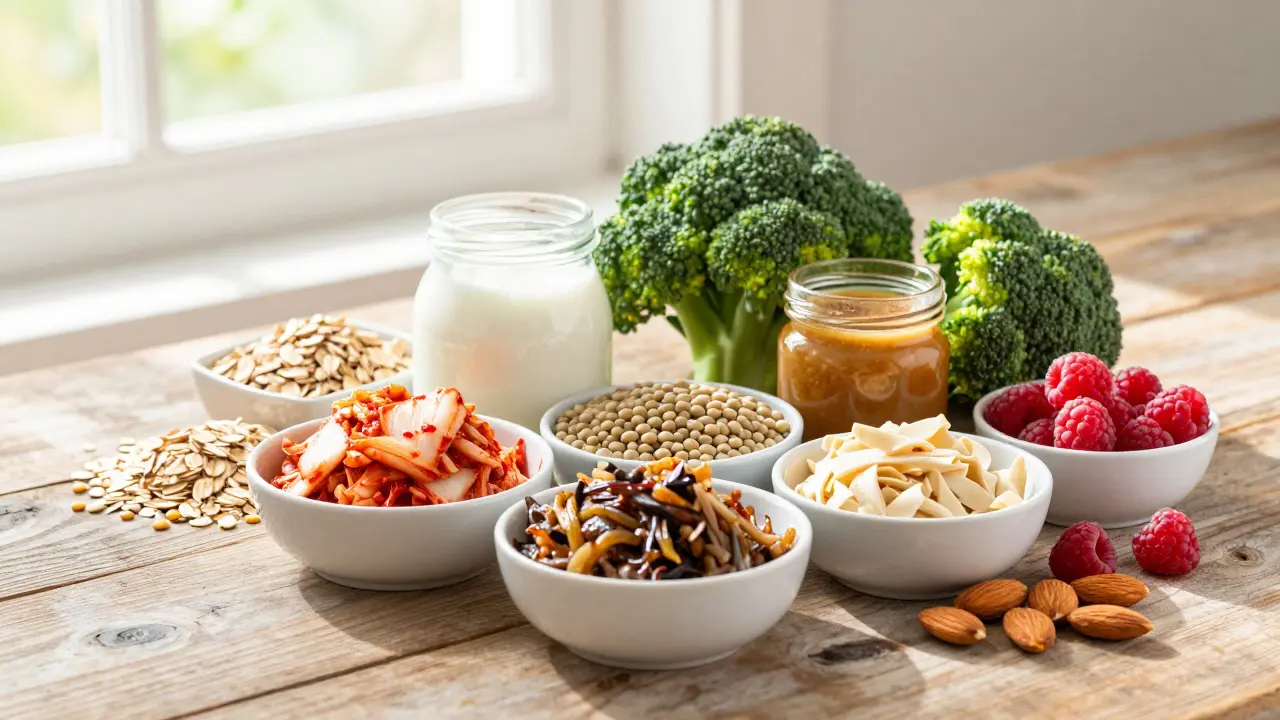
Fiber is non-negotiable. Most adults in Western countries consume only half the recommended amount of fiber. Fiber acts as prebiotic fuel for your good bacteria. Without it, your microbiome starves. Aim for 30 grams of fiber daily. Sources include:
- Oats and barley (rich in beta-glucan)
- Legumes like lentils and chickpeas
- Cruciferous vegetables like broccoli and Brussels sprouts
- Berries, especially raspberries and blackberries
Fermented foods introduce live cultures. While probiotic supplements can help, fermented foods offer a broader spectrum of benefits because they contain both live bacteria and the substrates they feed on. Incorporate these into your routine:
- Kimchi and sauerkraut (unpasteurized versions retain live cultures)
- Kefir (a fermented milk drink richer in probiotics than yogurt)
- Miso soup
- Compostable vinegar drinks like kombucha
Variety drives diversity. Eating the same "healthy" foods every day limits bacterial growth. Try to eat 30 different plant-based foods per week. This doesn’t mean exotic superfoods; it means rotating between spinach, kale, carrots, sweet potatoes, almonds, walnuts, and various fruits. The more unique plants you eat, the more diverse your microbiome becomes.
The Villains: What Destroys Gastro Health
Just as certain foods build your gut, others tear it down. Modern diets are laden with substances that disrupt the delicate balance of the GI tract.
Ultra-processed foods are the biggest offender. They are stripped of fiber and loaded with emulsifiers, artificial sweeteners, and preservatives. Emulsifiers like polysorbate-80 and carboxymethylcellulose, found in ice creams and packaged snacks, have been shown in mouse studies to erode the mucus layer protecting the gut lining, allowing bacteria to invade the tissue and trigger inflammation.
Artificial sweeteners such as aspartame and sucralose may seem harmless, but they can alter gut bacteria composition. Some research suggests they reduce the abundance of beneficial bacteria that protect against glucose intolerance. If you’re trying to manage blood sugar or gut health, natural sweeteners like raw honey or maple syrup in moderation are safer bets.
Chronic stress slows down digestion. When you’re in "fight or flight" mode, blood flow is diverted away from the gut to muscles. This leads to incomplete digestion, gas, and bloating. Stress also increases intestinal permeability. Managing stress isn’t just good for your mind; it’s essential for your stomach.
Symptoms That Signal Trouble
Your body sends signals when your gastro health is declining. Ignoring them leads to bigger problems. Watch for these red flags:
| Symptom | Possible Cause | Action Step |
|---|---|---|
| Chronic Bloating | Food intolerance or SIBO (Small Intestinal Bacterial Overgrowth) | Track food diary; consult a doctor for breath testing |
| Irregular Bowel Movements | Low fiber intake or dehydration | Increase water and soluble fiber gradually |
| Heartburn/Acid Reflux | Weak lower esophageal sphincter or hiatal hernia | Eat smaller meals; avoid lying down after eating |
| Fatigue after meals | Blood sugar spikes or histamine intolerance | Pair carbs with protein/fat; check for histamine-rich foods |
| Skin Issues (Acne/Eczema) | Systemic inflammation from leaky gut | Focus on anti-inflammatory diet and gut healing protocols |
If you experience persistent pain, blood in stool, or unexplained weight loss, see a healthcare provider immediately. These could indicate conditions like inflammatory bowel disease (IBD) or celiac disease, which require medical management, not just dietary tweaks.
Lifestyle Factors Beyond Food
Food is primary, but lifestyle choices significantly impact gastro health. Sleep is critical. During deep sleep, your body repairs the gut lining. Chronic sleep deprivation increases inflammation and alters microbiome composition. Aim for 7-9 hours of quality sleep.
Exercise also plays a role. Moderate physical activity increases microbial diversity. However, extreme endurance training without proper recovery can actually compromise gut barrier function, leading to temporary leaky gut. Balance is key. A brisk walk after meals can aid digestion and regulate blood sugar.
Antibiotic use is another major factor. While sometimes necessary, antibiotics wipe out both bad and good bacteria. After a course of antibiotics, prioritize probiotic-rich foods and prebiotic fibers to rebuild your microbiome. Consider taking a high-quality probiotic supplement during and for several weeks after antibiotic treatment, but discuss this with your doctor first.
Building a Resilient Gut: Practical Steps
Improving gastro health isn’t about a strict regimen you abandon after a month. It’s about sustainable habits. Start small. Add one serving of fermented food daily. Swap refined grains for whole grains. Chew your food thoroughly-digestion begins in the mouth.
Hydration matters. Water helps break down nutrients so your body can absorb them. It also keeps stool soft and prevents constipation. Aim for 2-3 liters of water daily, adjusting for activity level and climate.
Listen to your body. Everyone’s microbiome is unique. What works for your friend might not work for you. Keep a symptom journal. Note how you feel after eating certain foods. Elimination diets can help identify triggers, but they should be done under guidance to avoid nutritional deficiencies.
Finally, be patient. Gut healing takes time. It can take weeks to months to see significant changes. Consistency beats intensity. Small, daily improvements compound into lasting health.
How long does it take to improve gastro health?
You may notice improvements in bloating and energy within a few days of increasing fiber and fermented foods. However, significant changes in the microbiome composition and long-term gut barrier repair typically take 4 to 12 weeks of consistent dietary and lifestyle adjustments.
Are probiotic supplements necessary if I eat fermented foods?
Not necessarily. Fermented foods provide a diverse range of live bacteria along with their natural food sources, which can be more beneficial than isolated strains in pills. Supplements are useful for specific conditions or after antibiotic use, but a varied diet including kimchi, kefir, and yogurt is often sufficient for general maintenance.
What is the best breakfast for gut health?
A great gut-friendly breakfast includes soluble fiber and probiotics. Examples include oatmeal topped with berries and chia seeds, or Greek yogurt with nuts and flaxseeds. Avoid sugary cereals and pastries, which can spike blood sugar and feed harmful bacteria.
Can stress really cause digestive problems?
Yes. Stress activates the sympathetic nervous system, slowing digestion and reducing blood flow to the gut. Chronic stress can increase intestinal permeability and alter the microbiome, leading to symptoms like IBS, bloating, and acid reflux. Mindfulness practices and adequate sleep help mitigate these effects.
Is intermittent fasting good for gastro health?
Intermittent fasting can give the gut a rest period, potentially aiding cellular cleanup processes called autophagy. However, it’s not suitable for everyone. Those with a history of eating disorders or certain metabolic conditions should consult a healthcare provider before starting. Ensure you’re nutrient-dense during eating windows.