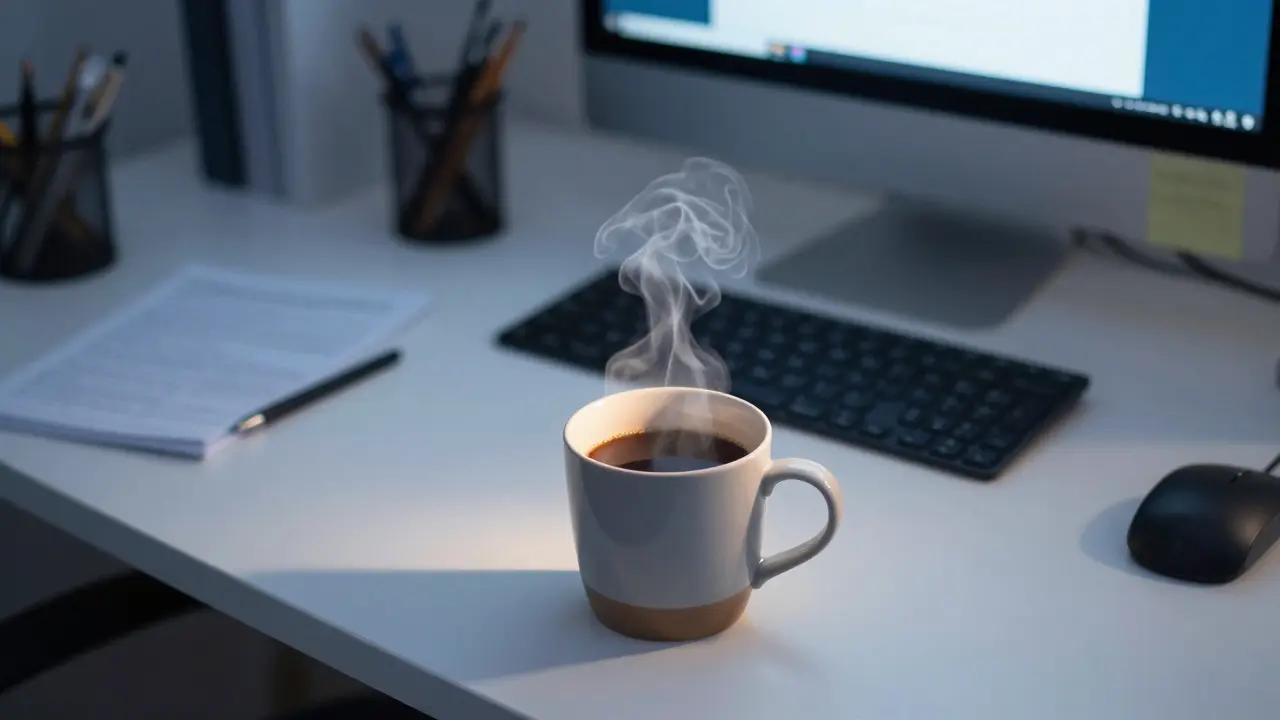
You wake up at 6 AM, and before your feet even hit the floor, your brain is already scrolling through a mental checklist of 40 tasks. By 2 PM, you're staring at your screen, but the words aren't making sense anymore. Your shoulders are hiked up to your ears, and you've had three coffees, yet you feel completely drained. This isn't just a "bad day"-it's the early warning system of burnout. Most of us treat relaxation like a reward we get only after everything else is finished, but that's exactly why we crash. If you wait for the "perfect time" to relax, you'll be waiting until your next vacation, and by then, the damage is already done.
Quick Wins for Constant Stress
- The 4-7-8 Method: Inhale for 4 seconds, hold for 7, exhale for 8.
- Sensory Grounding: Find 5 things you see, 4 you feel, 3 you hear, 2 you smell, and 1 you taste.
- Micro-Breaks: 90 seconds of staring at a distant object to reset eye strain.
- Digital Fasting: No screens 30 minutes before bed.
Understanding the Burnout Cycle
Burnout isn't just feeling tired. It's a state of emotional, physical, and mental exhaustion caused by excessive and prolonged stress. When you're in this state, your body is flooded with Cortisol is a steroid hormone produced by the adrenal glands that regulates your stress response, metabolism, and immune system . In small doses, it helps you meet a deadline. In chronic doses, it wreaks havoc on your sleep and memory.
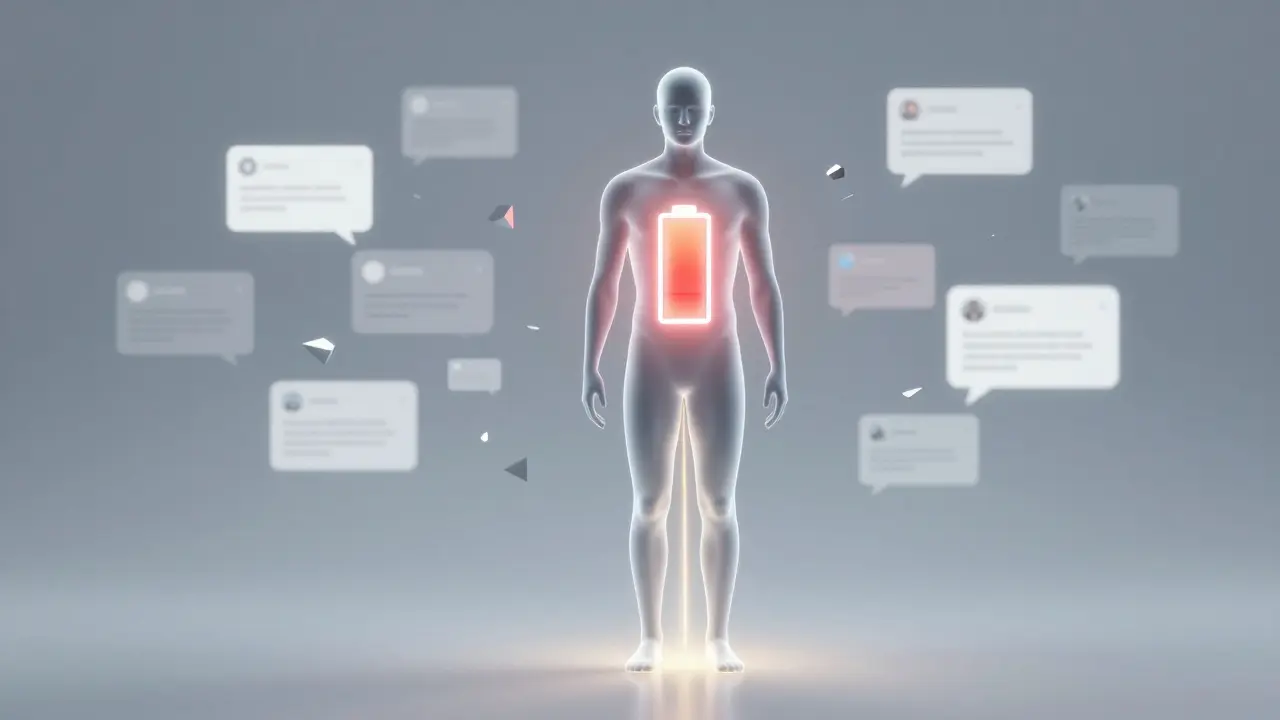
Think of your energy like a phone battery. Most busy people spend their day in "low power mode," barely functioning, but they never actually plug into a charger. They try to "power through," which only drains the battery further into the red. To actually recover, you need active recovery-not just passive resting like scrolling through social media, which actually keeps your brain stimulated and stressed.
Physical Reset: Moving Out of Fight-or-Flight
When you're stressed, your sympathetic nervous system takes over. You're essentially in "fight-or-flight" mode, even if you're just sitting in a cubicle. To flip the switch back to the parasympathetic nervous system (the "rest and digest" mode), you need a physical trigger.
Progressive Muscle Relaxation is a technique involving the systematic tensing and then releasing of different muscle groups in the body to reduce physical tension . It's incredibly effective because it forces your brain to recognize the difference between a tense muscle and a relaxed one. Try this while sitting in your office chair: squeeze your toes as hard as you can for five seconds, then let go instantly. Feel the blood rush back. Move up to your calves, then thighs, then stomach, all the way to your jaw. By the time you hit your forehead, you'll realize you've been holding a mountain of tension you weren't even aware of.
Another heavy hitter is Autogenic Training, a desensitization technique that uses self-induced sensations of warmth and heaviness to calm the nervous system . Instead of fighting the stress, you use a series of mental scripts, like "my arms are heavy and warm," to trick your brain into a state of deep calm. It sounds a bit strange at first, but it works by focusing the mind on physical sensations, which cuts the loop of anxious thoughts.
| Technique | Time Required | Primary Benefit | Best Scenario |
|---|---|---|---|
| Box Breathing | 1-3 Minutes | Lowers heart rate | Before a big meeting |
| PMR | 5-10 Minutes | Releases physical knots | End of the workday |
| Mindfulness | Variable | Mental clarity | During a commute |
| Warm Bath/Shower | 15-20 Minutes | Full body reset | Pre-sleep routine |
Mental Decoupling through Mindfulness
The biggest mistake busy people make is thinking that "doing nothing" is a waste of time. In reality, your brain needs a period of non-focus to process information. This is where Mindfulness comes in. Unlike meditation, which often feels like a chore or a project, mindfulness is the practice of maintaining a non-judgmental state of heightened awareness of your present moment . It's not about clearing your mind; it's about noticing that your mind is racing and choosing not to get swept away by it.
Try the "Mindful Coffee" trick. Instead of checking emails while you drink your morning brew, spend exactly 60 seconds focusing on the coffee. Feel the heat of the mug in your hands. Smell the roast. Taste the bitterness. This tiny act of presence tells your brain that you are safe and that the world isn't ending, even if your inbox says otherwise. It's a way of training your brain to step out of the future (where the stress lives) and back into the now.
If you're feeling completely overwhelmed, use the "Brain Dump" method. Grab a piece of paper and write every single thing bothering you-from the massive project deadline to the fact that you're out of milk. Once it's on paper, your brain stops using energy to "remember" these stressors, which immediately lowers your mental load. This creates a cognitive gap that allows you to actually engage with relaxation techniques rather than just thinking about how much you need to relax.
Environmental Shifting and Boundaries
You cannot relax in the same environment where you feel stressed. If you work from home and your laptop is on your dining table, your brain associates that table with pressure, not peace. You need a "sensory trigger" to signal the end of the work day.
This is where Aromatherapy is surprisingly useful. The use of natural plant extracts, such as essential oils, to promote health and well-being . It's not just about "smelling nice." Certain scents, like lavender or sandalwood, interact with the olfactory system to send direct signals to the limbic system, which controls emotions. By lighting a specific candle or using a diffuser only when you stop working, you're creating a Pavlovian response: "This smell means work is over." After a few weeks, your brain will start relaxing the moment it detects that scent.
Combine this with a "digital sunset." Set a hard boundary-say, 8 PM-where all work-related notifications are silenced. The constant ping of a Slack message or email is like a tiny shot of adrenaline to your system. If you keep that loop open until you fall asleep, your sleep quality will plummet, making you more prone to burnout the next day. A quality sleep cycle is the only way to truly flush out the metabolic waste that accumulates in your brain during a high-stress day.
Sustainable Habits for Long-Term Recovery
Quick fixes are great for emergencies, but you can't treat burnout with a once-a-month massage. You need a sustainable system. Start with the "Rule of Three": pick three non-negotiable things you do for yourself daily. It could be a 10-minute walk without a phone, reading five pages of a book, or five minutes of deep breathing. The key is that they must be non-negotiable.
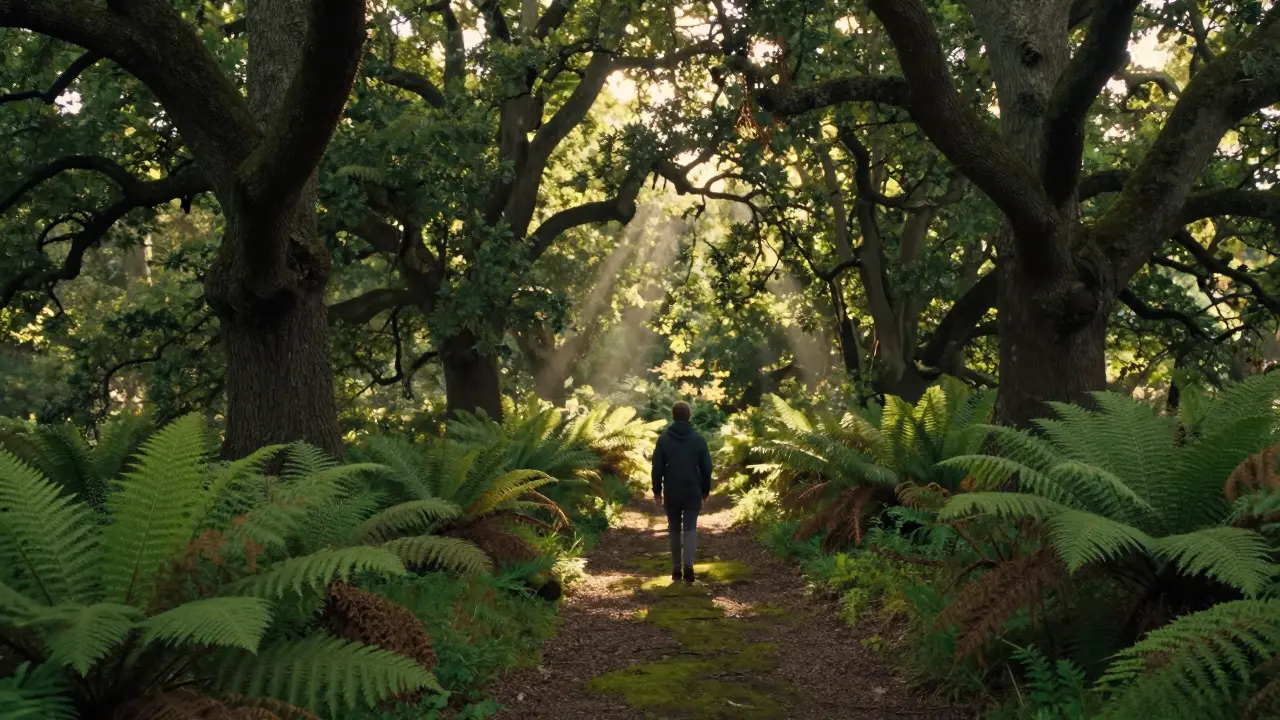
Another powerful tool is Forest Bathing (or Shinrin-yoku). The practice of spending time in a forest or natural environment to lower blood pressure and reduce stress . Research from Japan has shown that spending just 20 minutes in a green space significantly lowers cortisol levels compared to walking in an urban environment. If you live in a city, a local park with a few trees will do. The goal is to move from "directed attention" (focusing on screens/tasks) to "soft fascination" (watching leaves move in the wind), which restores your mental energy.
Finally, stop aiming for a "work-life balance." Balance implies a 50/50 split that rarely happens in the real world. Aim for "work-life harmony." Some days, work will take 90%. That's fine, as long as there are other days where your personal life takes 90%. The burnout happens when work takes 90% every single day for six months. Be honest with your calendar; if you schedule a meeting, schedule a "recovery block" immediately after it.
What is the fastest way to calm down during a panic or stress spike?
The fastest biological way to lower your heart rate is the "Physiological Sigh." Take a full breath in through your nose, then take a second, shorter sip of air on top of that to fully inflate the lungs, and exhale slowly through your mouth. Doing this two or three times triggers a signal to the brain to lower the heart rate and calm the nervous system almost instantly.
Can I actually relax if I only have 5 minutes a day?
Yes. The brain doesn't require hours of silence to reset; it requires a complete shift in focus. Five minutes of focused breathing or Progressive Muscle Relaxation is enough to break the cortisol loop and prevent the compounding effect of stress. Consistency is more important than duration.
How do I know if I'm actually burnt out or just tired?
Tiredness is solved by a good night's sleep. Burnout is a deeper exhaustion where you feel cynical, detached from your work, and emotionally numb. If you wake up after 8 hours of sleep and still feel a sense of dread or complete emptiness, you are likely dealing with burnout rather than simple fatigue.
Does meditation work for people who can't sit still?
Absolutely. You don't need to sit cross-legged in silence. Try "walking meditation"-focus entirely on the feeling of your feet hitting the ground. Or use a guided app that gives you a specific task to focus on. The goal is mindfulness, not stillness.
Is it okay to use supplements for stress relief?
Many people find relief with Magnesium or Ashwagandha, but these should be used as support, not a cure. No supplement can replace the need for boundaries, sleep, and a reduction in chronic stress triggers. Always consult a healthcare provider before starting new supplements.
Next Steps for Your Recovery
If you're currently in the thick of burnout, don't try to implement all these techniques at once. That just adds another "to-do" list to your already overwhelmed brain. Pick one physical technique (like the 4-7-8 breath) and one environmental change (like the digital sunset) for the first week.
For those in high-pressure corporate roles, the most critical step is auditing your boundaries. Look at your calendar and identify where you're saying "yes" out of guilt rather than capacity. Recovery isn't just about how you relax; it's about how you protect your time so that you don't need to recover so aggressively in the first place.