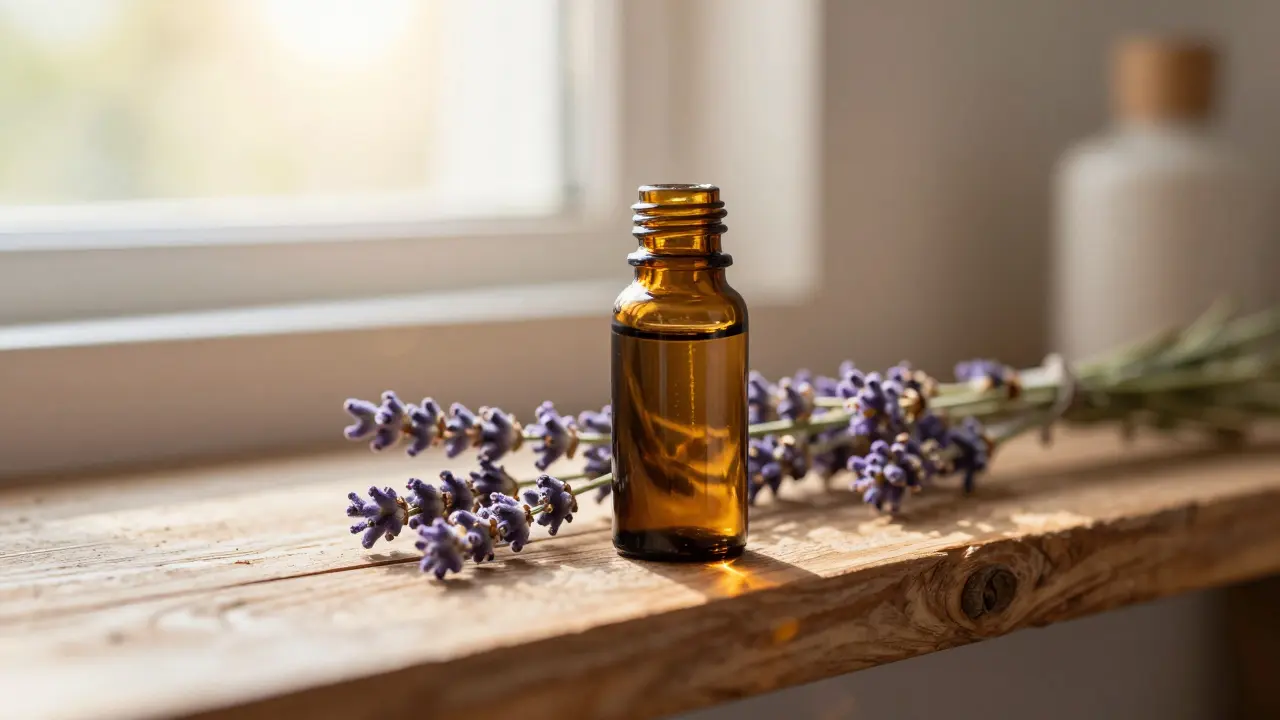
Picture this: you’ve had a long day, your lower back is screaming, and your head throbs with tension. You reach for the pill bottle, but then you remember that small glass bottle of lavender oil sitting on your shelf. Does it actually help? Or is it just a nice smell masking the problem?
The short answer is yes, it can help. But not in the magical way some marketing claims suggest. Aromatherapy isn’t a cure-all, but when used correctly, specific essential oils interact with your nervous system to reduce pain perception. This article breaks down exactly which oils work for which types of pain, how to use them safely, and what the science actually says about their effectiveness.
How Scent Changes Your Brain’s Pain Signals
To understand why smelling something pleasant might stop your knee from hurting, we need to look at the limbic system. This part of your brain handles emotions and memory. When you inhale an essential oil, the scent molecules travel up your nose and bind to olfactory receptors. These receptors send signals directly to the limbic system, bypassing the logical thinking parts of your brain.
This connection matters because pain is partly emotional. If you are stressed or anxious, your brain amplifies pain signals. By calming the limbic system through scent, you lower cortisol levels and reduce that amplification effect. It doesn’t fix the broken bone, but it stops your brain from turning the volume knob up to eleven.
Research published in journals like Evidence-Based Complementary and Alternative Medicine has shown that patients who received aromatherapy alongside standard care reported lower pain scores than those who only received standard care. The key word here is "alongside." Think of it as a tool in your toolbox, not the whole toolbox.
Top Essential Oils for Specific Types of Pain
Not all oils do the same thing. Using lemon oil for a migraine won’t give you the same result as using peppermint. Here are the most effective options based on clinical observation and traditional use.
| Pain Type | Recommended Oil | Key Mechanism | Application Method |
|---|---|---|---|
| Migraines & Headaches | Peppermint Oil | Cools skin, relaxes tense muscles via menthol | Diluted massage on temples and forehead |
| Muscle Soreness & Arthritis | Ginger Oil | Anti-inflammatory properties, improves circulation | Diluted topical application on joints |
| Anxiety-Induced Tension | Lavender Oil | Sedative effect, lowers heart rate and blood pressure | Inhalation via diffuser or cotton ball |
| Nerve Pain & Sciatica | Frankincense Oil | Calms nervous system, anti-inflammatory | Diluted massage along spine or affected area |
| Menstrual Cramps | Clary Sage Oil | Antispasmodic effects on uterine muscles | Diluted abdominal massage (avoid during pregnancy) |
Let’s look closer at Peppermint Oil. The active compound, menthol, acts as a counter-irritant. It creates a cooling sensation that distracts nerve endings from sending pain signals. Studies have shown that applying diluted peppermint oil to the forehead can be as effective as over-the-counter acetaminophen for tension headaches. However, never apply it near your eyes or on broken skin.
For joint pain, Ginger Oil is a powerhouse. Ginger contains gingerols, which inhibit inflammatory pathways similar to how NSAIDs (non-steroidal anti-inflammatory drugs) work, though much more gently. Massaging a blend of ginger and black pepper oil into stiff knees can increase local blood flow and reduce stiffness within minutes.
Safe Application: Dilution Is Non-Negotiable
If there is one rule you must follow, it is this: never apply pure essential oil directly to your skin. These are concentrated plant extracts. Applying them undiluted can cause chemical burns, severe irritation, or allergic reactions.
You need a carrier oil. Common choices include fractionated coconut oil, jojoba oil, or sweet almond oil. The general safe dilution ratio for adults is 2% to 3%. Here is how to calculate that:
- 1% Dilution (Sensitive Skin/Face): 1 drop of essential oil per teaspoon (5ml) of carrier oil.
- 2% Dilution (General Body Massage): 2 drops of essential oil per teaspoon (5ml) of carrier oil.
- 3% Dilution (Acute Pain/Short Term Use): 3 drops of essential oil per teaspoon (5ml) of carrier oil.
For example, if you are making a 10ml rollerball for knee pain, you would mix 6-9 drops of ginger oil with enough jojoba oil to fill the bottle. Shake well before each use. Always perform a patch test first. Apply a small amount of the diluted mixture to the inside of your wrist and wait 24 hours. If you see redness or feel itching, wash it off immediately and discard the blend.

Inhalation vs. Topical: Which Works Better?
Your method of delivery changes the outcome. Inhalation works fastest for mental stress and headache tension because the scent hits the brain almost instantly. Topical application takes longer to absorb but provides localized relief for physical injuries.
For inhalation, you don’t necessarily need an expensive electric diffuser. Simpler methods often work better for acute pain:
- Steam Inhalation: Add 2-3 drops of eucalyptus or lavender to a bowl of hot water. Lean over with a towel over your head and breathe deeply for 5 minutes. Great for sinus pressure and headaches.
- Tissue Method: Put 2 drops of peppermint oil on a tissue and hold it under your nose while closing your eyes. Breathe slowly for 2-3 minutes. Effective for immediate migraine relief.
- Diffuser: Best for ambient anxiety reduction. Run it for 30 minutes while you rest. Don’t run it all night; your body needs breaks from strong scents.
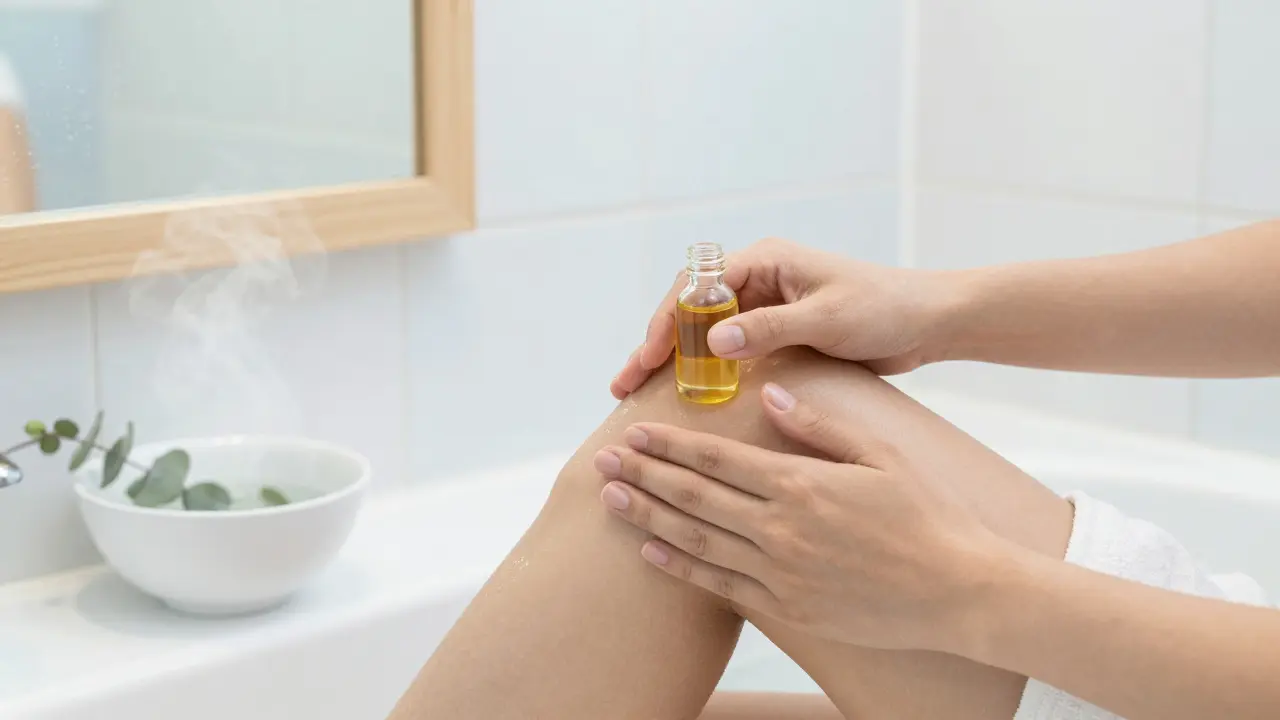
For topical use, timing matters. Apply your oil blend right after a warm shower when your pores are open and your skin is warm. This enhances absorption. Gently massage the area in circular motions rather than rubbing harshly, which could irritate inflamed tissues.
Who Should Avoid Aromatherapy?
Aromatherapy is natural, but "natural" does not mean "safe for everyone." Certain groups need to exercise extreme caution or avoid it entirely.
Pregnant Women: Many essential oils stimulate blood flow or have hormonal effects. Clary sage, rosemary, and sage can induce contractions. Lavender and tea tree may affect hormone levels. If you are pregnant, consult your midwife or doctor before using any oil, especially in the first trimester.
Children: Children have thinner skin and smaller bodies, making them more susceptible to toxicity. Eucalyptus and peppermint contain compounds that can restrict breathing in very young children. Generally, avoid using essential oils on children under six unless guided by a pediatric specialist. For older kids, stick to mild oils like lavender at low dilutions (0.5%).
People with Asthma: Strong scents can trigger bronchospasms. If you have reactive airways, inhalation might worsen your condition. Topical application is usually safer, but always test carefully.
Seizure Disorders: Some oils, like camphor, eucalyptus, and rosemary, can be neurotoxic in high doses and potentially trigger seizures in susceptible individuals. Stick to gentle sedatives like lavender if approved by your neurologist.
Building Your Personal Pain Relief Kit
You don’t need twenty bottles to start. A focused kit of three versatile oils covers most common pain scenarios. Look for bottles labeled "100% Pure Essential Oil" from reputable brands that provide GC/MS (Gas Chromatography/Mass Spectrometry) reports. This ensures the oil hasn’t been cut with synthetic fragrances.
Start with these three:
- Lavender: The universal calmer. Good for sleep, anxiety, minor burns, and general tension.
- Peppermint: The energizer and cooler. Best for headaches, digestive bloating, and muscle fatigue.
- Ginger or Frankincense: The healer. Choose ginger for active inflammation and joint pain, or frankincense for chronic nerve issues and respiratory support.
Pair these with a neutral carrier oil like jojoba, which mimics your skin’s natural sebum and absorbs well without clogging pores. Keep your oils in a cool, dark place. Light and heat degrade the active compounds, turning your potent medicine into expensive perfume.
When to See a Doctor Instead
Aromatherapy manages symptoms; it rarely treats underlying diseases. If you have sudden, severe pain, pain accompanied by fever, swelling, or loss of function, seek medical attention immediately. Do not use essential oils to mask signs of infection or serious injury.
Also, be aware of drug interactions. Grapefruit oil, for instance, interferes with liver enzymes that process many medications, including statins and blood thinners. If you take prescription medication, check with your pharmacist before adding new supplements or therapies to your routine.
Can I ingest essential oils for pain relief?
Generally, no. Ingesting essential oils carries significant risks of toxicity and damage to internal organs. Unless you are working with a qualified healthcare provider who specializes in clinical aromatherapy, stick to topical and inhalation methods. Swallowing oils like peppermint or oregano can burn your esophagus and stomach lining.
How long does it take for aromatherapy to work for pain?
Inhalation effects are often felt within minutes due to the direct link to the brain’s limbic system. Topical applications may take 15-30 minutes to show noticeable relief as the compounds absorb into the skin and interact with local nerve endings. Consistent use over several days often yields better cumulative results for chronic conditions.
Is lavender oil safe for dogs with pain?
Use extreme caution. Cats and dogs metabolize essential oils differently than humans. Lavender is generally considered safer for dogs than cats, but it should still be heavily diluted (less than 1%) and never applied near their nose or mouth. Never diffuse oils in a room where pets cannot leave. Consult a veterinarian before using any aromatherapy on animals.
What is the best carrier oil for sensitive skin?
Fractionated coconut oil and jojoba oil are excellent choices for sensitive skin. They are stable, non-comedogenic (won’t clog pores), and have a mild scent that won’t clash with essential oils. Almond oil is another option but avoid it if you have nut allergies.
Can I mix different essential oils together?
Yes, blending oils can enhance therapeutic effects. For example, mixing lavender with chamomile increases relaxation, while combining peppermint with ginger boosts circulation. However, keep blends simple. Start with two oils maximum to identify any adverse reactions. Ensure both oils are compatible with your specific health condition.