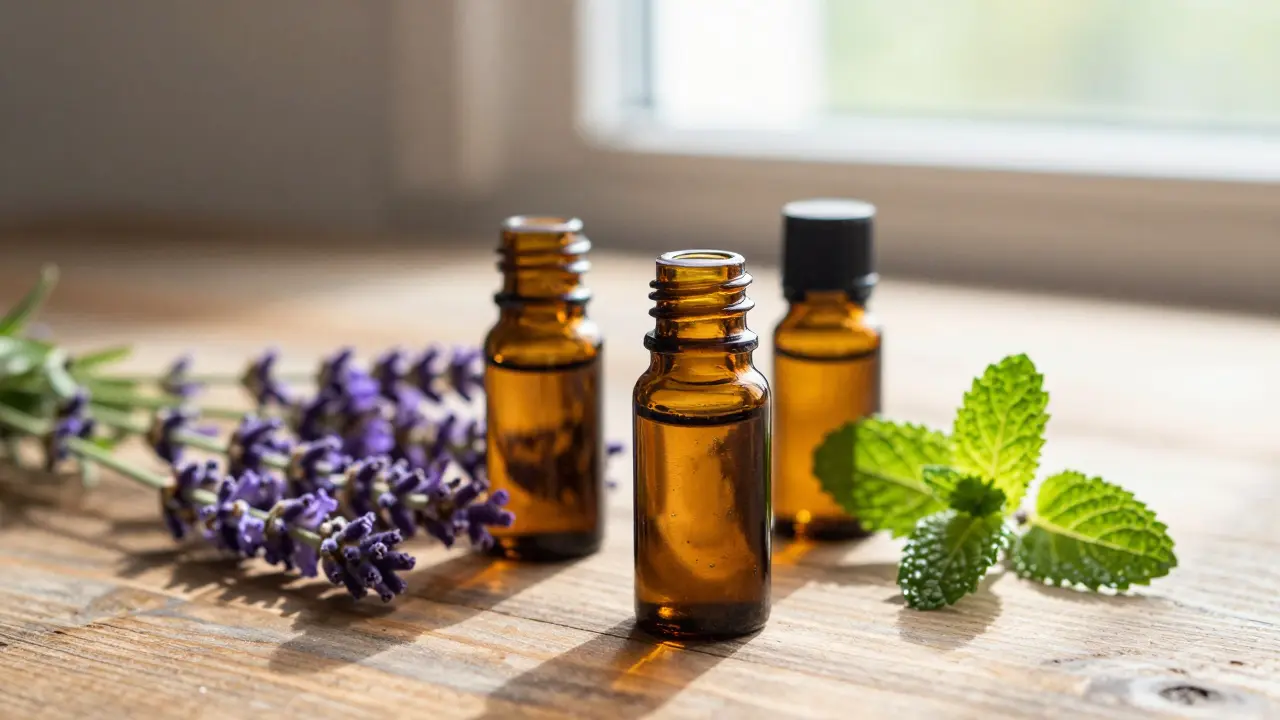
You’ve probably seen them on shelves everywhere-small amber bottles labeled with names like Lavender, Peppermint, or Tea Tree. They promise everything from better sleep to stress relief. But does aromatherapy, the practice of using these potent plant extracts for health and well-being, actually work? Or is it just another wellness trend?
The short answer is yes, but with a big asterisk. Aromatherapy isn’t magic, and essential oils aren’t miracle cures. However, when used correctly, they can be powerful tools for managing anxiety, improving sleep quality, and boosting your mood. The problem? Most people don’t know how to use them safely. Diluting an oil incorrectly or applying it to sensitive skin can cause irritation or worse.
This guide cuts through the marketing hype. We’ll look at what essential oils really are, which ones have the most scientific backing, and exactly how to use them without risking your health.
What Are Essential Oils Really?
To understand aromatherapy, you first need to understand the ingredient. An essential oil is not just any plant juice. It is a highly concentrated hydrophobic liquid containing volatile aroma compounds from plants.
Think of it this way: if you buy a bottle of lavender oil, that single bottle might contain the essence of hundreds, sometimes thousands, of lavender flowers. That concentration is why a drop smells so strong. These oils are extracted through steam distillation or cold pressing (commonly used for citrus peels). Because they are so potent, they are chemically active. This means they interact with your body’s biology, particularly your nervous system.
When you inhale an essential oil, the molecules travel up your olfactory nerve directly to the brain. Specifically, they hit the limbic system-the part of your brain that controls emotions, memory, and behavior. This is why smelling fresh coffee can wake you up instantly, or why the scent of rain can trigger a specific childhood memory. Aromatherapy hijacks this pathway to influence your emotional state.
The Science Behind the Scent
Skeptics often dismiss aromatherapy as placebo. While the placebo effect plays a role in wellness, there is legitimate physiological data supporting certain uses. Research published in journals like *Evidence-Based Complementary and Alternative Medicine* has shown measurable changes in heart rate, blood pressure, and cortisol levels after exposure to specific scents.
For example, a study involving patients undergoing surgery found that those who inhaled lavender oil had significantly lower anxiety scores and reduced need for sedatives compared to the control group. Another study focused on peppermint oil showed improved alertness and reduced headache intensity in office workers.
However, the science is still evolving. Large-scale, double-blind clinical trials are rare because it’s hard to "blind" a smell. You always know if you’re smelling something. So, while we have promising evidence, we don’t have definitive proof that essential oils can cure diseases. They are best viewed as supportive therapies, not replacements for medical treatment.
Top 5 Essential Oils for Beginners
If you’re new to this, don’t buy ten different oils. Start with five versatile staples. These oils are widely available, generally safe, and cover most common needs like relaxation, energy, and minor discomfort.
| Oil Name | Primary Benefit | Best Use Case | Safety Note |
|---|---|---|---|
| Lavender | Relaxation & Sleep | Diffuser before bed, pillow spray | Generally safe; avoid high doses in pregnancy |
| Peppermint | Energy & Focus | Inhalation during work, headache relief | Avoid near eyes; cooling sensation can be intense |
| Tea Tree | Antimicrobial & Skin Care | Diluted spot treatment for acne | Toxic if swallowed; must dilute heavily |
| Eucalyptus | Respiratory Support | Steam inhalation for congestion | Not for young children under age 6 |
| Chamomile (Roman) | Calm & Digestion | Bath soak, mild anxiety | Caution if allergic to ragweed/daisies |
Lavender is the gold standard for beginners. Its chemical profile, rich in linalool and linalyl acetate, has proven calming effects. Peppermint contains menthol, which triggers cold receptors in the skin and nose, creating a refreshing sensation that wakes up the brain. Tea tree oil is famous for its antiseptic properties, making it a go-to for minor skin blemishes, but it must never be ingested.

How to Use Essential Oils Safely
This is the most critical section. Essential oils are powerful chemicals. Applying them undiluted to your skin-a practice called "neat" application-can cause chemical burns, sensitization, or allergic reactions. Here is how to use them correctly.
1. Diffusion
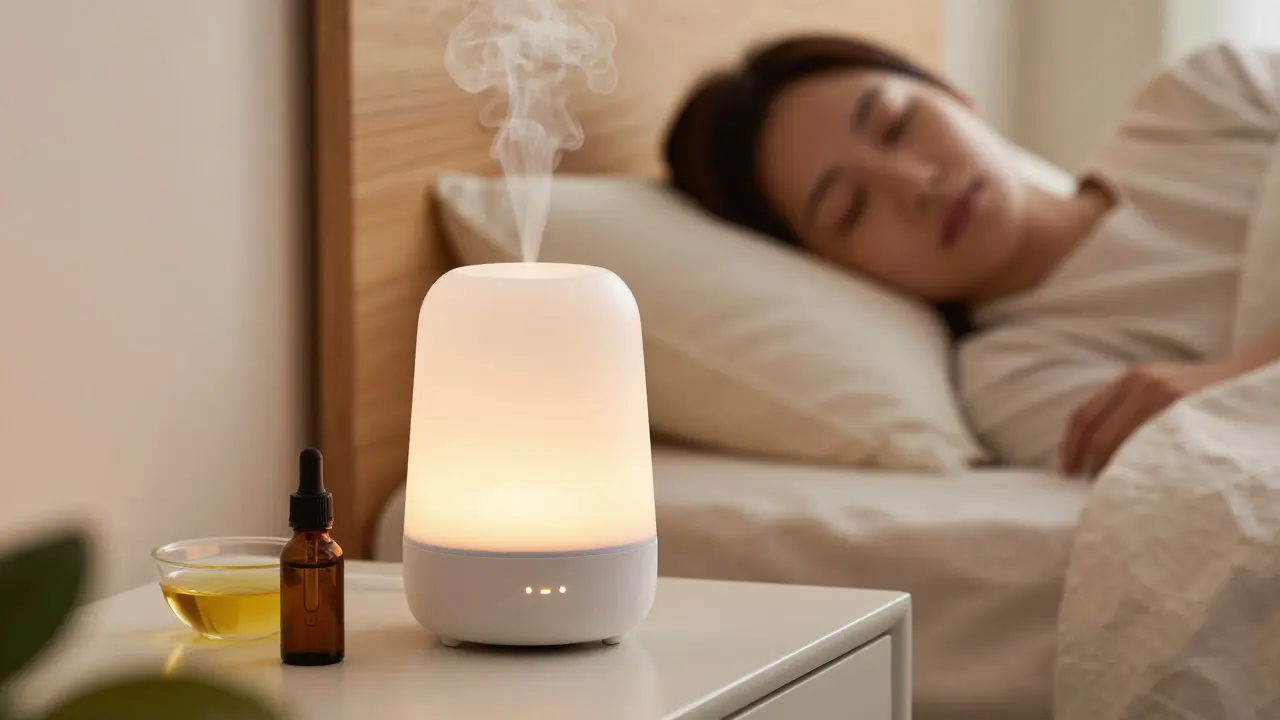
Using an ultrasonic diffuser is the safest way to introduce oils into your home. Add 3-5 drops of oil to the water tank. Run it for 30-60 minutes, then turn it off. Continuous diffusion all day can lead to sensory overload and respiratory irritation. Your nose gets used to the smell (olfactory fatigue), and your lungs need breaks too.
2. Topical Application
If you want to apply oil to your skin, you must dilute it with a carrier oil. Carrier oils are inactive plant oils like jojoba, fractionated coconut, or sweet almond oil. They carry the essential oil into the skin without irritating it.
The Golden Ratio: For adults, a 2% dilution is standard. This equals about 12 drops of essential oil per ounce (30ml) of carrier oil. For children or elderly skin, stick to 1% (6 drops per ounce). Never apply undiluted essential oils to large areas of skin.
3. Inhalation
You can also inhale directly from the bottle. Hold the bottle 6-8 inches from your face and take deep breaths. This is great for quick stress relief or sinus congestion. Alternatively, add one drop to a tissue or cotton ball and keep it nearby.
Common Mistakes to Avoid
Even experienced users make errors. Here are the pitfalls that land people in trouble.
- Swallowing Oils: Unless you are working with a clinical aromatherapist or physician, do not ingest essential oils. They are toxic to the liver and kidneys in high concentrations. "Food grade" is a marketing term, not a safety guarantee for internal use.
- Ignoring Photosensitivity: Citrus oils like lemon, bergamot, and grapefruit contain furanocoumarins. If you apply these to your skin and then go out in the sun, you can get severe blistering burns. Wait at least 12 hours after topical use before exposing that skin to UV light.
- Using Old Oils: Essential oils oxidize over time. Citrus oils go bad in 6-12 months; woodsy and resinous oils last longer. Oxidized oils lose their therapeutic benefits and become more likely to cause skin irritation. Smell them-if they smell rancid or sharp, toss them.
- Overusing Strong Scents: Just because you love the smell of eucalyptus doesn’t mean you should fill your house with it. Strong scents can trigger migraines or nausea in some people. Less is more.
Who Should Be Careful?
Aromatherapy is not for everyone. Certain groups need extra caution or should avoid it entirely.
Pregnant Women: Many oils stimulate uterine contractions or affect hormone levels. Avoid rosemary, clary sage, and wintergreen during pregnancy. Always consult your OB-GYN before using any oil.
Children: Kids have thinner skin and developing bodies. Some oils, like peppermint and eucalyptus, can cause breathing issues in toddlers due to their menthol content. Stick to gentle oils like lavender or chamomile, and always use a lower dilution rate (0.5% - 1%).
Pets: This is a huge issue. Cats and dogs metabolize essential oils differently than humans. Tea tree, eucalyptus, peppermint, and citrus oils can be toxic to pets, especially cats, who lack the liver enzymes to break down certain compounds. If you diffuse oils, ensure your pet has an escape route to a room without the scent, and never apply oils directly to animals.
Building Your Routine
You don’t need a complex regimen. Integrate aromatherapy into habits you already have.
- Morning Energy: Add two drops of peppermint or lemon to your diffuser while you get ready. The sharp scent helps clear sleep inertia.
- Work Focus: Keep a rollerball with diluted rosemary and frankincense at your desk. Rosemary is linked to improved memory retention.
- Evening Wind-Down: Thirty minutes before bed, diffuse lavender or ylang-ylang. Pair this with turning off screens. The scent cues your brain that it’s time to rest.
- Bath Soak: Add 5-10 drops of essential oil to a cup of milk or unsweetened cocoa powder before adding it to bathwater. Oil and water don’t mix, so the milk acts as an emulsifier to prevent the oil from sitting on top and burning your skin.
Finding Quality Oils
The market is flooded with fake products. Many "essential oils" sold online are actually fragrance oils-synthetic chemicals designed to mimic the scent but lacking the therapeutic compounds. How do you tell the difference?
Look for these markers on the bottle:
- Botanical Name: The label should list the Latin name (e.g., *Lavandula angustifolia*), not just "Lavender." Different species have different chemical profiles.
- Purity Statement: It should say "100% Pure Essential Oil" with no additives.
- GC/MS Reports: Reputable brands provide Gas Chromatography/Mass Spectrometry reports. This tests the oil for purity and contaminants. If a brand won’t share this data, be skeptical.
- Packaging: Essential oils degrade in light. They must come in dark glass bottles (amber or cobalt blue). Plastic bottles react with the oil and leach chemicals.
Price is also a clue. True organic lavender oil costs money to produce. If a 10ml bottle costs less than $5, it’s likely synthetic or adulterated with cheap fillers.
Can essential oils replace medication?
No. Essential oils are complementary therapies. They can help manage symptoms like anxiety, mild pain, or congestion, but they cannot cure chronic conditions like diabetes, hypertension, or cancer. Always continue prescribed medications unless directed otherwise by your doctor.
Is it safe to diffuse essential oils around babies?
Use extreme caution. Infants under six months should generally not be exposed to diffused oils. For older babies, use only gentle oils like lavender or chamomile, diffuse for short periods (15-20 minutes), and ensure the room is well-ventilated. Never place a diffuser within reach of a child.
Why do my essential oils smell different every time I buy them?
Essential oils are natural products, so their scent varies based on harvest season, soil conditions, and climate. This is called chemotyping. If the scent change is drastic or smells chemical-like, the product may be adulterated. Consistency in supplier helps manage this variability.
How long do essential oils last?
Shelf life varies by type. Citrus oils (lemon, orange) last 1-2 years. Floral and herbal oils (lavender, rosemary) last 3-4 years. Woody and resinous oils (sandalwood, frankincense) can last 5+ years. Store them in a cool, dark place away from heat and light to maximize longevity.
Can I put essential oils in my eye cream?
Absolutely not. The skin around the eyes is thin and sensitive. Essential oils are too potent for this area and can cause severe irritation or damage to the eye itself. Stick to fragrance-free products for the eye area.