Most of us treat breakfast like a speed bump on the road to work. We grab something sweet, rush out the door, and wonder why we’re crashing by 10:30 AM. But your morning meal isn’t just about filling an empty stomach; it’s the signal that tells your body how to handle energy for the rest of the day. If you want to wake up your metabolism, which is the set of life-sustaining chemical reactions in organisms, you need to stop feeding it sugar and start feeding it fuel.
We aren't talking about complicated recipes or spending twenty minutes chopping vegetables before your first coffee. We’re talking about simple, real-food combinations that stabilize blood sugar, keep you full until lunch, and actually make your thyroid and liver work efficiently. Here is how you can structure your morning plate to burn fat instead of storing it.
The Science of Morning Energy
Before we get to the food, let’s look at what’s happening under the hood. When you wake up, your cortisol levels are naturally high (this is called the Cortisol Awakening Response). This is normal. It helps you get out of bed. The problem arises when you spike your insulin immediately after by eating refined carbs like toast, cereal, or fruit juice.
High insulin locks away fat cells. Low insulin allows them to release stored energy. So, the goal of a metabolism-boosting breakfast is to keep insulin low while providing enough protein to trigger thermogenesis-the process where your body burns calories just to digest food.
- Protein: Increases the thermic effect of food (TEF) by 20-30%.
- Fiber: Slows down digestion, preventing sugar spikes.
- Healthy Fats: Provides sustained energy without spiking insulin.
If you skip any of these, you’re likely setting yourself up for mid-morning hunger pangs and a sluggish afternoon. Let’s look at seven specific ways to build this into your routine.
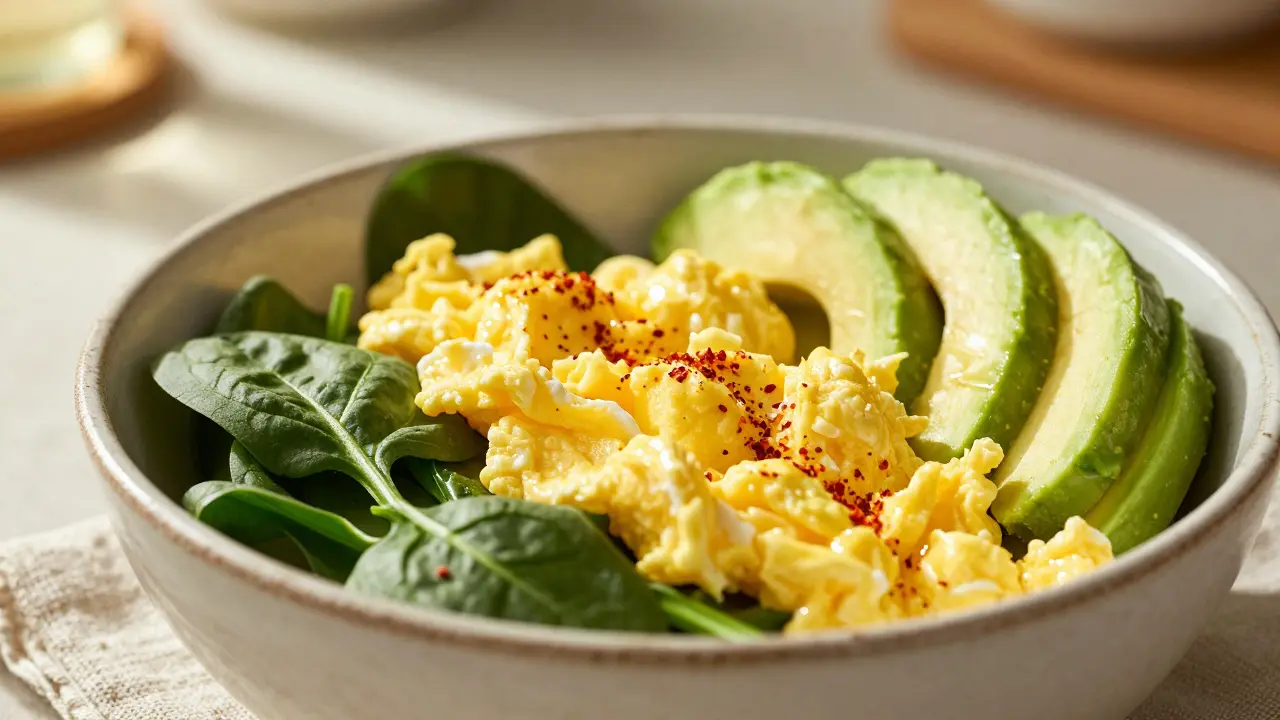
1. The Savory Egg Bowl
Eggs are the gold standard for breakfasts. They contain all nine essential amino acids and have a high satiety index. Instead of frying them in butter and serving them with white toast, try a savory bowl.
Scramble two eggs with a handful of spinach and half an avocado. Add a sprinkle of chili flakes if you want a metabolic kick-capsaicin, the compound in chili peppers, has been shown to slightly increase metabolic rate. This combination gives you roughly 20 grams of protein and 15 grams of healthy fats. You’ll feel full for four hours, not forty minutes.
| Nutrient | Amount | Benefit |
|---|---|---|
| Protein | ~18g | Muscle repair, high TEF |
| Fat | ~20g | Satiety, hormone health |
| Carbs | ~5g | Low glycemic impact |
2. Greek Yogurt Parfait (The Real Way)
Most store-bought yogurts are loaded with added sugars. That defeats the purpose. To make this metabolism-friendly, you need plain, full-fat Greek yogurt. The "full-fat" part is crucial because fat slows gastric emptying, keeping you fuller longer.
Top it with a quarter cup of chia seeds and a few berries. Chia seeds are packed with fiber and omega-3 fatty acids. Berries provide antioxidants without the heavy sugar load of bananas or mangoes. This is a great option if you crave something cold and creamy but still want to stay in a fat-burning state.
3. Overnight Oats with Protein Powder
Oats are fine, but they are still carbohydrates. If you eat plain oatmeal, your blood sugar will rise and fall quickly. To fix this, you must add protein and fat. Mix rolled oats with unsweetened almond milk, a scoop of vanilla whey or plant-based protein powder, and a tablespoon of almond butter.
Let it sit overnight. The fiber from the oats combined with the protein creates a gel-like substance in your gut that slows digestion significantly. This is perfect for busy mornings in Melbourne when you need to catch the tram or train without stopping for a cafe pastry.
4. Smoked Salmon and Cucumber Bites
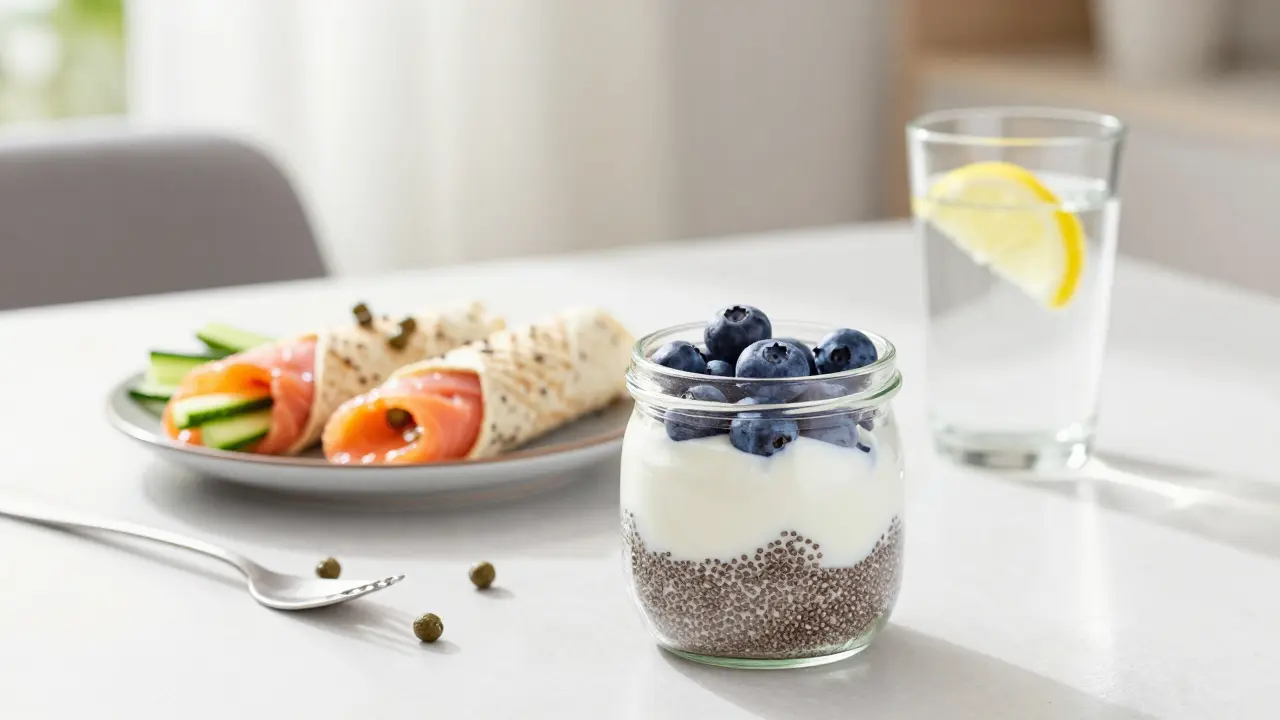
If you want to go low-carb, this is your best bet. Take slices of smoked salmon and wrap them around a stick of cucumber or a dollop of cream cheese. Salmon is rich in Omega-3s, which reduce inflammation and support thyroid function. A healthy thyroid is essential for a fast metabolism.
Add some capers or red onion for flavor. This meal requires zero cooking and provides a massive dose of high-quality protein. It’s light, refreshing, and keeps insulin levels flat throughout the morning.
5. Green Smoothie with Spinach and Hemp Seeds
Smoothies can be dangerous for your metabolism if they are just fruit juice in disguise. Fruit digests very quickly. To make a smoothie that sustains you, the base must be leafy greens, not fruit. Use one large handful of spinach, half a green apple (for taste), a tablespoon of hemp seeds, and water or coconut water.
Hemp seeds are a complete protein source and add a nutty texture. Avoid adding banana unless you plan to work out immediately after drinking it. The chlorophyll in spinach also helps detoxify the liver, which plays a key role in metabolizing fats.
6. Cottage Cheese with Pineapple
Cottage cheese is often overlooked, but it is a casein protein powerhouse. Casein digests slowly, releasing amino acids into your bloodstream over several hours. This prevents muscle breakdown during the day.
Pair it with fresh pineapple. Pineapple contains bromelain, an enzyme that aids digestion and reduces bloating. Keep the portion of pineapple small (about half a cup) to manage the sugar content. This is a surprisingly satisfying combo that tastes like dessert but acts like a meal.
7. Chia Seed Pudding
Similar to overnight oats, chia pudding is incredibly dense in nutrients. Chia seeds absorb up to 10 times their weight in water, forming a gel. This expands in your stomach, promoting a feeling of fullness.
Mix three tablespoons of chia seeds with one cup of unsweetened soy or almond milk. Add a dash of cinnamon. Cinnamon helps regulate blood sugar levels by improving insulin sensitivity. Let it thicken for at least two hours or overnight. Top with a few almonds for crunch.
Foods to Avoid in the Morning
Knowing what to eat is only half the battle. You also need to know what to avoid. These common breakfast items will shut down your metabolic engine:
- Fruit Juice: Even 100% orange juice spikes insulin as fast as soda because the fiber has been removed.
- Cereal: Most cereals are essentially processed corn or wheat with added sugar. They offer little nutritional value and cause rapid energy crashes.
- Pastries: Croissants, muffins, and danishes are high in refined flour and unhealthy trans fats. They promote inflammation and fat storage.
- Flavored Yogurts: Check the label. If sugar is in the top three ingredients, put it back.
Timing Matters: Intermittent Fasting?
You might hear people say you should skip breakfast entirely to boost metabolism. For some, intermittent fasting works. However, for many people, especially those who are active or have high stress levels, skipping breakfast can lead to overeating later in the day.
If you choose to fast, ensure your first meal is nutrient-dense. Don’t break your fast with a bagel. Break it with one of the high-protein options listed above. Listen to your body. If you feel shaky or irritable without food, your metabolism may be slowing down due to perceived starvation. Eat.
Hydration is Key
Finally, don’t forget water. You lose water while you sleep. Dehydration slows down every metabolic process in your body. Before you eat anything, drink a large glass of water. Adding a squeeze of lemon can help stimulate digestive enzymes. Wait 20 minutes before eating to allow your body to rehydrate fully.
Your breakfast sets the tone for your entire day. By choosing foods that prioritize protein, healthy fats, and fiber, you aren’t just feeding hunger-you’re optimizing your biology. Start with one of these ideas tomorrow morning and notice the difference in your energy levels by noon.
Does eating breakfast really boost metabolism?
Eating a high-protein breakfast can increase the thermic effect of food (TEF), meaning your body burns more calories digesting it compared to a high-carb meal. While it doesn't magically "speed up" your basal metabolic rate permanently, it prevents the metabolic slowdown associated with long periods of fasting and stabilizes blood sugar, which supports efficient energy use.
What is the best time to eat breakfast for weight loss?
There is no single "best" time for everyone. However, eating within an hour of waking up aligns with your natural cortisol rhythm. For most people, this helps regulate appetite throughout the day. If you practice intermittent fasting, aim to break your fast no later than 12 PM to maximize daylight eating windows.
Can I eat fruit for breakfast to boost metabolism?
Yes, but not alone. Fruit contains fructose, which can spike blood sugar if eaten without protein or fat. Pair berries or a small apple with Greek yogurt, nuts, or eggs. This combination slows the absorption of sugar and provides sustained energy rather than a quick crash.
Is coffee good for metabolism before breakfast?
Black coffee can temporarily boost metabolic rate by 3-11% due to caffeine. However, drinking it on an empty stomach may increase cortisol levels excessively for some people. If you tolerate it well, black coffee is a great pre-breakfast drink. Avoid adding sugar or heavy cream, which will negate the benefits.
How much protein should I have for breakfast?
Aim for at least 20-30 grams of protein at breakfast. This amount is sufficient to maximize muscle protein synthesis and keep you satiated. Sources include eggs, Greek yogurt, cottage cheese, protein powder, or smoked salmon. Tracking this initially can help you understand portion sizes better.